Home / News / Industry News / Why Do High Pressure Ball Valves Need Stronger Sealing Design
Why Do High Pressure Ball Valves Need Stronger Sealing Design
Posted by Admin | 02 Oct
A ball valve may have a relatively simple operating structure, but its sealing system carries a genuinely important role in controlling fluid movement throughout the line. As pressure conditions become genuinely more demanding, the sealing arrangement needs to remain suitable for the forces acting inside the valve body.
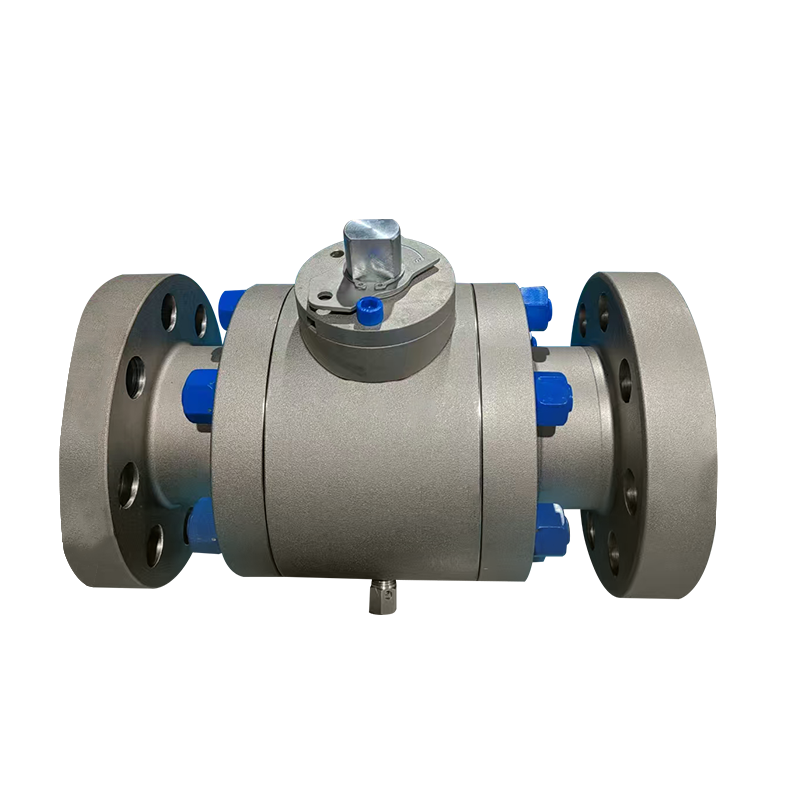
A High Pressure Ball Valve therefore requires careful attention to how its sealing parts work with the valve body, internal ball, and surrounding connections. The goal isn't simply adding more sealing material, but creating a design that suits the pressure and operating conditions of that particular application.
This relationship also explains why sealing design can differ between valves intended for different pressure environments. A Low Pressure Ball Valve may face a genuinely different set of demands, while a valve used in a higher-pressure system needs its sealing structure considered genuinely more carefully from the start.
Why Does Pressure Affect Ball Valve Sealing?
Pressure creates force inside a valve and around its internal flow path as fluid moves through. The sealing components need to maintain their intended position while the valve controls that movement without drifting out of place.
When pressure conditions change, the sealing arrangement may experience genuinely different levels of force acting on it. The design therefore needs to account for how the sealing components interact with the ball and valve body during normal operation on the line.
Pressure-Related Condition
Sealing Design Consideration
Normal pressure
Maintain the intended seal
Changing pressure
Accommodate operating changes
Higher pressure
Provide suitable structural support
Repeated operation
Maintain suitable sealing contact
Long-term service
Support continued practical use
Pressure itself isn't the only consideration worth weighing here. Temperature, fluid type, material selection, operating frequency, and installation conditions can also influence how the sealing system genuinely behaves over time.
What Is the Role of Sealing in Ball Valve Function?
The Ball Valve Function depends on controlling whether fluid can move through the valve at any given moment. A rotating ball changes the position of the internal passage, while sealing areas help control fluid movement around the ball and valve body as that rotation happens.
When the valve stays closed, the sealing arrangement helps prevent unwanted fluid movement through that closed path. When the valve opens instead, the sealing parts still need to remain properly positioned as fluid passes through the internal passage freely.
This means sealing stays genuinely closely connected with the basic operation of the valve as a whole. It isn't simply an additional component bolted around the main body for good measure.
A suitable sealing design needs to work with the movement of the ball while remaining appropriate for the pressure and fluid conditions of that specific application.
Why Does a High Pressure Ball Valve Need More Attention to Sealing?
A High Pressure Ball Valve operates under conditions where the internal fluid can place genuinely greater demands on the valve structure than a standard application would. The sealing components therefore need support from a design that matches the intended service conditions closely.
If the sealing arrangement isn't suitable for the application, pressure may create additional stress around the sealing areas over time. Repeated operation can add another layer of demand as the ball moves between different positions throughout a shift.
A stronger sealing design doesn't necessarily mean using more material by volume. It can involve genuinely better coordination between the seal, ball, valve body, and supporting components working as one unit.
Manufacturers may consider sealing material compatibility alongside contact between the seal and ball. Support around the sealing area matters too, along with valve body structure and the operating conditions the product will face. Maintenance requirements round out the list worth reviewing.
These factors work together as a connected system, rather than functioning as separate product features checked off in isolation.
How Does Sealing Material Affect High Pressure Valve Design?
Sealing materials need to suit the conditions in which the valve will actually operate day to day. Pressure is one consideration, but temperature and fluid compatibility also influence material selection genuinely heavily.
Different materials can respond genuinely differently to changes in operating conditions over months of service. A material that suits one application may not be appropriate for another entirely different one.
For this reason, manufacturers need to consider the intended fluid and surrounding environment when developing a sealing system for a high-pressure application specifically.
Material Consideration
Why It Matters
Fluid compatibility
Helps maintain suitable contact with the medium
Temperature conditions
Relates to material behavior during use
Pressure conditions
Influences the demands placed on the seal
Repeated movement
Relates to wear during operation
Maintenance
Affects long-term handling
The sealing material should therefore get selected as part of the complete valve design, rather than chosen separately from everything else.
How Does the Ball and Seal Work Together?
The internal ball and sealing elements need to work as a genuinely coordinated pair throughout the valve's service life. The ball rotates during operation, while the sealing components remain positioned around the relevant contact areas as that motion happens.
If the relationship between these parts is poorly matched, operation may become genuinely less consistent over time. Excessive resistance can affect handling for the operator, while insufficient contact may affect the valve's ability to control fluid movement properly.
A suitable design balances movement with sealing contact carefully. The ball should be able to rotate as intended while the sealing areas remain suitable for the operating conditions surrounding it.
This becomes particularly relevant in high-pressure applications because the internal forces can place genuinely greater demands on those contact areas.
Why Does Valve Body Support Matter for Sealing?
Sealing components don't operate in isolation from everything around them. They sit positioned within the valve body, so the surrounding structure needs to provide suitable support for them to function.
The valve body contains the internal parts and connects the valve with the pipeline running through it. Its design therefore influences how the sealing components remain positioned during operation over time.
A suitable body structure can help maintain the intended relationship between the ball and sealing areas as the valve cycles. It also needs to suit the pressure and environmental conditions specified for that particular product.
This shows why sealing strength can't get judged only by looking at the seal itself in isolation. The surrounding structure is genuinely part of the same connected system.
How Does Temperature Influence Sealing Performance?
Pressure and temperature can interact in ways that genuinely affect sealing materials over the course of operation. As operating temperature changes, the physical behavior of some materials may also shift in response.
A valve intended for a particular application should therefore get reviewed according to both pressure and temperature conditions together. Ignoring one while focusing only on the other can make product selection genuinely less practical down the line.
Temperature may also affect the fluid moving through the valve itself. This can change the demands placed on the internal components as a result.
Manufacturers can address these conditions through material selection, component arrangement, and product testing suited to the intended application at hand. Buyers should follow the manufacturer's stated application guidance when checking whether a particular sealing arrangement stays suitable for their needs.
What Happens When a Valve Is Operated Repeatedly?
A valve that opens and closes regularly experiences repeated movement around the internal ball and sealing areas throughout its working life. The sealing system needs to accommodate this movement without becoming unsuitable for the intended application over time.
Repeated operation can also affect the user's experience at the handle. If the valve becomes genuinely difficult to operate, the problem may involve the interaction between the ball, seal, and other internal parts working against each other.
This is why operating frequency should get considered during product selection from the start. A valve used occasionally may have genuinely different service demands from one that gets operated regularly throughout a shift.
Operating Pattern
Sealing Design Focus
Occasional operation
Stable sealing during normal use
Regular operation
Balance between movement and contact
Frequent operation
Consider repeated interaction between parts
Long-term use
Consider maintenance and wear
The appropriate design depends on the application it's serving, rather than on pressure alone as a single deciding factor.
How Does Fluid Type Affect Sealing Design?
Different fluids can create genuinely different requirements for valve materials and sealing components used inside them. The seal needs compatibility with the medium that passes through the valve on a daily basis.
Water, air, oil, and other fluids can interact genuinely differently with materials over time. A sealing arrangement suitable for one application shouldn't automatically get assumed to suit another entirely different one.
The condition of the fluid can also matter here quite a bit. Suspended particles or other characteristics may influence maintenance and the long-term condition of internal parts as they wear.
Buyers should therefore identify the intended medium before selecting a valve for their system. The manufacturer's compatibility information can then get used to check whether the sealing arrangement stays suitable for that fluid.
How Is a Low Pressure Ball Valve Different in Sealing Requirements?
A Low Pressure Ball Valve may operate under conditions that place genuinely different demands on its sealing structure compared to a high-pressure counterpart. This doesn't mean sealing becomes unimportant here, but the design requirements may differ according to the intended application.
Lower-pressure service may allow a genuinely different balance between sealing contact, material choice, and internal support. The actual product still needs to match the fluid, temperature, installation, and operating conditions it will face.
The comparison is therefore genuinely about application requirements, rather than treating one valve category as universally suitable across every job.
Application Type
Sealing Consideration
Lower-pressure service
Match sealing structure to intended conditions
Higher-pressure service
Review pressure-related support and contact
Changing conditions
Consider operating variation
Frequent operation
Consider repeated movement
This distinction helps buyers understand why valves designed for different applications shouldn't get selected only by comparing their external appearance side by side.
Why Does Sealing Contact Need to Be Controlled?
The relationship between the sealing element and the ball needs genuinely careful consideration throughout the design process. Too little contact may not provide the intended control, while unnecessary contact can affect movement and handling for the operator.
A practical design seeks a suitable balance between sealing and rotation carefully. This balance can get influenced by material properties, component shape, manufacturing consistency, and assembly precision.
In high-pressure applications, the design also needs to account for the forces acting on the internal components as they operate under load.
The objective is creating a sealing arrangement that works with the valve, rather than creating unnecessary resistance during normal operation on the line.
How Can Manufacturing Affect Sealing Consistency?
A sealing design may look genuinely straightforward on a drawing, but the finished valve depends heavily on how each component gets produced and assembled on the shop floor. Small differences in component shape, surface condition, or assembly position can affect how the sealing areas interact with the internal ball.
Manufacturers can therefore inspect relevant components during production and check the finished assembly according to their quality procedures established for that line.
Production Area
Possible Sealing Concern
Material preparation
Suitability of sealing components
Component forming
Consistency of relevant shapes
Surface preparation
Contact between related parts
Assembly
Correct positioning
Finished inspection
Overall valve condition
Production consistency becomes especially important when valves get supplied for repeated industrial applications running around the clock.
Why Does Installation Matter to Sealing Performance?
Even a suitable valve needs to get installed correctly to perform as designed. The surrounding pipeline can place mechanical stress on the valve if the installation arrangement isn't appropriate for the site.
Pipe alignment, support, available space, and connection conditions can all influence how the valve sits within the system once fitted. The valve should get installed according to the manufacturer's instructions closely.
This helps maintain the intended relationship between the valve body, connections, and internal components as they were designed to work together. Installation also affects maintenance access down the line. A valve that can't get reached easily may prove genuinely harder to inspect or service when necessary later.
How Can Buyers Evaluate Sealing Design Before Purchase?
Buyers don't need to examine every internal detail to ask genuinely useful questions about a valve before ordering. The key is connecting the product information with the actual application it will serve.
Buyers can start by asking what fluid will pass through the valve, checking whether the sealing materials suit the intended medium. What pressure conditions the valve will experience deserves comparison against the manufacturer's stated product information next.
Whether temperature will change during operation matters too, considering whether the sealing materials suit the expected environment. How often the valve will operate needs review, checking whether the design fits the expected frequency of movement.
How the valve will get installed deserves attention as well, checking connection compatibility, access, and surrounding space. What maintenance is expected rounds out the list, considering how the valve and its sealing areas can get inspected or serviced over time.
These questions help buyers evaluate sealing design as part of the complete valve, rather than as an isolated component judged on its own.
How Does a High Pressure Ball Valve Fit Into Industrial Pipeline Design?
Industrial pipeline design often involves several connected components that need to work under related conditions together. The valve must therefore suit the pipework, fluid, operating environment, and control requirements surrounding it.
A High Pressure Ball Valve may get used where the system places genuinely greater demands on the valve structure and sealing arrangement. The product should get selected according to the actual conditions it will face, rather than simply chosen because it belongs to a high-pressure category on paper.
The sealing system should also get considered alongside connections, installation space, operation frequency, and maintenance access as one complete picture.
This wider view helps buyers understand why valve selection stays genuinely closely connected with the design of the surrounding pipeline as a whole.
What Role Does Maintenance Play in Sealing Design?
Sealing components are part of a valve's operating system and may require attention during the product's service life spanning years. Maintenance needs can depend on the fluid, operating frequency, environment, and manufacturer's recommendations for that particular product.
Regular inspection can help users notice changes in operation or visible signs of wear before they cause bigger problems. Any maintenance work should follow the manufacturer's instructions and the safety procedures used for that specific pipeline.
Accessible installation can make these tasks genuinely easier for the maintenance crew. A valve surrounded by other equipment may require genuinely more planning before inspection or service can take place safely.
Maintenance should therefore get considered during valve selection, rather than treated as a separate issue tackled only after installation is already complete.
How Can Manufacturers Develop Sealing Designs for Different Pressure Conditions?
Manufacturers can begin by identifying the conditions the valve is expected to handle throughout its service life. Pressure, temperature, fluid type, operating frequency, and installation environment can all influence the design process from the earliest stage.
The sealing material can then get considered together with the ball, valve body, supporting components, and connection structure as one connected system. Testing and inspection can help manufacturers check whether the finished assembly behaves as intended under its specified application conditions before it ships.
Different pressure applications may require genuinely different design priorities depending on their service demands. A lower-pressure product and a high-pressure product don't necessarily need identical sealing arrangements to perform their respective jobs well.
This application-based approach allows the sealing system to remain genuinely connected to the actual function of the valve and the conditions where it will actually get used in the field.

 русский
 عربى
عربى