Home / News / Industry News / How Can Ball Valve Selection Match Pipeline Pressure Needs
How Can Ball Valve Selection Match Pipeline Pressure Needs
Posted by Admin | 29 Sep
Industrial pipelines depend on many connected components working together as one system. Pipes, fittings, valves, supports, and other parts all need to suit the conditions of the system, so choosing a valve can't get separated from the pipeline surrounding it.
Pressure is a genuinely important part of this relationship. A ball valve needs to be suitable for the pressure conditions it may experience during normal operation, while the connected pipeline and other components also need consideration as part of the same system rather than in isolation.
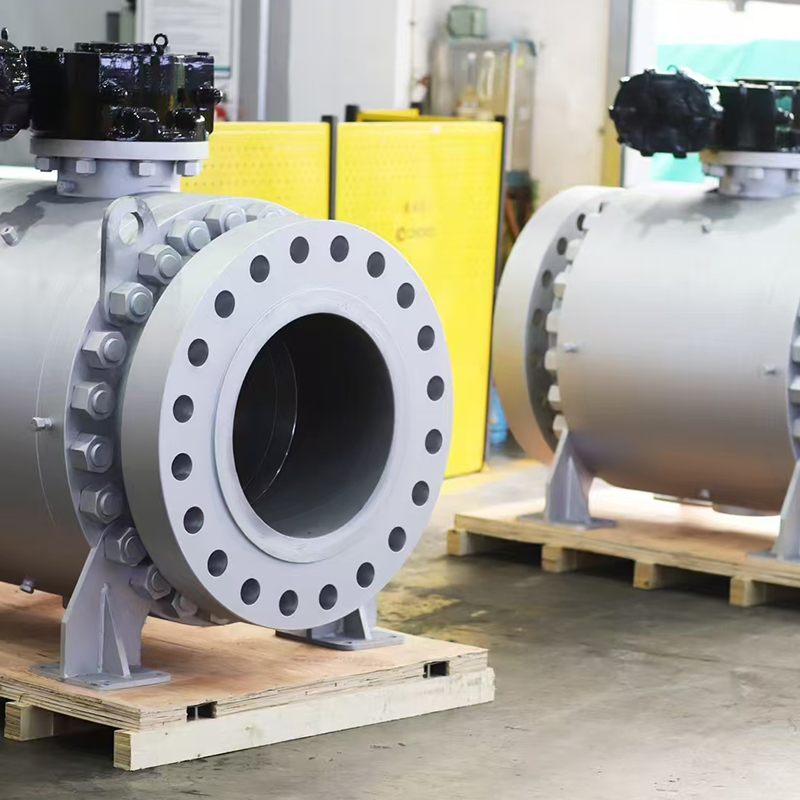
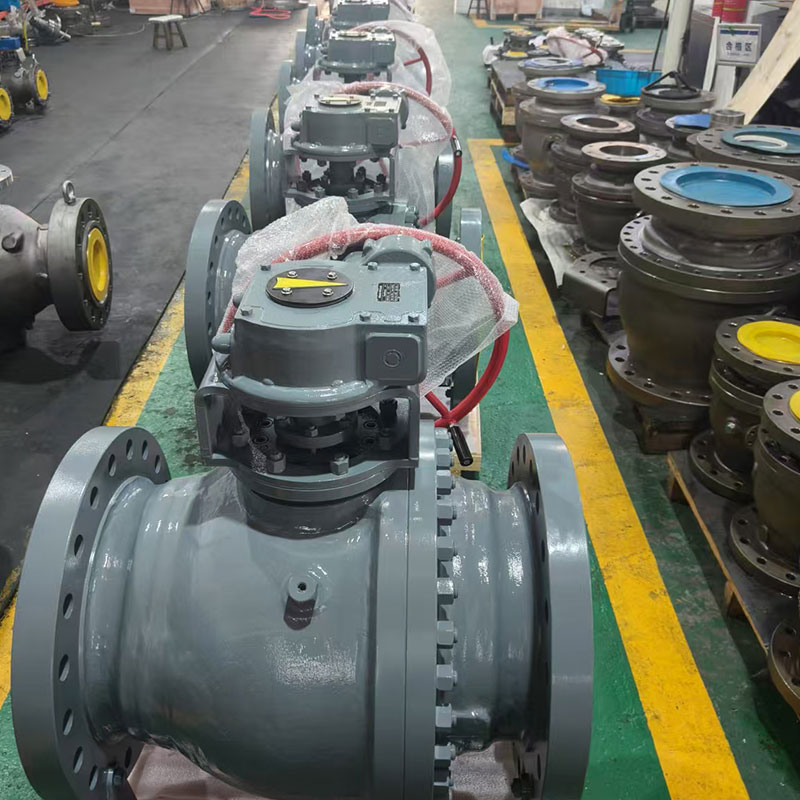
Understanding how pressure ratings relate to practical pipeline conditions can make Ball Valve Selection genuinely more straightforward. It also helps buyers understand why a valve should get chosen according to its intended application, rather than simply by its appearance or general product category on a shelf.
Why Does Pressure Rating Matter in Industrial Pipelines?
Pressure inside a pipeline changes the demands placed on the valve throughout its service life. The valve body, sealing areas, connections, and other parts all need to work within the conditions specified for that particular product.
A pressure rating provides genuinely useful information about the conditions for which a valve was designed. It shouldn't get treated as an isolated number, though, because the actual application may also involve temperature, fluid type, installation arrangement, and operating frequency all at once.
Pipeline Consideration
Relationship to Valve Selection
Operating pressure
Helps determine suitable valve selection
Pressure changes
May affect the valve's service conditions
Fluid type
Influences material compatibility
Temperature
Can affect material and sealing behavior
Connection arrangement
Needs to suit the surrounding pipeline
Looking at these factors together gives buyers a genuinely clearer understanding of how a valve fits into an industrial pipeline running through a facility.
How Does Ball Valve Function Relate to Pressure?
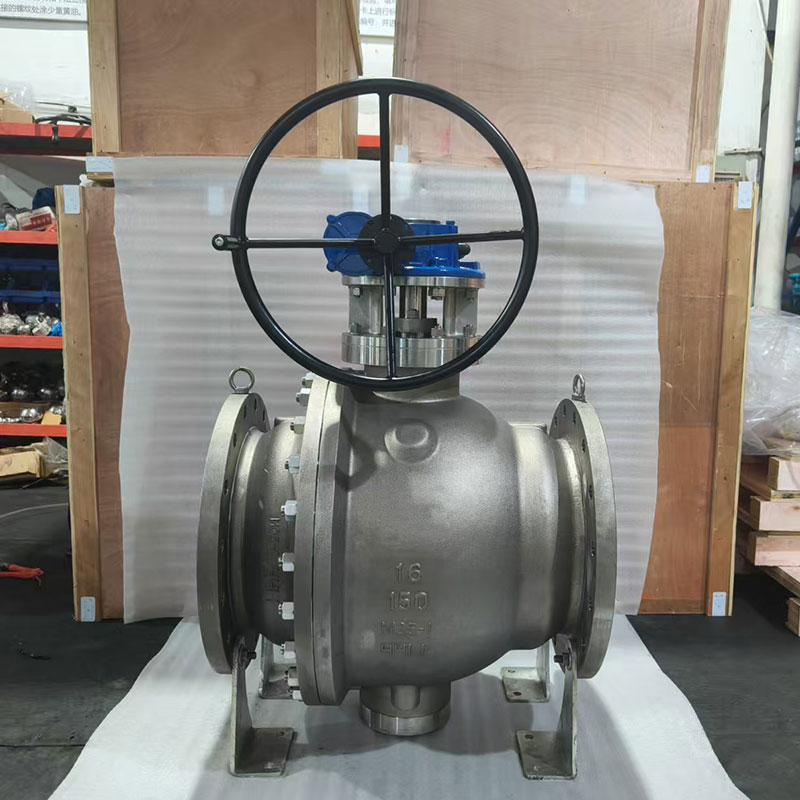
The Ball Valve Function is based on a rotating ball that controls the flow path through the valve body. When the internal passage aligns with the pipeline, fluid can move through the valve freely, while another position restricts normal flow instead.
Pressure acts on the valve while this function takes place, whether the line is opening, closing, or holding steady. The valve therefore needs design suited to the conditions in which it will open, close, and remain in service over months of use.
A valve used mainly for pipeline isolation may experience a genuinely different operating routine from one that gets operated repeatedly throughout a shift. The pressure conditions should therefore get considered together with the way the valve is expected to function on the job.
The surrounding pipeline also matters here because pressure isn't limited to the valve body alone. Connections, fittings, and nearby components all form part of the same flow path carrying that pressure.
How Should Buyers Read a Ball Valve Pressure Rating?
A pressure rating provides a reference for the conditions a valve can get used under, according to the manufacturer's product information. Buyers should review the stated rating together with the conditions of their particular application rather than reading it in isolation.
The rating shouldn't get interpreted as a promise that the valve will suit every pipeline simply because the stated pressure appears sufficient on paper. Temperature, fluid compatibility, connection type, installation conditions, and operating practices can all change the suitability of a product.
A practical purchasing process can therefore begin with the pipeline conditions and then identify valves that fit those requirements.
Question
Why It Matters
What pressure does the pipeline normally experience?
Establishes the basic selection requirement
Can pressure conditions change?
Helps account for operating variation
What fluid passes through the valve?
Relates to material compatibility
What temperature surrounds the valve?
May affect product suitability
How will the valve be operated?
Helps determine the appropriate design
This approach keeps the rating genuinely connected to the real application, instead of treating it as a standalone product label stuck on a box.
Why Should Pipeline Pressure and Valve Rating Be Considered Together?
A valve doesn't operate independently from the pipeline surrounding it. It connects two sections of the system and becomes genuinely part of the path through which fluid moves.
If the valve isn't suitable for the pipeline conditions, the overall installation may face unnecessary operating concerns down the line. The connected pipework and fittings also need to be appropriate for those same service conditions rather than mismatched.
This means buyers should avoid selecting a valve before genuinely understanding the surrounding system it's entering. The pipeline, for example, may have a particular operating pressure, but the installation could also include changes in temperature or different sections carrying different service requirements. These conditions need review before the valve ever gets selected.
The relationship can be viewed as a chain running from pipeline conditions through to valve requirements, then product selection, and finally installation itself. Each stage affects the next in sequence, so pressure rating should be part of a wider selection process rather than a single deciding factor.
How Does Temperature Affect Pressure Rating Selection?
Pressure and temperature stay closely related when evaluating a valve for industrial use. Materials and sealing components can behave genuinely differently as operating conditions change throughout a day.
A valve that appears suitable when considering pressure alone may require additional review if the system operates under genuinely different temperature conditions elsewhere in the line. Buyers should therefore check the manufacturer's stated relationship between pressure, temperature, and product suitability before committing.
Temperature can also affect the fluid itself as it moves through the system. Changes in fluid behavior may influence how the valve is expected to operate under those shifting conditions.
A practical review can start by identifying the normal temperature range of the application at hand. Checking the valve manufacturer's applicable pressure information comes next, followed by considering whether operating conditions can genuinely change during use. Reviewing the material and sealing arrangement matters too, with confirming the complete installation remains suitable rounding out the process.
This sequence helps prevent pressure rating from getting considered without the other conditions that genuinely influence valve use in practice.
What Is the Difference Between Low-Pressure and High-Pressure Ball Valve Applications?
A low-pressure ball valve may get selected for systems where operating demands stay relatively modest throughout normal use. A valve intended for higher-pressure service may require a construction and product rating that correspond with those genuinely different conditions.
The genuinely important point is that these terms describe different application needs, rather than simple categories that can get selected without reviewing the actual pipeline first. A high-pressure ball valve should get evaluated according to the manufacturer's stated conditions and the requirements of the installation it's entering.
The same principle applies when considering a valve for lower-pressure service instead.
Application Condition
Selection Focus
Lower operating pressure
Suitable product rating and materials
Changing pressure
Review of operating conditions
Higher operating pressure
Appropriate valve construction and rating
Mixed system conditions
Review of each relevant pipeline section
Buyers should match the valve with the actual conditions it will face, rather than assuming a particular category automatically fits the system without checking.
How Does Fluid Type Influence Pressure-Related Valve Selection?
Pressure is only one part of valve compatibility worth weighing. The fluid moving through the pipeline can also affect the choice of body materials, sealing components, and internal construction significantly.
Water, air, oil, and other fluids can create genuinely different service conditions for the same valve design. A valve intended for one application shouldn't automatically get transferred to another without checking the manufacturer's guidance first.
A water distribution system, for example, may use a water ball valve designed specifically for that type of service. An industrial pipeline carrying another medium entirely may require a genuinely different material or sealing arrangement instead.
The fluid should therefore get identified before the pressure rating gets used to narrow down the product options available. This helps buyers avoid a genuinely common selection mistake worth watching for: treating pressure compatibility as the only requirement that matters.
Why Does Connection Type Matter When Matching Pressure Ratings?
The valve must connect securely with the surrounding pipeline it's joining. The connection arrangement therefore has a genuinely direct relationship with the installation as a whole.
Threaded, flanged, welded, and other connection methods may get used in different systems depending on how they were originally designed. Each installation needs a valve connection that matches the surrounding components and the intended application it's serving.
Pressure conditions also make connection compatibility genuinely important because the valve and pipeline form one continuous system carrying that load together. A suitable valve body doesn't remove the need to check the connection arrangement separately.
Connection Consideration
Buyer Focus
Existing pipe connection
Check compatibility
Installation method
Confirm the valve suits the planned installation
Available space
Allow room for fitting and operation
Maintenance access
Keep the valve reachable
Surrounding components
Avoid interference during installation
Reviewing the complete connection arrangement can make pressure-related selection decisions genuinely more practical when the order finally goes in.
How Can Installation Conditions Affect a Durable Ball Valve?
A Durable Ball Valve should get considered in relation to where it will actually operate day to day. Even a well-designed valve can face unnecessary stress if it gets installed in an unsuitable location or used outside its intended conditions.
Pipeline support, surrounding equipment, temperature, access, and operating practices can all influence long-term use in ways that add up over time. The valve should get installed according to the manufacturer's instructions and matched with the conditions for which it was genuinely designed.
Installation space also matters here quite a bit. A valve may need enough room for handle movement, inspection, and future maintenance without crowding.
Durability is therefore not only about the valve itself sitting on a shelf. It's also genuinely connected to how the product gets selected, installed, operated, and maintained throughout its working life.
What Role Does Pressure Change Play in Ball Valve Selection?
Industrial pipelines don't always operate under completely unchanged conditions throughout a shift. Pressure can vary as equipment starts, stops, or changes its operating state elsewhere in the system.
These changes should get considered when reviewing a valve for a given application. A product should be suitable for the expected operating conditions, rather than judged only by one normal operating state observed briefly.
Buyers can discuss pressure variation with the valve supplier when the application involves genuinely changing conditions over its cycle. Product documentation can also help clarify the intended operating range before an order gets placed.
This proves especially useful when a valve will be installed near equipment that can cause changes in pipeline conditions nearby. Understanding these changes allows Ball Valve Selection to reflect how the system actually behaves, rather than how it appears under one snapshot operating condition.
How Does Valve Operation Frequency Affect Pressure Selection?
A valve that remains open or closed for genuinely long periods may have a different operating routine from one that gets opened and closed regularly throughout a workday. Repeated operation can affect the handle, rotating ball, sealing areas, and other moving parts over time.
The pressure conditions during these operations should also get considered alongside frequency itself. A valve intended for frequent operation should get reviewed according to the manufacturer's guidance for its intended service life.
Buyers should also consider whether manual operation stays suitable or whether another operating arrangement is genuinely needed instead. The frequency of operation doesn't replace pressure rating as a selection factor on its own. Instead, both should get reviewed together as connected concerns.
Why Does Sealing Matter in Pressure Applications?
Sealing components help control fluid movement around the internal valve structure as it opens and closes. Their suitability can depend on pressure, temperature, fluid type, and the expected operating environment surrounding the installation.
A sealing material that suits one application may not prove suitable for another entirely different one. Buyers should therefore review the manufacturer's compatibility information carefully before making a selection.
The condition of the sealing components can also change with use over months of service. Regular inspection and appropriate maintenance can help users identify problems before they interfere with normal valve operation on the line.
Pressure rating and sealing should therefore get considered as genuinely related parts of the valve design, rather than separate checkboxes.
How Can Buyers Compare Ball Valve Products for Industrial Pipelines?
A practical comparison starts with the pipeline itself, rather than with product appearance sitting in a catalog. Buyers can organize the selection around several questions that describe the actual application at hand.
A simple purchasing process can begin by identifying the fluid, confirming what will move through the pipeline and checking material compatibility against it. Reviewing operating pressure comes next, understanding the normal pressure and whether it can change during operation.
Considering temperature matters too, checking whether the product suits the operating environment it will sit in. Checking connections rounds out the early steps, matching the valve connection with the surrounding pipework already installed.
Reviewing installation conditions deserves attention, making sure there's enough space for installation, operation, and maintenance without crowding. Considering operating frequency helps too, determining how often the valve will get opened, closed, or adjusted throughout its life. Reviewing maintenance needs closes the process, considering how the valve will get inspected and serviced going forward.
This process gives buyers a genuinely structured way to connect product information with actual pipeline conditions rather than guessing.
How Should a Water Ball Valve Be Matched to Pipeline Conditions?
A water ball valve is commonly considered for water-related piping systems, but the term alone doesn't determine whether a particular product suits a specific installation. The pipeline's pressure, temperature, connection arrangement, water conditions, installation environment, and operating routine should still get reviewed carefully.
A valve installed in a simple distribution line may face genuinely different requirements from one connected to equipment or a larger industrial system running at scale. The surrounding installation can therefore influence the selection considerably.
Buyers should use the manufacturer's application information to confirm whether the valve is genuinely intended for the specific service conditions it will face. This keeps the selection process focused on actual use, rather than relying on a general product category that sounds close enough.
What Should Industrial Buyers Check Before Ordering?
Pressure rating is a genuinely important purchasing consideration, but it works as part of a wider set of requirements rather than standing alone. Buyers can reduce uncertainty by collecting the relevant pipeline information before contacting a supplier in the first place.
A useful checklist can include fluid type and intended application at the top of the list. Pressure comes next, covering normal and changing operating conditions the system might face.
Temperature deserves a line too, noting the expected service environment surrounding the installation. Valve function matters, distinguishing isolation from other intended uses. Connection needs recording, capturing the existing pipeline arrangement already in place.
Installation space and access round out the practical concerns, along with operation method covering manual or other control approaches. Maintenance needs get noted too, covering inspection and service requirements. Durability closes the list, checking suitability for the expected operating routine over time.
Selection Area
Information to Review
Fluid
Type and intended application
Pressure
Normal and changing operating conditions
Temperature
Expected service environment
Valve function
Isolation or other intended use
Connection
Existing pipeline arrangement
Installation
Available space and access
Operation
Manual or other control method
Maintenance
Inspection and service requirements
Durability
Suitability for the expected operating routine
Clear information allows suppliers to recommend products based on the actual application, rather than a general description that might miss the mark. For manufacturers, the same information can help organize product ranges around different pipeline requirements they commonly encounter. For buyers, it creates a genuinely clearer connection between Ball Valve Function, Ball Valve Selection, and the conditions the valve will face during service.
How Can Pressure Rating Support Better Pipeline Planning?
Valve selection becomes genuinely easier when pressure gets considered during pipeline planning, rather than after the system has already been designed and installed. The valve, pipework, connections, and operating conditions can then get reviewed as related parts of one installation, rather than separate decisions made in sequence.
This approach also helps buyers think beyond the initial purchase price alone. Installation access, operating frequency, maintenance requirements, and future servicing can all influence whether a valve remains genuinely practical throughout its intended use over years of service.
A Durable Ball Valve should therefore get matched with the conditions it's expected to encounter on the job. Pressure rating provides an important reference point, while fluid type, temperature, connections, installation conditions, and operating practices complete the picture needed for a genuinely practical industrial pipeline selection process.

 русский
 عربى
عربى