Home / News / Industry News / How Can Ball Valves for Water Ensure Stable On-Off Performance
How Can Ball Valves for Water Ensure Stable On-Off Performance
Posted by Admin | 06 Oct
Water systems may look genuinely simple from the outside looking in. Water enters through a pipe, moves through different sections, and eventually reaches the point where it's actually needed. Behind that simple movement, however, many small components work together to control when water should flow and when it should stop.
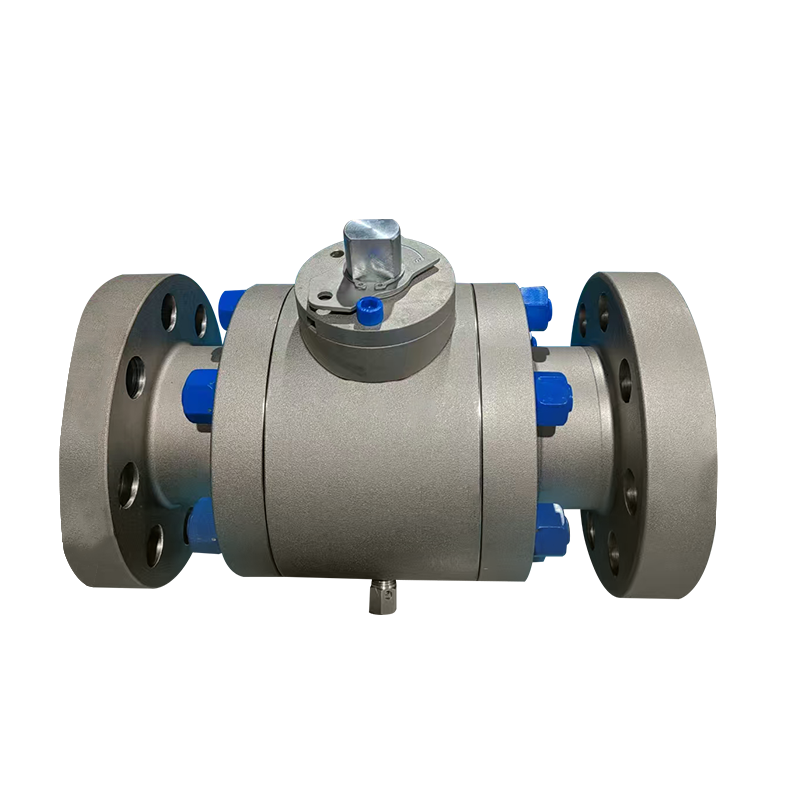
A Ball Valve for Water is one of the components used for this purpose throughout a building or facility. Its role stays closely connected with on-off control, meaning allowing water to pass when the system needs flow and stopping it when that flow needs interrupting. The way the valve gets designed, installed, operated, and maintained can affect how consistently this action actually gets carried out.
Stable on-off performance isn't only about the valve opening or closing on command. It also involves how smoothly the internal parts move, how well the valve handles contact with water, how the sealing areas behave during repeated use, and whether the surrounding pipe system supports normal operation day after day.
What Does Ball Valve Function Mean in a Water System?
Ball Valve Function describes how a valve controls water movement by changing the position of an internal ball sitting inside its body. The ball has an opening through its center, and turning the handle changes the position of that opening in relation to the water path running through the pipe.
When the opening lines up with the pipe, water can move through the valve freely. When the ball turns so the opening no longer lines up with the pipe, the flow gets stopped instead. This simple movement allows the valve to perform a genuinely clear on-off task without requiring a complicated operating process for the user.
The basic relationship can get viewed in a straightforward way.
Valve Position
General Effect
Open
Allows water to pass
Closed
Stops water movement
Partially turned
May change the flow path
For systems that mainly require open or closed control, this type of operation can prove genuinely practical because the user can understand the valve position from the handle movement alone.
How Does the Internal Ball Support Stable Operation?
The internal ball sits central to the way the valve works as a whole. Its movement needs to remain controlled as the handle turns, so the opening and closing action stays genuinely predictable for the operator.
The ball also needs to work properly with the surrounding sealing areas around it. When the valve closes, the sealing parts help limit water from passing through. When the valve opens instead, the ball needs to move away from that closed position without unnecessary resistance holding it back.
Several design areas can influence this interaction between moving parts.
Design Area
Role in Operation
Ball surface
Supports controlled movement
Flow opening
Provides the water passage
Sealing area
Helps limit unwanted flow
Stem connection
Transfers handle movement
Valve body
Holds the internal parts together
These parts don't work independently from one another. A problem in one area can genuinely affect how the complete valve feels during operation at the handle. For this reason, stable performance comes from the relationship between the moving and stationary parts, rather than from one component standing alone.
Why Does Sealing Matter for On-Off Performance?
A valve can only provide genuinely useful shutoff when its sealing areas remain in suitable condition throughout use. When the valve moves into the closed position, the sealing parts need to make consistent contact with the internal ball every single time.
Repeated operation can gradually affect these contact areas over months and years. Dirt, unsuitable installation, excessive force, or general wear may change how the parts meet each other during a cycle.
A practical sealing design therefore needs to consider both movement and contact together. The valve should open without unnecessary resistance while still creating a genuinely reliable closed position when the handle turns back.
Water quality can also influence maintenance needs considerably. Suspended particles or deposits may collect around internal areas, especially when the valve sits installed in a system that isn't kept clean. Regular inspection can help identify these changes before they interfere with normal operation.
How Does Valve Material Affect Water Applications?
The material used for a valve needs to match the environment where the product will actually operate day to day. Water may seem like a genuinely mild medium at first glance, but different systems can expose valve components to moisture, cleaning conditions, temperature changes, and repeated contact over time.
Material selection can affect the valve body, ball, stem, sealing areas, and other components differently. Each part may carry a different role, so the same material doesn't necessarily need use throughout the complete assembly.
Component
Material Consideration
Valve body
Needs suitable resistance to the operating environment
Internal ball
Needs to maintain smooth movement
Stem
Needs to transfer handle movement reliably
Sealing parts
Need suitable contact and flexibility
Handle
Needs practical everyday handling
The choice should also reflect the intended water application it will serve. A household water line, industrial water system, and outdoor installation may create genuinely different environmental conditions for the same valve design.
Matching materials to the actual application can help reduce unnecessary wear and support genuinely consistent valve operation over years of service.
What Makes a High Pressure Ball Valve Different?
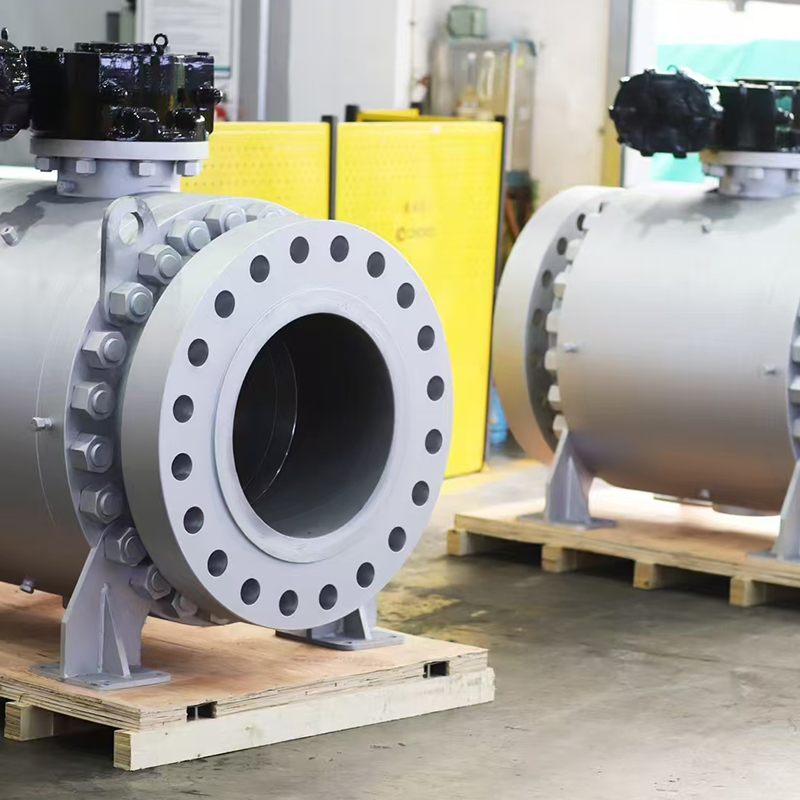
A High Pressure Ball Valve needs to handle stronger forces from the water system while maintaining controlled movement and sealing throughout. The valve body, internal parts, and connection areas therefore need to work together under the conditions that system creates.
Pressure doesn't affect only the valve body sitting in the line. It can also influence how internal parts interact with each other and how much force gets placed on sealing areas during a cycle. A suitable design needs to account for these relationships, rather than treating pressure as an isolated factor sitting apart from everything else.
The surrounding pipe system also matters here quite a bit. A valve may be well constructed, but unsuitable installation can create stress around the connections or change how the valve gets supported once fitted.
For buyers, it's genuinely useful to consider the complete application, rather than choosing a valve based only on the pressure description printed on a spec sheet. The water system, installation method, operating frequency, and surrounding equipment all provide relevant context worth weighing.
How Can Handle Design Support Consistent On-Off Control?
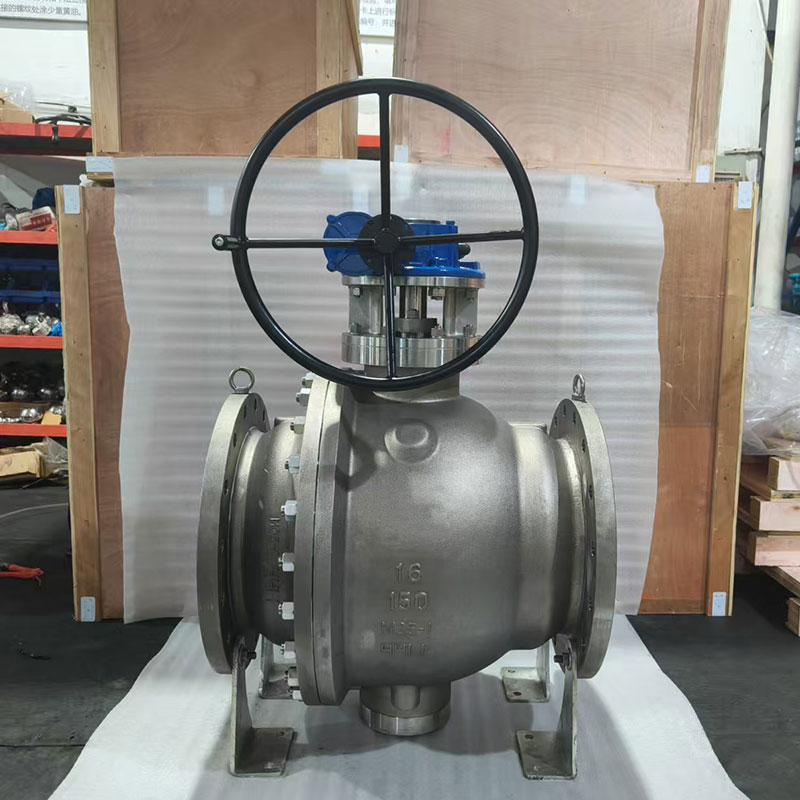
The handle is the part users interact with directly every time they operate the valve. Its shape, position, movement, and connection with the stem can affect how easy it actually feels to operate.
A handle should provide enough control for the user to move the internal ball without needing unnecessary force behind it. It should also make the valve position genuinely easy to recognize during normal use at a glance.
For maintenance teams, this visual relationship proves genuinely useful in practice. When several valves sit installed close together, clear handle positioning can help users identify which water path is open and which one stays closed without guessing.
A practical handle design may consider comfortable grip during operation alongside clear movement between open and closed positions. Secure connection with the stem matters too, along with suitable clearance around nearby pipes or equipment. Easy access for inspection and maintenance rounds out the list worth checking.
The handle is a relatively simple component on its own, but its design can genuinely influence the everyday experience of using the complete valve.
How Does Installation Affect Ball Valve Performance?
Installation can have a genuinely direct effect on how a Ball Valve for Water operates once it's in place. Even a suitable valve may not perform as expected if it gets installed with unnecessary stress, poor alignment, or limited access for operation.
The valve should sit positioned so the handle can move naturally without obstruction. The surrounding pipework should also provide appropriate support without placing unnecessary force on the valve body or connection points.
Installation planning can include several practical questions worth asking beforehand.
Installation Question
Why It Matters
Is the valve easy to reach?
Supports normal operation
Is the handle free to move?
Reduces operating difficulty
Is the pipe properly supported?
Helps reduce unnecessary stress
Are connections properly fitted?
Helps limit leakage risks
Is there room for inspection?
Makes maintenance easier
Good installation also makes later servicing genuinely more manageable down the road. A valve hidden behind other equipment may prove difficult to inspect, even when its internal design stays entirely suitable.
Why Does Water Quality Matter to Valve Operation?
Water conditions can vary genuinely between applications depending on the source. Some systems carry relatively clean water, while others may contain particles or deposits that can collect inside equipment over time.
Small particles can interfere with moving components or sealing areas as they accumulate. Deposits may also change the way the internal ball moves when someone operates the valve after months of buildup.
This doesn't mean every water system requires the same maintenance routine across the board. Instead, maintenance should reflect the conditions in which the valve actually works day to day.
Users can watch the cleanliness of the water passing through, along with the condition of nearby pipes feeding into the valve. Signs of deposits around connections deserve attention too, alongside changes in handle movement felt at the wrist. Visible leakage or unusual operation rounds out the list worth checking regularly.
Paying attention to these details can help users identify changes in valve behavior before the problem becomes genuinely harder to manage later.
How Does Repeated Operation Affect Valve Life?
A valve that gets opened and closed regularly experiences repeated movement throughout its working life. Every operating cycle involves movement between the handle, stem, internal ball, and sealing areas working together.
Over time, repeated movement can create genuine wear on these parts. The amount of wear depends on factors like the valve design, materials, water conditions, installation quality, and frequency of use combined together.
A valve used occasionally in a household system may experience a genuinely different pattern from one operated regularly in a working facility running shifts. The intended application should therefore influence product selection from the start.
Usage Pattern
Design Consideration
Occasional operation
Simple access and maintenance
Regular operation
Durable moving components
Frequent operation
Consistent movement and sealing
Maintenance use
Easy access and clear operation
The goal isn't making every valve identical across every application. It's matching the valve structure with the way the water system will actually get used in practice.
Can Valve Size and Pipe Layout Influence Operation?
The physical relationship between the valve and the surrounding pipework also matters genuinely quite a bit. A valve needs to fit naturally into the available installation space without creating unnecessary bends or access problems for whoever operates it later.
Pipe layout can influence how easily users reach the handle when they need it. Tight spaces may make operation genuinely awkward, while nearby equipment can prevent the handle from moving through its normal range of motion.
The valve also becomes part of the wider water path running through the building. Its position should make sense within the system, rather than getting selected separately from the surrounding components around it.
During planning, buyers and installers can review available installation space alongside pipe direction and handle clearance. Connection access deserves a look too, along with nearby equipment that might interfere. Future maintenance requirements round out the planning checklist worth working through.
Considering these factors before installation can help prevent practical problems after the water system becomes fully operational.
How Can Maintenance Keep On-Off Performance Stable?
Maintenance doesn't need to be complicated to prove genuinely useful over time. Regular observation can reveal changes in operation that might otherwise go unnoticed for weeks.
A handle that once moved smoothly but later feels unusually stiff can indicate that something has genuinely changed inside. A small leak around a connection may also deserve attention before the valve gets needed for an important shutoff task down the line.
A practical maintenance routine may include inspecting visible connections regularly, alongside checking for signs of leakage around fittings. Observing handle movement matters too, along with keeping the surrounding area accessible for future work. Following the product's care instructions rounds things out, with replacing worn components when appropriate closing the loop.
Maintenance should also take the surrounding water system into account rather than focusing on the valve alone. Problems in nearby pipes, fittings, or supports can affect the valve even when the valve itself hasn't changed at all.
How Should Buyers Compare Ball Valves for Water?
Choosing a Ball Valve for Water involves genuinely more than checking whether the product can open and close on demand. Buyers need to consider the water application, installation environment, operating frequency, material selection, connection method, and expected maintenance all together.
A simple comparison can help organize these points clearly.
Buying Consideration
Question to Ask
Application
Where will the valve be used?
Water condition
What type of water will pass through it?
Pressure conditions
What operating conditions will the system create?
Material
Does the material suit the environment?
Operation
How often will the valve be opened and closed?
Installation
Is there enough space for fitting and operation?
Maintenance
Can the valve be inspected easily?
This approach keeps attention on the actual application at hand, instead of relying on one product feature to carry the whole decision. It also helps buyers communicate genuinely more clearly with suppliers from the start. When the intended use gets understood upfront, the supplier can recommend a valve structure that fits the system, rather than treating every water application the same way.
What Should Manufacturers Consider When Designing Water Ball Valves?
Manufacturers need to consider the complete operating path when developing valves for water systems from the ground up. The valve body, internal ball, stem, sealing areas, handle, and connection points all contribute to the final user experience once the product ships.
Production consistency also matters here because small differences in assembly can genuinely affect how a valve feels during operation. Consistent inspection of moving parts, sealing areas, connections, and finished assemblies can help manufacturers identify construction issues before products ever enter the market.
Product development can therefore focus on controlled movement alongside suitable sealing contact throughout the assembly. Material compatibility deserves attention too, along with practical handle design that feels natural in hand. Stable assembly matters just as much, with accessible maintenance and application-specific construction closing out the priority list.
The aim is creating a valve that behaves predictably during ordinary use without adding unnecessary complexity to a genuinely simple task.
As water systems continue using simple on-off control in homes, commercial facilities, and industrial applications alike, attention to valve structure, installation, operating conditions, and maintenance remains genuinely closely connected with stable performance over the long run.

 русский
 عربى
عربى