русский
 عربى
عربى


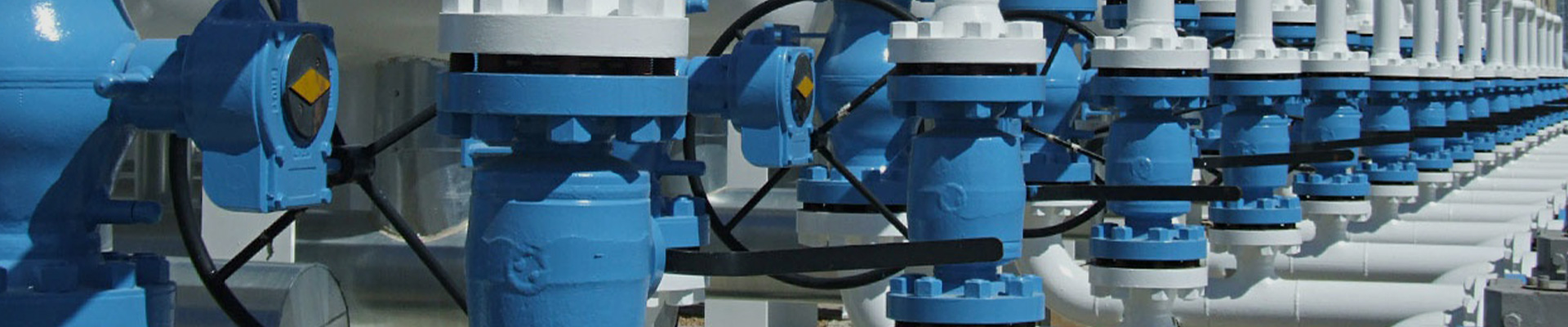
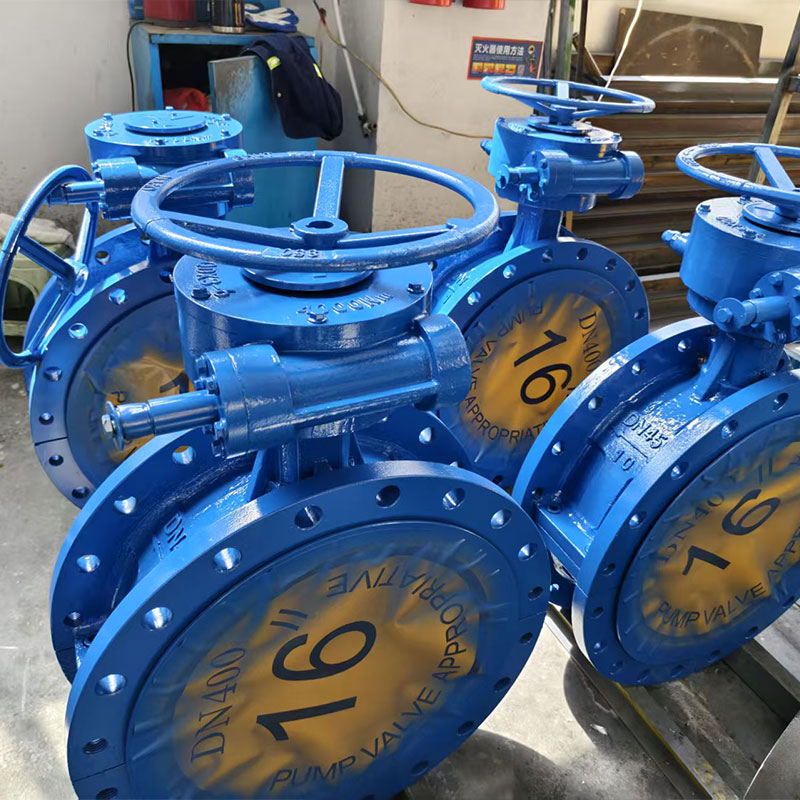
Controlling the flow of liquids and gases in pipelines requires precision, reliability, and adaptability. Among various valve types, the ANSI Butterfly Valve has become a widely used solution in industries ranging from water treatment to chemical processing. Its combination of compact design, ease of operation, and adherence to standards makes it a practical choice for managing fluid systems efficiently.
An ANSI Butterfly Valve is a type of quarter-turn valve where a rotating disc regulates the flow of fluid through a pipe. The "ANSI" designation indicates compliance with the American National Standards Institute, ensuring uniformity in dimensions, pressure ratings, and materials. This standardization simplifies maintenance, replacement, and compatibility across systems.
The valve operates by rotating a disc perpendicular or parallel to the flow, allowing for quick opening or closing. Its simple design reduces moving parts, lowering the risk of mechanical failure and facilitating faster installation compared to more complex valve types.
One of the key benefits of the ANSI Butterfly Valve is its versatility. It can handle a range of fluids, including water, air, oil, and certain chemicals. Many industries choose this valve because it balances performance and cost-effectiveness. Its relatively lightweight design compared to gate or globe valves also reduces stress on piping systems, which can be crucial in large-scale operations.
The valve's quarter-turn operation allows for rapid flow adjustments, which is valuable in processes requiring precise control. In addition, compact construction makes it suitable for installations where space is limited or weight constraints exist, such as on elevated pipelines or mobile systems.
ANSI Butterfly Valves are built to withstand demanding environments. Materials vary depending on the application, including stainless steel, carbon steel, and resilient rubber linings. These materials offer resistance to corrosion, wear, and chemical exposure, ensuring reliable operation over time.
Sealing systems in the valve are also designed to prevent leakage. Whether it is a concentric or eccentric design, the valve maintains consistent sealing under fluctuating pressure, which reduces maintenance needs and downtime in critical systems.
A significant advantage of the ANSI Butterfly Valve is its standardized design. Compliance with ANSI dimensions allows operators to replace components or upgrade valves without extensive modifications to pipelines. Maintenance often involves minimal disassembly, thanks to accessible stems and modular components.
Standardization also supports interoperability across systems. Industrial facilities with multiple piping networks can implement ANSI Butterfly Valves in different locations with confidence, knowing that replacement parts will fit correctly and perform as expected.
The valve's efficiency extends beyond installation and maintenance. By offering precise flow control with minimal energy loss, ANSI Butterfly Valves contribute to reduced pumping requirements. This can lower operational costs and improve overall system sustainability.
Furthermore, valves designed for automation can integrate with electronic actuators, allowing remote or automatic adjustments. This is particularly useful in large-scale industrial processes where manual control is impractical.
In summary, the ANSI Butterfly Valve combines simplicity, durability, and adaptability to meet diverse industrial needs. Its design allows for efficient flow control, reduced installation complexity, and reliable operation under a variety of conditions.
By adhering to ANSI standards, these valves offer confidence in performance and compatibility. From water treatment plants to chemical processing facilities, the ANSI Butterfly Valve continues to play an essential role in modern pipeline management, providing industries with a practical solution for controlling the movement of fluids safely and effectively.