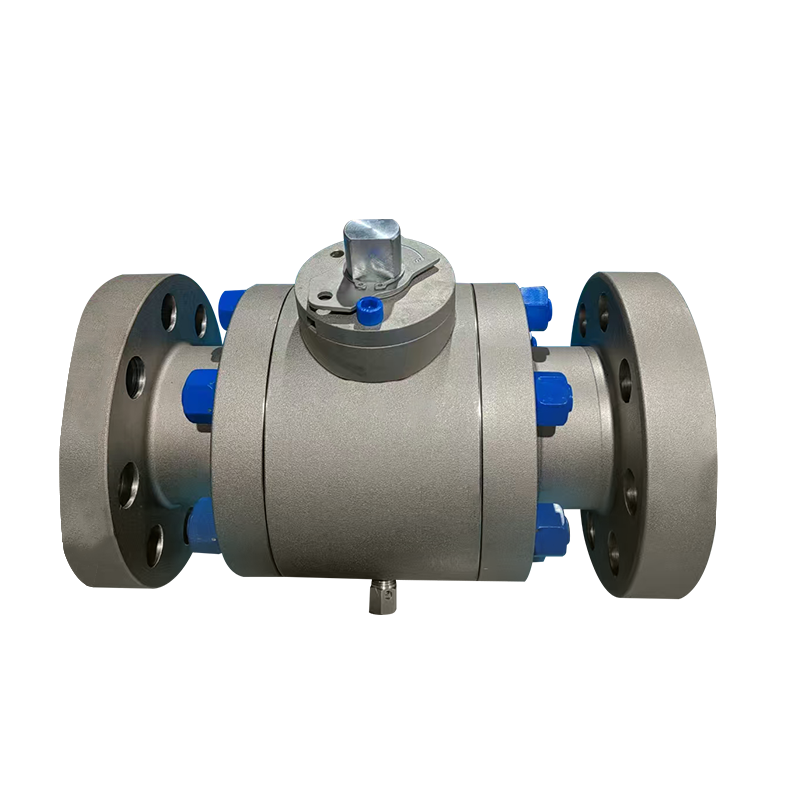
Choosing a valve for a piping system may seem genuinely straightforward until the actual application introduces questions about fluid type, operating conditions, installation space, control needs, maintenance, and expected service life. Ball Valve Selection should therefore begin with the way the valve will actually get used, rather than with appearance or a single product feature that catches the eye.
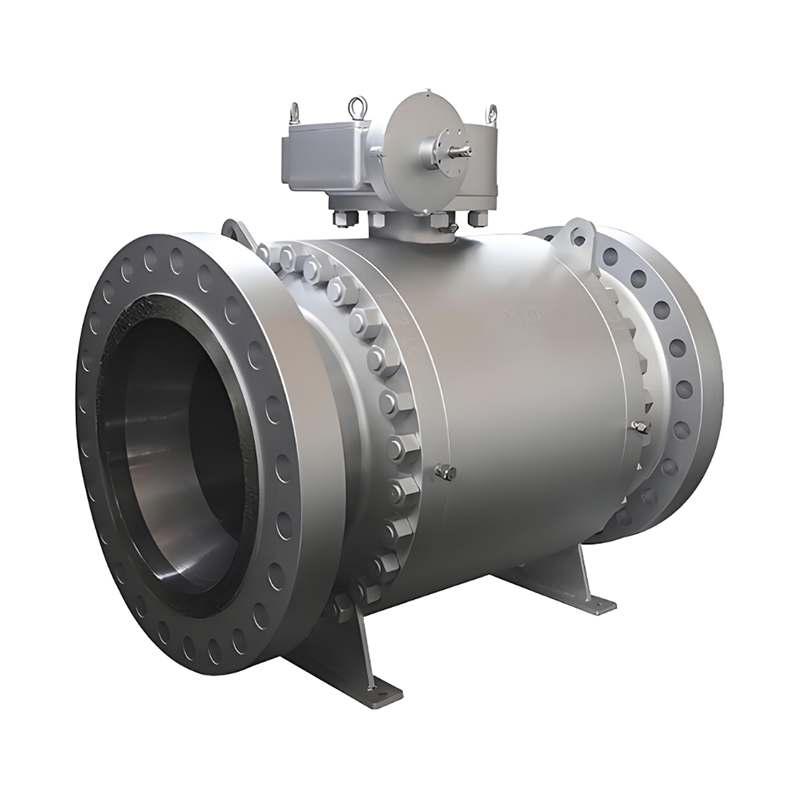
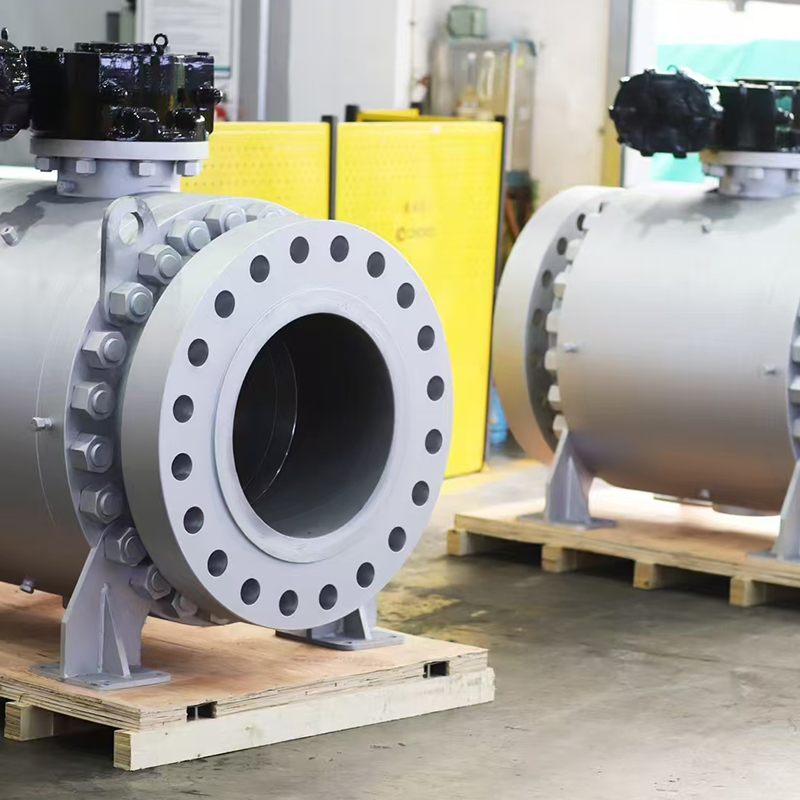
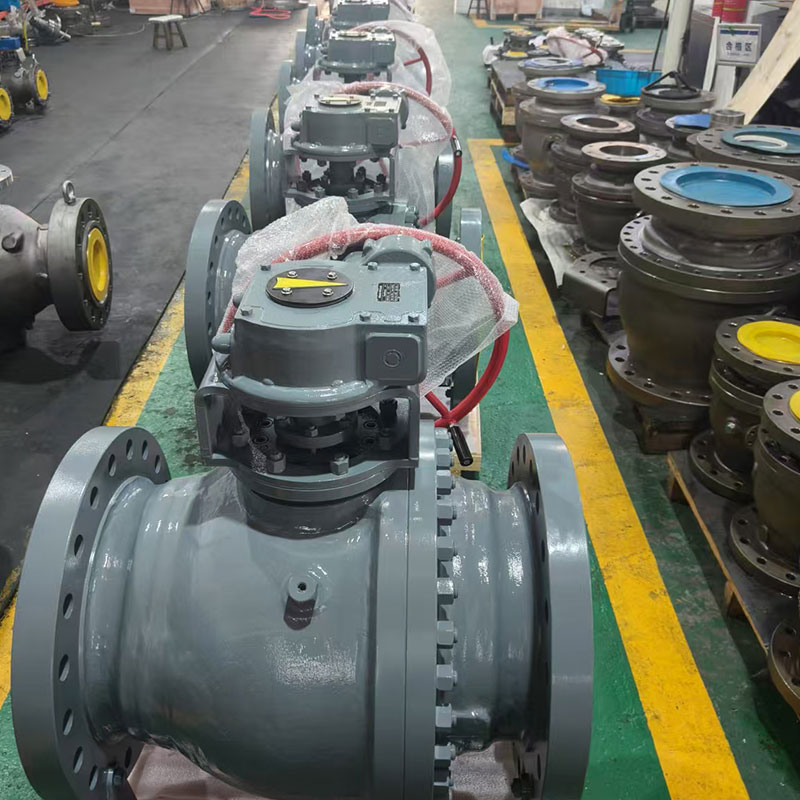
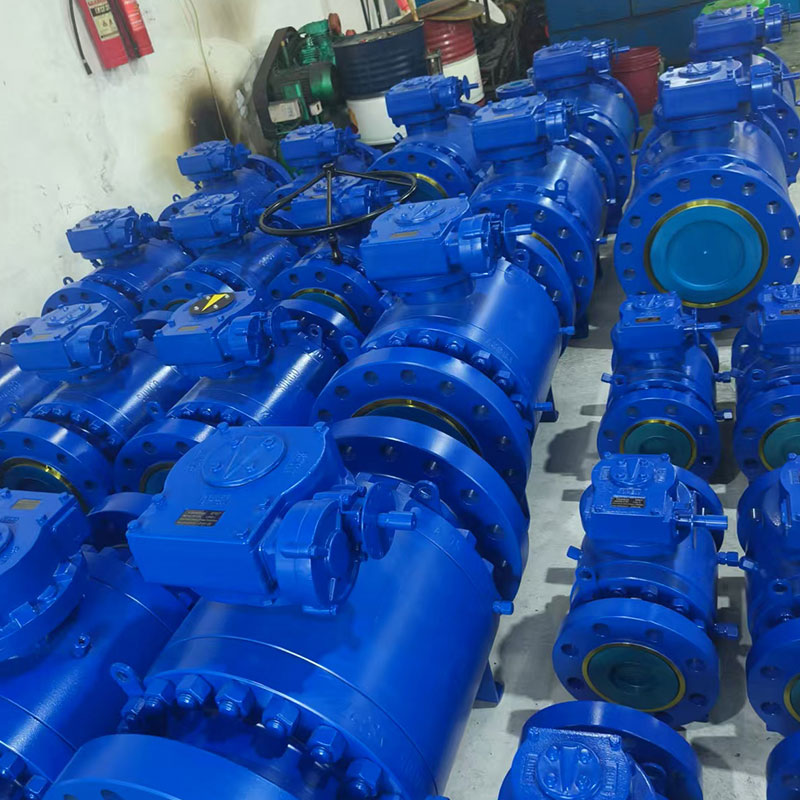
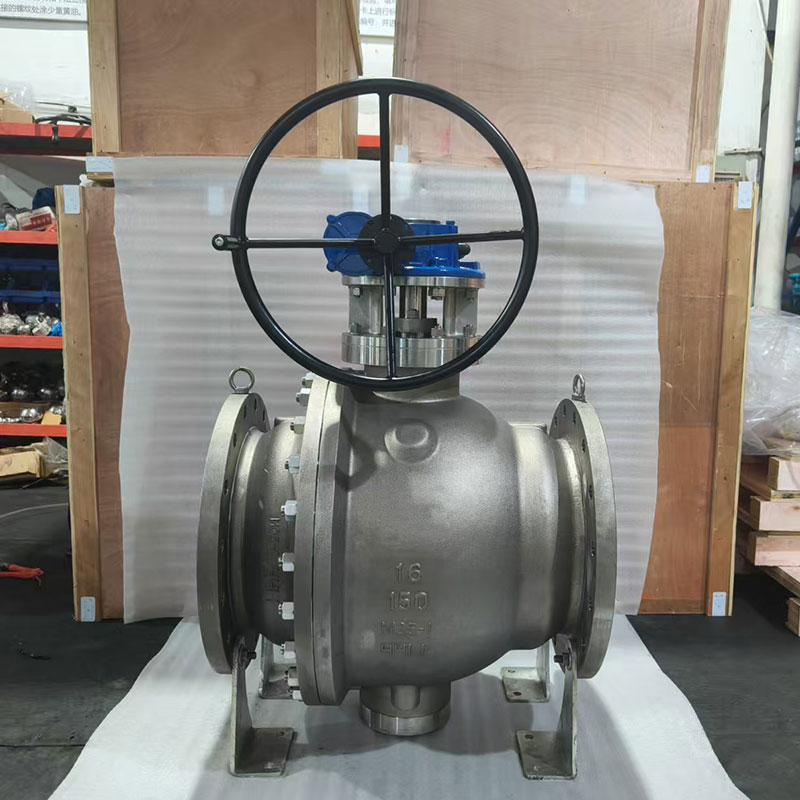
A ball valve uses a rotating ball with an internal passage to control whether fluid can move through the valve, making its basic operating action relatively simple while still requiring genuinely careful product matching behind the scenes. Understanding the Ball Valve Function helps buyers connect the valve design with the needs of the system where it will get installed.
The choice can also vary quite a bit between a water ball valve used in a general distribution system and a valve intended for a genuinely more demanding industrial application down the line.
What Is the Basic Ball Valve Working Principle?
The ball valve working principle rests on a ball positioned inside the valve body that rotates to control the flow path running through it. When the internal passage aligns with the connected pipe, fluid can pass through the valve freely, while rotating the ball changes the position of the passage and restricts that path instead.
This simple movement gives the valve a genuinely clear relationship between handle position and flow condition that operators can rely on.
Valve Position
General Function
Open position
Allows fluid to pass
Closed position
Stops normal flow
Intermediate position
Changes the flow path
The exact suitability of a ball valve depends on the application it's serving, so understanding this basic operation is only one part of the genuinely larger selection process.
Why Does Ball Valve Function Matter During Selection?
The Ball Valve Function determines how the product fits into the wider piping arrangement it's joining. A valve used mainly for opening and closing a line may have genuinely different requirements from one placed where regular adjustment gets expected throughout the day.
Buyers can therefore consider what the valve needs to accomplish before examining individual product details in a catalog.
Application Need
Selection Consideration
Flow isolation
Reliable opening and closing
Equipment maintenance
Convenient shutoff access
Water distribution
Suitable body and sealing arrangement
Process connection
Compatibility with the surrounding system
Frequent operation
Practical handle or actuator arrangement
Thinking about function in this way can prevent buyers from selecting a valve based on one attractive feature while overlooking the actual job it genuinely needs to perform once installed.
How Does Fluid Type Affect Ball Valve Selection?
The fluid moving through the valve has a genuinely direct relationship with material and sealing choices made during manufacturing. Water, air, oil, and other fluids can interact genuinely differently with the valve body and internal sealing components, so the product should be suitable for the intended medium from the outset.
A water ball valve may prove appropriate for water distribution applications running through a building, while other fluid systems may require genuinely different material considerations entirely. Buyers should check the manufacturer's stated application range, rather than assuming one valve design can get used for every type of fluid without issue.
The condition of the fluid can also matter here because suspended particles or other characteristics may influence how the valve gets maintained during service over its working life.
Why Do Pressure Conditions Matter in Ball Valve Selection?
Pressure is another genuinely important factor because the valve must suit the conditions within the piping system it's joining. A low-pressure ball valve may get designed for applications with relatively modest operating demands, while a valve intended for higher operating pressure may require a genuinely different construction underneath.
A high-pressure ball valve should get selected according to the manufacturer's stated operating conditions and the requirements of the system it's entering.
Pressure Consideration
Buyer Question
Normal operating condition
What pressure will the valve experience?
Changing conditions
Can operating conditions vary during use?
Installation environment
Does the valve suit the surrounding system?
Product rating
Does the manufacturer's information match the application?
The purpose isn't choosing a valve simply because its pressure capability sounds substantial on paper, but matching the product with the actual service conditions it will face day to day.
How Does Temperature Influence Valve Choice?
Temperature can affect materials, seals, and the way the valve behaves during operation over time. A valve used with relatively cool water may face genuinely different material demands from one installed in a system carrying a warmer fluid throughout its run.
Temperature can also change the behavior of sealing materials, which makes application compatibility genuinely important to check beforehand. Buyers should therefore review the manufacturer's temperature guidance before selecting a valve for a particular system.
A suitable product should correspond with the fluid temperature and the surrounding operating environment, rather than getting selected from pressure considerations alone without checking both factors together.
What Material Should Be Considered for a Ball Valve?
The valve body and internal components can get produced from different materials, with each option offering characteristics suited to particular applications and environments. Material selection should consider the fluid, surrounding environment, expected handling, and compatibility with connected components already in place.
For water-related applications, buyers may look at materials commonly used for water service in that region, while other environments may require a genuinely different approach entirely.
Material Consideration
Why It Matters
Fluid compatibility
Helps match the valve with the medium
Surrounding environment
Considers exposure around the installation
Mechanical handling
Relates to normal installation and use
Connection compatibility
Helps integrate the valve with nearby components
Maintenance needs
Influences long-term handling
Material should therefore get considered as part of the complete valve design, rather than as an isolated purchasing feature checked off a list.
How Does Connection Type Affect Ball Valve Selection?
The connection between the valve and the piping system affects both installation and future maintenance work down the line. Different systems may use threaded, flanged, welded, or other connection arrangements depending on how they were originally designed.
The valve connection needs to correspond with the surrounding pipework and available installation method already in place. A mismatch can create genuinely unnecessary installation work or require additional components just to make things fit.
Before purchasing, buyers can check the existing connection arrangement, available space, installation direction, and accessibility around the valve. Connection selection proves particularly important when replacing an existing valve, because the surrounding piping may already determine what type of connection can get used conveniently.
Why Does Valve Size Matter for Installation?
Valve size needs to correspond with the surrounding piping and the intended flow arrangement it's serving. A product that doesn't fit the existing pipe connection may require changes to the installation, while a suitable size can make integration genuinely more straightforward from the start.
Size also affects how much physical space the valve occupies once it's in place. This matters when the valve gets installed inside a cabinet, near other equipment, beneath a work surface, or within a crowded mechanical area with little room to spare.
Buyers should therefore consider both connection compatibility and physical installation space, rather than looking at size as a standalone specification disconnected from the actual site.
What Should Buyers Know About Valve Handle Design?
The handle is the part that allows users to operate many manually controlled ball valves throughout a normal workday. Its shape, position, and movement can affect how genuinely easily the valve can be opened or closed during normal use.
A handle should have enough surrounding space for operation without interfering with nearby pipes, equipment, or structural elements crowding the area. For installations that require frequent access, handle placement can become particularly important to get right.
A clear operating area also makes it genuinely easier for maintenance personnel to understand the valve position during routine work on the system.
How Does Installation Space Influence Ball Valve Selection?
A valve can be suitable for the piping system but still create genuine difficulties if there isn't enough space around it once installed. The surrounding area should allow room for installation, handle movement, inspection, and maintenance without cramping.
This proves particularly relevant in compact equipment where several components share the same working area side by side.
Installation Factor
Practical Question
Pipe spacing
Is there enough room around the connection?
Handle clearance
Can the valve be operated comfortably?
Access
Can the valve be reached when needed?
Nearby equipment
Will other components interfere?
Maintenance space
Can inspection be carried out conveniently?
Considering the installation environment before purchase can genuinely reduce problems during fitting and later service down the road.
Why Does Sealing Matter in Ball Valve Selection?
Sealing components help control the movement of fluid around the internal valve structure as it operates. Their suitability depends on factors such as fluid type, temperature, pressure, and the intended operating environment surrounding the installation.
Different sealing materials may behave genuinely differently under different conditions, so buyers should follow the manufacturer's compatibility information closely rather than guessing. The condition of the sealing components can also influence maintenance requirements over the valve's working life.
A valve intended for repeated use should therefore get considered as a complete assembly, rather than judged only by the outer body visible from outside.
What Makes a Durable Ball Valve Suitable for Long-Term Use?
A Durable Ball Valve isn't defined by one material or one structural feature standing alone. Long-term usability can depend on the interaction between the valve body, internal components, seals, connections, handle, and the environment where the product gets installed.
Regular operation can place repeated demands on moving parts over months and years of service. Unsuitable fluid or installation conditions may create additional challenges beyond normal wear, while maintenance practices also influence how the valve performs over time.
Long-Term Consideration
Relevance
Material compatibility
Supports suitable application use
Structural design
Relates to repeated handling
Sealing arrangement
Supports normal flow control
Connection quality
Helps maintain system integration
Maintenance access
Makes inspection more practical
Durability should therefore get evaluated in relation to the intended application, rather than treated as a universal product characteristic that applies everywhere equally.
How Does Operating Frequency Affect Valve Choice?
Some valves may remain in one position for genuinely long periods without ever moving, while others get opened and closed regularly throughout a shift. Frequent operation can place genuinely different demands on the handle, internal ball, and sealing components compared to occasional use.
If a valve will get used often, buyers should review the manufacturer's guidance for operating frequency and maintenance closely. For occasional isolation instead, ease of access and installation compatibility may receive genuinely more attention during the selection process.
The expected operating routine should therefore form part of the selection process from the very beginning.
When Is a Manual Ball Valve Suitable?
Manual ball valves can prove useful when operators need direct control over the opening and closing of a line without relying on automation. Their straightforward operation can make them suitable for systems where a person can safely reach the valve when adjustment or isolation gets needed.
Manual operation also avoids the need for additional control equipment in applications where automated operation isn't required in the first place. The decision depends on the installation and the way the system genuinely gets operated day to day.
If the valve proves difficult to reach or needs to respond automatically to changing conditions, buyers may need to consider a genuinely different operating arrangement instead.
When Should Buyers Consider an Actuated Ball Valve?
An actuated arrangement can allow a valve to get operated through a connected control system, rather than only by hand at the physical location. This can prove useful where valves sit positioned in difficult-to-reach areas or where the system requires coordinated operation across multiple points.
The choice should reflect the actual control requirements, rather than adding automation without a clear purpose behind it. Buyers should consider available space, control requirements, maintenance access, and compatibility between the valve and the chosen operating system before committing.
This makes the operating method another part of Ball Valve Selection worth thinking through carefully.
What Role Does Maintenance Play in Valve Selection?
Maintenance becomes genuinely easier when the valve can be reached, inspected, and handled without unnecessary disruption to nearby equipment sharing the space. A valve installed in an accessible position may prove genuinely easier to check than one surrounded by other components crowding it in.
Cleaning, inspection, sealing component replacement, and general operating checks can all get influenced by the installation arrangement chosen at the start. Buyers should therefore think about maintenance before installation, rather than treating it as a later concern to solve once problems appear.
A practical maintenance plan can also help users identify when a valve is no longer operating as expected before it becomes a bigger issue.
How Can Buyers Compare Different Ball Valve Products?
Product comparison becomes genuinely clearer when buyers divide the decision into several practical areas rather than judging everything at once. A simple purchasing checklist can start with application, identifying the fluid and the intended use it's serving.
Operating conditions deserve review next, checking pressure and temperature requirements against the manufacturer's ratings. Connections need checking too, confirming compatibility with the existing piping arrangement already installed.
Installation matters as well, considering available space and access around the site. Operation needs deciding, choosing whether manual or automated control fits the system better. Maintenance rounds out the checklist, considering how easily the valve can be inspected and serviced going forward. Durability closes the list, reviewing whether the construction suits the expected operating routine over its service life.
This approach keeps the selection process genuinely connected to the actual system, rather than focusing on one product characteristic in isolation.
How Can Ball Valve Selection Support Different Water Systems?
Water systems can vary genuinely considerably in layout and purpose, even when the basic fluid stays the same throughout. A valve used in a household distribution line may have genuinely different requirements from one installed in a larger facility or equipment system running at scale.
A water ball valve should therefore get considered according to its intended application, connection arrangement, operating conditions, and maintenance environment it will face. Buyers should also consider where the valve will get positioned and how often it will need operating throughout its service life.
The surrounding pipework, available space, and access route can all influence which product proves genuinely practical for that particular installation.
What Should Buyers Check Before Ordering a Ball Valve?
A purchasing decision becomes genuinely easier when the important questions get answered before the order goes in. Buyers can review whether the valve suits the intended medium, and whether the product suits the operating pressure condition it will face.
Checking whether the material arrangement suits the expected temperature matters too, alongside confirming the connection matches the existing piping already in place. Whether there's enough room for fitting and operation deserves attention, along with whether manual or automated operation is actually required for the application.
Whether the valve can be reached and serviced easily rounds out the practical checks, along with whether the construction fits the expected use over time.
Selection Area
Check Before Purchase
Fluid
Is the valve suitable for the intended medium?
Pressure
Does the product suit the operating condition?
Temperature
Is the material arrangement suitable?
Connection
Does it match the existing piping?
Installation space
Is there enough room for fitting and operation?
Control method
Is manual or automated operation required?
Maintenance
Can the valve be reached and serviced?
Service conditions
Does the construction fit the expected use?
Clear answers to these questions can help buyers genuinely narrow their choices while keeping the decision tied to the actual needs of the system they're installing into.

 русский
 عربى
عربى