Home / News / Industry News / How Does Ball Valve for Water Fit Different Distribution Networks
How Does Ball Valve for Water Fit Different Distribution Networks
Posted by Admin | 22 Sep
Water distribution networks can look genuinely different from one building or facility to another, much like the wiring behind a wall differs between a small apartment and a sprawling office tower. A home may have a relatively simple pipe arrangement, while a commercial building can have several branches serving different rooms and floors at once. Industrial facilities may use genuinely more complex layouts where water moves between production areas, storage points, and service systems throughout the day.
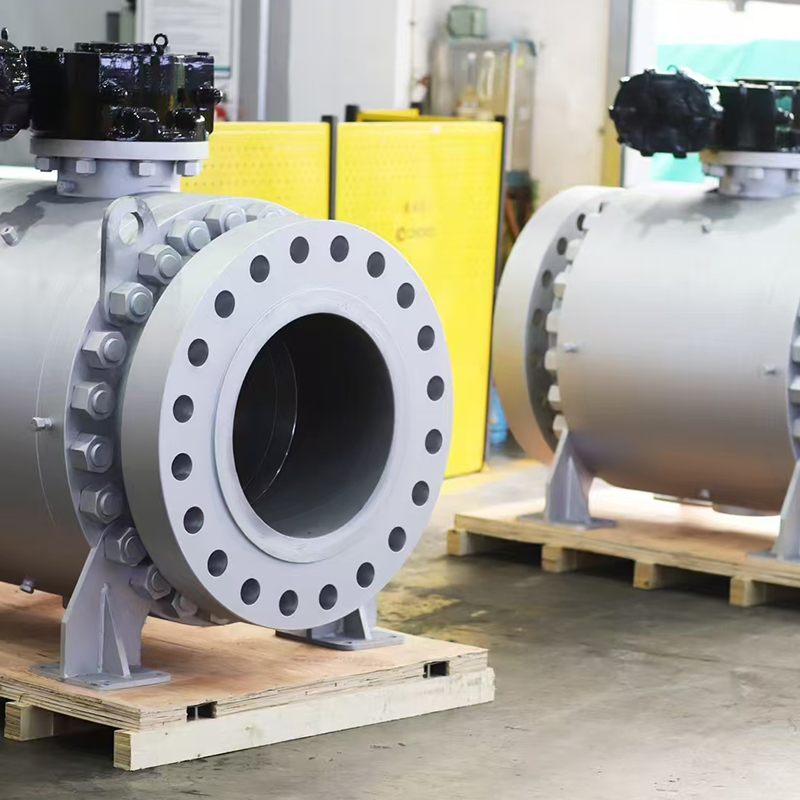
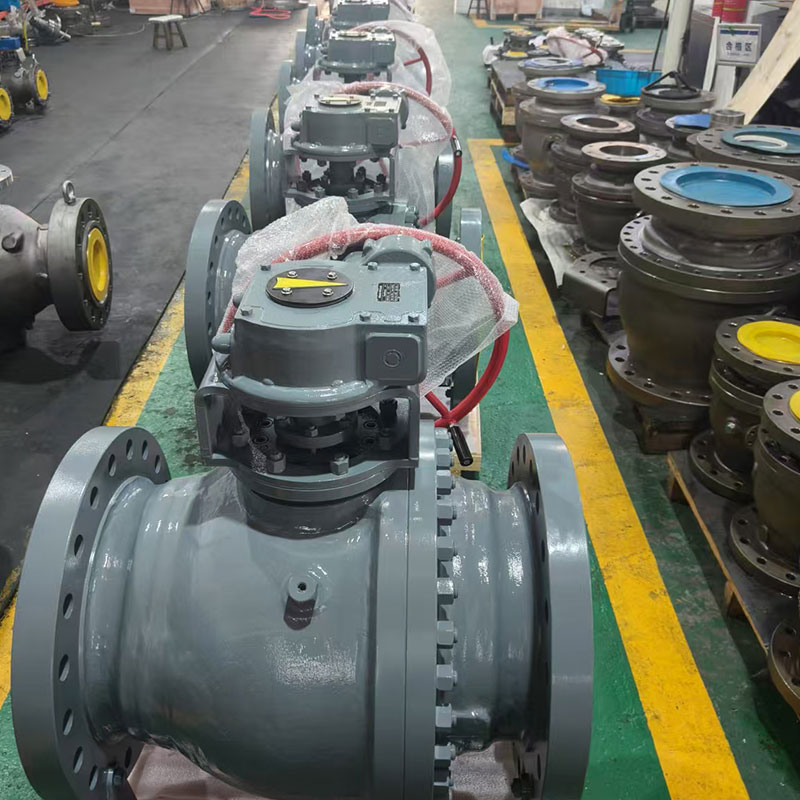
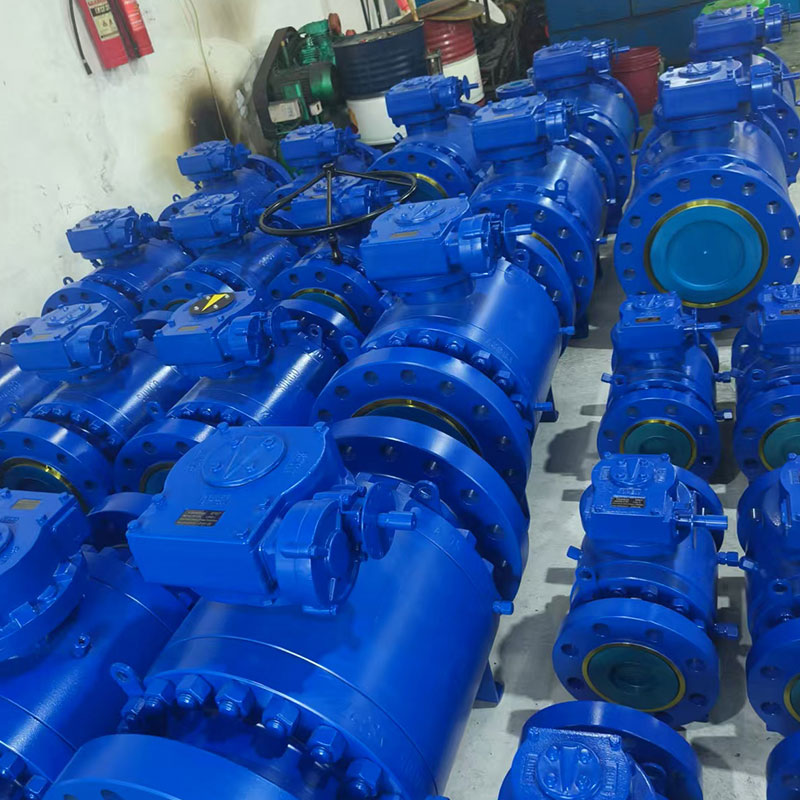
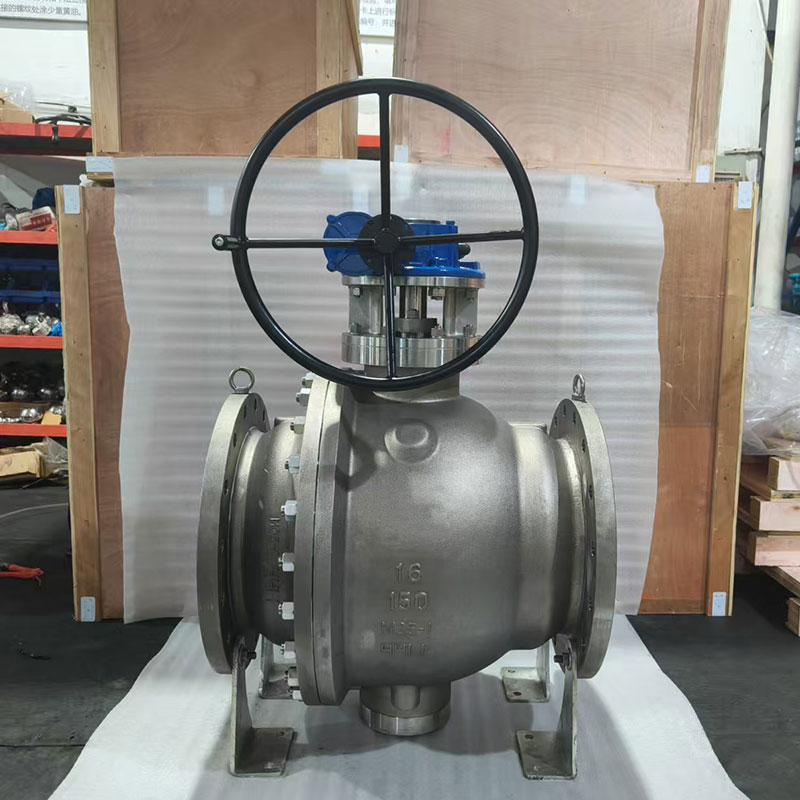
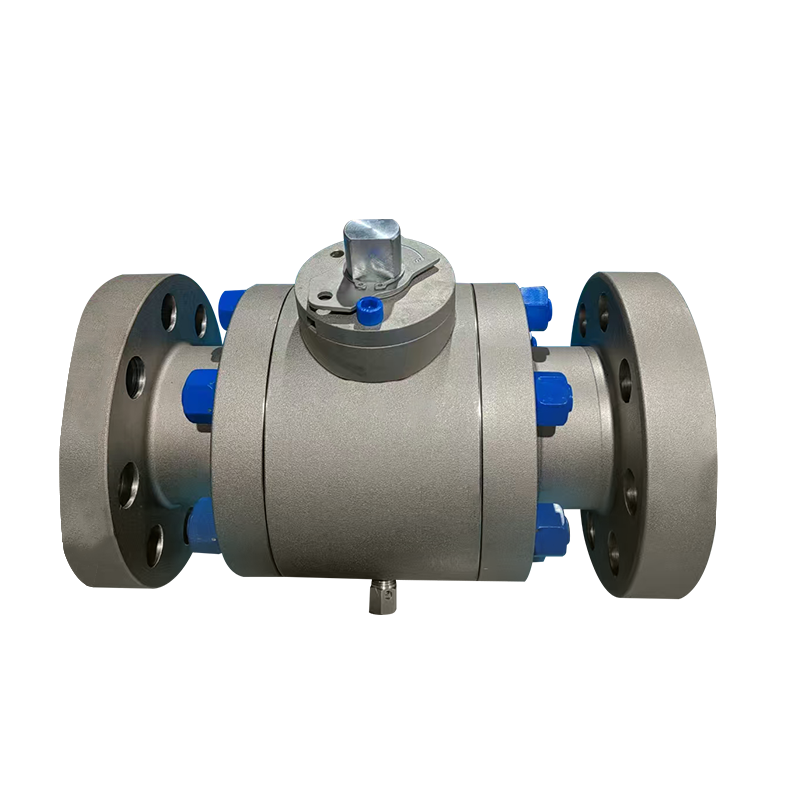
A Ball Valve for Water can serve as a control point within these different networks. Its role usually stays connected with starting, stopping, or isolating water flow in a selected section of pipe. The way the valve fits the network depends on the pipe layout, access conditions, water use, and maintenance needs specific to that site.
For engineers and project planners, valve selection is therefore closely related to the overall distribution design as a whole. Looking at the valve as part of the network, rather than as an isolated component, can make the installation genuinely easier to plan and maintain over its working life.
Why Does Valve Placement Matter in Water Distribution Networks?
A water network is made up of genuinely connected sections, rather than a single continuous pipe running end to end. Each branch may serve a different purpose, and some areas may need to remain in service while another section is being inspected or repaired nearby.
A valve can create a genuine control point between these areas. When positioned in a suitable location, it can help isolate part of the network, without requiring the entire system to be shut down for one small repair.
Network Area
Possible Valve Role
Main supply line
Controls a major water section
Branch pipe
Isolates a specific distribution path
Equipment connection
Allows equipment-side isolation
Building floor
Supports local maintenance
Outdoor supply
Separates external and internal piping
Placement should also consider whether the valve can genuinely be reached whenever maintenance is required down the line. A valve hidden behind permanent structures may prove genuinely difficult to operate, even if its position looks logical on a drawing spread across a desk. Good network planning therefore considers both water movement and physical access together, rather than treating them as separate questions.
How Does a Ball Valve for Water Fit Residential Supply Networks?
Residential water systems usually contain several branches that serve different fixtures and areas throughout the home. Water may move from the incoming supply toward kitchens, bathrooms, utility spaces, and outdoor connections scattered across the property.
A Ball Valve for Water can get used at selected points to separate these branches from one another. This can make it genuinely easier to isolate one area whenever a fitting, pipe section, or appliance needs attention, without shutting off water to the whole house.
A home, for example, may have separate pipe routes for different rooms. A valve placed near a branch can allow that section to get controlled, without affecting unrelated parts of the house sitting elsewhere.
Residential Layout
Valve Planning Consideration
Simple single-branch layout
Central isolation point
Multi-room distribution
Branch isolation
Separate outdoor line
External section control
Utility area with appliances
Local equipment isolation
Multi-level home
Floor or zone isolation
Access remains genuinely important in residential applications, regardless of how tidy the layout looks on paper. A valve should get positioned where occupants or maintenance personnel can reach it, without unnecessary disruption to the rest of the home.
What Changes in Commercial Building Water Networks?
Commercial buildings often have genuinely more rooms, users, and distribution branches than residential properties typically do. Offices, retail spaces, hotels, schools, and other facilities may have several areas that need water at the same time throughout the day.
A valve network can help divide the building into genuinely manageable sections. This can prove useful whenever maintenance takes place in one area while other sections continue normal operation uninterrupted.
A Durable Ball Valve may get considered where valves are expected to experience regular operation or remain installed for long periods without replacement. Durability in this context stays connected with the valve's construction, handling, installation conditions, and maintenance practices over time.
Commercial layouts can include vertical risers alongside horizontal branch lines, service zones, and equipment connections. Separate floor distribution and outdoor plus indoor supply routes round out the typical arrangement.
The valve arrangement should follow the building's actual pipe structure closely. A design that works fine in a small office may need genuine reconsideration for a larger building with several independent water zones running through it.
How Can Ball Valves Work With Branch Pipe Layouts?
Branching is genuinely common in water distribution systems. A main pipe carries water toward several smaller routes, and each branch may serve a genuinely different area of the facility.
The position of a valve can influence how easily these branches actually get controlled once installed. A valve placed before a branch can affect the entire downstream section, while a valve placed on an individual branch can isolate only that specific route.
This creates genuinely different control possibilities depending on placement.
Valve Position
Area Affected
Before several branches
Multiple downstream sections
On one branch
Individual branch
Near an appliance
Connected equipment
Near a terminal area
Local water section
Engineers need to understand the intended isolation area before deciding exactly where a valve belongs in the layout. The physical size of the pipe is only one part of that decision, not the whole picture. The layout should also leave enough space for operation and future service work down the road.
How Does a Ball Valve for Water Fit Loop Distribution Networks?
Some distribution networks use loop arrangements, rather than relying entirely on a single path from source to fixture. Water can move through connected sections, creating a layout with several possible routes available at once.
A Ball Valve for Water can help divide the loop into genuinely manageable sections. Closing selected valves can separate a section whenever maintenance is required, without disrupting the rest of the loop.
This type of arrangement can prove genuinely useful where continuous service matters a great deal. Valve placement, though, needs to match the way water is actually expected to move through the network, rather than following a generic template.
The engineer needs to understand which sections should remain connected and which areas need isolation during different maintenance situations that might arise. A valve that appears useful on its own may have a genuinely different effect once it gets considered within the complete loop as a whole.
What Role Does a Corrosion Resistant Ball Valve Play in Water Systems?
Water distribution equipment can encounter moisture throughout its service life, regardless of how carefully it gets installed. The surrounding environment can also influence material selection, particularly in areas with high humidity, outdoor exposure, or other conditions that may contribute to corrosion over time.
A Corrosion Resistant Ball Valve can get considered whenever the installation environment makes material resistance a genuinely important part of valve selection.
The focus should remain on matching the valve construction with the actual application at hand. Different locations may create genuinely different environmental demands worth accounting for.
Installation Environment
Material Consideration
Indoor building
Normal moisture exposure
Damp utility area
Regular contact with humid surroundings
Outdoor pipe route
Weather exposure
Industrial facility
Surrounding operating conditions
Service area
Cleaning and maintenance environment
Corrosion resistance isn't a substitute for suitable installation and maintenance practices, worth noting clearly. The valve still needs proper selection and installation according to the actual conditions of the network it serves.
How Do Industrial Water Pipelines Differ From Building Systems?
Industrial water networks can serve a genuinely wider range of functions than a typical building system. Water may get used for processing, cleaning, cooling, equipment service, or general facility needs across different departments.
These networks can contain genuinely long pipe routes, multiple branches, storage connections, and equipment points scattered throughout a plant. The valve arrangement therefore needs to reflect how the facility actually operates day to day.
A Durable Ball Valve may prove suitable for selected industrial locations where regular operation and repeated isolation form part of normal maintenance work.
Industrial pipe layouts may include main distribution lines serving several areas at once, alongside branches leading toward individual process sections. Equipment-side connections matter too, along with utility lines serving separate facility functions. Drainage or service sections that require isolation round out the typical structure.
Each valve has a genuinely specific place within this structure, rather than a generic slot. Engineers can evaluate the function of the pipe section, expected access requirements, and surrounding conditions when planning the installation carefully.
How Does Pipe Direction Influence Valve Installation?
Pipe direction can genuinely change how a valve gets positioned and accessed once installed. Horizontal and vertical routes may both appear within the same distribution network, especially in buildings with several floors or areas stacked on top of each other.
A valve should fit naturally into the available pipe space, while leaving room for operation and service work later on. The surrounding structure also matters quite a bit in this equation.
A valve on a vertical riser, for example, may need placement where maintenance personnel can safely reach it without awkward positioning. A valve inside a ceiling or service area may require genuinely different access planning altogether.
This is exactly why valve selection and pipe routing shouldn't get treated as completely separate design tasks handled by different people. The valve needs to fit the physical network, as well as the intended water control function it's meant to serve.
Can Ball Valves Support Different Water Distribution Zones?
Dividing a water network into zones can make maintenance planning genuinely more manageable for the team responsible. Each zone may serve a different floor, building section, outdoor area, or group of equipment within the larger facility.
A Ball Valve for Water can provide a genuine isolation point between these zones. The actual arrangement depends on the network design and the level of control required for that particular site.
A commercial building, for example, may separate water distribution by floor. A larger facility may divide its network according to different operating areas instead.
Distribution Zone
Possible Application
Residential section
Room or fixture supply
Office zone
Floor or workspace distribution
Service zone
Utility connections
Industrial area
Equipment or process supply
Outdoor zone
Garden or external service line
Zoning also affects maintenance planning quite directly. If the isolation points stay clearly positioned and accessible, workers can identify the relevant section genuinely more easily when a problem comes up.
How Should Valve Access Be Considered in Pipe Layouts?
A valve is only genuinely useful for maintenance if people can actually reach and operate it when necessary. Pipe drawings may show the correct connection on paper, but the physical installation can create genuine access problems once built.
Nearby walls, ceilings, equipment, cable routes, and other pipes may restrict movement around the valve considerably. Designers should therefore examine the surrounding space before finalizing the valve location, rather than assuming the drawing tells the whole story.
The operating area should remain genuinely practical for the people responsible for inspection or maintenance on that site. This consideration applies to residential and industrial networks alike, regardless of scale.
A compact pipe layout isn't necessarily a practical one, if important control points become genuinely difficult to reach once everything is installed around them.
What Should Engineers Consider When Selecting a Durable Ball Valve?
A Durable Ball Valve should get selected according to the conditions in which it will actually operate over its service life. The valve material, connection arrangement, surrounding environment, frequency of operation, and location within the network can all affect suitability considerably.
The pipe system itself also needs careful consideration alongside the valve. A valve should correspond with the intended pipe connection and installation method used on that project.
Engineers may review water application alongside pipe layout, and installation location together with operating frequency. Maintenance access matters too, along with environmental exposure and material compatibility. Isolation requirements round out the review.
These factors stay genuinely connected to one another, rather than independent checkboxes. A valve that suits an indoor residential branch may not automatically fit an industrial outdoor installation with different demands. Selection becomes genuinely more practical once the entire distribution network gets considered together as one system.
How Can Valve Selection Support Future Maintenance?
Water networks aren't static after installation, no matter how well the initial design gets planned. Pipes may need inspection down the road, equipment may get replaced, and building spaces can change over time as needs shift.
Valve placement can influence how easily these future tasks actually get handled by whoever inspects the system later. Clearly defined isolation points can help maintenance teams understand which section needs attention without extensive tracing through drawings.
This proves particularly useful in larger commercial and industrial systems, where several pipe routes may operate at the same time across a facility. A Corrosion Resistant Ball Valve may also get considered in locations where environmental exposure forms part of the long-term maintenance plan. The material choice should match the actual conditions, rather than getting selected without reference to the installation itself.
How Can Different Distribution Networks Guide Ball Valve Selection?
Residential supply, commercial buildings, and industrial pipelines all use water distribution in genuinely different ways from one another. Their pipe layouts can include simple branches, multi-floor routes, equipment connections, loops, and separate service zones, depending on the scale and purpose of the facility.
A Ball Valve for Water can fit these networks once its position, construction, access requirements, and intended function get considered together as one connected picture. A Durable Ball Valve may suit locations where repeated operation and regular service are expected over time, while a Corrosion Resistant Ball Valve can get considered where environmental exposure affects material selection directly.
The practical task stays connecting valve selection with the actual network it serves, rather than picking a valve first and fitting it in afterward. Pipe direction, branch arrangement, access space, water use, and future maintenance all influence where a valve genuinely belongs and how it can serve the distribution system over the years ahead.

 русский
 عربى
عربى