русский
 عربى
عربى


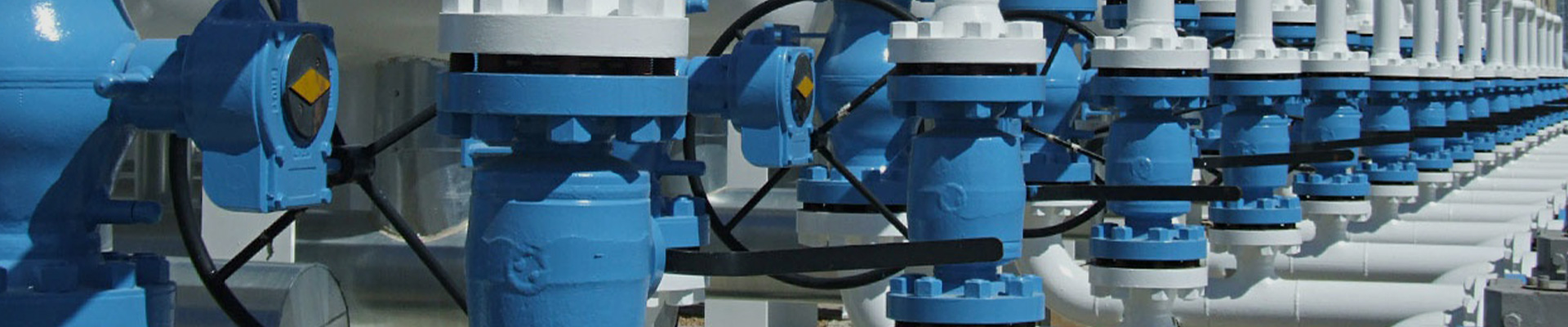
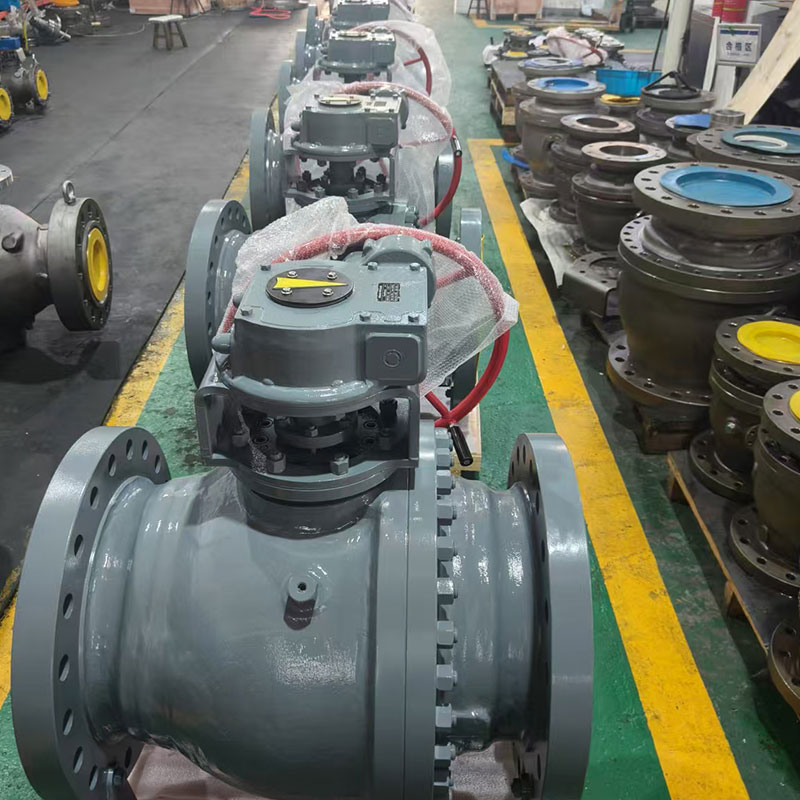
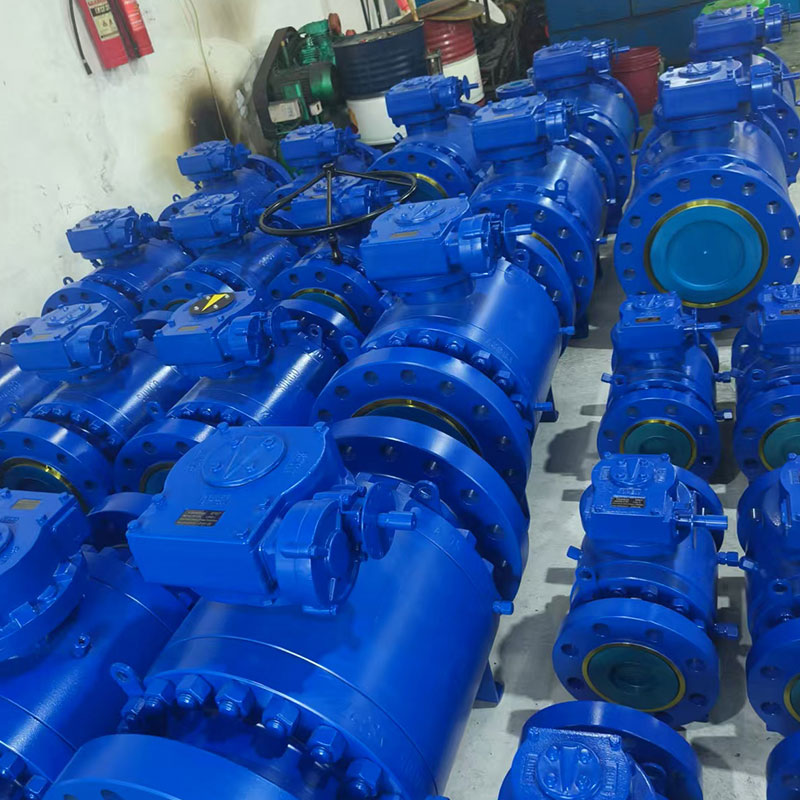
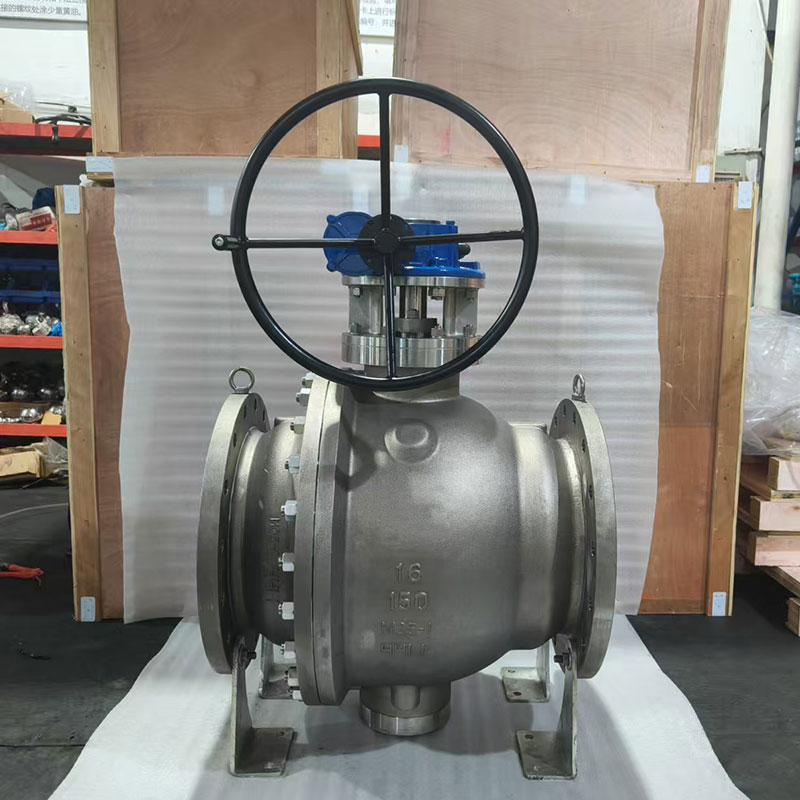
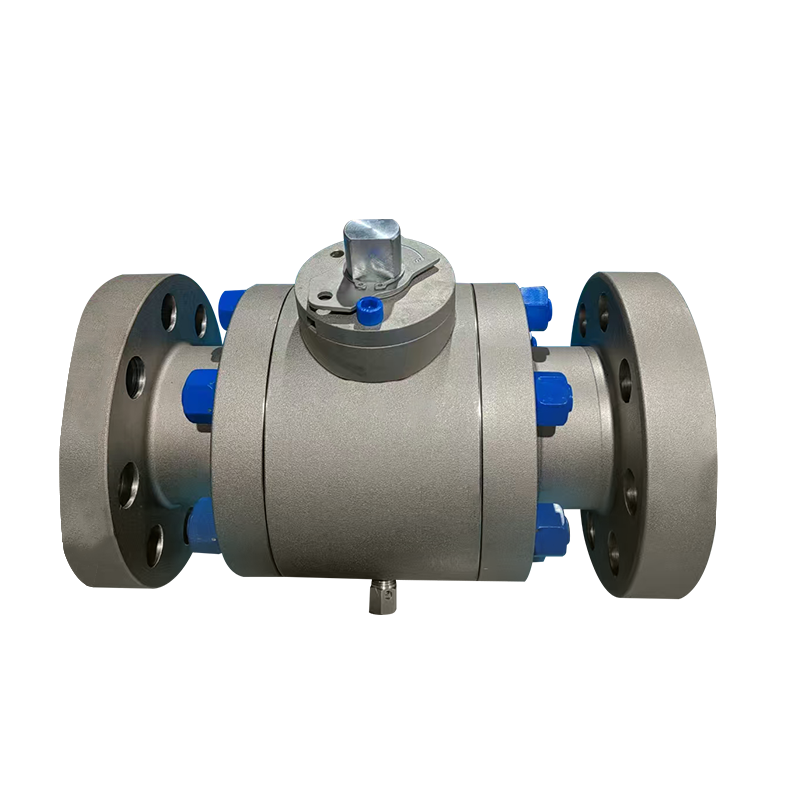
Walk through pretty much any building — a house, a warehouse, a barn with irrigation piping — and somewhere in the walls or under the floor, valves are quietly doing their job. Nobody notices them until something needs shutting off, which is honestly kind of the point. Good valves work in the background, controlling how liquids and gases move through a system without anyone having to think about it. The durable ball valve tends to come up a lot when people are planning new plumbing, replacing something old that finally gave out, or upgrading a pipeline that's been running for years. Before buying one, it helps to actually understand what's happening inside the thing — not just what it's called on a hardware store shelf. Once someone gets a handle on how it actually functions, comparing different products stops feeling like guesswork and starts making a lot more sense.
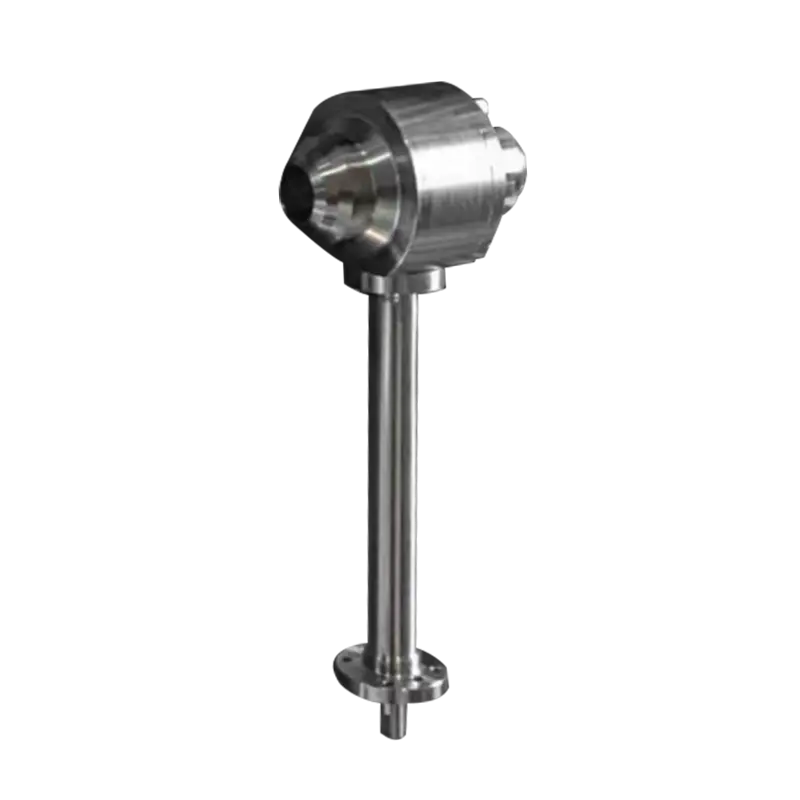
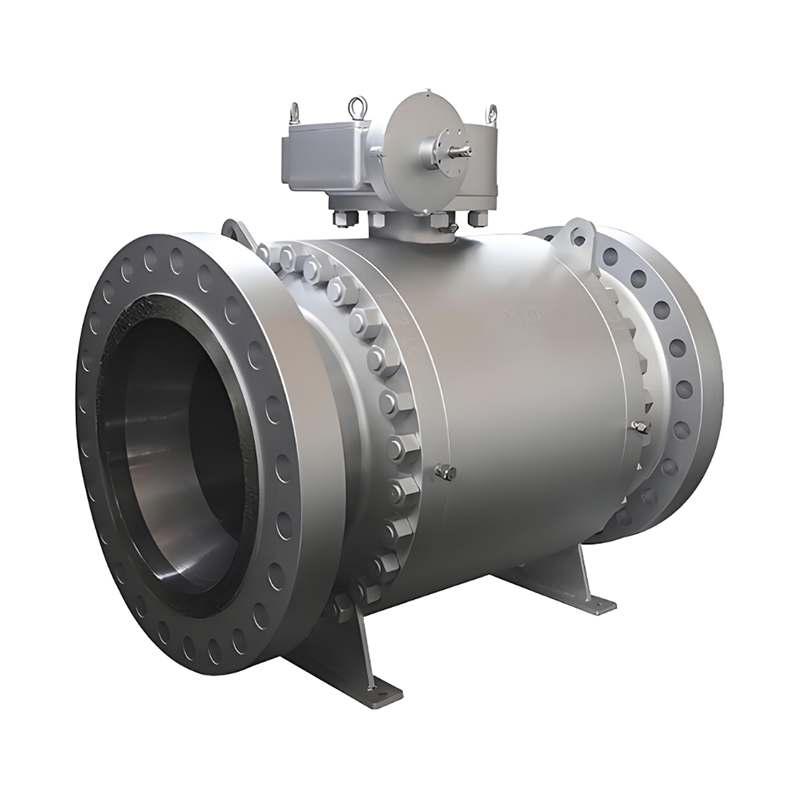
Strip away the jargon and it's a flow control device — something that starts, stops, or adjusts how liquid or gas moves through a pipe. The name comes from the ball-shaped piece sitting inside it, which is really the whole mechanism in a nutshell.
Designs shift a bit between manufacturers, sure, but the basic job stays put:
Because operating it is pretty intuitive — turn a handle, flow changes — this type of valve tends to get picked in situations where convenient control actually matters day to day.
Nothing complicated going on mechanically, honestly. There's a ball sitting inside the valve body with a hole drilled straight through its center.
Line that hole up with the direction of flow, and liquid or gas passes right through. Rotate the ball a quarter turn, and that opening no longer lines up — flow gets choked off or stopped entirely, depending on how far it's turned.
That's basically the entire trick. Simple as it sounds, this small rotation ends up managing flow across all sorts of water, air, and fluid systems.
| Valve Position | What Happens to Flow |
|---|---|
| Open | passes through freely |
| Partway turned | gets throttled to whatever degree needed |
| Closed | stops completely |
Moving between these three states covers most of what people actually need from a valve in daily use.
Flow control matters across a wide stretch of different settings, so this valve tends to wander into quite a few of them.
Common spots include:
Each of these places wants something slightly different from the same basic valve. A house mostly just needs everyday water control that doesn't fail unexpectedly. A commercial building usually involves bigger, more complex piping networks running through it. A farm irrigation system cares more about handling seasonal demand without hiccups.
Different environments, sure — but underneath all of it, the valve's doing the same rotating-ball trick regardless.
Pipeline components tend to sit in place for years, sometimes decades, without anyone giving them a second thought. That's exactly why durability becomes such a big deal — the valve keeps working whether or not somebody's paying attention to it.
How often it gets used. Some valves get turned on and off constantly as part of normal daily operation. Buying something meant to handle that kind of repeated movement saves headaches down the line.
What conditions surround it. A valve sitting indoors deals with a pretty different environment than one bolted outside, exposed to weather, temperature swings, maybe corrosion from moisture over time.
How easy future maintenance will be. Durable equipment tends to make inspection routines simpler rather than turning them into a chore. Thinking past just the installation moment — toward how the thing will actually get checked on in six months, a year, five years — tends to pay off.
Durability isn't only about what the valve's made of. It's also about whether it actually matches the conditions it's going to sit in.
Every piping setup has its own quirks, so it helps to slow down and ask a few practical questions before grabbing whatever's on the shelf.
What system is this valve actually joining? Household plumbing, farm irrigation, a commercial building, an industrial line — each one pulls different requirements out of the same basic product.
Where's it physically going? Installation spot changes how easy the valve is to reach later, what kind of weather or conditions it deals with, and how maintenance planning has to work around it.
How often will someone actually be turning it? Some setups need frequent adjustment. Others stay locked in one position for years at a stretch. Knowing which applies changes what actually matters in a valve.
Will maintenance be a hassle or not? Easy access makes routine checks simple. Skipping that consideration during installation tends to create annoying problems later, usually right when you need to shut something off in a hurry.
Working through these upfront usually beats comparing specs online for an hour.
Flow control matters across a surprisingly broad stretch of work, even though the industries themselves look nothing alike.
| Industry | Typical Job |
|---|---|
| Residential | household water systems |
| Agriculture | irrigation networks |
| Commercial | building service systems |
| Manufacturing | supporting process lines |
| Utilities | general fluid distribution |
| Facility maintenance | pipeline upkeep |
Same rotating-ball mechanism, wildly different jobs depending on where it ends up. That flexibility is really the whole reason it keeps showing up across so many unrelated projects without needing a redesign each time.
Picking a decent valve only gets you halfway there. How it gets installed matters just as much for everyday performance.
A few things worth paying attention to:
Piping arrangement around the valve ends up mattering nearly as much as the valve itself. A great valve installed badly still causes problems eventually.
Keeping a pipeline system running smoothly usually comes down to a handful of unglamorous, repeated habits.
Worth building into a routine:
Maintenance gets a lot easier when the valve was installed somewhere actually reachable in the first place. Catching small issues early — a bit of stiffness, a slow leak — usually beats discovering a bigger problem months later.
Most buyers don't just grab the first valve they see. They end up comparing a few, thinking through how each one actually fits the job at hand.
Someone focused on household plumbing cares about different things than someone setting up commercial piping or farm irrigation.
The comparison usually circles around:
Looking at these together gives a much clearer picture than just eyeballing which one looks sturdier on a shelf. Different projects pull priorities in different directions, which is exactly why this kind of upfront thinking matters.
Once someone actually gets how the ball-and-hole mechanism functions, a lot of purchasing decisions get simpler almost automatically. Knowing how that rotation controls flow makes it a lot easier to judge whether a specific valve fits the intended job, the installation spot, and whatever maintenance routine's realistic going forward. Homes, farms, commercial buildings, industrial lines — all of them depend on decent flow control somewhere in their piping. The equipment around it changes from project to project, sure, but the durable ball valve keeps doing the same basic job everywhere it lands — a small rotating mechanism quietly controlling how liquid or gas moves, fitting into whatever system happens to need it.