русский
 عربى
عربى


Somewhere behind every functioning water system — a house, a farm running irrigation lines, a factory floor humming along — there's a valve doing quiet, unglamorous work. Nobody thinks about it until it fails. Water distribution, irrigation, commercial plumbing, manufacturing lines, all of it depends on these components managing flow without drawing attention to themselves. Plenty of valve designs exist, and none of them try to do everything. The Durable Ball Valve has carved out a fairly wide following because it's straightforward to operate and fits into a lot of practical setups. Traditional valve solutions haven't gone anywhere either — they're still running plenty of systems that were built around older installation habits and haven't needed replacing. This isn't really a story about one design pushing the other out. It's more about figuring out which one actually fits a given project, a given maintenance routine, a given set of daily habits around the pipes. Looking past how something looks on a shelf tends to matter more than people expect going in.
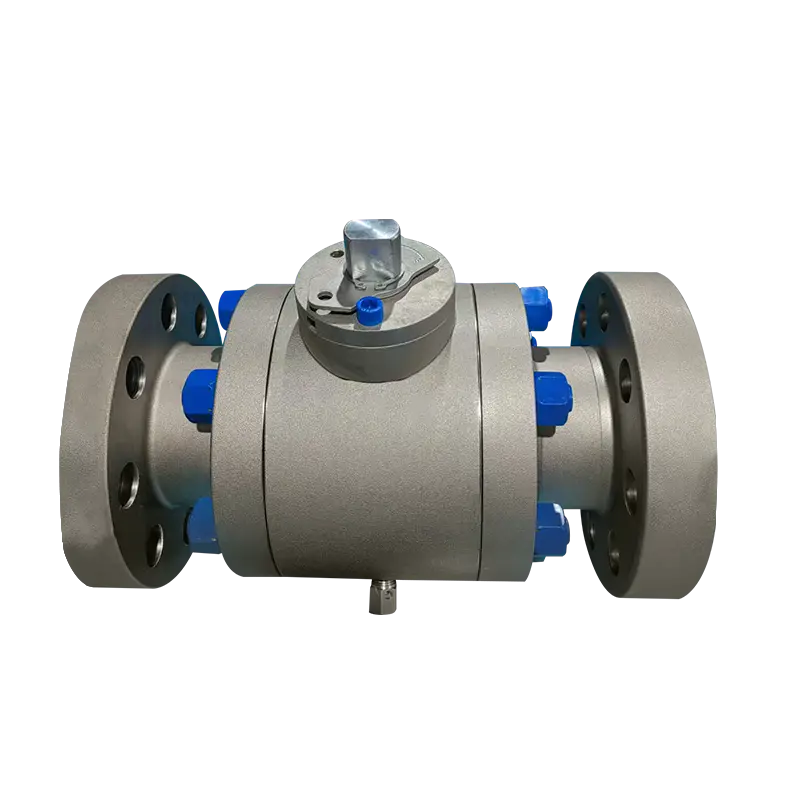
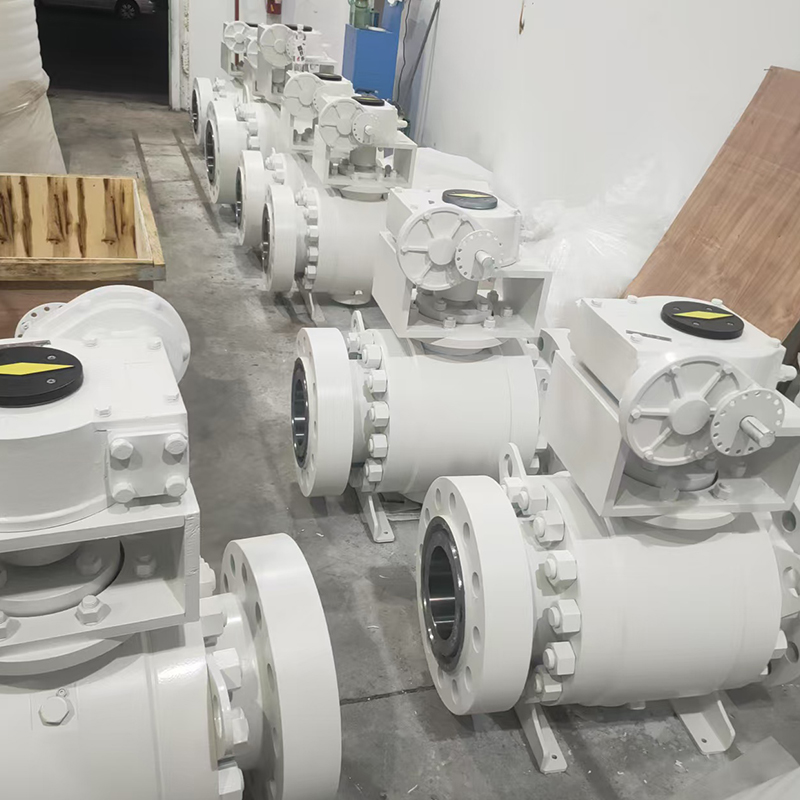
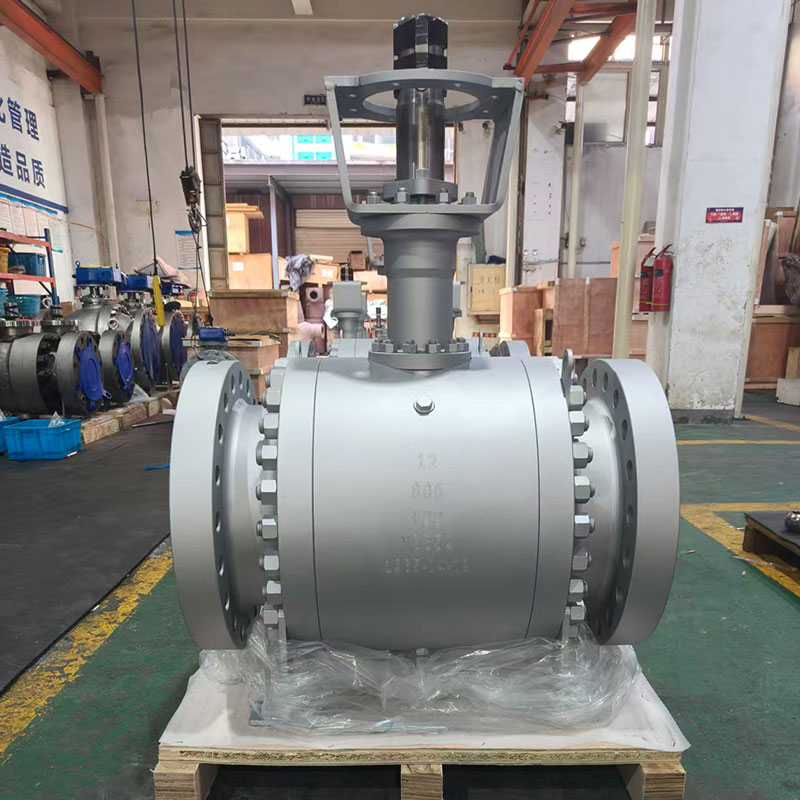
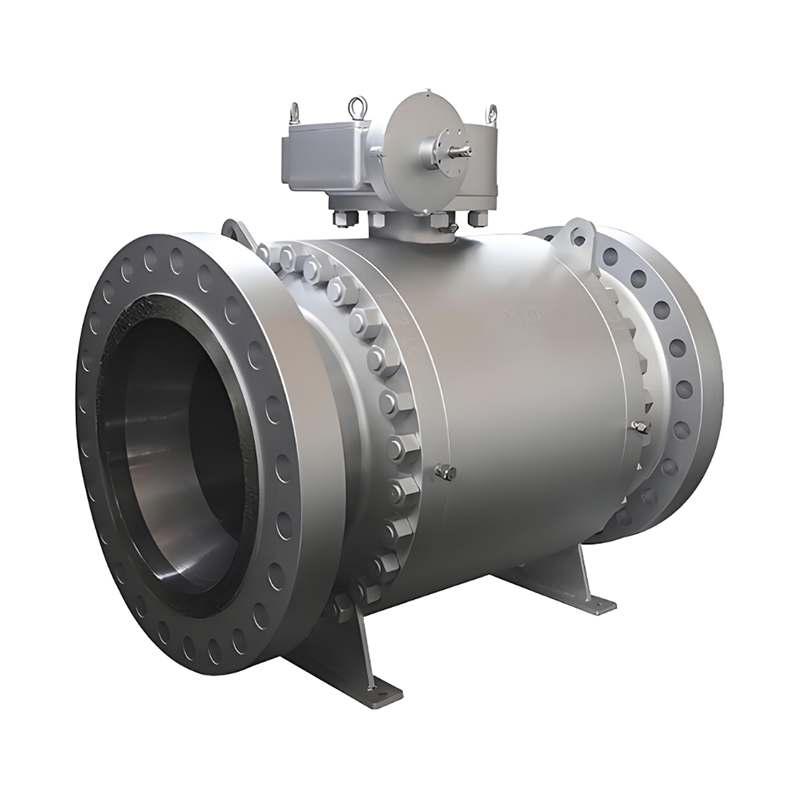
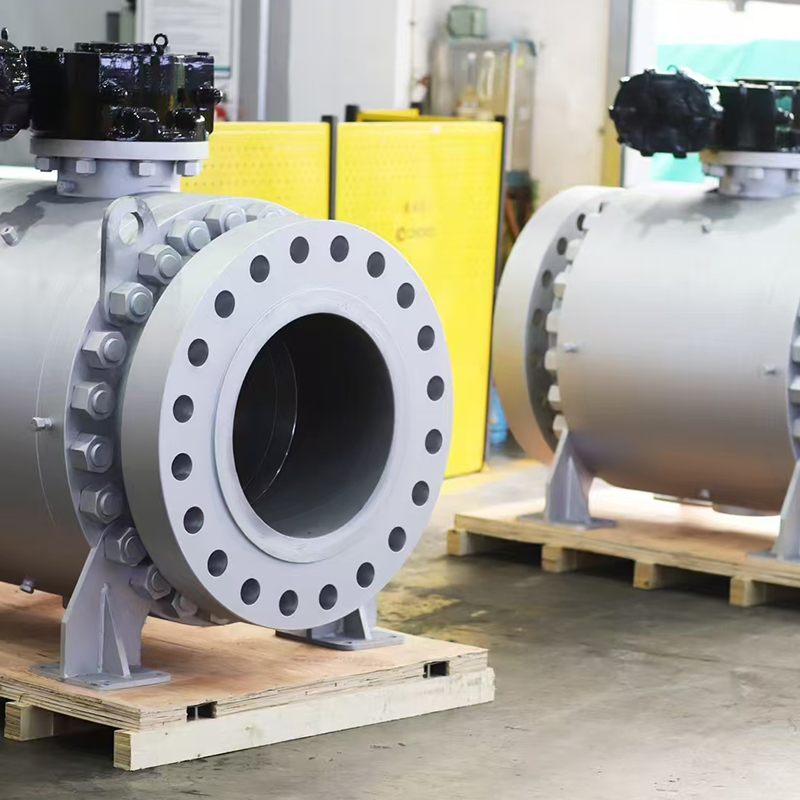
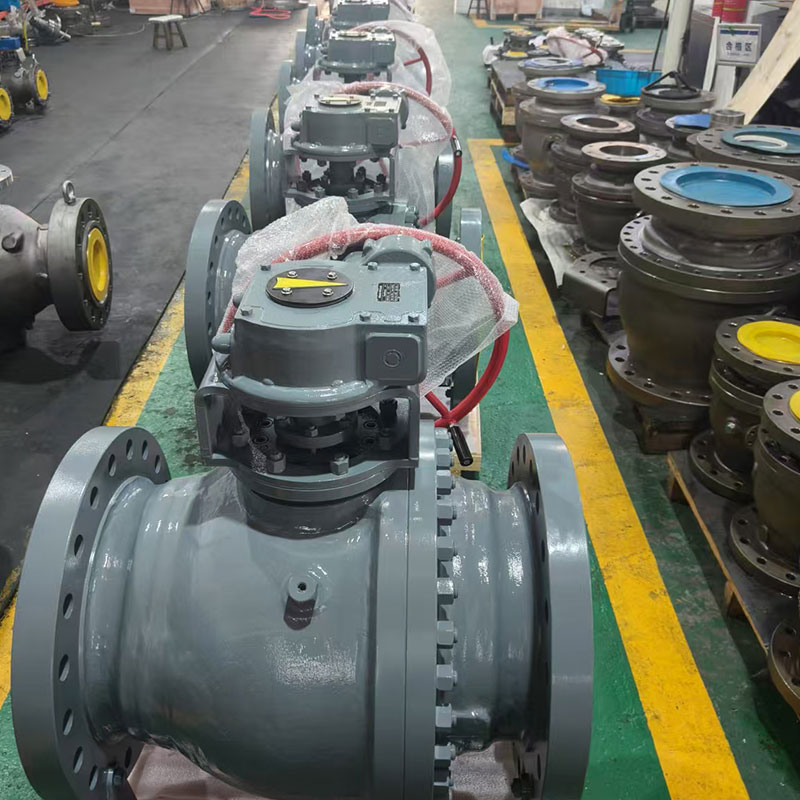
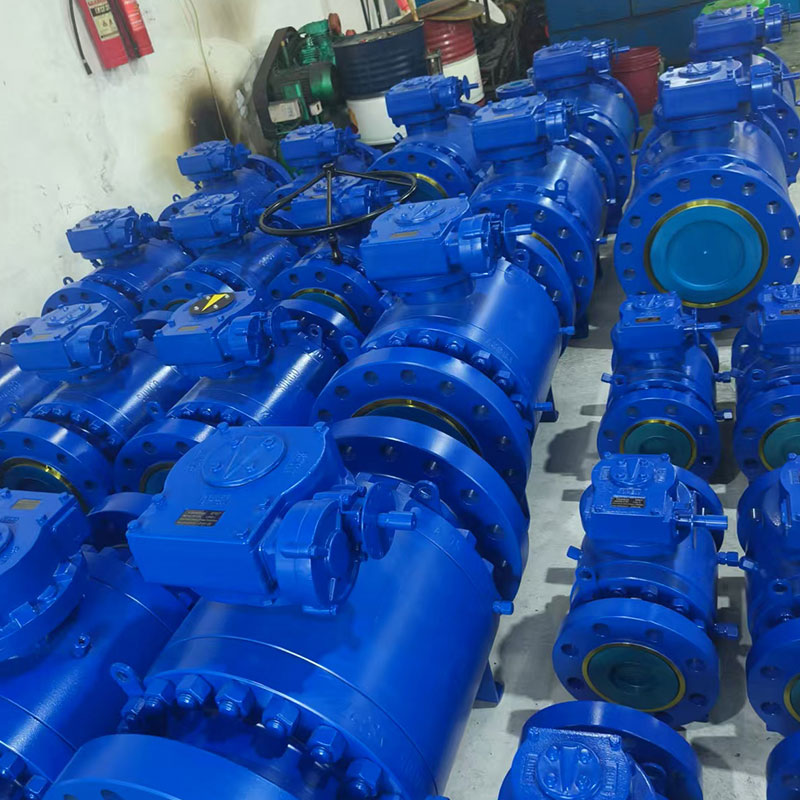
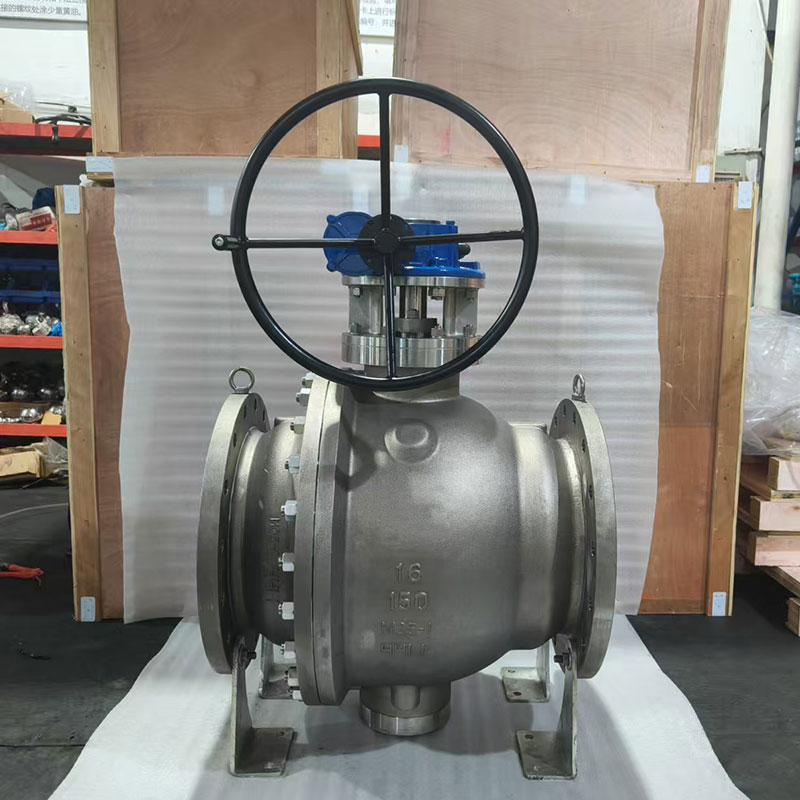
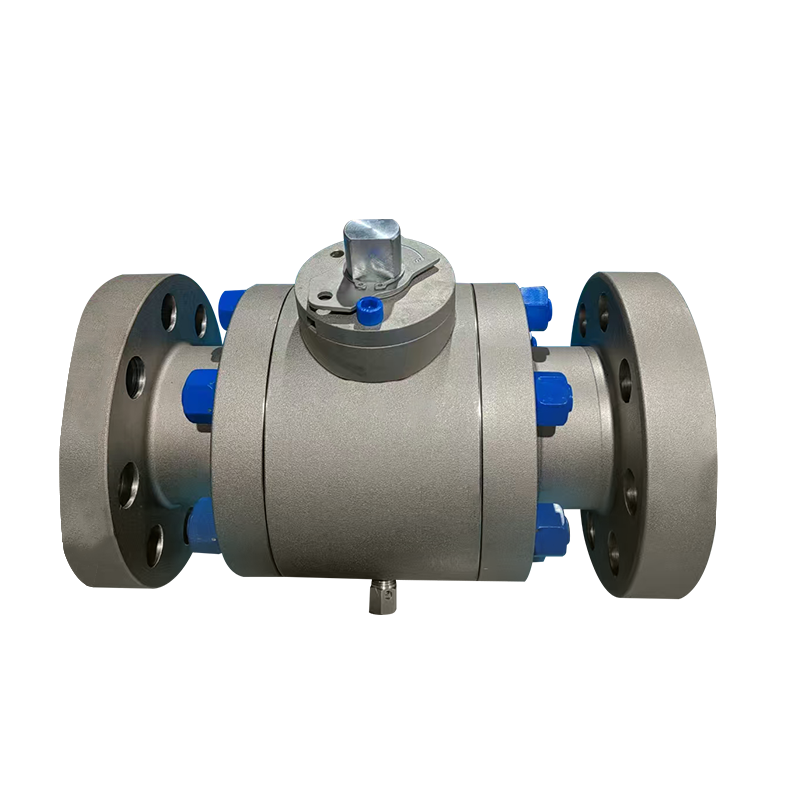
At its core, this is a flow control device — something that manages how liquid or gas moves through a pipeline. Inside sits a ball-shaped piece with a hole through the middle, and rotating that ball either lines the hole up with the flow path or blocks it off.
Pretty simple mechanically. Turn the valve, and flow either keeps going, gets throttled down, or stops outright.
That simplicity is exactly why it's found its way into homes, commercial buildings, farm irrigation, and industrial lines without much modification needed between each setting. Buyers tend to care less about how it's built internally and more about whether it actually suits the job it's being bought for.
This phrase covers a handful of valve designs that have been doing this job for decades, sometimes longer, across different piping setups. Internal mechanisms vary quite a bit between them, but they're all chasing the same basic outcome.
A lot of existing buildings and facilities just keep using whatever traditional valve type was originally installed, mostly because ripping everything out and redesigning around a newer valve style isn't worth the hassle if the old one's still doing its job fine.
So both types stick around, honestly, depending entirely on what a given project actually calls for.
The clearest difference shows up in the mechanism itself.
A ball valve rotates a single internal piece to open or close the flow path — one quarter-turn, basically. Traditional designs handle that same job through whatever internal structure they were built with, which varies a fair amount depending on the specific type.
Different mechanics, sure, but the end goal doesn't change — both are trying to manage flow through the same pipe.
From a user's chair, picking between them usually has less to do with how the mechanism works internally and a lot more to do with whether it fits the actual application at hand.
No valve design covers every situation equally well. What actually matters is lining up the valve with the specific project.
| Setting | Durable Ball Valve | Traditional Valve |
|---|---|---|
| Household plumbing | commonly chosen | still widely used |
| Farm irrigation | shows up often | depends on system design |
| Commercial buildings | fits many installations | common in older facilities |
| Manufacturing | supports flow management | used across various processes |
| Utility networks | integrated into plenty of setups | a long-standing default |
Both types genuinely show up everywhere. Which one actually gets picked usually comes down to what's already installed, what the piping layout looks like, and what habits the facility's used to.
Pipeline gear tends to stay in place for years without anyone thinking twice about it. That's basically why durability matters so much — because whatever gets installed now is probably staying put for a long while.
How often does it actually get touched? Some systems need the valve adjusted constantly. Others sit locked in one position for months, maybe years, without anyone touching it. Knowing which applies shapes what actually matters when buying.
Where does it physically sit? Outdoor installations deal with weather and temperature swings that indoor ones don't. That difference changes what materials and build quality actually matter.
How easy is it to reach later? Routine checks go a lot smoother when the valve isn't buried behind something else. Thinking about that before installation — not after — usually saves a headache.
Durability isn't just about what the valve's made from. It's about whether that build actually matches the conditions surrounding it.
Every piping layout has its own quirks, even when two projects seem similar on paper.
A handful of things deserve attention regardless of which valve type gets chosen:
Both types need to slot naturally into whatever layout's already there. Skipping this planning step tends to create annoying fixes later, usually right after everything's already sealed up.
Every valve benefits from some basic attention, regardless of which mechanism it's running on.
Common habits worth keeping up:
Maintenance planning really should start before installation, not after something starts sticking or leaking. Picking a valve that's easy to check on regularly tends to pay off over the years far more than people expect.
Choosing usually starts with the project itself, not the product catalog.
What's the piping system actually for? A household water line has different demands than a commercial building or a farm irrigation network.
How often is it getting used? Frequent daily adjustment versus sitting untouched for long stretches — that difference nudges the decision one way or another.
Does the existing setup limit the choice? A lot of projects are replacements, not fresh builds from scratch. Whatever's already piped in often narrows what actually fits.
How much does future maintenance matter here? Easy access supports inspection over the whole life of the system, and that's worth factoring in before buying, not after.
Working through these questions tends to give a much clearer answer than reading product descriptions ever could.
Every field manages water a little differently. A homeowner mostly wants convenient, everyday operation without fuss. A farm running irrigation cares more about supporting seasonal, sometimes unpredictable demand. A commercial building wants routine facility upkeep that doesn't interrupt anything. Manufacturing tends to fold valves into much bigger, more interconnected systems with broader requirements.
Even though these applications look nothing alike on the surface, the actual thinking behind picking a valve stays pretty consistent — figure out how it fits the real working conditions rather than hunting for one design that supposedly works everywhere.
Comparing a Durable Ball Valve against traditional valve solutions gets a lot clearer once the conversation shifts away from labels and toward actual working conditions. Every piping system carries its own quirks — how it's used, where it sits, how often maintenance happens, what's already installed nearby. All of that shapes which valve actually makes sense. Rather than assuming one type fits every situation, it helps to look at homes, farms, commercial buildings, utility networks, and manufacturing floors as genuinely different environments, each pulling the decision in its own direction. Thinking it through this way tends to lead somewhere far more useful than picking based on appearance or which name sounds more modern.