русский
 عربى
عربى


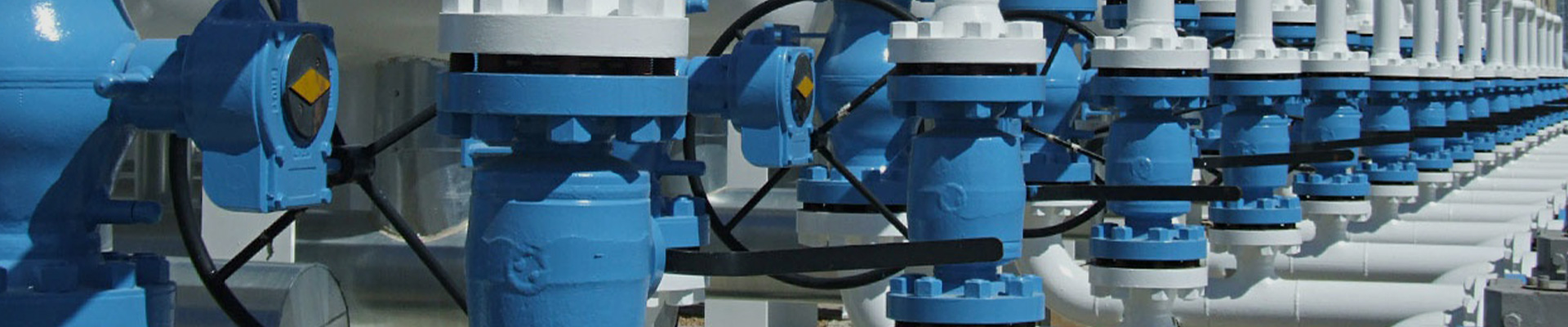
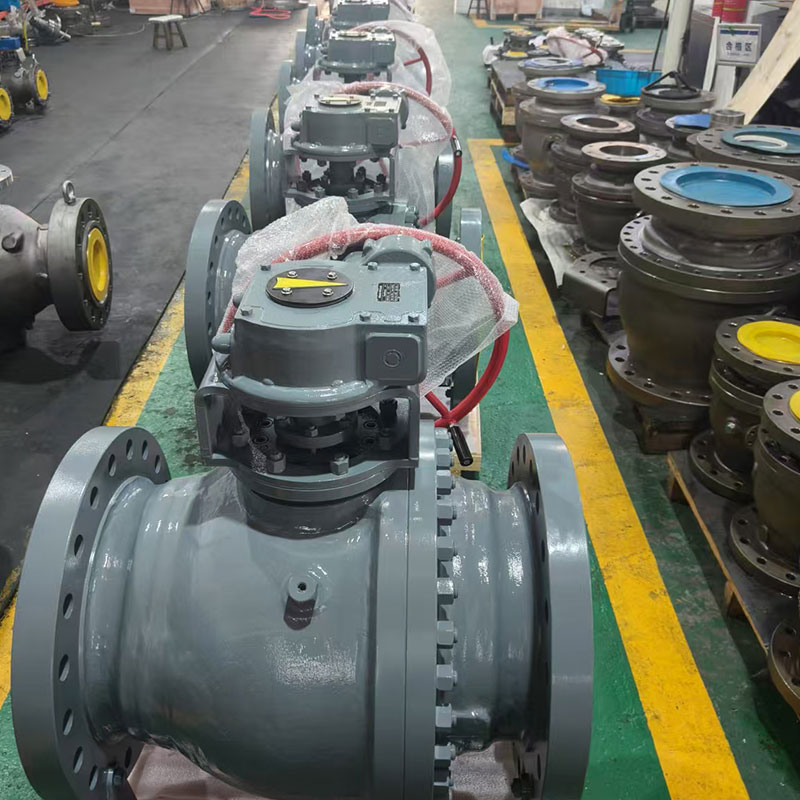
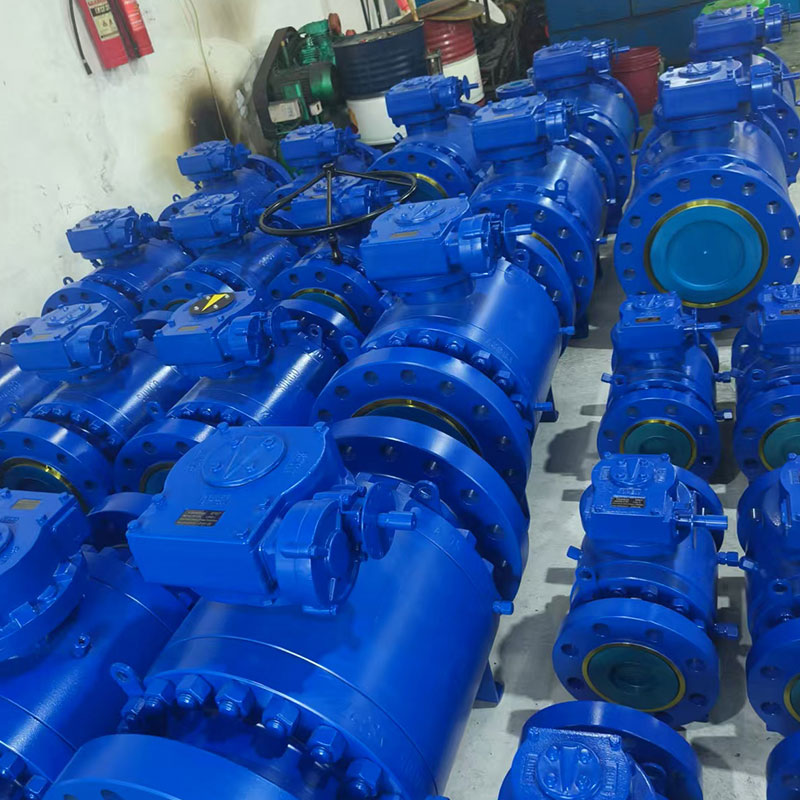
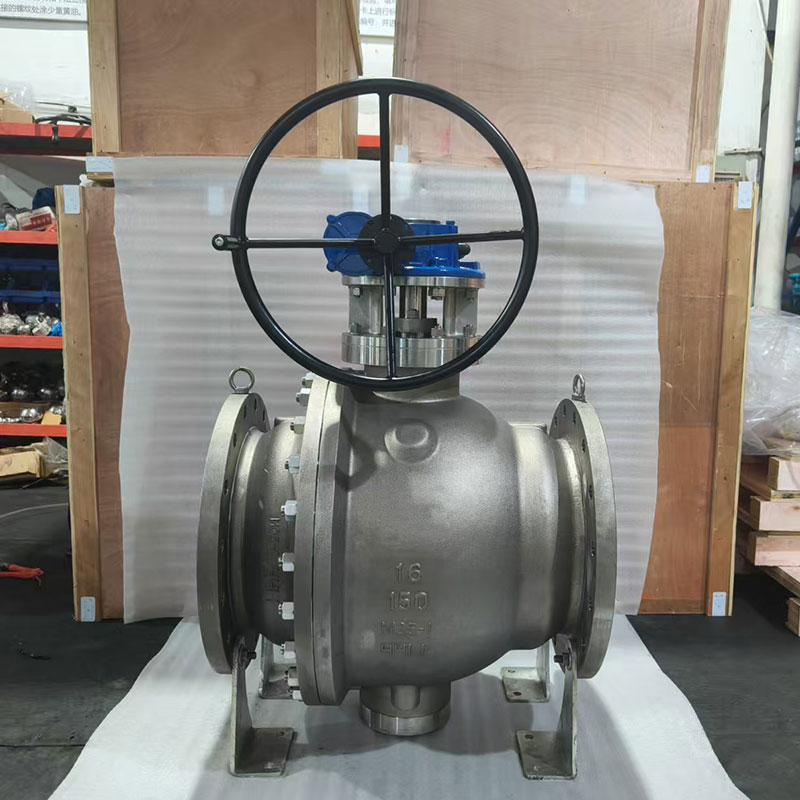
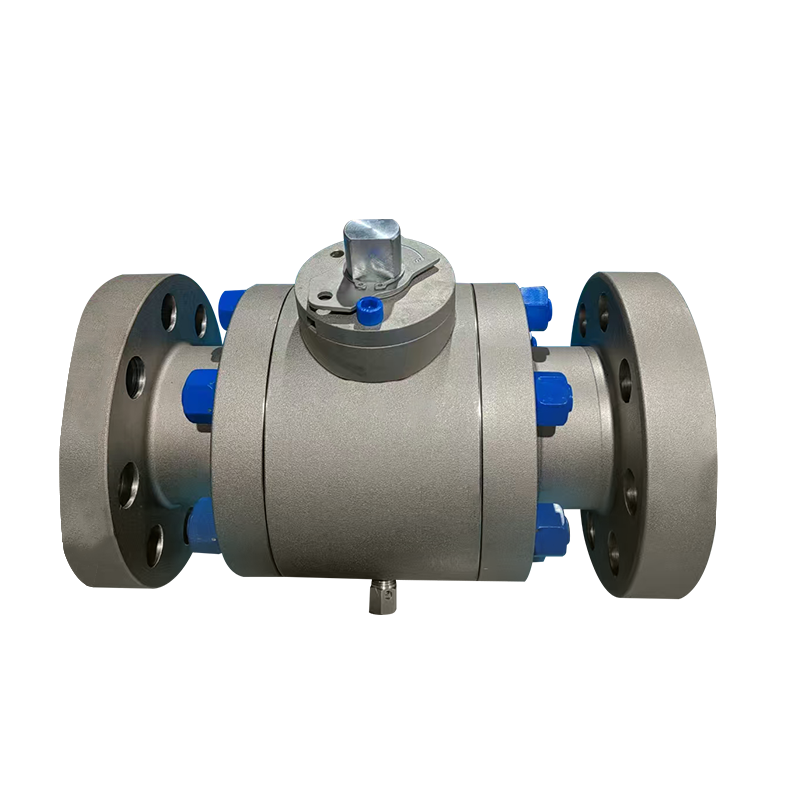
Industrial fluid systems lean heavily on reliable control components to manage how liquids and gases move through them. Ball valves show up constantly in this context, mostly because they offer a practical way to start, stop, or adjust flow across a wide range of applications. Picking a suitable Durable Ball Valve isn't really just about finding something that physically fits a pipeline. Industrial environments come with their own operating conditions, maintenance routines, and installation quirks — a valve that works perfectly in one system might not suit another at all. Getting a handle on the application, material needs, operating environment, and maintenance expectations tends to make the whole selection process a lot more straightforward.
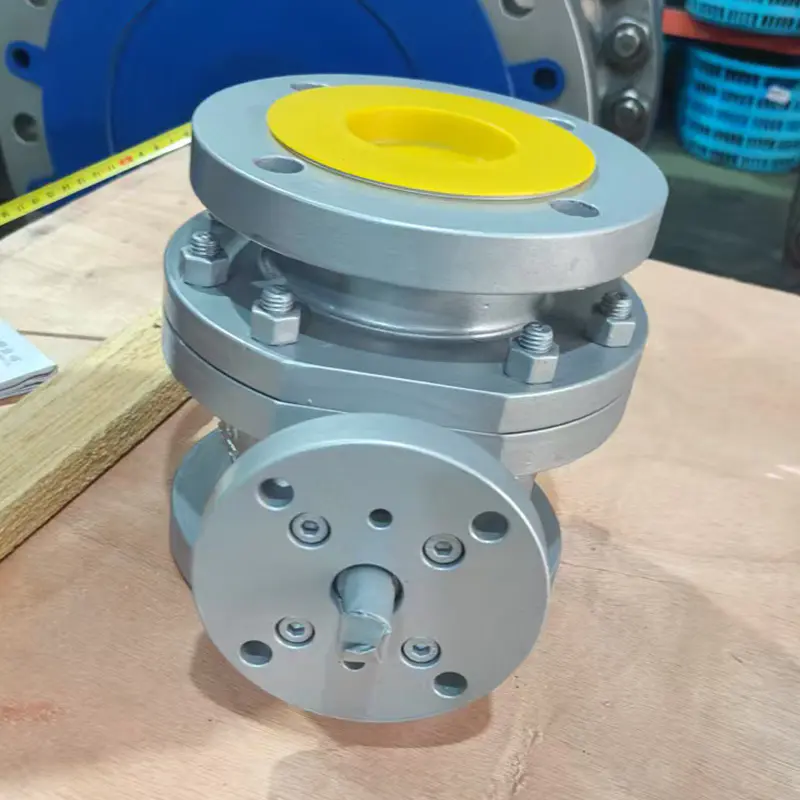
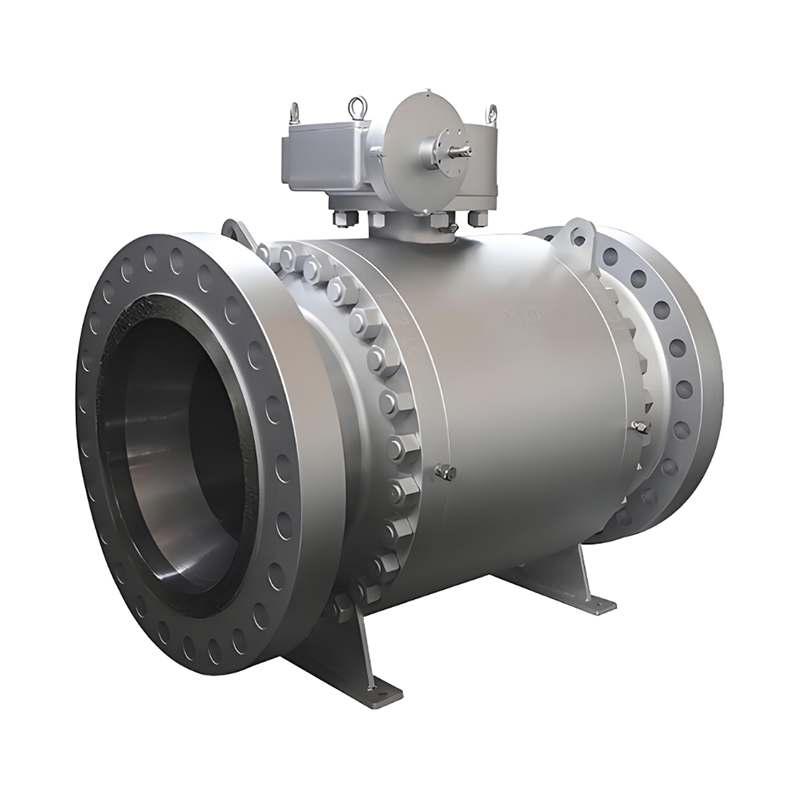
A ball valve controls fluid movement using a rotating ball inside the valve body. When the internal opening lines up with the flow path, fluid moves through. Rotate the ball, and that path closes off.
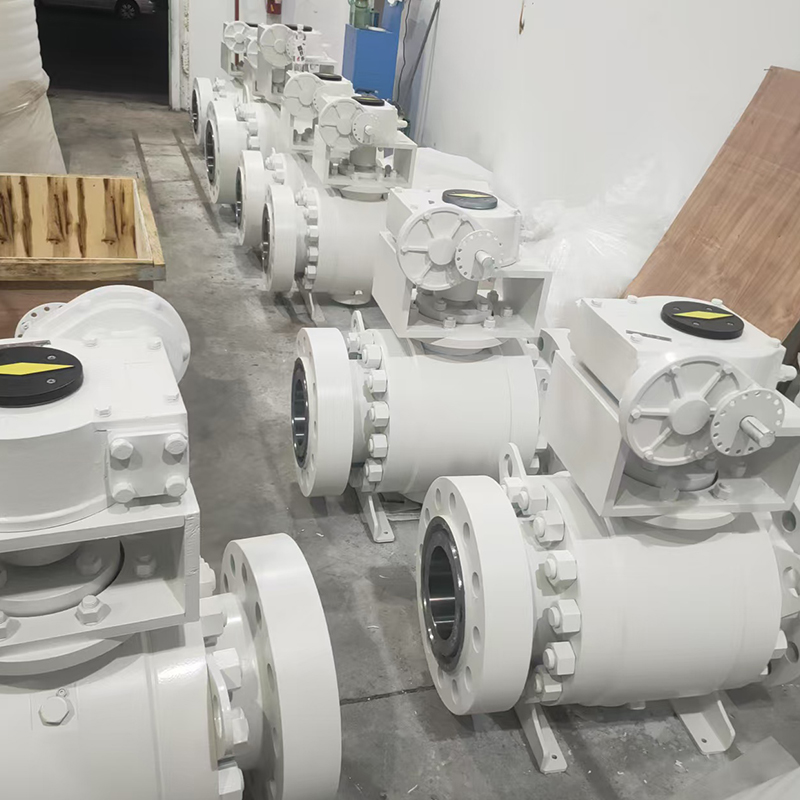
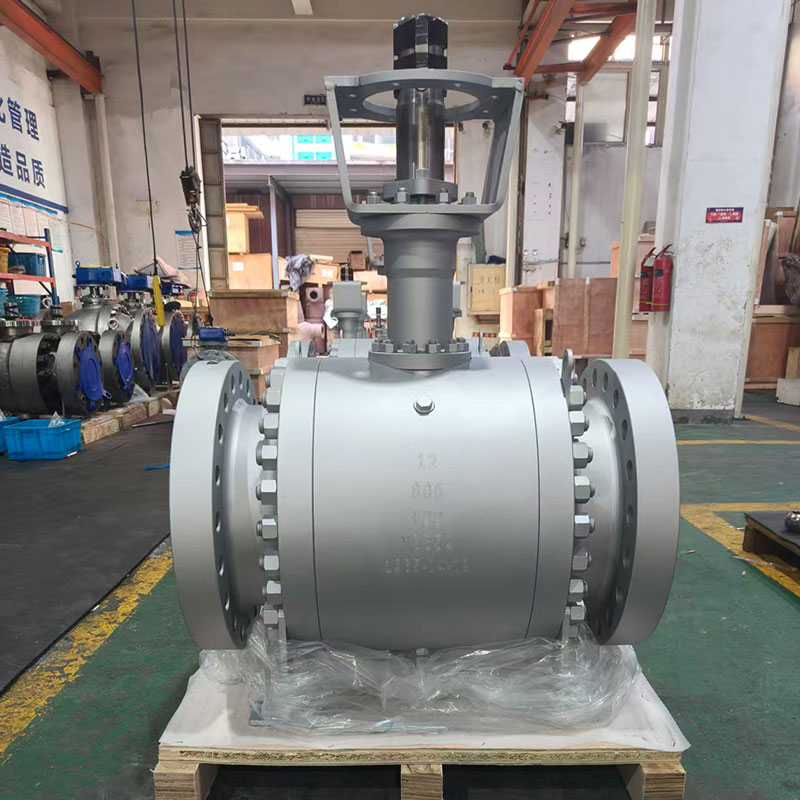
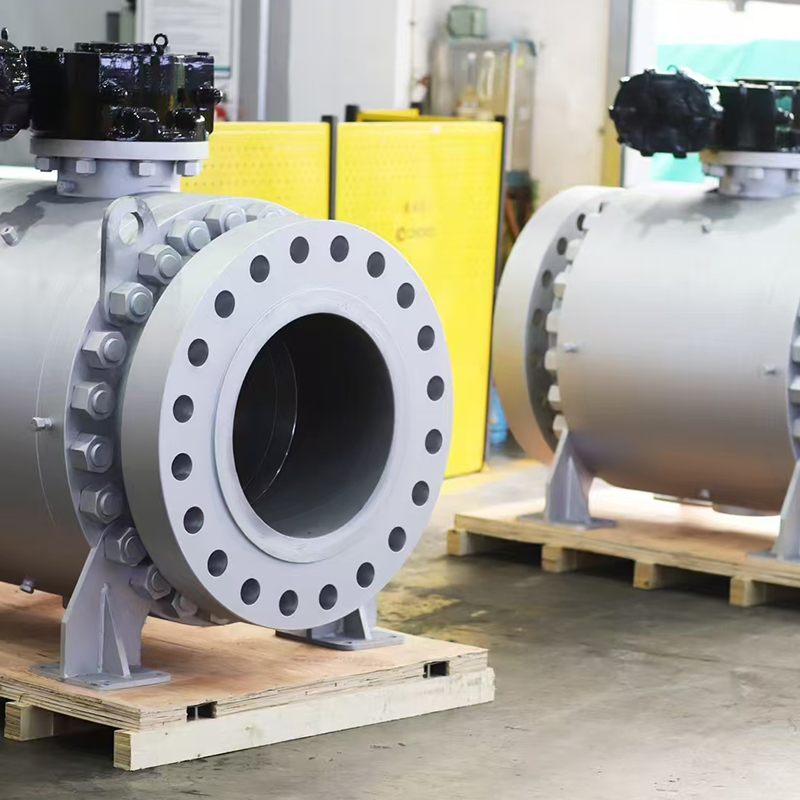
A Durable Ball Valve is built specifically for applications where consistent operation and long-term reliability actually matter.
Common application areas:
| Industry Area | Common Use |
|---|---|
| Water systems | Controlling water movement |
| Manufacturing | Managing process fluids |
| Building systems | Supporting fluid distribution |
| Industrial equipment | Regulating connections between components |
The whole point of choosing a durable valve is supporting stable operation under normal working conditions. A suitable valve should really match what the system needs, rather than getting picked based on appearance or a generic spec sheet.
The working environment plays a genuinely important role in choosing an industrial valve. Different locations bring different conditions — some systems run in clean, controlled indoor settings, while others deal with shifting temperatures, moisture, or heavy, frequent use.
Before choosing a valve, worth thinking through:
A valve in a heavily used production line, for instance, probably needs different characteristics than one sitting in a simple utility line somewhere. The environment really ends up dictating what kind of valve design makes sense.
Material selection is a big piece of the puzzle here. Different materials perform differently depending on the environment, and the right one really depends on the application and surrounding conditions.
Worth considering:
| Material Consideration | Why It Matters |
|---|---|
| Fluid compatibility | Helps match the valve with the working medium |
| Environmental conditions | Supports suitable use across different locations |
| Maintenance expectations | Influences long-term care |
| Installation requirements | Affects system integration |
A valve should really be chosen with the actual operating environment in mind. Picking a material without factoring in the application tends to cause problems down the road.
A valve needs to fit properly into the bigger system it's part of. How it connects with surrounding components affects how smoothly everything operates together.
When selecting a valve, worth thinking about:
A valve that fits well into the system tends to make both installation and ongoing service noticeably easier. Industrial systems are usually built around multiple connected parts, so the valve should work in harmony with those components rather than creating extra friction.
Industrial systems generally need controlled fluid movement, not just a connection point that happens to open and close. A valve is also a tool for actively managing how fluids move through the system.
A suitable ball valve should support:
| Requirement | Purpose |
|---|---|
| Smooth operation | Helps manage regular use |
| Reliable closing | Supports system control |
| Easy operation | Improves daily handling |
| Stable connection | Helps maintain system function |
Which valve actually fits depends on how the system is expected to run day to day. Some applications need frequent adjustment; others mainly just need reliable opening and closing without much fuss.
Maintenance is a genuinely important part of managing industrial equipment. A valve that's easy to inspect and maintain tends to cut down on headaches during regular service work.
Before selecting a Durable Ball Valve, worth considering:
Different industries follow different maintenance routines. A valve in a large production system probably calls for a different approach than one used in a smaller facility. Thinking about future maintenance during the selection stage tends to pay off with smoother operation later.
Industrial systems draw on different valve designs depending on what they actually need. Ball valves tend to get chosen for applications that call for simple operation paired with practical flow control.
| Valve Type | Common Characteristics |
|---|---|
| Ball valve | Uses a rotating internal part for control |
| Gate valve | Often used for simple open or closed flow paths |
| Globe valve | Used when finer adjustment control is needed |
| Check valve | Helps control one-direction movement |
Each valve type really serves a different purpose. The right pick depends on system requirements, installation conditions, and how the equipment gets operated day to day. A Durable Ball Valve tends to make sense when users need a practical, reliable solution for regular flow management.
Think through what's actually flowing through the valve and how the system operates as a whole.
Look at available space, connections, and whatever equipment surrounds the valve.
Think about how often the valve will actually get opened, closed, or adjusted.
Pick a solution that genuinely matches the expected service process down the line.
This kind of approach helps avoid picking a valve based on just one factor in isolation. The best choice really comes from matching the valve to the complete working environment, not a single spec.
Location affects both material choice and design requirements.
Different applications tend to call for different solutions.
Usage habits shape which valve design actually makes sense.
The installation environment should allow for practical inspection and service work.
Good compatibility here tends to make for a smoother installation overall.
Working through these questions helps buyers communicate their actual needs a lot more clearly.
A suitable valve helps create a more reliable connection point within an industrial fluid system.
Selecting the right Durable Ball Valve really comes down to paying attention to application conditions, material compatibility, system design, operating habits, and maintenance requirements together. A careful selection process gives users a much better shot at choosing a valve that genuinely fits their specific industrial needs and keeps system performance steady over the long run.