русский
 عربى
عربى


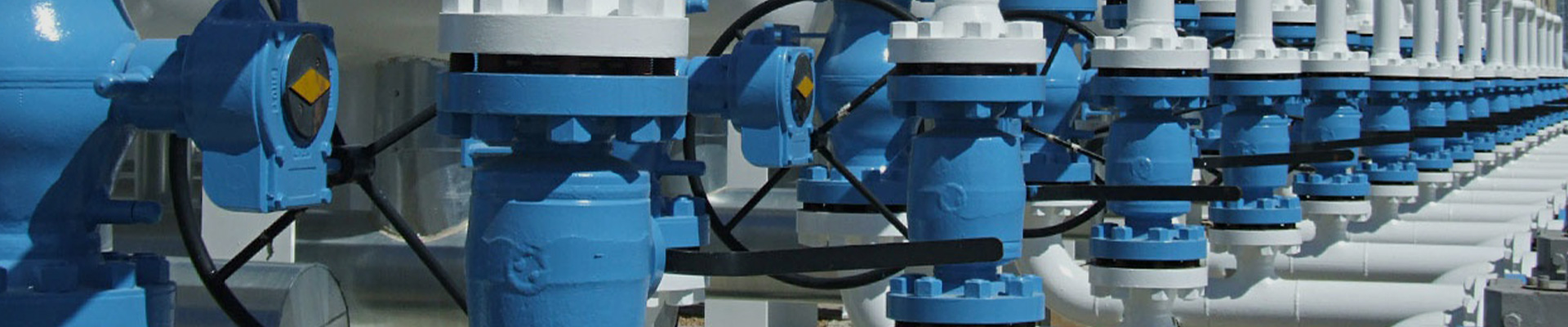
Specifying the wrong valve for a high-pressure pipeline is not a minor oversight. It is the kind of decision that surfaces as leakage, seal failure, or unplanned downtime — problems that cost significantly more to fix than they would have to prevent. Engineers and procurement teams working across oil and gas, chemical processing, water treatment, and manufacturing all face the same underlying challenge: the valve selection has to match the actual operating conditions, not just the general category of the system. Ball Valve Selection in industrial environments is a decision that touches pressure rating, fluid compatibility, material durability, and long-term maintenance — and getting any one of those wrong can compromise the rest.
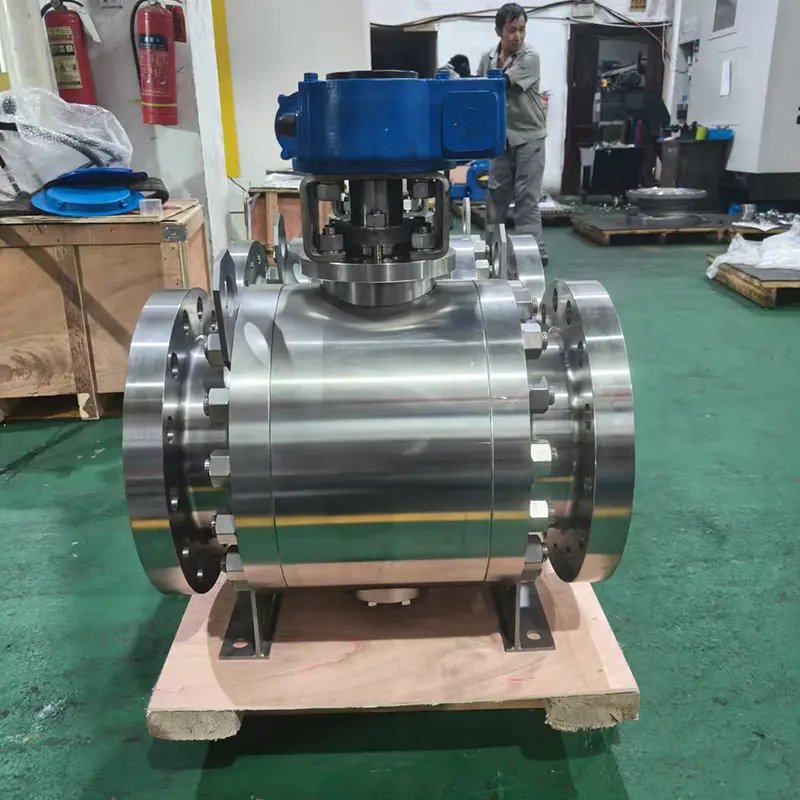
A ball valve controls fluid flow through a hollow, perforated sphere — the ball — that rotates within a valve body. When the ball's bore aligns with the pipeline, flow passes through freely. A quarter-turn rotation closes the bore against the flow path, creating a shutoff. The mechanism is direct, mechanically simple, and produces a clean seal when the valve is fully closed.
Ball Valve Function in industrial settings extends beyond simple on/off control. In systems where media must be isolated quickly, where flow interruption needs to be reliable under pressure, or where the valve will cycle frequently, the ball valve's design holds up better than many alternatives because the sealing surfaces are largely protected when the valve is open.
The designation refers to the valve's rated working pressure — the pressure level the valve body, seats, stem, and seals are engineered to handle without deformation or leakage. A standard residential or commercial valve operates comfortably in low-pressure water distribution. Industrial pipelines carrying steam, hydraulic fluid, oil, gas, or chemical media operate at pressures that would cause a standard valve to fail at the seals or distort at the body.
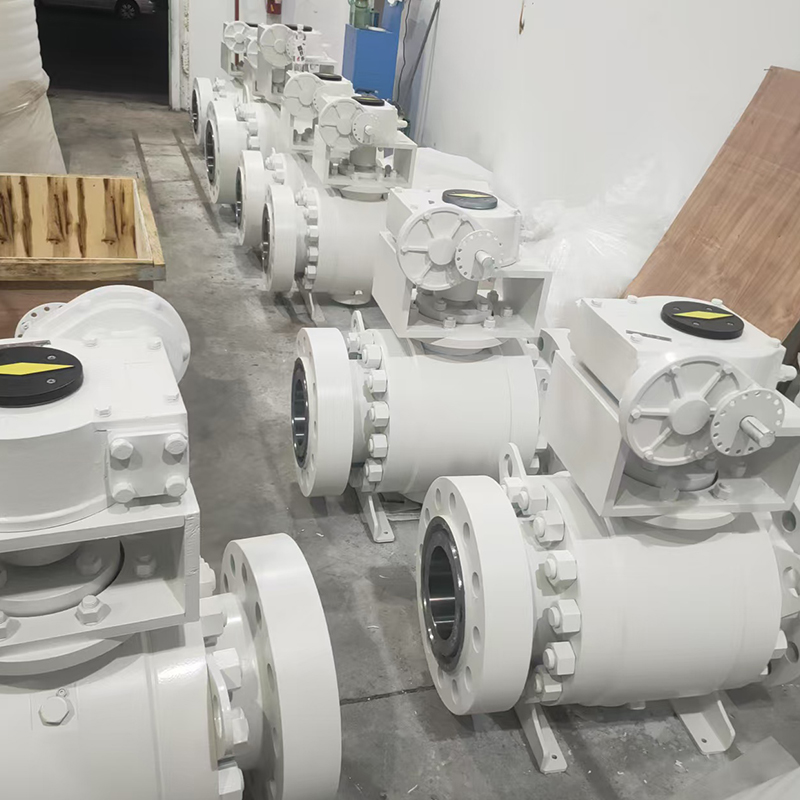
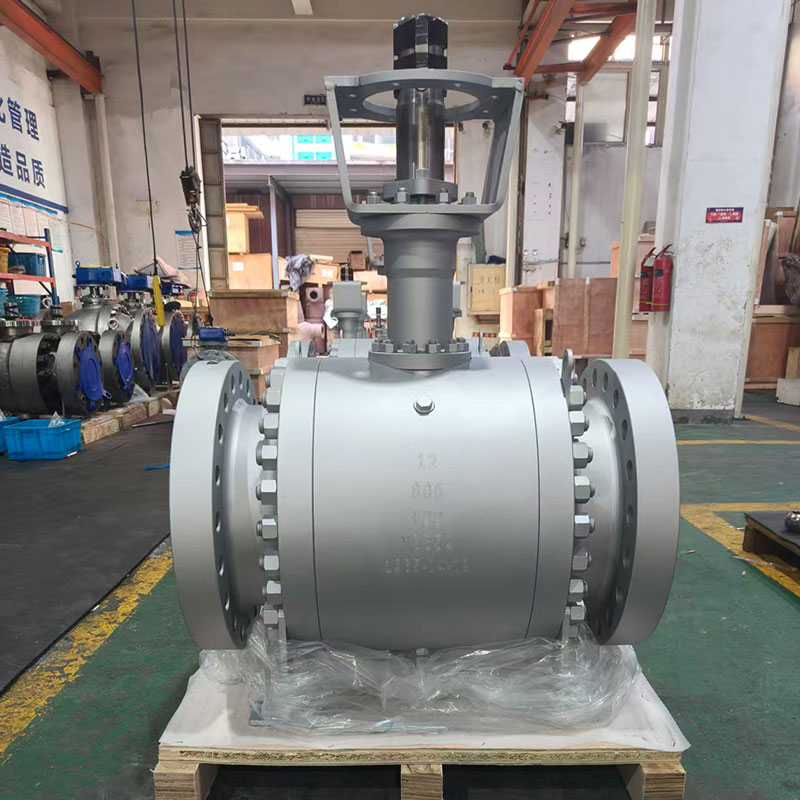
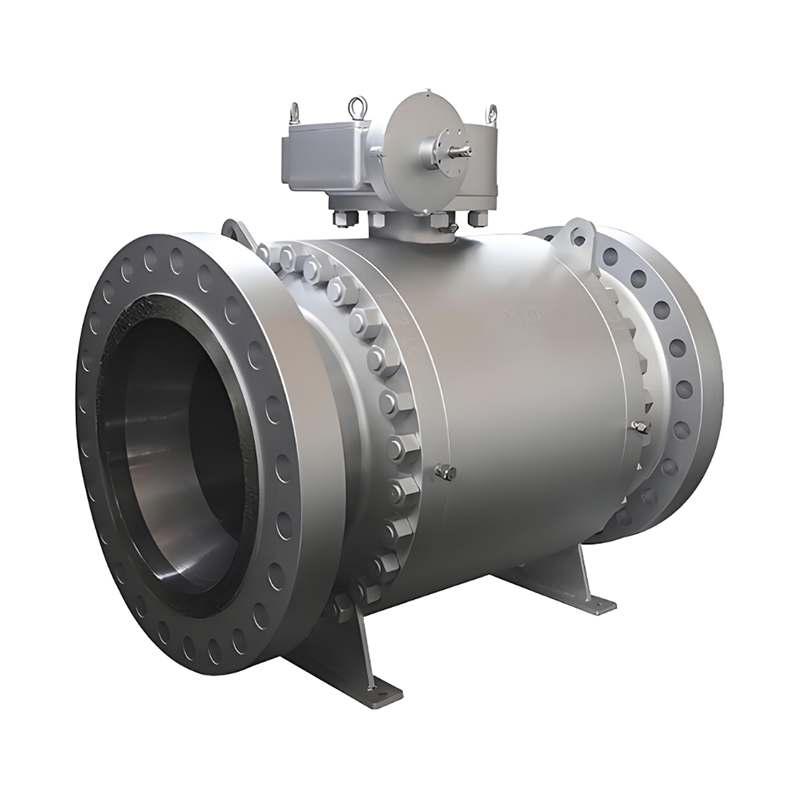
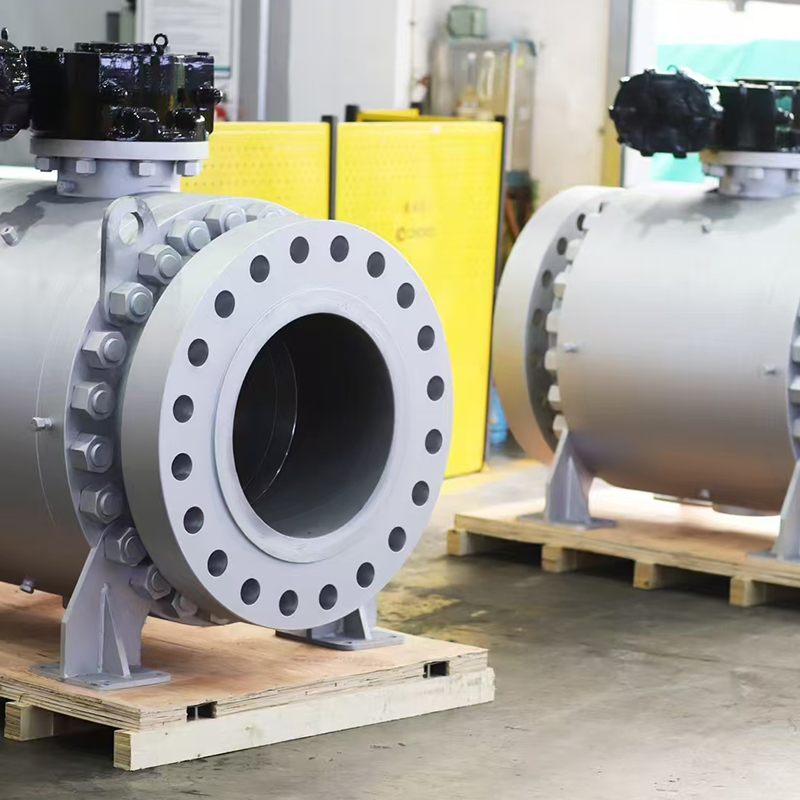
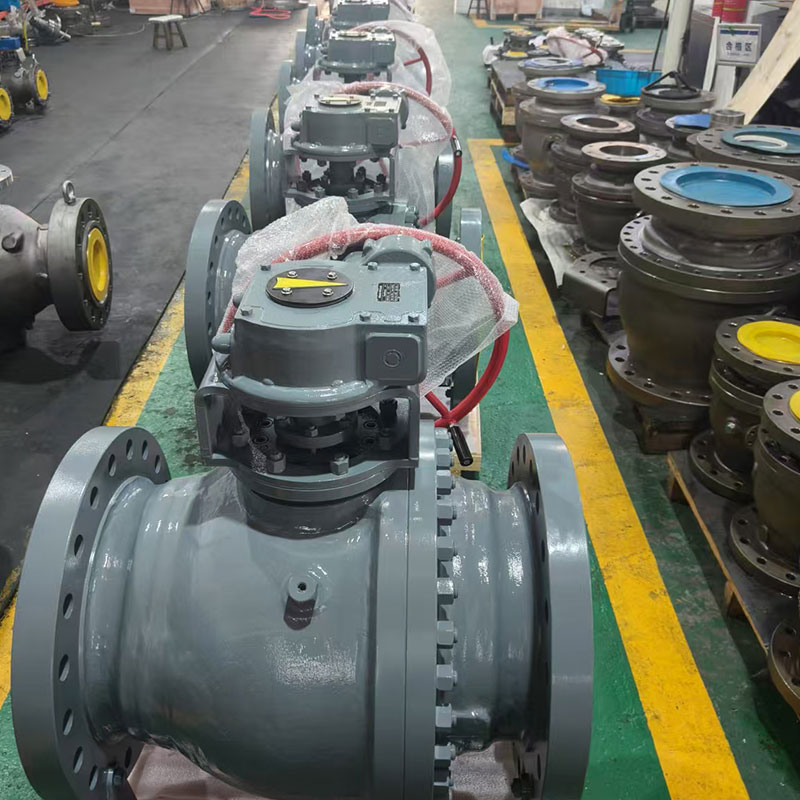
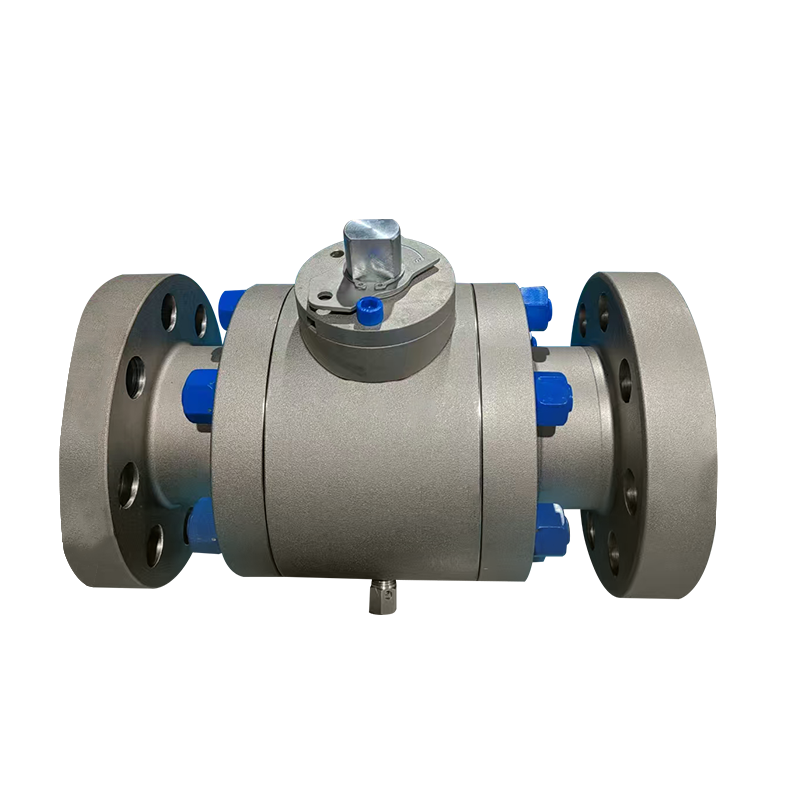
High Pressure Ball Valves are built with heavier wall thickness, reinforced seats — often metal-to-metal or high-performance polymer — and stem configurations that resist blowout under pressure. The ball itself is machined to tighter tolerances, and the body materials are selected for strength under sustained stress rather than just cost efficiency.
Using a valve that is not rated for the actual operating pressure creates a predictable failure sequence. Seat materials compress or extrude under sustained pressure beyond their rating. Stem packing loosens. Body joints that are tight at lower pressure begin to weep at higher loads. None of this happens instantly, which is part of what makes underspecified valves dangerous — they often appear functional until they do not.
A Low Pressure Ball Valve serves well in water distribution, HVAC systems, general irrigation, and light commercial applications. When the same component is placed into a system carrying pressurized gas, hydraulic fluid, or heated process media, the margin between the valve's rating and the system's demand narrows — and any fluctuation, surge, or thermal expansion pushes that margin further.
The case for specifying a High Pressure Ball Valve is not always about the steady-state operating pressure. It is also about the surge pressure, the startup pressure, and the conditions during maintenance isolation when system pressure may be higher than normal operating parameters.
Ball valves are among the widely used isolation and control components in oil and gas infrastructure. Upstream applications — wellhead assemblies, production manifolds, and gathering lines — involve pressures and media types that demand valves designed specifically for those conditions. The media itself is often a combination of hydrocarbons, produced water, and entrained solids, which places demands on both the sealing system and the internal surface materials.
Downstream, refinery and petrochemical pipelines carry processed fluids at elevated temperatures as well as pressure. Valves in these systems need to handle thermal cycling without seat distortion and maintain reliable shutoff across a wide range of fluid viscosities.
Ball Valve for Water applications covers a range from municipal supply networks to industrial water treatment plants. In municipal systems, the pressure demands depend on the distribution architecture — pumped systems, elevated storage networks, and long transmission mains can all generate pressures that exceed what a standard residential valve handles.
Industrial water treatment adds corrosion exposure to the pressure requirement. Treatment chemicals, demineralized water, and brine solutions each affect valve materials differently. Stainless steel bodies and seats perform well in these environments; brass can handle general water service but may not be appropriate where chemical treatment concentrations are high.
High Pressure Ball Valves in water treatment systems also need to handle particulate-laden media without the seat wearing prematurely. Valves with full-bore designs — where the bore diameter matches the pipe interior — reduce turbulence and particulate accumulation at the seat.
Chemical processing environments present a combination of pressure, temperature, and chemical aggression that makes material selection more demanding than in many comparable applications. A Corrosion Resistant Ball Valve for chemical service is not just about the external body finish — it is about every surface that contacts the process media, including the ball, seats, stem, and packing.
Fluoropolymer seats and seals handle a wide range of aggressive media. Stainless steel bodies resist corrosion from acids, alkalis, and solvents that would degrade brass or carbon steel. In highly aggressive service, alloy bodies — duplex stainless, Hastelloy, or similar — provide corrosion resistance at the cost of higher unit price, which is generally justified by the maintenance and replacement costs that an underspecified valve would generate.
Isolation reliability matters particularly in chemical systems. A valve that cannot be trusted to seal completely creates both a process contamination risk and a safety exposure. High Pressure Ball Valves with metal-to-metal seats provide isolation integrity that soft-seated valves may not sustain at elevated temperatures or after extended service.
Manufacturing plants use ball valves across utilities — compressed air distribution, cooling water circuits, process steam lines, and hydraulic systems. Each utility runs at pressures and with media properties that vary substantially from the others, which means valve selection is rarely a single specification across a facility.
Compressed air systems at typical industrial pressure require valves with appropriate pressure ratings and reliable cycle life, since air system valves tend to operate frequently. Cooling water circuits may carry chemically treated water that affects brass components over time. Process steam demands both pressure and temperature ratings simultaneously, and valve seat materials need to be specified for the combined exposure.
Durable Ball Valves for manufacturing utility service are typically selected on cycle life as much as pressure rating. A valve that is cycled repeatedly across a long service period needs consistent seat contact and stem packing that does not loosen with use.
Hydraulic systems in industrial machinery, presses, and fluid power circuits operate at working pressures well above those found in general pipeline applications. Valves in these systems need extremely tight dimensional tolerances, because any internal leakage across the seat reduces hydraulic efficiency and can cause position drift in actuated equipment.
The media in hydraulic systems — hydraulic oil, synthetic fluid, or water-glycol — is relatively benign chemically but demanding mechanically. High cycle rates, pressure spikes from load changes, and the need for zero internal leakage combine to create a demanding service environment. Ball valves used in hydraulic circuits are typically designed with this duty cycle in mind, with seats and bodies rated for the surge pressures that hydraulic systems routinely generate.
The sealing mechanism in a High Pressure Ball Valve relies on the contact force between the ball surface and the seats. At higher pressures, that contact force needs to be maintained precisely — too little and the valve leaks, too much and seat wear accelerates. Ball Valve Working Principle in high pressure service depends on the geometry of the ball-to-seat contact being held within tight tolerances across the valve's service life.
Soft-seated valves use polymer or elastomer seats that provide a reliable seal in clean, moderate-temperature service. Metal-seated valves sacrifice some of the initial sealing performance for resistance to high temperature, abrasive media, and long service intervals without seat replacement.
A fully open ball valve presents very low flow resistance — essentially the pipe bore continues through the valve without significant obstruction. This is one reason ball valves are preferred for isolation duty in high pressure systems: the pressure drop across an open valve is low, which matters in long pipelines where cumulative pressure loss is a design constraint.
Throttling — using the valve in a partially open position — is generally not the intended application for a standard ball valve. Partial opening creates turbulence and velocity increases at the seat, which accelerates wear. For flow modulation rather than on/off isolation, a different valve type is usually a better fit. However, characterized ball valves with specifically shaped balls are used for flow control where the combination of pressure rating and modulating capability is needed.
| Factor | High Pressure Ball Valve | Standard Ball Valve |
|---|---|---|
| Body wall thickness | Heavier — designed for sustained stress | Lighter — suited to lower system loads |
| Seat material | Metal-to-metal or high-performance polymer | Typically PTFE or elastomer |
| Ball tolerance | Tighter machining for precise seal | Standard commercial tolerances |
| Stem design | Blowout-proof stem configuration | Standard stem retention |
| Pressure rating | Rated for industrial working pressures | Suited for residential and light commercial use |
| Suitable media | Gas, hydraulic fluid, steam, chemicals | Water, air, low-pressure fluids |
| Cycle life rating | Extended — for industrial duty | Adequate for intermittent, low-cycle use |
The differences compound in demanding environments. A standard valve may pass initial testing in a high pressure system and fail at the seats or stem after a period of sustained service. The visible specification — size, end connection, port diameter — can be identical between a standard and high pressure valve while the internal construction differs substantially.
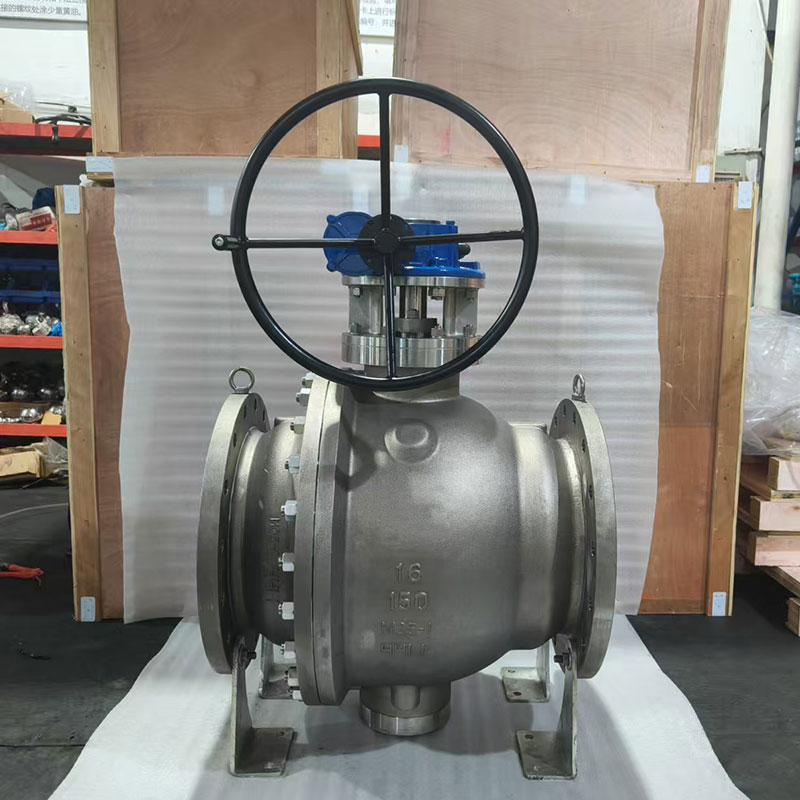
Stainless steel is the widely specified material for industrial ball valves in demanding service. Its combination of mechanical strength and corrosion resistance suits it to chemical processing, water treatment, food-grade applications, and high-pressure gas service. The grade matters — 316 stainless provides better chloride resistance than 304, which is relevant for marine environments, saline water service, and applications involving chlorinated water treatment chemicals.
A Corrosion Resistant Ball Valve in stainless steel handles the chemical exposure without the internal surface degradation that would affect a carbon steel or brass body over time. This directly affects how the seat contacts are maintained, since corrosion on the ball surface degrades sealing performance.
Brass ball valves are well-suited to general water service, compressed air, and low pressure fluid systems where corrosion exposure is moderate and operating pressures fall within the valve's rating. A Low Pressure Ball Valve in brass serves reliably in residential and light commercial contexts, HVAC systems, and irrigation applications where the pressure profile is stable and the media is not chemically aggressive.
Brass should not be used where dezincification is a risk — certain water chemistries, particularly soft, acidic water, can selectively leach zinc from brass alloys, weakening the material over time. Dezincification-resistant brass grades address this for water service.
A Durable Ball Valve in industrial service is one specified with the actual operating conditions in mind — not just the nominal service parameters but the off-design conditions, the startup sequences, the potential for pressure surges, and the maintenance interval the plant operates on.
Factors that affect service life:
Ball Valve Selection for industrial service is not a single-variable decision. The specification process covers several conditions simultaneously.
The errors that appear repeatedly in valve selection tend not to be dramatic — they are subtle specification gaps that become visible after installation.
When should a High Pressure Ball Valve be used instead of a standard one?
When the operating pressure, surge pressure, or fluid temperature exceeds what a standard valve is designed for, or when the media is aggressive and requires specific material specifications that standard commercial valves do not carry.
Can brass ball valves handle industrial pressures?
Brass ball valves rated for industrial pressure are available, but they are generally suited to water and compressed air service rather than chemical, steam, or hydrocarbon applications. The material's corrosion resistance limits its use in chemically aggressive service.
What causes valve failure in high pressure systems?
Seat extrusion at pressures beyond the seat rating, stem blowout where the stem retention is inadequate, body yield under sustained stress, and corrosion degradation of sealing surfaces are the common failure paths. Each is preventable with correct initial specification.
How long do industrial ball valves last in service?
Service life depends on cycle frequency, media characteristics, and whether the valve was correctly specified for the application. A well-specified valve in appropriate service can remain functional for many years without seat replacement. An underspecified valve in demanding conditions may require attention within a fraction of that period.
Is a full-bore or reduced-bore ball valve better for high pressure service?
Full-bore designs match the pipeline bore, reducing turbulence and pressure drop. Reduced-bore valves are more compact and lighter. The choice depends on whether pressure drop across the valve is a system design constraint and whether the media carries particulates that could accumulate at a seat restriction.
High Pressure Ball Valves are not a single product — they are a category that covers a wide range of materials, pressure classes, seat types, and end connections, each suited to a specific set of industrial conditions. The applications covered here — oil and gas, water treatment, chemical processing, manufacturing utilities, and hydraulic systems — each place different demands on the valve, and the right specification in one context may be entirely wrong in another. Working through pressure, media, temperature, corrosion exposure, and cycle frequency as a structured sequence produces a specification that the valve can actually meet in service, rather than one that looks adequate on paper and underperforms in the field. If you are working through a Ball Valve Selection for an industrial application and want to verify that your specification matches the actual service conditions, Zhejiang Yushun Valve Co., Ltd. can provide engineering support across materials, pressure classes, and application-specific configurations. Reaching out with the operating conditions and system requirements is a practical way to confirm the specification before committing to procurement.