русский
 عربى
عربى


A pinhole leak at a flange or seat does not announce itself loudly at first. It shows up as a faint hiss, a slow pressure drop on a gauge, a residue trail nobody noticed until a shift change. By the time it becomes a maintenance ticket, the underlying cause has usually been sitting there for weeks — a seal that was never rated for the actual operating pressure, or a valve that was specified for a system quite different from the one it ended up serving. Getting Ball Valve Selection right at the design stage is the difference between a system that runs quietly for years and one that generates recurring leak complaints, unplanned downtime, and the kind of safety exposure nobody wants to explain after the fact. Process engineers, plant operators, and procurement teams working through valve specification decisions are not really asking what a ball valve is. They already know that. What they need is a clear picture of how sealing systems, material selection, and pressure-rated construction work together to keep a valve leak-free across the actual demands of a real operating system — and how to tell whether a given valve design is suited to the pressure, fluid, and duty cycle it will face.
Leakage rarely starts as a sudden failure. It develops from a mismatch between the valve's design limits and the conditions it is actually exposed to over time. Recognizing the early contributors matters more than recognizing the leak itself, because by the time fluid is visibly escaping, degradation has usually been underway for a while.
The conditions that most commonly set up a future leak:
A valve that fails under any of these conditions is not necessarily a poorly made valve — it may simply be the wrong valve for the application it was placed into. This is precisely why Ball Valve Selection is treated as an engineering decision rather than a catalog lookup.
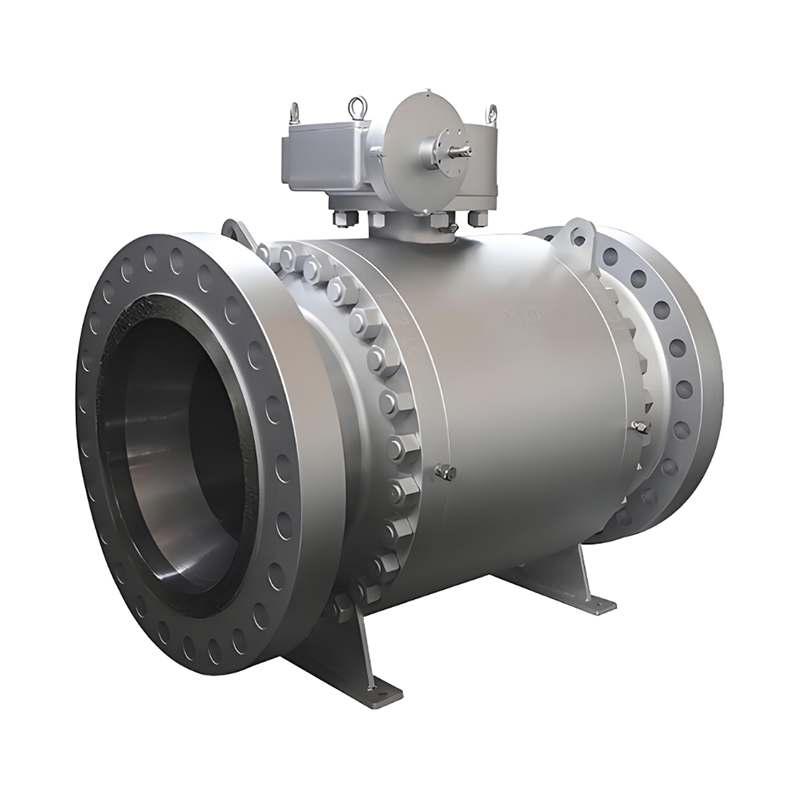
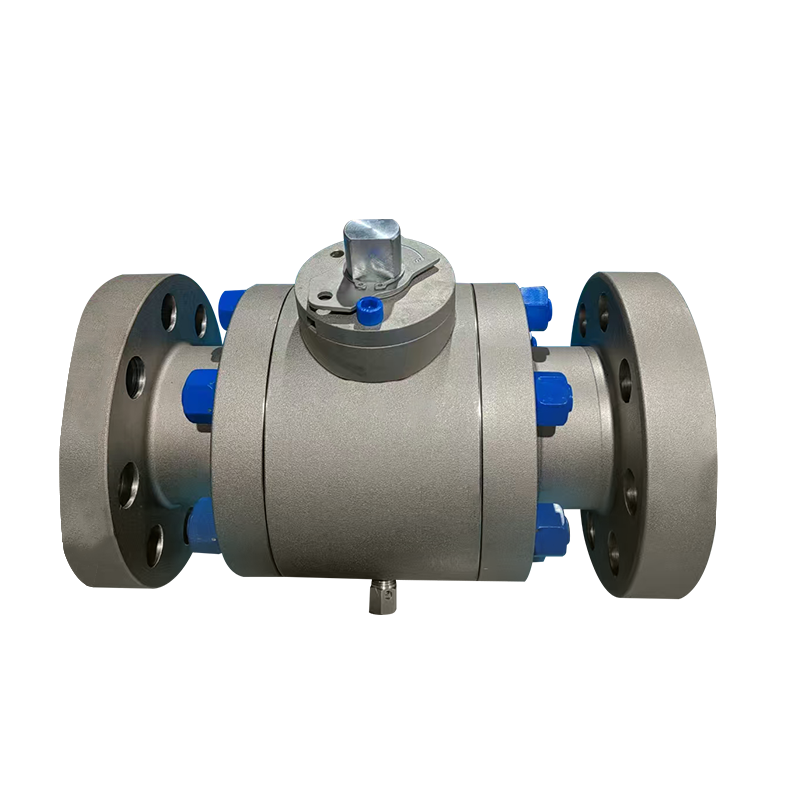
It does, because the Ball Valve Working Principle is what determines where sealing integrity can succeed or fail in the first place. A ball valve uses a spherical or partially spherical ball with a bore through its center, mounted between two seats inside the valve body. Rotating the ball a quarter turn aligns the bore with the flow path to open the valve, or rotates it perpendicular to the flow to block it completely.
The Ball Valve Function depends on a few coordinated elements working together:
Each of these is a potential leak path if not properly designed, manufactured, or maintained. Quarter-turn operation is part of why ball valves are widely used for shut-off applications — the mechanism is simple, fast to operate, and when properly sealed, provides a tight shut-off with minimal moving parts subject to wear.
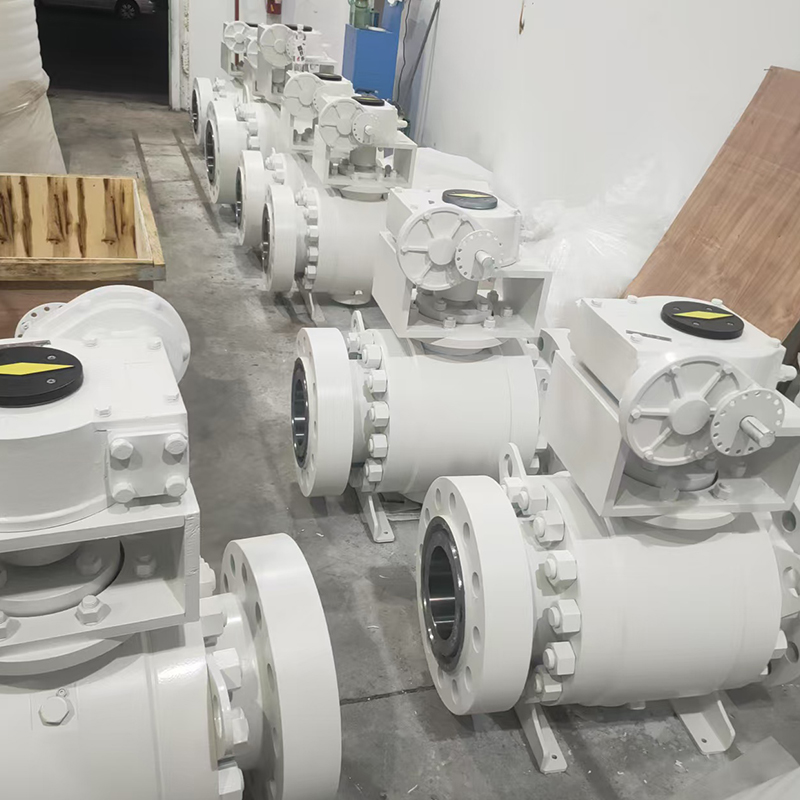
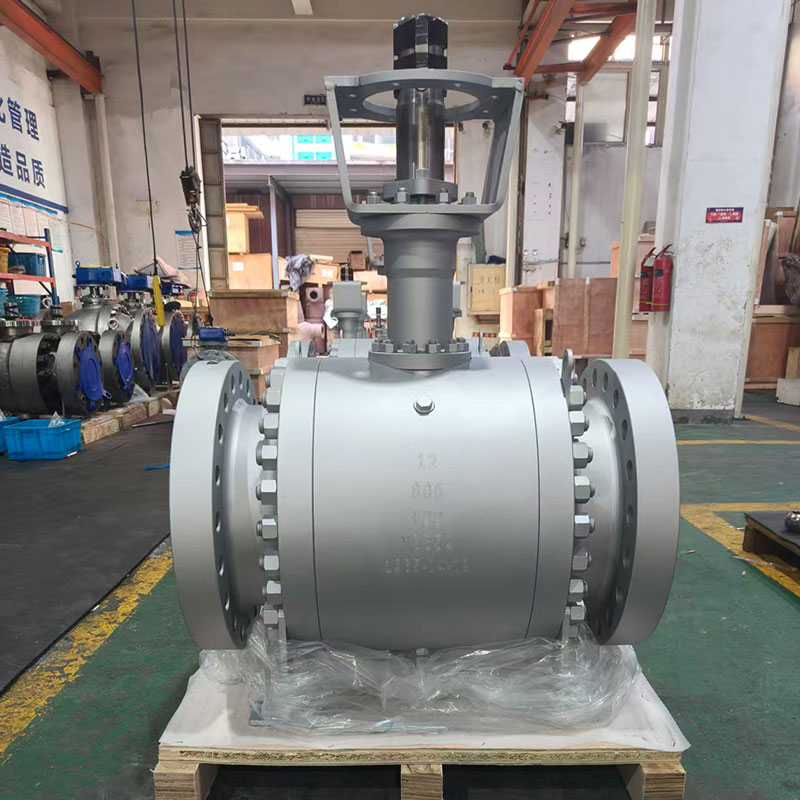
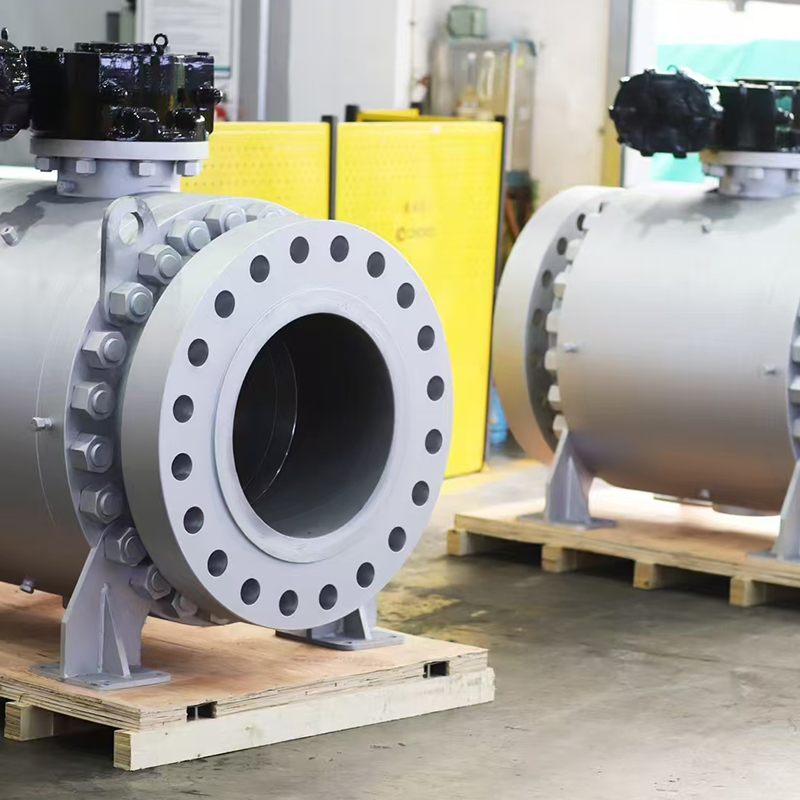
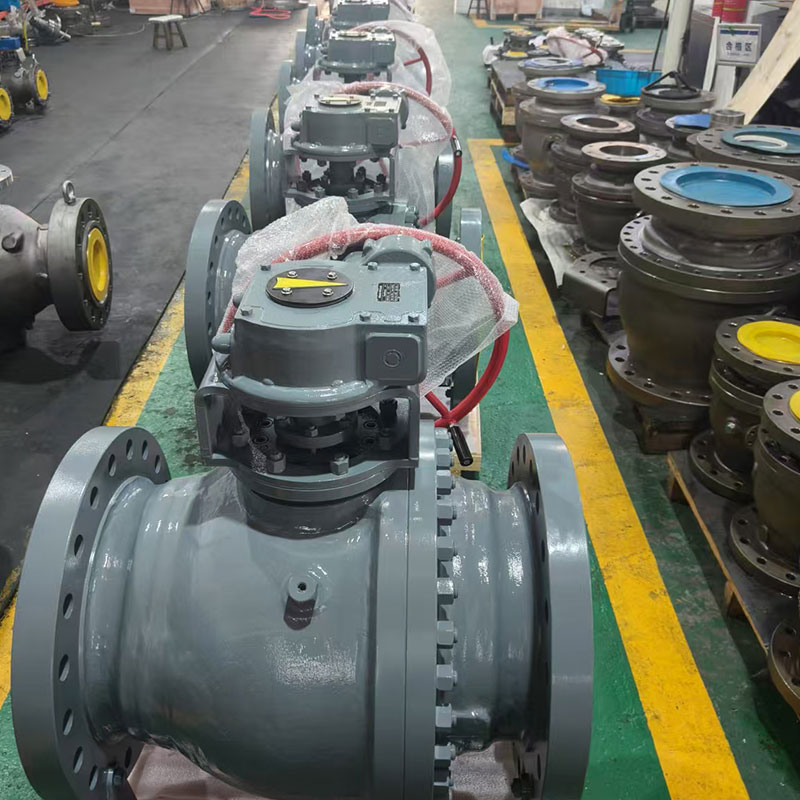
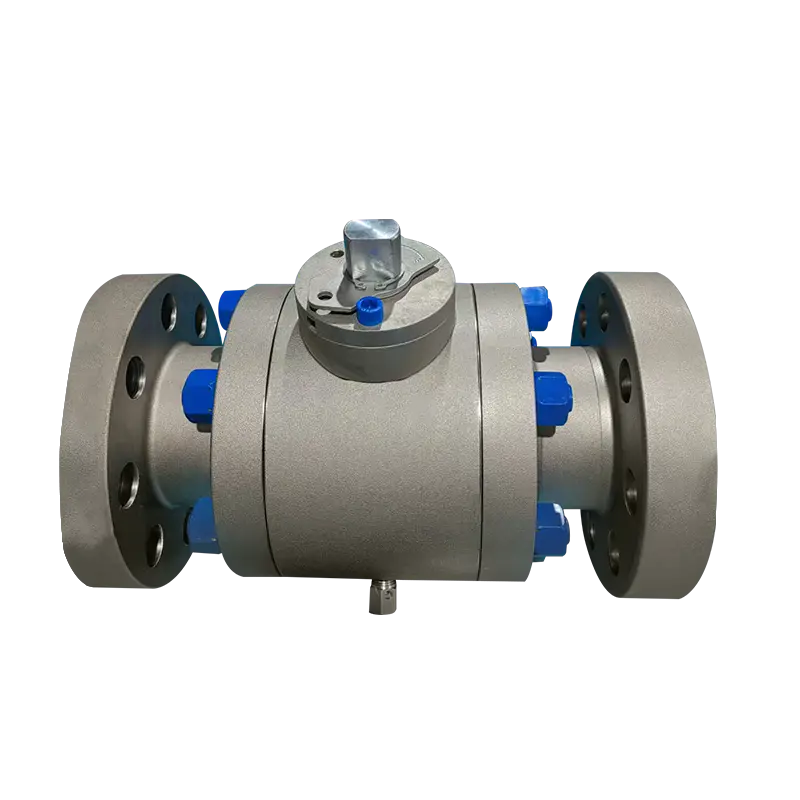
The difference goes well beyond wall thickness, although that is part of it. A High Pressure Ball Valve is engineered as a system, with every sealing component selected and configured to maintain integrity under load that would compromise a standard design.
Key distinguishing features include:
By contrast, a Low Pressure Ball Valve can rely on simpler sealing arrangements because the forces working against the seal are smaller and more forgiving of minor imperfections. Specifying a low-pressure design into a high-pressure application is one of the more common — and most consequential — selection errors in industrial procurement.
This is the functional heart of leak prevention, and it depends on several mechanisms working in coordination rather than any single feature carrying the entire load.
Seat-to-ball contact precision
The contact between the seat and the ball surface is where the primary seal happens. For this seal to hold under pressure, the ball surface must be extremely smooth and round, and the seat material must conform closely enough to fill any microscopic surface irregularity. Soft seat materials, such as PTFE-based compounds, provide good initial sealing but can wear over many cycles. Metal seats offer greater durability under abrasive or high-temperature conditions but require tighter manufacturing tolerances to achieve comparable sealing performance.
Pressure-assisted sealing geometry
Many high-pressure valve designs use a floating ball or trunnion-mounted configuration where system pressure itself pushes the ball against the downstream seat, increasing contact force as pressure rises. This is a deliberately engineered behavior — rather than fighting against pressure, the design uses it to reinforce the seal.
Stem seal redundancy
A single seal point along the stem is a single point of failure. Many high-pressure and critical-service valves incorporate multiple stacked seal elements, sometimes combined with a secondary containment feature, so that a failure in one sealing element does not immediately result in a leak path to the outside environment.
Body joint sealing
Where the valve body is assembled from multiple sections, gasket or seal rings at each joint prevent leakage at the housing itself. In high-pressure applications, these joints are often welded rather than bolted, eliminating a potential leak path entirely in favor of a continuous, homogeneous body structure.
Material selection matched to service conditions
Sealing geometry only performs as well as the materials it is made from. A seal that is mechanically well-designed but chemically incompatible with the process fluid will degrade regardless of how precisely it was manufactured.
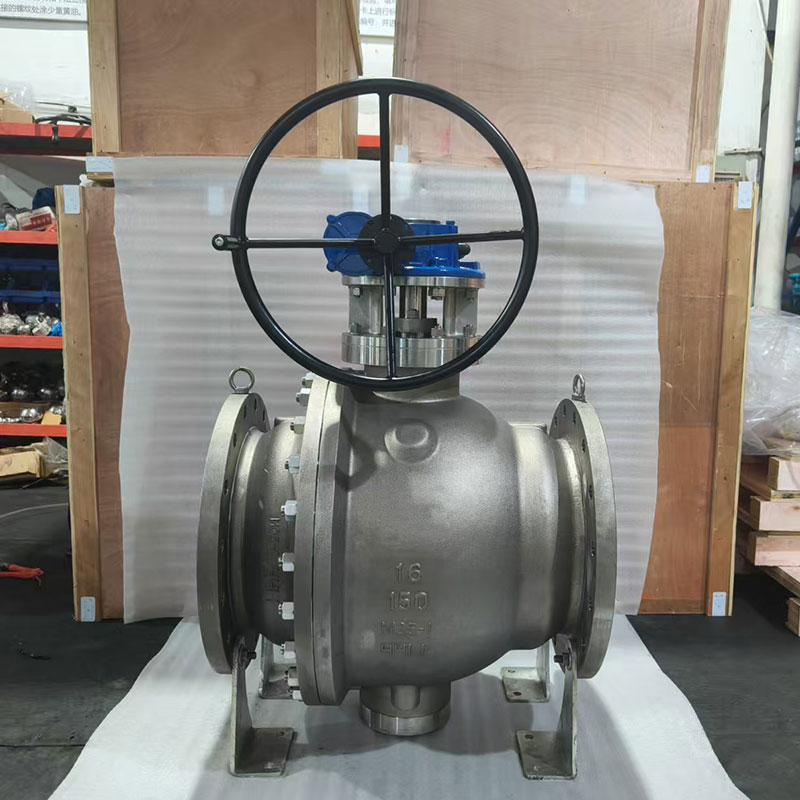
Corrosion is one of the most common long-term causes of valve leakage, and it is also one of the more preventable ones when addressed at the specification stage. A Corrosion Resistant Ball Valve uses body, ball, and seat materials selected specifically to resist chemical attack from the fluid being handled, whether that fluid is acidic, alkaline, saline, or otherwise aggressive toward standard carbon steel or basic alloy construction.
Corrosion affects leak prevention in several ways:
For applications involving seawater, chemical processing, wastewater, or other aggressive fluid environments, specifying corrosion-resistant materials upfront avoids a cycle of repeated valve replacement and the leak incidents that typically precede each failure.
| Application Factor | Low Pressure Ball Valve | High Pressure Ball Valve | Corrosion Resistant Ball Valve |
|---|---|---|---|
| Typical service pressure | Lower system pressure | Elevated system pressure | Variable; defined by fluid chemistry |
| Seat sealing approach | Standard soft seat | Pressure-assisted or reinforced seat | Chemically compatible seat material |
| Body construction | Standard wall thickness | Reinforced or forged body | Alloy or coated body resistant to attack |
| Stem sealing | Single seal typical | Often multiple seal elements | Material matched to fluid exposure |
| Common application | General water or air systems | Oil, gas, steam, high-pressure process lines | Chemical processing, marine, wastewater |
| Maintenance frequency consideration | Lower demand on components | Higher stress requires monitoring | Degradation risk if mismatched to fluid |
Reading across this comparison, the central theme is consistency between application demand and valve construction. A valve over-specified for its service conditions adds unnecessary cost. A valve under-specified introduces leak risk that tends to surface at the least convenient moment.
Not necessarily. A Ball Valve for Water in a typical municipal, irrigation, or building services application often operates well within standard pressure ranges, where a properly specified Low Pressure Ball Valve performs reliably without the added cost of high-pressure construction. The selection logic still applies, though — water systems involving elevated pressure zones, such as high-rise building risers or certain pump station configurations, do require pressure-rated designs even though the fluid itself is unremarkable.
Considerations specific to water service:
A valve that seals perfectly on day one but degrades rapidly under cyclic operation will eventually leak regardless of how well it performed initially. A Durable Ball Valve is built to maintain its sealing performance across a realistic number of operating cycles, not just under controlled test conditions.
Factors that contribute to long-term durability:
Wear-resistant seat materials that resist abrasion and deformation across repeated open-close cycles.
Properly hardened ball surfaces that resist scoring from particulate matter or abrasive fluid content.
Corrosion-resistant fasteners and body components, since a leak at a bolted connection can develop even if the primary ball-seat seal remains intact.
Stem bearing design that reduces wear-related play over time, which can otherwise allow the ball to shift slightly off-center and compromise consistent seat contact.
Maintenance teams evaluating valve performance over time should track not just whether a valve leaks today, but how its sealing performance trends across its service history — a valve requiring more frequent adjustment or showing gradually increasing leak rates is signaling that its current specification may not match its operating demands.
Bringing the technical factors together into a usable procurement process helps avoid the common mismatch errors that lead to leak issues down the line.
Working through this sequence converts valve selection from a generic catalog decision into a specification that is actually matched to the system it will serve.
Leak prevention in high-pressure systems is not the result of a single design feature — it comes from the coordinated performance of seat geometry, material compatibility, stem sealing, and body construction, all matched correctly to the pressure, fluid, and duty cycle of the application. Getting this right at the specification stage avoids the slow, costly cycle of leak complaints, emergency replacements, and safety exposure that follows from a mismatched valve. Whether the application calls for a standard Low Pressure Ball Valve in a straightforward water system, a reinforced High Pressure Ball Valve for demanding process conditions, or a Corrosion Resistant Ball Valve for chemically aggressive service, the underlying principle remains the same: match the valve construction to the real operating conditions rather than the nominal ones. Zhejiang Yushun Valve Co., Ltd. manufactures a full range of ball valves engineered for reliable sealing performance across pressure ratings, fluid types, and industrial service conditions — contact the team to discuss your application requirements or request technical documentation for your next valve specification.