русский
 عربى
عربى


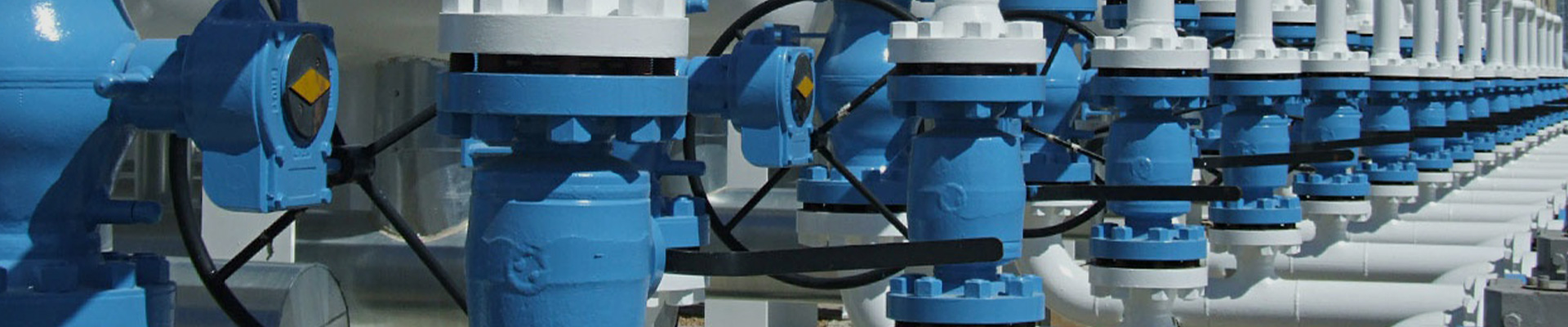
Corrosion that develops quietly inside a valve body, a connection that leaks under pressure after months of reliable service, a system that performs fine during commissioning but fails when operating conditions intensify — these are not abstract engineering concerns. They happen in water treatment facilities, HVAC installations, chemical processing lines, and residential plumbing every day. In many of these cases, the valve itself was not faulty. The problem was that the wrong material was chosen for the conditions it faced. Ball Valve Selection sits at the intersection of pressure requirements, fluid compatibility, operating environment, and budget — and getting it wrong costs more than the valve itself.
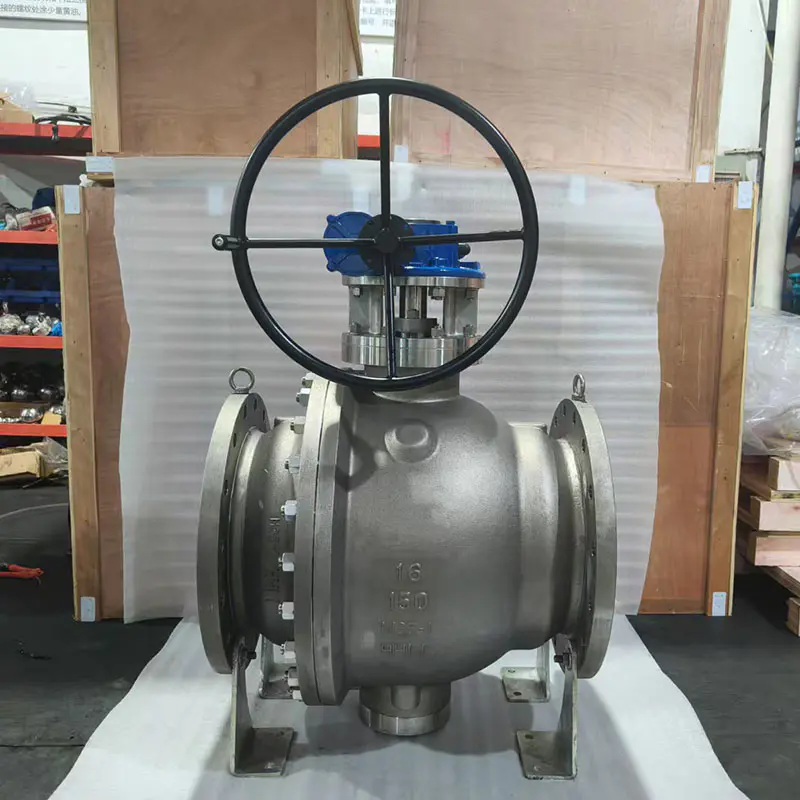
A ball valve controls flow by rotating a spherical element — the ball — within a valve body. The ball has a bore through its center. When the bore aligns with the pipe, flow passes through freely. When the ball is rotated a quarter turn, the bore sits perpendicular to the pipe, blocking flow entirely. That simplicity is the valve's core advantage: a single ninety-degree rotation moves the valve between fully open and fully closed.
The Ball Valve Working Principle translates to fast actuation, low pressure drop in the open position, and reliable shut-off when closed. These properties make it suitable across an unusually wide range of applications, from household water supply lines to high-pressure industrial pipelines.
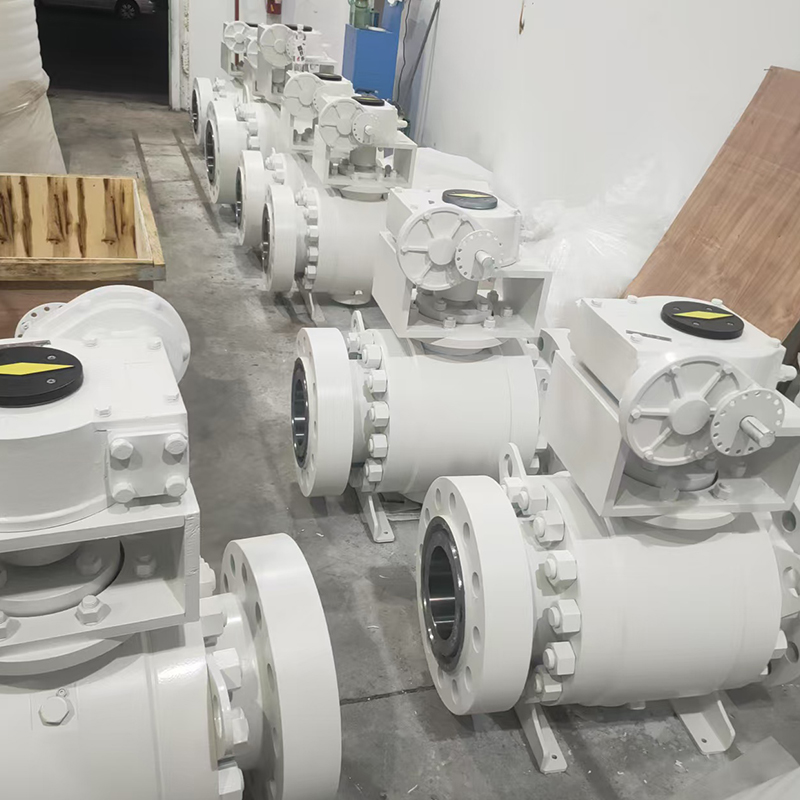
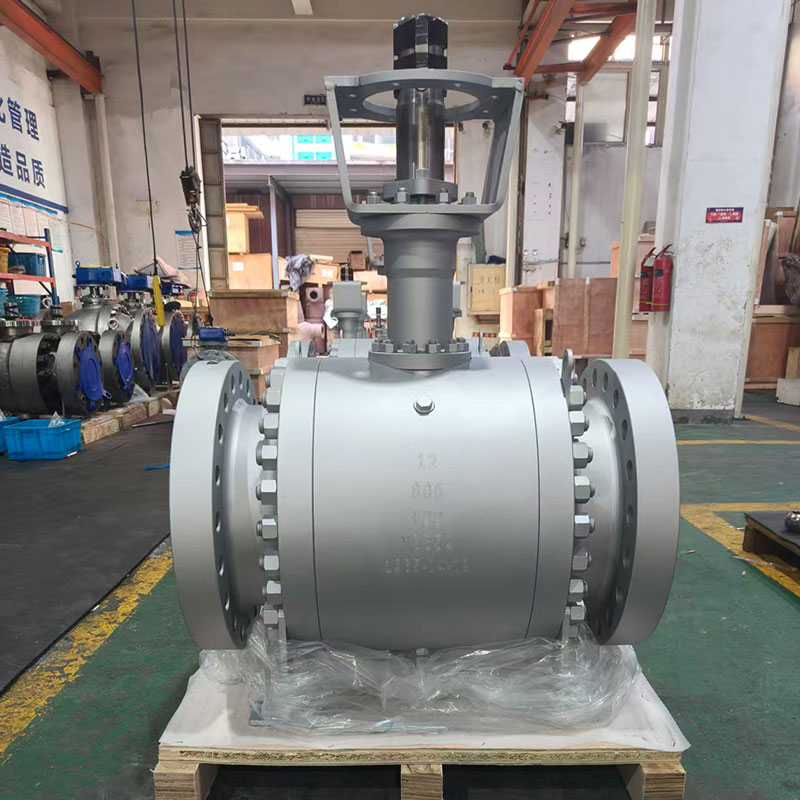
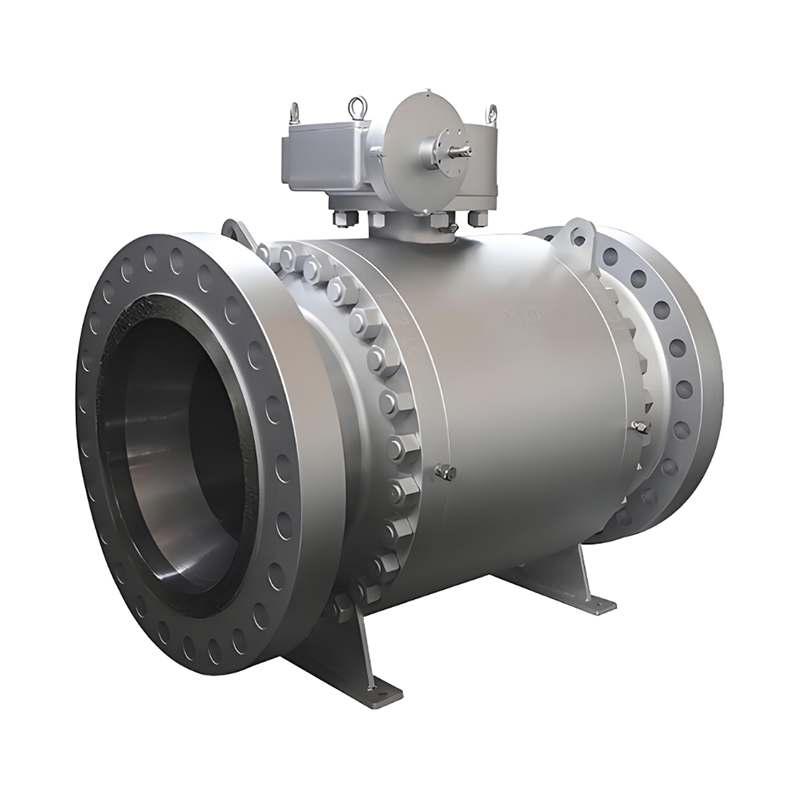
The main components include the valve body, the ball, the stem connecting the ball to the actuator or handle, and the seats — typically made from PTFE or other sealing materials — that press against the ball surface to prevent leakage when closed. The body material is where stainless steel and brass diverge most significantly, though seat selection and stem material also vary between designs.
The flow path through an open ball valve is essentially a straight tube. Resistance to flow is low, pressure drop across the valve is minimal, and turbulence is not introduced into the system during normal operation. This is a meaningful advantage in systems where pressure loss management matters — something that gate valves and globe valves cannot match in the same operating range.
The valve body and ball are exposed to the fluid being controlled, the operating pressure, the thermal environment, and any corrosive agents present in the system. Material selection determines how the valve responds to all of these conditions simultaneously, not independently. A material that performs well against corrosion may not handle high pressure adequately. A material that excels under pressure may be vulnerable to specific chemical exposures. Ball Valve Selection, at its core, is a materials matching problem.
Stainless steel is an iron-based alloy with chromium content that forms a passive oxide layer on the surface. This layer provides the corrosion resistance that the material is known for. The specific grade determines the extent of that resistance — different compositions perform differently against chlorides, acids, and other aggressive media.
Beyond corrosion resistance, stainless steel offers high tensile strength, good fatigue resistance under cyclic loading, and the ability to maintain structural integrity across a wide temperature range. These properties make it a natural fit for demanding industrial environments where both mechanical and chemical stresses are present.
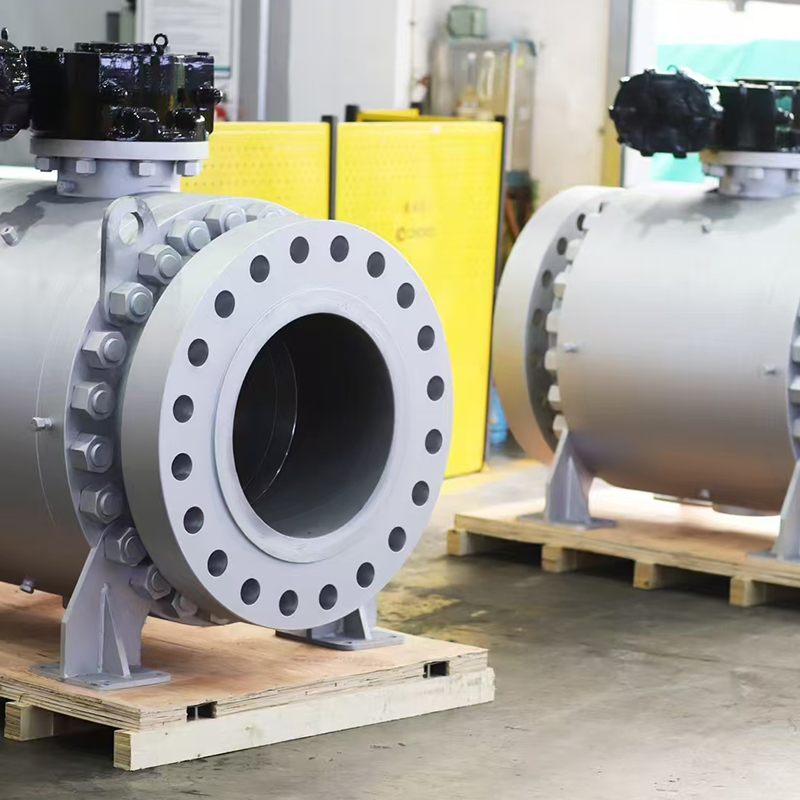
Stainless steel ball valves handle elevated pressure ratings that brass cannot match. In High Pressure Ball Valve applications — industrial process lines, hydraulic systems, steam handling, and high-pressure fluid transfer — stainless steel provides the structural margin needed to operate safely across the intended pressure range without risk of body deformation or seat leakage under load.
The mechanical advantage is not just about raw strength. It also relates to how stainless steel responds to pressure cycling. Systems that regularly see pressure fluctuations stress the valve body repeatedly. Stainless steel handles this cyclic loading without the progressive weakening that softer alloys can exhibit over time.
A Corrosion Resistant Ball Valve in stainless steel is appropriate in environments where aggressive media — seawater, chlorinated water, acidic or alkaline fluids, food-grade liquids — would damage less resistant materials. The passive surface layer regenerates if scratched under most conditions, which means the protection is not purely a coating that can be worn away.
In outdoor installations, coastal environments, and chemical processing, stainless steel holds its integrity in ways that brass cannot over extended service periods. The tradeoff is cost, but in environments where corrosion failure carries safety consequences or significant downtime cost, that tradeoff is generally straightforward.
Brass is a copper-zinc alloy that combines decent corrosion resistance with good machinability and reasonable mechanical strength. It has been used in plumbing and fluid control applications for an extended period because it machines cleanly, threads accurately, and resists the corrosion that pure copper or iron would face in water systems.
The alloy composition varies, and different brass grades have different performance profiles. Some grades are specifically formulated to reduce dezincification — a form of selective leaching that can weaken brass in certain water chemistries. For water supply applications, this distinction matters.
Brass costs considerably less than stainless steel. For applications where the operating environment does not demand stainless steel's performance characteristics, brass provides adequate performance at a lower per-unit cost. In large-scale residential plumbing projects, HVAC installations, or distribution networks where valve count is high and operating conditions are moderate, that cost difference accumulates meaningfully across the total system.
For a Low Pressure Ball Valve in residential plumbing, building services, or light commercial applications, brass delivers reliable performance within its rated range. The pressure requirements of these systems fall well within brass's structural capacity, and the corrosion exposure is manageable given typical domestic water chemistry.
Where brass underperforms is at the edges of its rating — in systems that approach or exceed its pressure capacity, or in environments with water chemistry that promotes dezincification or other forms of corrosion specific to copper-zinc alloys.
The core differences between these two materials become clear when compared across the factors that matter in real applications.
| Feature | Stainless Steel | Brass |
|---|---|---|
| Mechanical Strength | High | Moderate |
| Corrosion Resistance | Strong across aggressive media | Good in standard water and gas |
| Pressure Handling | Suited for high pressure systems | Suited for low to medium pressure |
| Temperature Range | Wide | Moderate |
| Cost | Higher unit cost | Lower unit cost |
| Service Life | Extended in harsh conditions | Moderate in standard conditions |
| Machinability | Harder to machine | Easier to machine |
| Weight | Heavier | Lighter |
| Typical Application | Industrial, chemical, marine | Residential, HVAC, water supply |
| Dezincification Risk | None | Present in some water chemistries |
The comparison above is not a simple ranking where one material wins overall. Each column reflects a tradeoff, and the right choice depends on which column matters in the specific application.
Stainless steel is stronger and maintains its mechanical properties under more demanding conditions. A Durable Ball Valve in stainless steel will outlast a brass equivalent in applications involving elevated temperatures, pressure surges, or chemically aggressive fluids. In standard residential plumbing at normal operating pressures, that extra strength is not needed and does not justify the cost difference.
Both materials resist general corrosion in clean water systems. The divergence appears under specific conditions: chloride-rich environments, acidic or alkaline fluids, and high-temperature applications. In these contexts, stainless steel maintains its integrity where brass would face accelerated attack. For straightforward municipal water systems with controlled chemistry, both materials perform adequately.
Pressure rating is the clearest functional dividing line. High Pressure Ball Valve applications require stainless steel — not because brass is inherently weak, but because the pressure margins involved in industrial systems exceed what brass is reliably rated for. For systems operating well within brass's rated range, pressure is not a differentiation factor.
Cost analysis in valve selection should extend beyond unit price. A brass valve installed in an application where it corrodes or fails early is more expensive than a stainless steel valve that serves reliably for years. The analysis should include expected service life, maintenance frequency, and the cost of system downtime if a valve failure occurs.
Stainless steel requires less frequent intervention in aggressive environments. Brass in appropriate applications is also low maintenance, but in conditions near its limits, surface deterioration and seat wear progress faster. Replacement intervals are shorter, and cumulative maintenance cost closes the gap with stainless steel's higher initial price.
A Ball Valve for Water in municipal, building, or residential supply systems is one of the most common procurement scenarios. Brass handles these applications well in most cases, provided the water chemistry is within normal municipal supply parameters. For systems where water quality is variable, high in chlorides, or where long maintenance intervals are required, stainless steel offers more consistent performance.
High Pressure Ball Valve applications in industrial settings — hydraulic circuits, process pipelines, high-pressure steam lines — require stainless steel. The pressure rating, temperature resistance, and fatigue performance that these environments demand fall outside brass's reliable operating range. Specifying brass in these contexts introduces risk that is difficult to manage through maintenance alone.
A Low Pressure Ball Valve in building services, HVAC, or residential plumbing is the natural territory for brass. The operating conditions are predictable, pressures are well within brass's capacity, and the cost advantage over stainless steel is real and meaningful at scale.
Chemical processing, wastewater handling, and marine installations all involve fluids or environmental conditions that attack valve materials in specific ways. A Corrosion Resistant Ball Valve in stainless steel — with appropriate grade selection for the specific chemistry involved — is the appropriate choice in these environments. Brass should not be assumed safe in chemically aggressive conditions without verifying compatibility with the specific fluid and operating temperature.
HVAC systems typically use treated water in closed circuits. Brass performs well in these environments because the fluid chemistry is controlled and pressures are moderate. Stainless steel is not required for most HVAC applications, though it may be specified in high-performance systems or where premium longevity is a design objective.
Both materials can be machined to equivalent bore geometries, so flow efficiency in the open position does not differ significantly between stainless steel and brass valves of equivalent design. Where material matters for flow is in the surface finish inside the valve body — smoother finishes reduce turbulence and potential for buildup in fluids carrying suspended solids.
Seat material — typically PTFE — has more influence on sealing performance than the valve body material. However, the ball surface quality and the dimensional stability of the body under pressure affect how consistently the seats maintain contact with the ball across the operating range. Stainless steel's greater dimensional stability under pressure contributes to more consistent sealing in high-pressure applications.
Repeated actuation cycles wear the ball surface and the seats. Both materials experience this, but the rate depends on the forces involved and the surface hardness. Stainless steel balls, particularly hardened variants, maintain surface quality over more cycles than brass in high-frequency operation. For valves actuated infrequently, the difference is less significant.
Failure risk in ball valves is most commonly associated with seat wear, stem seal degradation, or body corrosion. Material selection affects the last of these directly. In environments where body corrosion is a realistic risk, choosing a corrosion resistant material reduces failure probability substantially. In environments where corrosion is not a concern, seat and stem maintenance drives reliability more than body material.
Define the operating pressure range and any surge or transient pressures the valve will experience. If the pressure profile falls within brass's rated range with adequate margin, brass is a viable option. If pressures approach or exceed brass's limits, or if surges create uncertainty about peak loads, stainless steel is the appropriate choice.
The fluid being controlled matters as much as pressure. Water, gas, oil, and chemical media all interact differently with valve materials. For aggressive fluids — acids, solvents, high-chloride liquids, or anything with reactive properties — material compatibility must be verified specifically, not assumed from general category.
Evaluate the operating environment beyond the fluid itself. Outdoor installation, coastal proximity, humid industrial environments, and chemically active surroundings all accelerate corrosion on external valve surfaces. Stainless steel's corrosion resistance extends to the exterior as well as the flow path.
Cost is a legitimate factor in valve selection, not a compromise. If the application conditions fall within brass's reliable operating range, choosing brass is sound engineering, not a corner cut. Spending on stainless steel where brass performs adequately adds cost without adding performance.
Long-run maintenance access, replacement difficulty, and the consequences of valve failure in a specific installation all affect material choice. A valve that is difficult to replace should be specified with longer service life in mind. A valve in a frequently accessed, easily maintained position can accept a shorter expected service life if the initial cost difference is meaningful.
The cheapest valve for a given connection size is not automatically the right choice. A brass valve specified where stainless steel is needed may fail before the first maintenance interval — at a cost in downtime, labor, and potential damage that far exceeds the initial saving.
Pressure ratings are engineering limits, not suggestions. Operating a valve beyond its rated pressure — even intermittently — accelerates wear and introduces failure risk. Pressure surges in water hammer events or during system startup can briefly exceed steady-state operating pressures significantly.
Brass in seawater, acidic media, or high-chloride water applications will experience accelerated corrosion regardless of alloy grade. The dezincification risk in certain water chemistries is well documented. Using brass in these conditions without explicit compatibility verification leads to predictable failure.
Specifying stainless steel across an entire residential or light commercial system where brass performs adequately adds cost without improving reliability. Sound Ball Valve Selection matches material to conditions — not to the highest possible specification regardless of need.
A valve with lower initial cost but higher maintenance frequency may be more expensive over a five-year horizon than a higher-cost valve with longer service intervals. Lifecycle cost analysis, not purchase price alone, produces better value decisions over time.
Durability refers to mechanical longevity — resistance to wear, fatigue, and deformation under load. Corrosion resistance refers to chemical stability — the material's ability to maintain its properties when exposed to reactive substances. The two are related but distinct. A Durable Ball Valve in a corrosive environment can still fail if corrosion attacks the body or ball surface.
In high-cycle applications — automated systems, frequently actuated process valves, or valves in systems with significant pressure cycling — mechanical durability drives service life. The valve material needs to maintain its geometry and sealing performance across the expected operating cycles.
In chemical processing, marine environments, food and beverage production, and any system with reactive fluids, corrosion resistance determines whether the valve survives the operating environment at all. A valve that corrodes internally will fail to seal properly long before it reaches its mechanical wear limit.
The practical approach is to identify which failure mode is more likely in the specific application — corrosion or mechanical wear — and weight the material selection accordingly. In many industrial applications, both matter, and stainless steel addresses both simultaneously. In residential water supply, neither is typically a significant concern, and brass is adequate.
Neither is categorically better. Stainless steel suits high pressure, high corrosion, and industrial applications. Brass suits residential plumbing, water distribution, and lower-pressure systems where cost efficiency matters. The answer depends entirely on the application.
Brass has a pressure rating, and within that rating it performs reliably. The issue arises when systems operate near or above brass's limits, or when pressure surges occur unpredictably. For applications specifically described as high pressure, stainless steel is the appropriate material without ambiguity.
They are safer in the sense that they have wider operating margins across pressure and corrosion conditions. Whether that safety margin is needed — and worth paying for — depends on the application. Specifying stainless steel uniformly across all applications without regard for actual conditions is not engineering; it is over-specification.
Leakage typically originates from seat wear, stem seal degradation, or body corrosion that creates surface irregularities the seats cannot compensate for. Material choice affects body corrosion risk directly. Seat material and actuation frequency affect wear-related leakage.
Service life depends on operating conditions, actuation frequency, fluid chemistry, and whether the material is appropriately matched to the application. A well-matched valve in moderate service conditions can function reliably for many years. A mismatched valve in aggressive conditions may fail in months.
For standard municipal water supply at residential pressures, brass is suitable and widely used. For systems with unusual water chemistry, high pressures, or long maintenance intervals, stainless steel is worth the additional cost.
Stainless steel does cost more than brass, yes. The question is whether the corrosion resistance is needed. If the application does not expose the valve to conditions that would corrode brass, paying for stainless steel's additional resistance does not improve performance — it only increases cost.
In most cases, yes, provided the connection dimensions are compatible. Stainless steel valves in equivalent sizes generally fit the same connections as brass. Verify thread type and sealing face geometry before substitution. The flow and pressure characteristics will be equivalent or better.
Stainless steel is the standard choice for industrial applications where pressure, temperature, and fluid chemistry create demanding conditions. Grade selection within stainless steel then depends on the specific media and operating environment.
Check the system's operating pressure against the valve's rated pressure, and account for transient pressures from water hammer, pump startup, or pressure regulation failures. If the peak pressure — not just the steady-state operating pressure — approaches brass's limits, specify stainless steel.
Effective Ball Valve Selection is not about finding a universally correct material — it is about matching material properties to application conditions with enough accuracy that the valve delivers reliable service across its intended operating life. Stainless steel and brass each have clearly defined performance envelopes. The decision between them is most often a question of pressure requirement, fluid chemistry, installation environment, and budget — not a general judgment that one is inherently preferable to the other. Engineers and procurement professionals who frame the decision in those specific terms consistently arrive at choices that perform as intended. Zhejiang Yushun Valve Co., Ltd. manufactures ball valves in both stainless steel and brass across a range of sizes, pressure ratings, and connection types for industrial, commercial, and residential applications. For technical specifications, product matching, or volume sourcing inquiries, reaching out to their team directly is the practical next step toward a well-matched valve selection for your system.