русский
 عربى
عربى


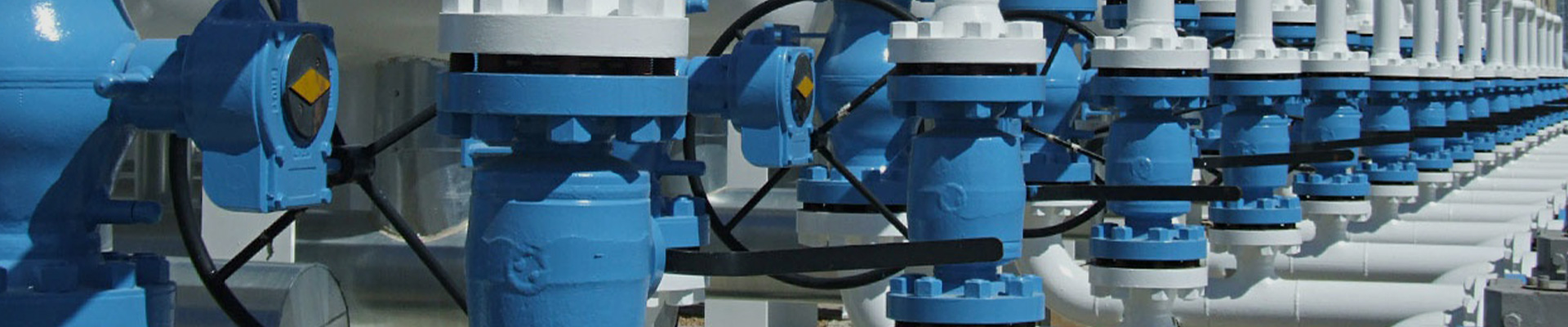
Walk through a brewery, a water treatment plant, or a food packaging facility, and somewhere along the piping you'll likely spot a round disc sitting inside a pipe section, turning slightly to open or close the flow. That's a butterfly valve doing its job, and when it's built from stainless steel, it's handling that task in an environment that demands both durability and cleanliness. Stainless Butterfly Components have become a common sight across piping systems precisely because they combine a straightforward mechanical design with material properties suited to demanding daily use.
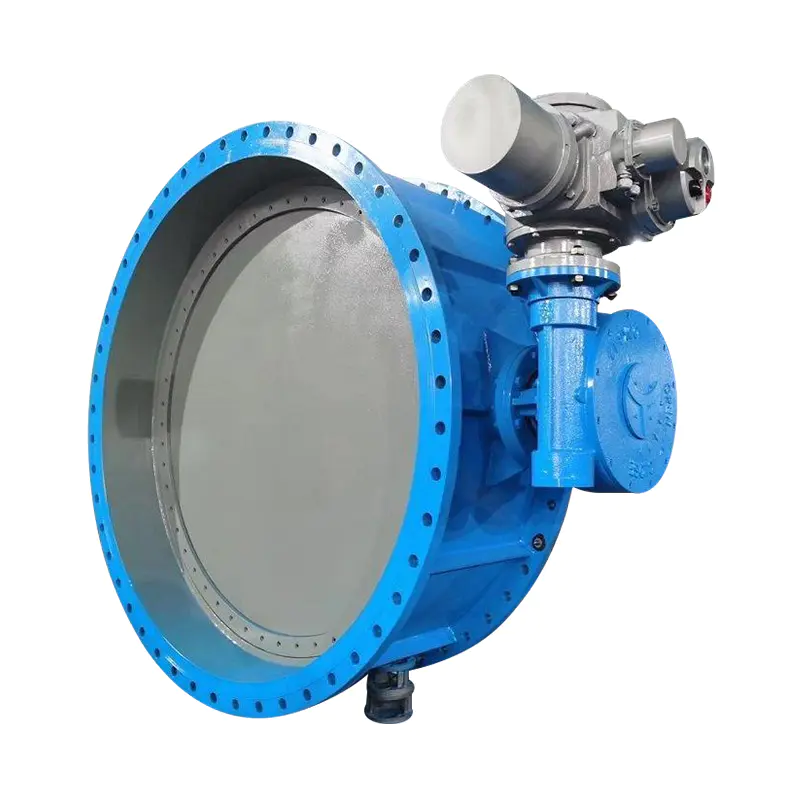
A piping system is only as reliable as its weakest connection point, and every valve along that system contributes to how smoothly the whole operation runs. Butterfly-style components have earned their place in a lot of these layouts by staying compact, simple to operate, and practical to maintain over years of continuous use.
Piping systems in factories and treatment plants often contain dozens of valves and connection points, and every added complication in that system creates another spot where something could eventually go wrong. Designers tend to favor parts that integrate cleanly without adding unnecessary bulk or maintenance burden.
| What Facilities Need | How These Components Respond |
|---|---|
| Fitting into varied pipe layouts | A compact structure that adapts to different configurations |
| Saving physical space along a pipeline | A slim profile that doesn't demand extra room |
| Keeping inspection routines manageable | A design that's straightforward to check and service |
| Running reliably day after day | Construction built to handle continuous operation |
A beverage bottling plant running production lines around the clock depends on valves that won't become a bottleneck during routine inspection, since any unplanned downtime along that line translates directly into lost production time.
The material a valve is built from matters just as much as its mechanical design, especially in environments where cleanliness and durability both carry real weight.
Stainless steel tends to offer:
A dairy processing facility, for instance, needs piping components that hold up to frequent washdowns and sanitizing routines without corroding or breaking down, which is exactly the kind of daily punishment stainless steel handles without much complaint.
Despite looking fairly simple from the outside, a butterfly valve plays a real role in managing how liquid or gas moves through a pipeline. A disc mounted on a rotating shaft sits inside the pipe, turning to allow flow through or blocking it off depending on how far it rotates.
| What It Does | Why It Matters |
|---|---|
| Controls flow rate | Helps manage how a process actually runs |
| Isolates sections of a system | Allows one part of a pipeline to be shut off without affecting the rest |
| Adjusts easily during operation | Gives operators flexibility to respond to changing conditions |
| Simplifies maintenance access | Makes servicing that section of pipe more manageable |
A water treatment plant needing to shut down one section of pipe for repairs without halting the entire system relies on a butterfly valve exactly for that isolation function, closing off just the section that needs attention while the rest keeps running.
Factory floors and processing facilities rarely have room to spare, and every piece of equipment competing for that limited space needs to justify its footprint.
A compact butterfly valve design tends to offer:
A food processing facility retrofitting an older piping system, for example, often chooses compact butterfly valves specifically because bulkier alternatives simply wouldn't fit into the existing layout without tearing out and rebuilding sections of pipe.
Water treatment, food production, and chemical processing don't share identical daily operations, yet a lot of them still rely on the same basic principle: controlling how fluid moves through a system.
| Industry | How the Valve Gets Used |
|---|---|
| Water management | Regulating flow through municipal or facility pipelines |
| Food production | Managing process flow during manufacturing |
| Chemical processing | Handling fluid movement through production systems |
| General manufacturing | Supporting utility pipelines across a facility |
| Building services | Managing water distribution throughout a structure |
A commercial building's water distribution system and a chemical plant's processing line look nothing alike on the surface, but both often depend on butterfly valves to manage flow at key points along their respective piping networks.
Picking a valve isn't just a matter of matching pipe diameter. The application, the maintenance routine, and how the piece fits into the broader system all factor into whether a component actually performs well over time.
| What to Consider | Why It Matters |
|---|---|
| Where the valve will operate | Different environments call for different material and design choices |
| How the piping is laid out | Installation conditions affect what actually fits and functions properly |
| What maintenance looks like | Some designs simplify servicing more than others |
| How it fits with existing equipment | Compatibility affects how smoothly the whole system runs |
A facility manager selecting valves for a chemical processing line needs to think through resistance to the specific fluids being handled, not just pick whatever fits the pipe diameter, since the wrong material choice can shorten a valve's working life considerably.
Industrial buyers today expect more than a valve that simply opens and closes. They want equipment that installs cleanly, integrates with existing systems, and doesn't turn into a maintenance burden down the line.
Recent design shifts tend to focus on:
A facility upgrading toward more automated process control often specifically seeks out butterfly valves designed to interface smoothly with that automation, rather than retrofitting older manual valves into a system they weren't built for.
A valve that works fine when new but becomes difficult to service later ends up costing more time and effort than it saves. Maintenance considerations have become a real factor in how these components get designed from the start.
| Design Focus | Practical Payoff |
|---|---|
| Accessible construction | Makes routine inspection faster and simpler |
| Straightforward mechanism | Speeds up servicing when something needs attention |
| Organized internal structure | Supports better cleaning, especially in food or beverage settings |
| Dependable connections | Keeps the system running steadily over the long haul |
A brewery running strict sanitation schedules benefits directly from valves built for easy disassembly and cleaning, since that facility can't afford equipment that slows down its regular sanitation routine.
Manufacturers across a lot of industries have started paying closer attention to how long their equipment actually lasts before needing replacement, partly because unnecessary replacement costs both money and resources.
Durable stainless components support this shift by encouraging:
A manufacturing plant replacing valves only when genuinely necessary, rather than on an arbitrary schedule, tends to reduce both waste and operating costs over several years of continuous use.
Manufacturers can't simply produce one standard valve and expect it to satisfy every industry. Different applications create different demands, and reconciling all of that during production takes careful, ongoing attention.
| Challenge | What It Involves |
|---|---|
| Serving varied applications | Building enough flexibility into the core design |
| Keeping pace with shifting expectations | Continuously refining products as industries evolve |
| Meeting real installation needs | Practical engineering that accounts for actual site conditions |
| Maintaining consistent quality | Reliable manufacturing processes across every batch produced |
A manufacturer supplying both food processing plants and general industrial facilities has to account for genuinely different priorities, since sanitation standards in a food setting demand a different level of attention than a standard utility pipeline might require.
Industrial piping systems keep moving toward setups that are more organized, more adaptable, and easier to manage over the long term. Stainless Butterfly Components are following that same trajectory, showing up in designs that integrate more smoothly with automated systems and demand less manual attention during routine servicing.
As water treatment, food production, construction, and general manufacturing keep evolving their own daily operations, these components will likely keep finding their way into new projects — not because they're flashy or complicated, but because they quietly solve a practical problem that every piping system eventually runs into: how to control flow reliably without adding unnecessary hassle to the people managing that system every day.