русский
 عربى
عربى


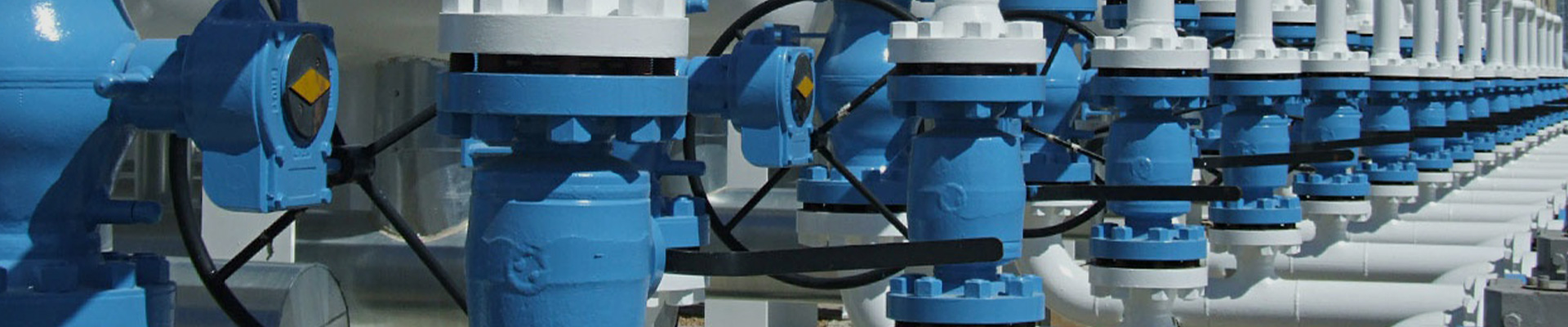
Picture a maintenance technician crouched under a pipeline in a food processing plant, trying to reach a shutoff valve wedged between two other components. Or a facilities engineer planning a water system retrofit where every inch of mechanical room space already has something claimed. These everyday scenarios explain why Stainless Butterfly Valve designs keep showing up across so many different fluid systems. Their compact build and corrosion-resistant material options make them a practical fit wherever clean handling and dependable flow control actually matter.
A valve might look like a minor detail buried somewhere in a larger pipeline layout, but its placement can end up shaping daily operation more than people expect. It's the thing standing between liquid flowing freely and liquid stopping completely, and depending on the system, it might need to open and close dozens of times a week without fail.
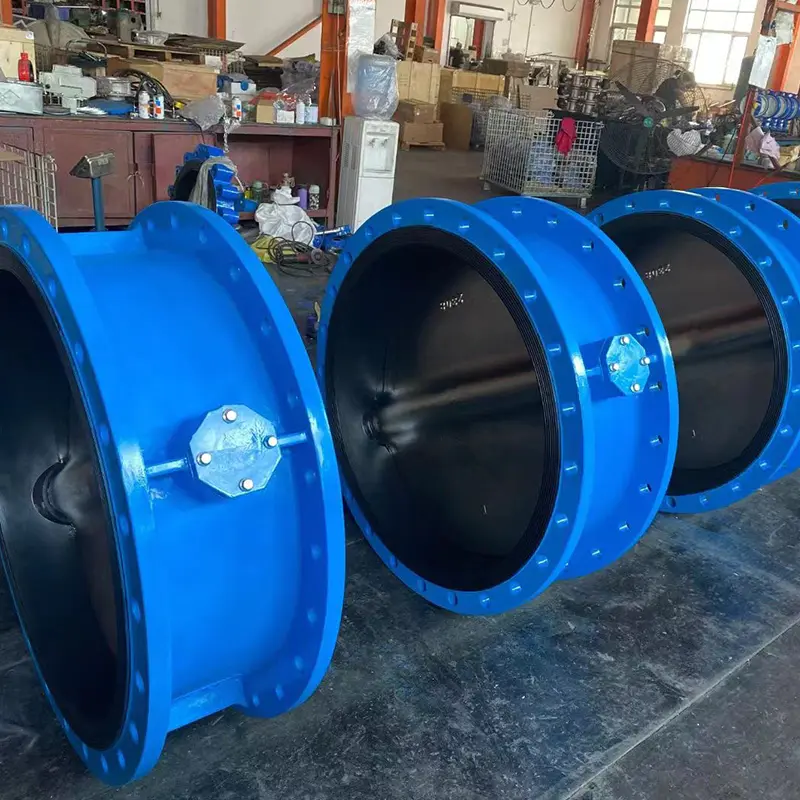
As equipment keeps shrinking into tighter footprints and applications keep branching into more specialized uses, manufacturers keep adjusting Butterfly Valve designs around what actually happens during installation and years of ongoing maintenance.
A Butterfly Valve works through a circular disc sitting inside the pipeline. That disc rotates, either blocking the passage or swinging clear of it, controlling how much liquid or gas actually gets through.
Compared to some bulkier valve types, this design tends to take up noticeably less physical space, which matters a lot when a pipeline runs through a cramped mechanical room or squeezes between other equipment.
The basic logic behind it stays simple:
Valve closed → disc blocks the passage → flow stops
Valve open → disc swings clear → flow moves through
Between those two extremes, the disc can sit at various angles, letting an operator fine-tune exactly how much flow passes through at any given moment.
The stainless material often used in these valves adds real resistance against corrosion and general wear from environmental exposure, which is a big part of why material choice gets so much attention during development.
| Component | What It Actually Does |
|---|---|
| Valve body | Forms the main structural housing |
| Disc | Controls how open or closed the passage is |
| Stem | Transfers rotational movement down to the disc |
| Seal | Limits leakage when the valve sits closed |
| Handle or actuator | Lets someone actually operate the valve |
Exact construction shifts a bit depending on what the valve is actually built to handle, but this basic setup stays fairly consistent across most designs in this category.
Material choice directly shapes how a valve holds up once it's actually working in the field.
Stainless steel gets picked often because it resists corrosion reasonably well and cleans up easily, which matters a lot in settings where the valve regularly comes into contact with moisture or liquid buildup.
That said, stainless steel isn't automatically the right call for every fluid or every operating condition out there. The specific grade, the surrounding pipe materials, what the fluid actually contains, and the broader environment all factor into whether it's genuinely the right material for a given job.
Buyers working through this decision usually end up asking:
Working through these questions ties material choice back to actual, real-world use rather than picking stainless just because it looks clean and professional on a spec sheet.
A lot of modern equipment gets built around increasingly tight, carefully planned layouts.
Pipelines often wind through crowded mechanical areas where every component fights for space. Maintenance crews still need enough clearance to actually inspect or operate whatever's installed there, even in these packed conditions.
The compact shape of a Butterfly Valve helps address exactly this kind of constraint.
Set next to bulkier valve types, a butterfly design generally takes up less room around the pipeline itself, which gives everything else in that layout a little more breathing room.
| Space Challenge | How Design Responds |
|---|---|
| Tight surrounding clearance | A genuinely compact valve footprint |
| Hard-to-reach mounting spots | Handle or actuator placed somewhere accessible |
| Crowded pipeline sections | A reduced external structure overall |
| Future maintenance needs | Components positioned with access in mind |
| Planned system expansion | Layout flexibility built in from the start |
Choosing a compact valve doesn't remove the need for careful planning, though. Whoever's installing it still has to think through access routes, how connections line up, how much room the operating mechanism actually needs to move, and what's sitting nearby that might get in the way later.
Getting that layout planning right up front tends to save real headaches once maintenance crews start needing regular access.
Butterfly Valves turn up in a genuinely wide range of fluid-handling systems, though how well one actually fits depends heavily on the fluid, the environment, and how the pipeline itself is laid out.
Common places these valves end up working include general water systems, building service pipelines, food processing lines, various industrial setups, and fluid circulation loops where dependable flow control matters.
| Setting | Main Design Concern |
|---|---|
| Water systems | Handling flow control alongside environmental exposure |
| Building services | Fitting into available space conveniently |
| Processing lines | Matching material compatibility with cleaning needs |
| Industrial systems | Standing up to real operating conditions over time |
| Fluid circulation | Maintaining suitable connections and control |
A valve that works well in one setting doesn't automatically transfer over to another without adjustment.
A valve running in a food processing environment, for instance, typically needs different material and surface finish requirements compared to one sitting in a general water distribution system. That's really why manufacturers keep developing variations built around this same basic butterfly structure rather than treating it as one-size-fits-all.
A Butterfly Valve only does its job properly if it seals tightly when closed.
That sealing arrangement sits right where the disc meets the valve body, and its whole purpose is limiting unwanted leakage whenever the valve's supposed to be fully shut.
Different applications call for different sealing materials depending on what's actually running through the pipeline.
Factors that typically shape that seal choice include:
The seal really needs to be considered alongside the disc and body together, not chosen as some separate afterthought.
A sealing arrangement that's genuinely well-matched to the application supports smooth, reliable operation. Pick the wrong material, though, and it tends to create maintenance headaches down the line, whether that's premature wear or leaks that show up sooner than expected. This is exactly why valve manufacturers think through the whole operating picture before settling on sealing materials, rather than choosing them in isolation from everything else.
Not every installation calls for the same way of actually operating the valve.
A manually operated Butterfly Valve works fine in settings where someone can walk up and physically reach the handle without much hassle.
Other setups genuinely need remote or automated control instead. In those cases, an actuator gets connected to the valve, moving the disc without requiring anyone to physically handle it directly.
Which approach makes sense really comes down to how the broader system actually gets operated day to day.
| Operating Style | Where It Tends to Fit |
|---|---|
| Manual handle | Valves sitting somewhere easily reachable |
| Gear-assisted operation | Situations needing controlled, deliberate manual movement |
| Automated actuator | Remote control or frequent repeated cycling |
| Integrated control system | Setups coordinating multiple pieces of equipment together |
Automation keeps reshaping how valves fit into larger equipment systems overall.
A valve increasingly becomes one piece of a broader control setup rather than functioning as an isolated mechanical part sitting on its own. That's especially useful in facilities where operators want to monitor and adjust several components from a single control station, instead of walking the floor checking each valve by hand.
Maintenance considerations play a bigger role in valve selection than they used to.
A valve can run for a long stretch without drawing much attention, but it's still a working part of a larger system that needs regular inspection. Checking seals, cleaning surrounding surfaces, and verifying connections all help keep normal operation running smoothly over time.
Manufacturers have responded by focusing more on designs that are genuinely easier to inspect and service.
A few practical considerations tend to come up repeatedly:
These details don't always jump out when someone's looking at a brand new valve fresh out of the box. They tend to matter a lot more once that valve's been sitting in place for a year or two, quietly doing its job.
Choosing a Stainless Butterfly Valve works better when it starts with the actual application rather than a specific product name pulled from a catalog.
Giving a supplier details about the fluid involved, the pipeline setup, the installation environment, and expected maintenance routines helps narrow down which designs genuinely make sense.
Questions worth working through early on:
Checking whether the valve's connections actually match the existing pipeline matters too. A valve that suits the fluid perfectly but doesn't fit the physical installation can still end up creating unnecessary extra work during setup.
For procurement teams, staying in close communication with suppliers throughout this process tends to make a real difference in avoiding mismatched product selections down the line.
Valve development keeps getting pulled closer into the broader design process for fluid-handling equipment overall.
Manufacturers increasingly weigh compact installation, easier maintenance, material compatibility, and automation readiness together, as part of one connected development process rather than separate, isolated decisions.
That shift means a modern Butterfly Valve isn't really just a disc sitting inside a pipe anymore.
Its body, disc, seal, operating mechanism, connection points, and chosen material all need to work together as a coordinated whole, not as separate parts bolted together after the fact.
Development work tends to circle around a handful of core priorities:
| Focus Area | Practical Goal |
|---|---|
| Material choice | Matching the actual working environment |
| Compact build | Supporting genuinely space-conscious installation |
| Sealing design | Ensuring dependable shutoff when closed |
| Operating mechanism | Keeping adjustment straightforward for the operator |
| Maintenance access | Making inspection and service genuinely manageable |
| Automation readiness | Fitting smoothly into modern control systems |
This shifting role for valves reflects something bigger happening across industrial equipment design generally. Individual components keep getting expected to fit smoothly into the complete system they're part of, rather than just performing one narrow function in isolation.
For Stainless Butterfly Valve applications specifically, that means material, structure, operating method, installation planning, and maintenance access are all becoming tightly connected parts of the same selection and development process, rather than boxes checked off one at a time.