русский
 عربى
عربى


A homeowner once spent an entire Saturday morning wrestling with a corroded gate valve under his kitchen sink, trying to shut off water to fix a leaky faucet. The handle wouldn't budge without a wrench, then it stuck halfway, then water kept dribbling out even after he thought it was closed. He finally gave up, called a plumber, and watched the guy swap it for a ball valve in about fifteen minutes flat. Ever since, he just reaches down, gives the handle a quarter turn, and the water's either on or off — no guessing, no fighting with rusted threads. That kind of simple, predictable control is basically the whole reason Low Pressure Ball Valves show up in so many pipelines, from under kitchen sinks to garden hoses to small commercial systems. A Low Pressure Ball Valve is a valve built to control fluid flow in systems that don't deal with heavy pressure demands, using a rotating ball inside the body to open or close the path water takes. Turn the handle a quarter turn one way, and the ball rotates to let fluid through. Turn it the other way, and the opening lines up differently, cutting the flow off completely. That simple mechanical idea is part of why so many people, even without any plumbing background, can figure out how to operate one just by looking at it.
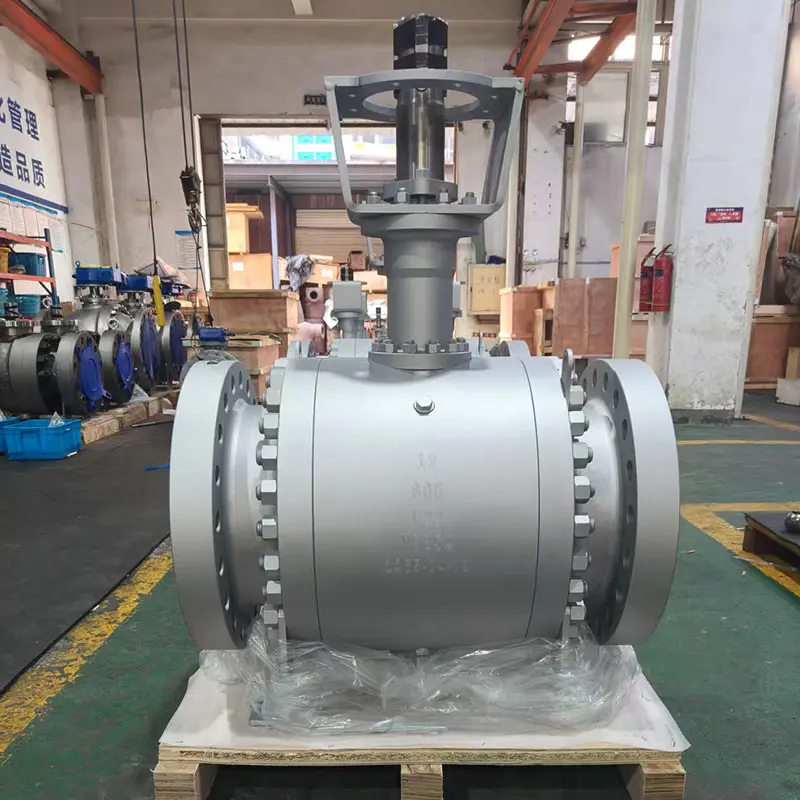
Before getting into where these valves show up, it helps to know what's actually happening inside the housing when someone turns that handle.
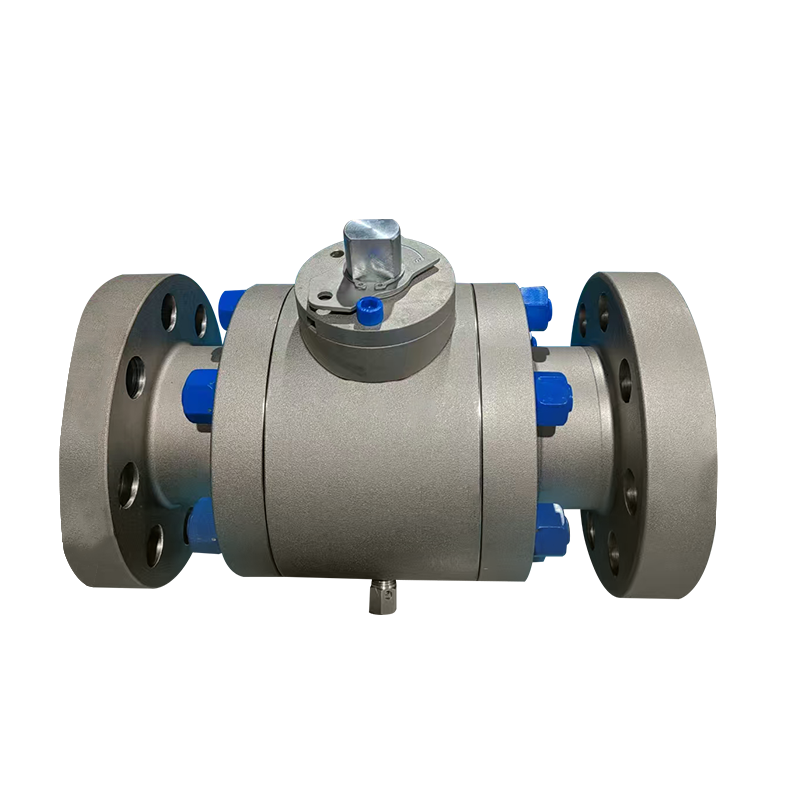
A basic ball valve includes a few core parts:
| Part | What It Does |
|---|---|
| Valve body | Houses the internal components and holds everything together |
| Ball element | Rotates to open or close the flow path |
| Handle | Lets someone manually control the valve's position |
| Connection section | Links the valve into the rest of the pipeline |
Each piece plays its own role, but together they're what let someone control water or gas flow with a simple twist of the wrist rather than fighting with a stubborn mechanism.
Fluid systems don't work well when flow is unpredictable. Too much pressure through a section of pipe, or a valve that won't fully shut, tends to cause problems that ripple out into bigger headaches later.
A properly working valve helps someone adjust or stop flow exactly when they need to, across situations like:
Different environments call for different setups, but the underlying goal stays pretty consistent — keeping fluid movement something a person can actually predict and control, rather than something that just does whatever it wants.
The whole mechanism behind a Low Pressure Ball Valve comes down to a simple turning action.
Move the handle, and the ball inside rotates along with it. That rotation shifts the opening inside the valve, either lining it up with the flow path or blocking it off entirely.
That simple design brings a few practical advantages:
| Feature | Why It Helps |
|---|---|
| Simple turning motion | Doesn't require any special technique to operate |
| Clear open and closed positions | Leaves no doubt about whether flow is on or off |
| Compact build | Fits into tight spaces without much fuss |
| Reliable repeated use | Holds up to being turned on and off constantly |
Because the mechanism is so straightforward, most people can operate one of these without needing instructions or a background in plumbing.
Low Pressure Ball Valves end up in a pretty wide range of places, mostly because they solve the same basic problem across a lot of different settings.
Homes often rely on valves to manage water flow to specific fixtures, outdoor spigots, or maintenance sections of the plumbing. A ball valve under a sink or near a water heater makes shutting off a single section simple, without cutting water to the whole house.
Irrigation setups and garden hoses both benefit from valves that let someone direct water exactly where it's needed, without a complicated process just to turn the flow on or off.
Facilities often need valves in maintenance sections where staff regularly need to adjust or shut off flow for repairs or upkeep.
Plenty of machines and setups need some kind of basic fluid control, and a ball valve tends to fit that role without adding unnecessary complexity.
That range of use is really what makes these valves so common across such different fields.
Nobody wants to wrestle with a stuck handle or fumble through a complicated process just to turn water on or off.
A Low Pressure Ball Valve supports easy operation because the handle connects directly to what's actually happening inside — turn it, and the flow changes immediately.
That direct connection makes it simple to:
Straightforward operation like that tends to cut down on the kind of frustration that comes from fighting with equipment that should just work.
A valve usually gets opened and closed over and over across months or years, and that repeated use puts real demands on the internal structure.
A well-built valve holds up to that kind of regular handling without wearing out or getting stuck.
A few things that tend to affect how well it holds up:
| Area | Why It Matters |
|---|---|
| Valve structure | Supports the wear of daily operation |
| Material choice | Affects how well it handles different conditions |
| Internal movement | Determines how smoothly the handle actually turns |
| Connection quality | Keeps the whole system stable over time |
Proper installation and a bit of regular attention also go a long way toward keeping things working smoothly for years rather than months.
Every plumbing or pipeline setup looks a little different. Some spaces are cramped and awkward, while others leave plenty of room to work.
A Low Pressure Ball Valve tends to fit into different layouts because its structure doesn't demand much extra space or complicated fittings.
A few things worth thinking about during installation:
A valve that adapts easily to different layouts saves a lot of headache compared to one that only works in very specific conditions.
Keeping a fluid system running properly depends a lot on how easy its components are to check on regularly.
Most people would rather glance at a valve and confirm it's fine than deal with a complicated inspection process every few weeks.
The simple structure of a Low Pressure Ball Valve tends to make that kind of routine check pretty painless.
A few habits worth keeping up with:
Staying on top of these small habits tends to catch small issues early, well before they turn into bigger problems down the line.
Every industry deals with fluid management a little differently, but a lot of them end up relying on the same basic kind of valve to get the job done.
| Industry | How It Gets Used |
|---|---|
| Agriculture | Managing water distribution across fields |
| Construction | Handling temporary fluid setups on site |
| Property management | Supporting building maintenance tasks |
| Manufacturing | Assisting with equipment fluid control |
That flexibility lets the same basic valve serve pretty different purposes without needing a complicated operating process for each one.
Picking the right valve really comes down to understanding what the system actually needs, rather than just grabbing whatever's on the shelf.
A few practical questions worth asking:
| Question | Why It Matters |
|---|---|
| What fluid is actually running through it? | Helps match the valve to the system's needs |
| Where will it actually be installed? | Affects placement and how it fits the space |
| How often will it get used? | Influences which valve makes the most sense |
| How much maintenance feels manageable? | Shapes long-term satisfaction with the choice |
Thinking through these questions ahead of time tends to save someone from ending up with a valve that's more hassle than it's worth.
Fluid systems keep shifting toward setups that emphasize practical operation, easier maintenance, and flexible control rather than complicated mechanisms. As people manage more varied fluid applications across homes, farms, and commercial properties, simple and adaptable valve options keep proving genuinely useful. Low Pressure Ball Valve fits into that shift by offering a convenient way to control fluid movement across a lot of different environments. Its simple design, wide range of applications, and easy operation keep it a practical choice as flow management needs keep evolving — which is really why that homeowner never thinks twice about his plumbing anymore, just reaches down, gives the handle a quarter turn, and gets on with his day.
b