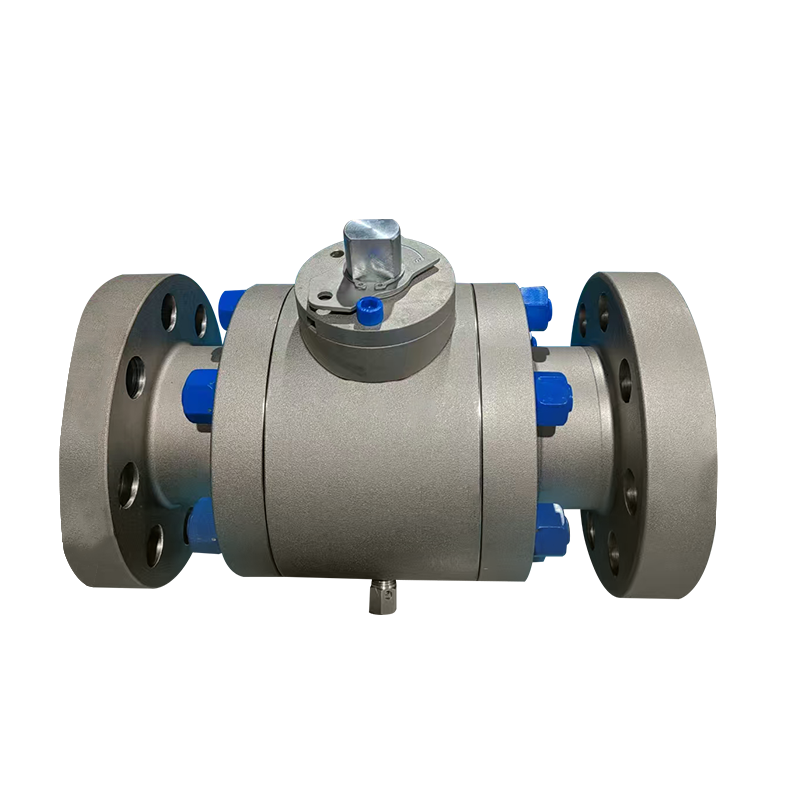
What Affects Ball Valve Maintenance in Water Systems
Posted by Admin | 08 Sep
Water often gets treated as a plain, predictable substance flowing through a pipe. In practice, its condition varies a lot depending on the source, how it's been treated, how it's stored, and what it picks up along the way before reaching a valve.
Minerals dissolved in water can gradually leave deposits on surfaces they pass over. Once that buildup starts, valve movement can lose some of its original smoothness — and this doesn't always show up right away, which makes regular observation genuinely useful for anything staying in service a long time.
Small particles create a separate challenge entirely. Sand, tiny rust flakes, sediment, and similar debris can travel through pipework and end up right at the valve. Repeated contact with this kind of material wears on moving surfaces and can make a handle noticeably harder to turn over time.
Water carrying a heavier mineral or dissolved solid load can also affect materials differently depending on what the valve itself is built from. This is exactly why water quality belongs in the conversation before a valve gets chosen, not after problems start showing up.
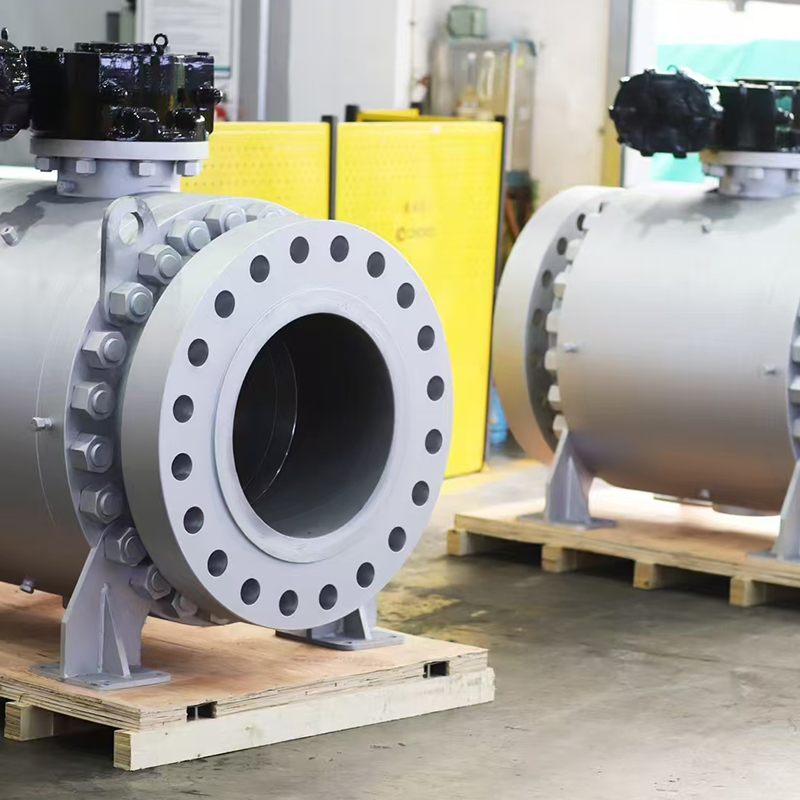
A Ball Valve for Water needs to be matched to the actual water it'll be handling. A valve running in a clean indoor plumbing system faces a very different daily reality than one installed where sediment or mineral content shows up regularly.
How Temperature Shifts Change What A Valve Deals With
Water temperature isn't static throughout a building or facility — it shifts as water moves through different sections, and those shifts place their own kind of stress on connected components over time.
Materials don't all respond to heat and cold the same way. Some expand when warmed and contract when cooled, and when different materials sit connected within the same system, repeated temperature swings can gradually affect joints, seals, and other points of contact between them.
This shows up in how a valve actually feels to operate. A handle that used to turn smoothly can start feeling stiffer if deposits or sealing materials respond to shifting temperatures in ways that create friction. That doesn't automatically mean failure — it's often just a signal that a closer look is worth the time.
Warm water tends to create a noticeably different maintenance environment than steady cold-water service. If a system regularly cycles between temperatures, valve selection should reflect that reality rather than getting decided purely on pipe size or connection type.
Temperature Pattern
Practical Consideration
Steady cold water
Fewer thermal stress concerns
Regular hot/cold cycling
More stress on joints and seals
Sudden temperature swings
Higher chance of handle stiffness
Consistently warm water
Different wear pattern on seals
The more useful question isn't just how hot or cold the water happens to be at any given moment — it's whether that temperature changes often, and whether those shifts line up with how frequently the valve gets used.
Does How Often A Valve Gets Used Change Its Maintenance Needs?
A valve opened and closed constantly experiences a genuinely different working life than one that mostly sits in one position. Frequent operation means more internal movement, which puts more focus on how well the moving parts and contact surfaces are holding up.
This matters especially in systems where flow needs regular adjustment throughout the day. That repeated movement can gradually wear down smoothness, particularly when the water also carries particles or mineral deposits along with it.
Infrequent use creates the opposite problem. A valve left untouched for a long stretch can become surprisingly stiff the moment someone actually needs to move it. Deposits settle, sealing materials age in place, and connections can shift slightly during that long idle period.
Both extremes create real maintenance concerns — heavy use and long neglect each bring their own version of the same underlying risk. An inspection routine works best when it actually reflects how a valve gets used day to day, rather than assuming less activity automatically means less attention is needed.
Paying attention to changes in handle movement, or how long it takes to actually control flow compared to normal, gives an early signal that cleaning or inspection is worth scheduling before the issue grows.
How Much Does The Surrounding Pipework Actually Matter?
A valve can be in solid condition while everything around it quietly creates problems. Pipe movement, vibration, moisture, weak support, and the materials used nearby all shape the conditions a valve actually has to deal with.
A poorly supported pipe places ongoing pressure on whatever it's connected to. That pressure often becomes more noticeable when flow changes or when other equipment on the same system starts and stops repeatedly, and over time, that kind of movement wears on joints and connections.
The physical location matters just as much. A valve sitting in a damp or poorly ventilated spot deals with more surface moisture than one installed somewhere clean and dry, and persistent moisture makes both deterioration and inspection more difficult.
Pipe cleanliness upstream deserves consideration too. Rust or sediment sitting in older sections of a water system can travel toward a valve even when the water entering that system looks perfectly clean at the source. This is exactly why a valve shouldn't get evaluated as a standalone piece separate from the pipe network feeding it.
When the same valve keeps running into problems repeatedly, checking the surrounding pipework often reveals a bigger picture. Swapping in a new valve alone rarely fixes anything if pipe movement, contamination, or moisture stays exactly the same as before.
When Corrosion Actually Becomes A Real Concern
Corrosion becomes worth worrying about when water and environmental conditions gradually work on exposed metal surfaces. That risk isn't the same everywhere — water composition, moisture exposure, nearby materials, and maintenance habits all shape how much of a concern it actually becomes.
Discoloration, rough patches, surface marks, or visible changes around connections are all worth a closer look. None of these signs automatically mean a valve needs replacing, but ignoring them tends to make future maintenance harder than it needed to be.
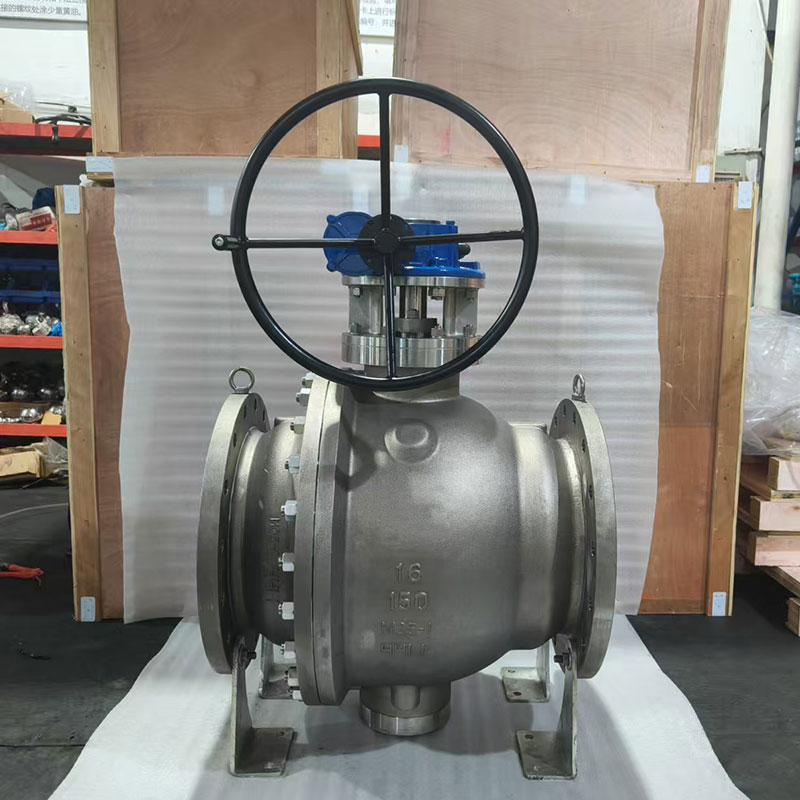
A Corrosion Resistant Ball Valve is worth considering in environments where surface deterioration is a genuine, recurring concern. Even then, corrosion resistance isn't a reason to stop paying attention to water quality or surrounding conditions — even well-suited materials still need an environment that actually matches what they're built for.
Connections deserve particular focus since moisture tends to linger around joints and other contact points. If water keeps collecting in the same spot repeatedly, it's worth tracking down the actual source rather than just wiping the surface clean each time and moving on.
Corrosion Signal
What It Suggests
Surface discoloration
Early material reaction to environment
Rough or pitted areas
Ongoing surface deterioration
Recurring moisture at joints
Possible unaddressed leak source
Marks near connections
Interaction between different materials
Surrounding pipe materials play into this too. When different metals or materials connect within one system, how they interact with water and moisture affects nearby surfaces, which makes material choice a decision that has to consider the whole system rather than the valve body in isolation.
How Sediment And Deposits Wear Down Valve Operation
Sediment shows up in plenty of water systems that aren't completely free of suspended material. Small particles settle in low-flow spots or get carried along whenever flow shifts, and once they reach a valve, they tend to collect around internal areas and contact surfaces.
Mineral deposits create a similar kind of problem. Water carrying dissolved minerals can leave material behind as conditions change slightly, and repeated buildup over time affects how smoothly a valve opens and closes.
This tends to happen gradually rather than all at once. A valve starts out moving normally and slowly becomes harder to operate, which means the change often goes unnoticed until it's become noticeably significant.
Regular cleaning of accessible parts helps catch this kind of issue early. It's also worth tracing where the sediment is actually coming from — if deposits reappear soon after a cleaning, the real source is probably somewhere in the wider water system rather than the valve itself.
Water filtration and general pipe cleanliness end up having an indirect but real effect on valve maintenance overall. A cleaner water path simply leaves less material available to build up around moving parts in the first place.
What Keeps Maintenance Practical Rather Than Complicated
Maintenance doesn't need elaborate procedures to be genuinely useful. Simple visual checks, basic cleaning, watching for leaks, and paying attention to changes in how a valve operates all provide real, usable information about its condition.
Physical access matters more than it might seem. A valve tucked behind fixed structures or buried under stored materials makes even a basic check inconvenient, and poor access is exactly why small problems often get discovered much later than they should.
It's worth looking past obvious leaks too. A valve that isn't leaking can still show stiffness, surface wear, unusual sound, or subtle changes in how well it controls flow — all details that point toward developing issues before they turn disruptive.
Cleaning approaches should match the actual water conditions at hand. A system with frequent sediment buildup needs more consistent attention than a cleaner installation, and using cleaning methods unsuited to the valve or its environment can end up creating new problems instead of solving existing ones.
Keeping basic records helps tie all of this together. A simple log noting when a valve started feeling different, when deposits first appeared, or when a connection needed attention makes patterns much easier to spot than relying purely on memory.
Matching Valve Choice To The Actual Water Environment
There's no single water environment that applies across every application. Residential systems, commercial buildings, agricultural setups, public infrastructure, and industrial facilities all deal with genuinely different water conditions and maintenance routines.
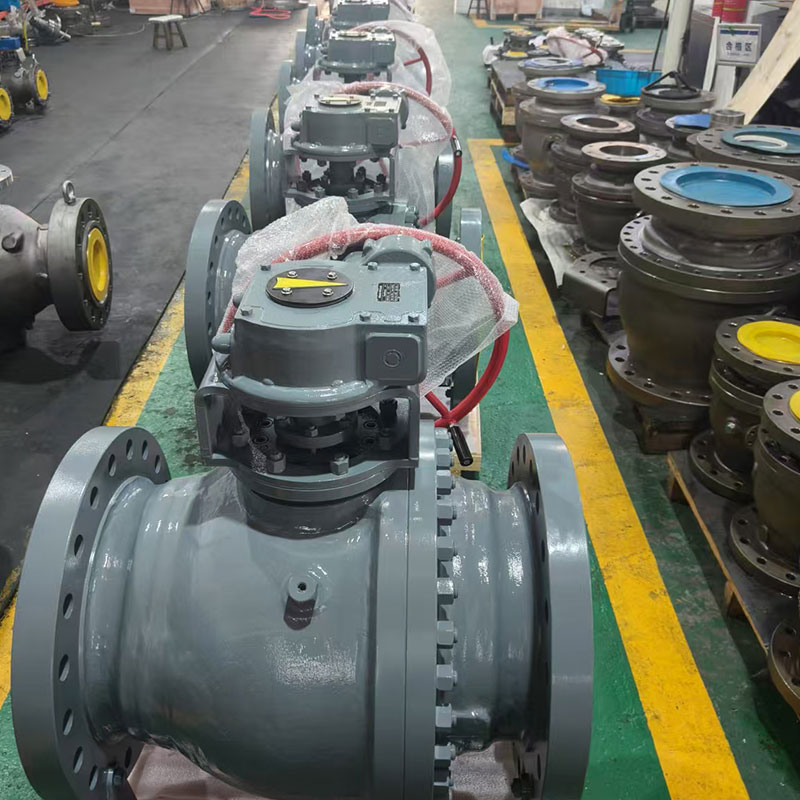
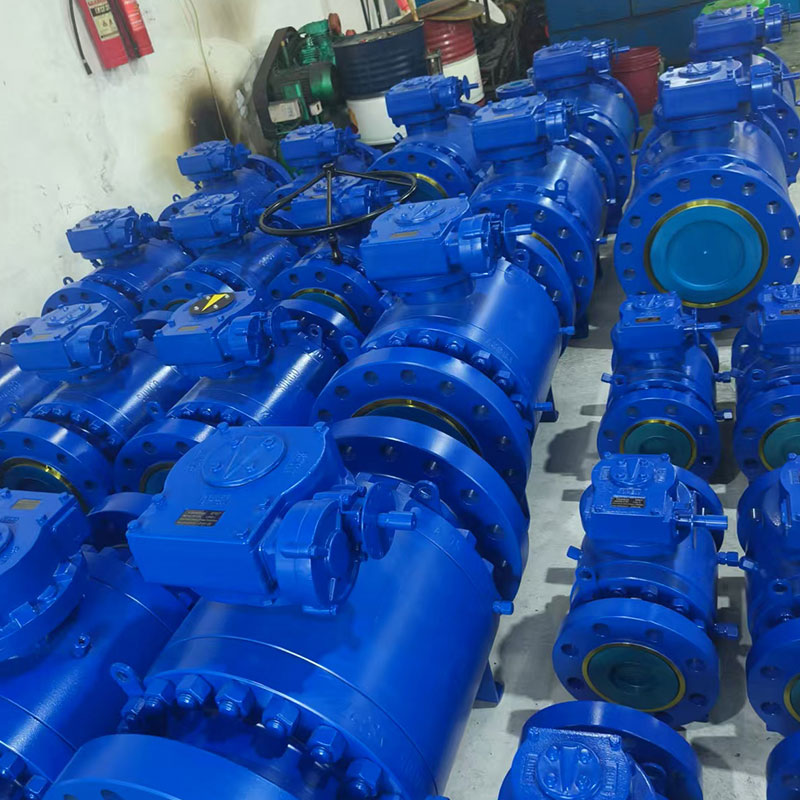
A buyer benefits from looking at the whole operating picture before choosing a Durable Ball Valve. Water quality is only one piece of that decision — temperature patterns, how often the valve gets used, pipe condition, installation location, moisture exposure, and how easy the valve will be to access for maintenance all deserve consideration too.
Application Type
Common Focus Area
Clean indoor plumbing
Smooth operation, easy inspection
Sediment-heavy systems
Deposit control, material durability
Moisture-prone installations
Corrosion resistance, connection care
High-frequency use
Wear resistance on moving parts
In cleaner indoor water systems, the focus often lands on smooth operation, reliable connections, and straightforward inspection access. Where sediment or mineral content is a regular feature, material condition and deposit control tend to matter more.
Where moisture and corrosion keep coming up as recurring issues, a Corrosion Resistant Ball Valve fits the situation better — though the surrounding pipe materials and installation conditions still need reviewing, since corrosion prevention never depends on just one component working in isolation.
The same thinking applies when choosing a Ball Valve for Water for a replacement job. Rather than automatically installing the same type that just failed, it's worth figuring out why that previous valve needed attention in the first place. That answer often points toward water quality, temperature swings, frequency of use, pipe movement, sediment, or simply a lack of maintenance access — and knowing which one it actually was makes the next choice a lot more likely to hold up.

 русский
 عربى
عربى