Home / News / Industry News / How Can a Corrosion Resistant Ball Valve Handle Harsh Water
How Can a Corrosion Resistant Ball Valve Handle Harsh Water
Posted by Admin | 04 Sep
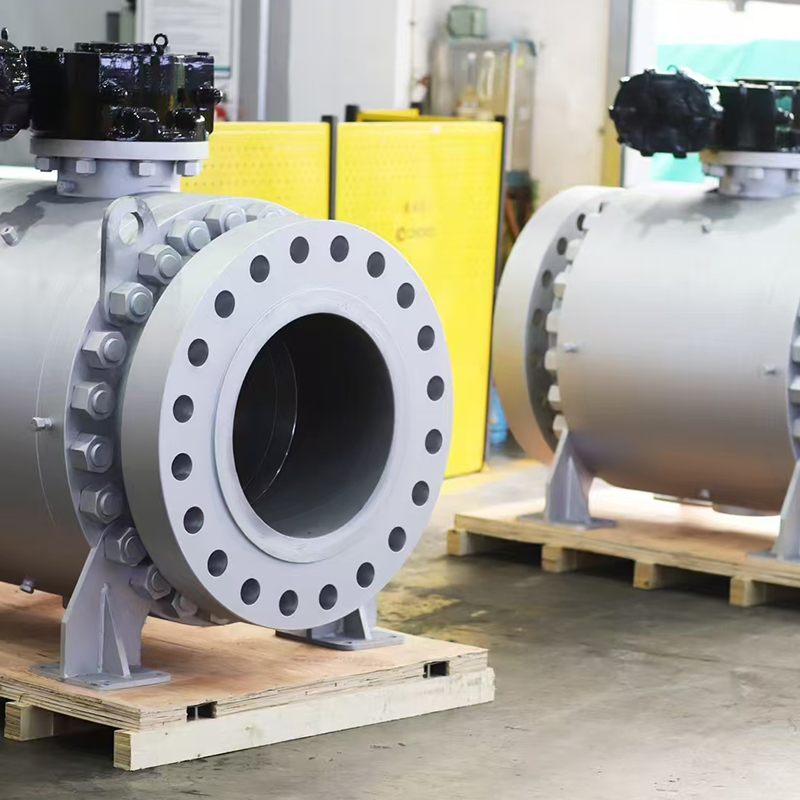
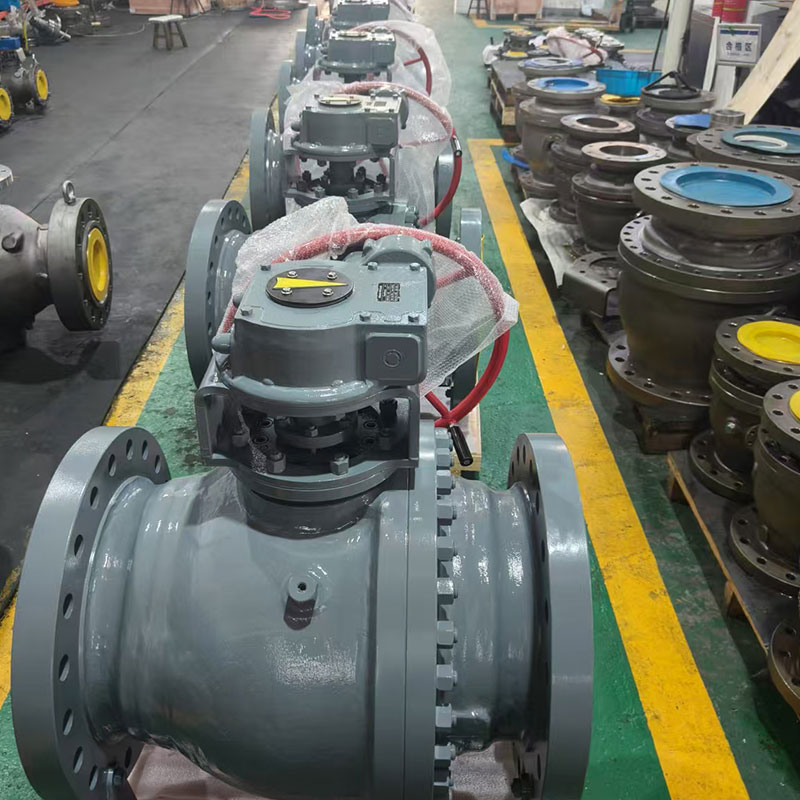
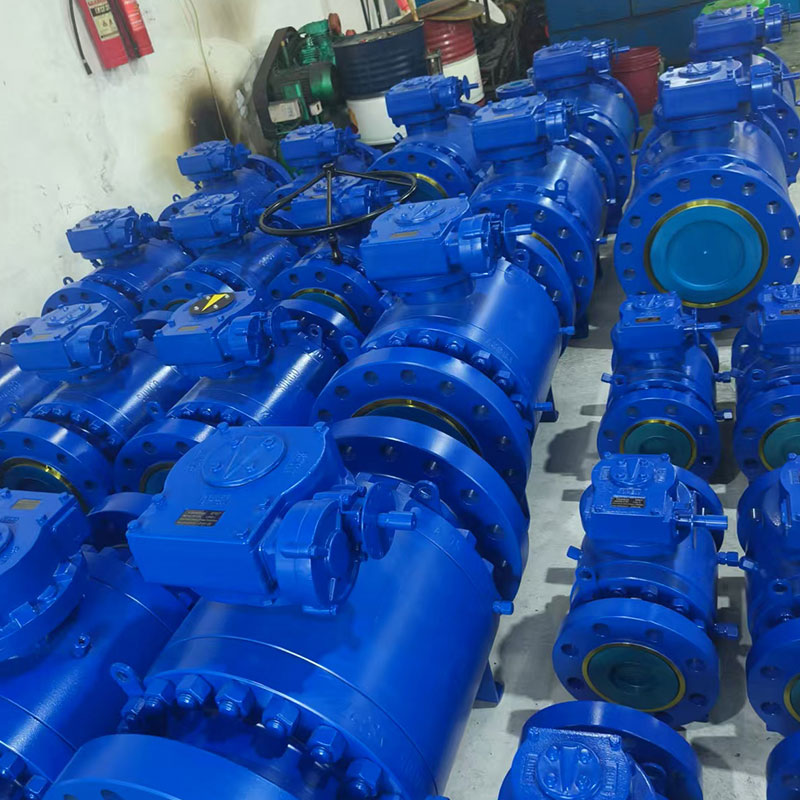
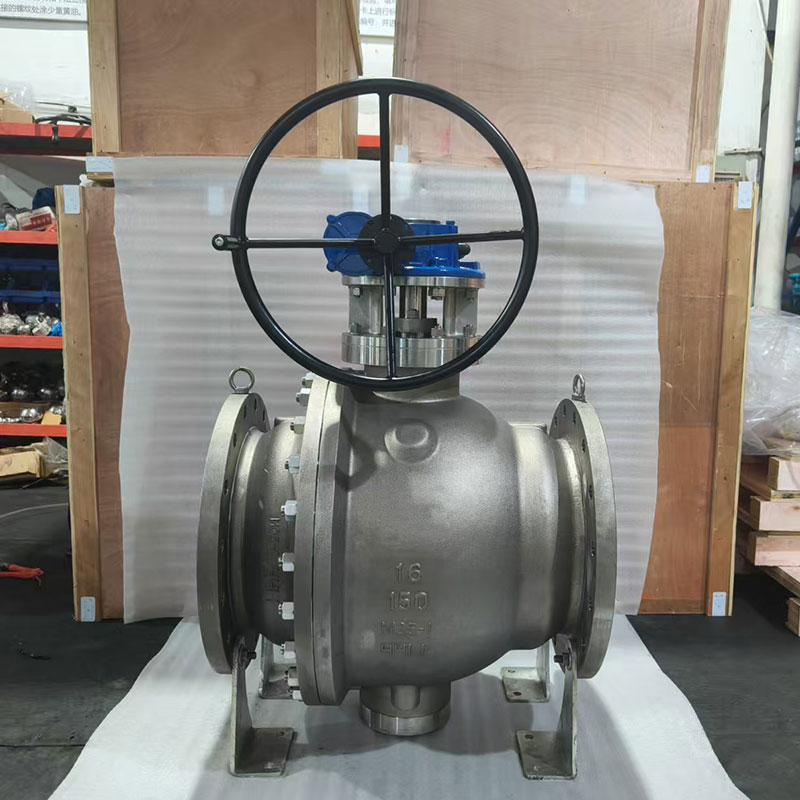
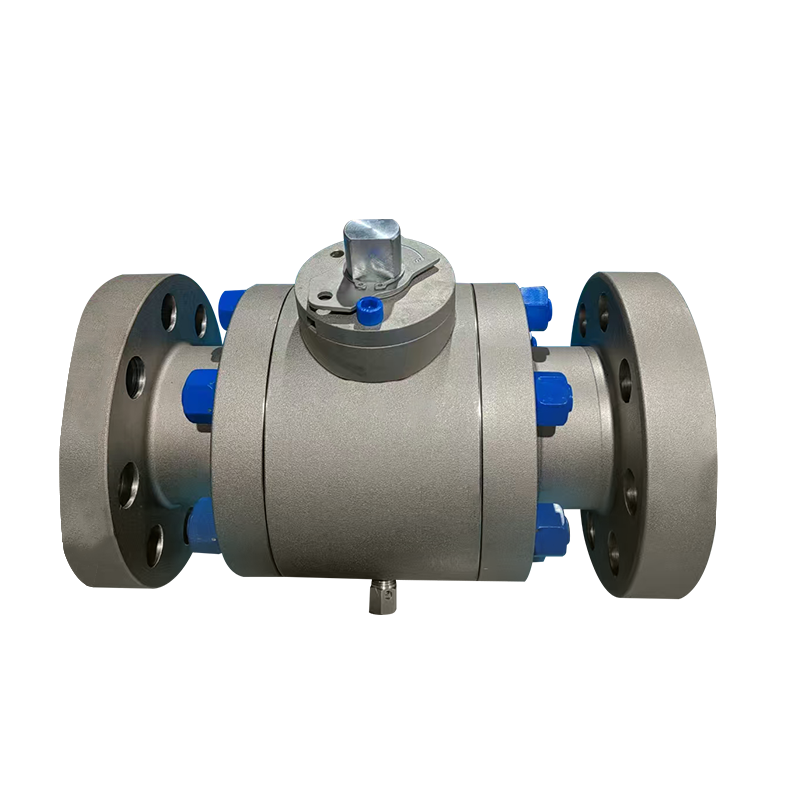
Water systems rarely operate under completely identical conditions, and changes in water quality, humidity, temperature, surrounding materials, and maintenance can gradually affect valve performance over months of service. A Corrosion Resistant Ball Valve gets designed with these environmental concerns in mind, giving engineers and system operators an option when ordinary valve materials may face increased exposure to moisture or corrosive conditions on site.
The challenge isn't simply making a valve open and close on command. The valve also needs to maintain a reliable connection with the water system while its surrounding environment keeps changing around it.
Water treatment facilities, agricultural systems, industrial water lines, building services, and outdoor installations may all expose valves to different forms of moisture and water-related stress throughout the year. Material selection becomes particularly important when a valve remains in contact with water for long periods without a break.
The valve body, internal ball, sealing parts, and connection areas all contribute to how the product behaves during continued use out in the field. Understanding these factors can help buyers select a Ball Valve for Water according to the actual conditions, rather than relying only on general product descriptions printed on a catalog page.
What Makes Water Conditions Harsh for a Ball Valve?
Water itself isn't always a major source of corrosion, but its composition and surrounding environment can change how valve materials behave over time in ways that aren't obvious at first. Dissolved substances, moisture, cleaning practices, and contact with other materials can all influence the condition of exposed valve surfaces.
A valve installed outdoors may also experience repeated wet and dry cycles as weather shifts, while a valve inside a humid facility may remain exposed to moisture for a lot longer stretches at once. These conditions can create genuinely different forms of material stress depending on the setting.
Environmental Factor
Possible Effect on Valve
High humidity
Keeps external surfaces exposed to moisture
Water impurities
May affect material surfaces over time
Frequent wetting
Increases repeated moisture exposure
Cleaning agents
May interact with exposed materials
Outdoor installation
Adds changing weather conditions
Contact with other materials
May influence corrosion behavior
The actual impact depends on the valve material and the water system it's installed in, not on the word "water" alone. This is why the phrase "water valve" by itself doesn't provide enough information for a proper material selection. Engineers and buyers need to consider what kind of water the valve will handle and where the valve will actually sit day to day. A valve suitable for a controlled indoor water line may require a fairly different material approach once it's placed in a damp outdoor environment instead.
How Does a Corrosion Resistant Ball Valve Respond to Moisture?
Moisture ranks among the most common environmental concerns for water system components of any kind. A valve may get exposed to moisture on both the inside and outside at once, depending on its installation and operating conditions.
The internal surfaces come into contact with the flowing medium, while the external surfaces may get affected by humidity, condensation, splashing, or cleaning routines. A Corrosion Resistant Ball Valve addresses these conditions through material choices intended to resist deterioration caused by moisture over time.
The goal is helping maintain the physical condition of the valve as it continues operating within the intended application. Material resistance doesn't mean a valve stays unaffected by every environment thrown at it.
Different materials respond differently to different forms of exposure, so the valve needs selecting according to the actual water and surrounding conditions on the ground. The connection areas also deserve attention, since moisture can collect around joints, threads, fittings, or other installation points over time.
A suitable installation can help reduce unnecessary exposure and make routine inspection a lot easier for a maintenance crew. Good drainage and appropriate positioning can also prevent moisture from sitting around the outside of the valve for extended periods. Corrosion resistance should therefore get considered together with installation conditions, rather than treated as a feature that works entirely on its own.
Why Does Material Selection Matter for a Ball Valve for Water?
Material selection directly influences how a valve behaves when exposed to water over an extended stretch of time. Different valve materials can offer different levels of resistance to moisture, environmental exposure, and chemical contact depending on their composition.
The appropriate choice depends on the intended water application and the surrounding conditions it faces daily. A Ball Valve for Water may therefore get produced using different material combinations according to the requirements of the specific system.
Valve Area
Material Consideration
Valve body
Needs to suit the surrounding environment
Internal ball
Remains in contact with the water
Sealing components
Need to remain suitable for the application
Connection section
Requires suitable resistance to moisture
External surface
May face humidity or splashing
The material should also get considered in relation to the expected maintenance routine down the road. A valve located in an easily accessible indoor area may be a lot easier to inspect than one installed in a difficult outdoor spot. In the latter case, material resistance may become a more important part of the purchasing decision from the start.
Engineers should also avoid assuming one material suits every water application out there. Water quality, installation location, cleaning methods, and surrounding conditions can all change the practical requirements considerably. A careful material review helps connect the valve specification with the real operating environment it'll actually face.
How Does Water Quality Influence Long-Term Valve Use?
Water quality can vary quite a bit between different systems, even within the same building sometimes. Clean building water, treated process water, agricultural water, and other water sources may expose valve materials to genuinely different conditions.
Some water may contain substances that gradually interact with exposed surfaces, while other systems may have relatively stable conditions year-round. The valve should therefore get selected according to the actual medium, rather than simply the general category of "water" written on an order form.
For long-term use, engineers may want to understand several things upfront.
The general quality of the water
Whether the water is treated
Whether cleaning products enter the system
Whether suspended material is present
Whether the valve remains continuously exposed
Whether the system operates indoors or outdoors
These questions can help narrow down suitable material choices considerably. They can also prevent a fairly common purchasing mistake, where a valve gets selected based only on size or connection type without a second thought.
A Durable Ball Valve needs more than a strong external appearance, since long-term performance also depends on material compatibility, sealing condition, installation, and maintenance working together. When these factors get considered together, the valve can be matched a lot more closely with the water system it'll serve. This approach proves useful for both new installations and replacement projects alike.
What Role Does Humidity Play in Valve Corrosion?
Humidity can affect valves even when they aren't directly exposed to flowing water at all. Condensation may form on external surfaces when environmental conditions shift, especially in enclosed spaces where moisture lingers in the air.
Outdoor valves may face another pattern entirely, since rain, humidity, temperature changes, and drying can repeatedly alter the surface condition over a season. A valve installed near water equipment may also experience a consistently damp environment day after day.
These conditions make external surface protection genuinely relevant to the overall design.
Installation Environment
Humidity Consideration
Indoor utility area
Condensation may occur
Water treatment space
Persistent moisture may be present
Outdoor pipeline
Rain and humidity affect external surfaces
Agricultural facility
Damp conditions may accompany regular washing
Industrial workspace
Air moisture can vary by location
Humidity doesn't automatically cause serious valve problems on its own. Prolonged exposure can still contribute to material deterioration when the construction isn't suited to the environment it's placed in. The surrounding installation should therefore get included when selecting a corrosion-resistant valve, not treated as an afterthought.
Keeping the valve accessible can also make inspection a lot easier for whoever's checking it. If moisture, surface changes, or connection problems can get noticed early, maintenance teams have more room to address them before normal operation gets affected.
How Can a Durable Ball Valve Support Long-Term Water System Use?
Durability is closely tied to how a valve responds to repeated operation and environmental exposure over its service life. A Durable Ball Valve should get considered as a complete product, rather than judged by one material or component in isolation.
The valve body, ball, seals, handle, and connection areas all contribute to the overall user experience day in and day out. Repeated opening and closing can place mechanical stress on the valve, while continuous water contact creates a separate environmental demand entirely.
The two conditions may occur at the exact same time in practice. A valve used frequently in a humid environment therefore needs to handle both repeated operation and ongoing moisture exposure without one making the other worse.
This proves particularly relevant for agricultural systems, building water lines, industrial facilities, and outdoor equipment where valves may remain installed for long stretches. A practical durability assessment can include several questions worth asking upfront.
Is the valve material suitable for the water?
Is the external construction suitable for the environment?
Are the sealing materials appropriate for the application?
Can the valve be inspected easily?
Can routine maintenance be performed without unnecessary difficulty?
These questions move the discussion beyond simple product appearance and into how it'll actually hold up. They also help buyers compare valve options based on the complete application, rather than one isolated feature pulled from a spec sheet.
What Maintenance Practices Help Protect a Ball Valve?
Even a corrosion-resistant valve benefits from appropriate maintenance over its working life. Maintenance doesn't need to be complicated, but it should reflect the actual environment the valve is installed in.
Regular visual checks can help identify surface changes, leakage, damaged connections, or unusual handle movement before they turn into bigger problems. Cleaning can also prove useful when dirt or other material accumulates around the valve over time.
That said, cleaning methods should be suitable for the valve materials and the water system involved, not just whatever's on hand. Simple maintenance practices can include several habits worth building into a routine.
Maintenance Action
Practical Purpose
Visual inspection
Helps identify visible changes
Surface cleaning
Removes accumulated dirt
Connection checks
Helps identify potential leakage
Handle inspection
Confirms normal operation
Area cleaning
Reduces unnecessary moisture buildup
Maintenance records
Helps track recurring issues
The maintenance frequency should depend on the operating environment and system requirements at hand. A valve installed in a dry indoor location may experience genuinely different conditions from one installed near an outdoor water source.
Maintenance teams should also pay attention to the areas around the valve, rather than examining only the main body itself. Connections, supports, surrounding surfaces, and drainage conditions can all influence the valve's operating environment. Keeping these areas in reasonable condition can help reduce avoidable exposure to moisture and contamination over time.
How Should Engineers Choose a Corrosion Resistant Ball Valve for Different Applications?
Application requirements should guide valve selection, since water systems can differ quite a bit from one installation to another even within the same industry. A valve used in a building water system may face genuinely different conditions from one used in agriculture or an industrial facility down the road.
The installation position also matters a great deal here. An indoor valve that's easy to access may get inspected regularly without much fuss, while an outdoor valve located in a remote area may receive a lot less frequent attention from a busy maintenance crew.
Engineers can compare common applications through their practical needs side by side.
Application
Selection Focus
Building water systems
Water compatibility and routine access
Agricultural systems
Moisture exposure and outdoor conditions
Industrial water lines
Material suitability and maintenance
Outdoor equipment
Humidity and environmental exposure
Water treatment areas
Water quality and surrounding moisture
General utility systems
Practical operation and service access
A Corrosion Resistant Ball Valve can get considered where moisture and corrosion are genuine concerns, but its suitability still depends on the specific system it's headed for. Buyers should review the valve materials, connection design, sealing arrangement, installation environment, and expected maintenance routine together as one package.
The same principle applies when selecting a Ball Valve for Water for replacement work on an aging system. The replacement valve should be compatible with the existing system and the conditions it'll actually operate in. This helps prevent a situation where a technically compatible replacement still doesn't suit the surrounding environment it's dropped into.
What Should Buyers Check Before Purchasing a Water Ball Valve?
Purchasing decisions often become a lot easier when buyers prepare the relevant application information before ever contacting a supplier. Instead of asking only for a valve that handles water, buyers can describe the operating environment and expected use in some detail.
Useful information may include the type of water, installation location, frequency of operation, exposure to humidity, connection arrangement, and maintenance access available on site. Suppliers can then use this information to discuss suitable material and construction options that actually fit.
A simple purchasing checklist can include the following points worth covering.
Water type and general condition
Indoor or outdoor installation
Moisture and humidity exposure
Expected operating frequency
Valve material
Sealing material
Connection requirements
Maintenance accessibility
Replacement or new-installation needs
This information can also help suppliers avoid making assumptions about the application that turn out wrong later. For a Durable Ball Valve, the intended service environment is just as relevant as the product construction itself sitting on a spec sheet. A clear purchasing discussion gives engineers and buyers a genuinely better basis for evaluating whether the selected valve fits the water system it's headed for. When water quality, humidity, corrosion factors, material resistance, long-term use, and maintenance get considered together, valve selection becomes a practical part of water system planning, rather than a simple component purchase made in a hurry.

 русский
 عربى
عربى