Home / News / Industry News / How Does a Durable Ball Valve Support Water System Care
How Does a Durable Ball Valve Support Water System Care
Posted by Admin | 11 Sep
Water supply systems are expected to operate steadily for long periods, sometimes decades without a second thought from the people using them. A valve may look like a small part of the system, tucked away behind a wall or under a sink. But its condition can affect maintenance work, equipment access, water flow control, and repair planning far beyond its modest size. When a valve becomes difficult to operate or shows signs of wear, the problem can extend well beyond the valve itself into the surrounding system.
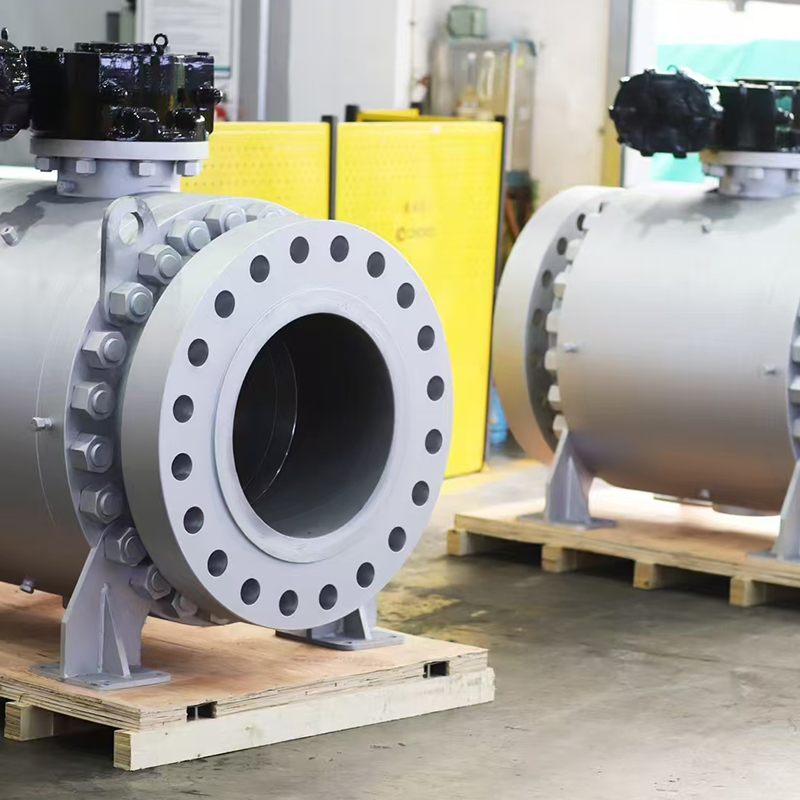
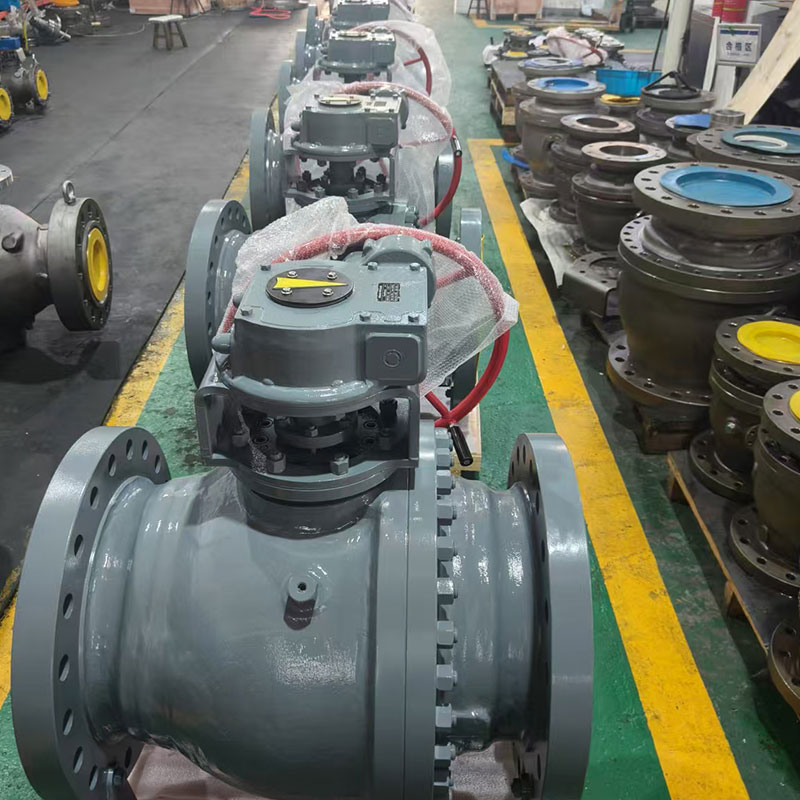
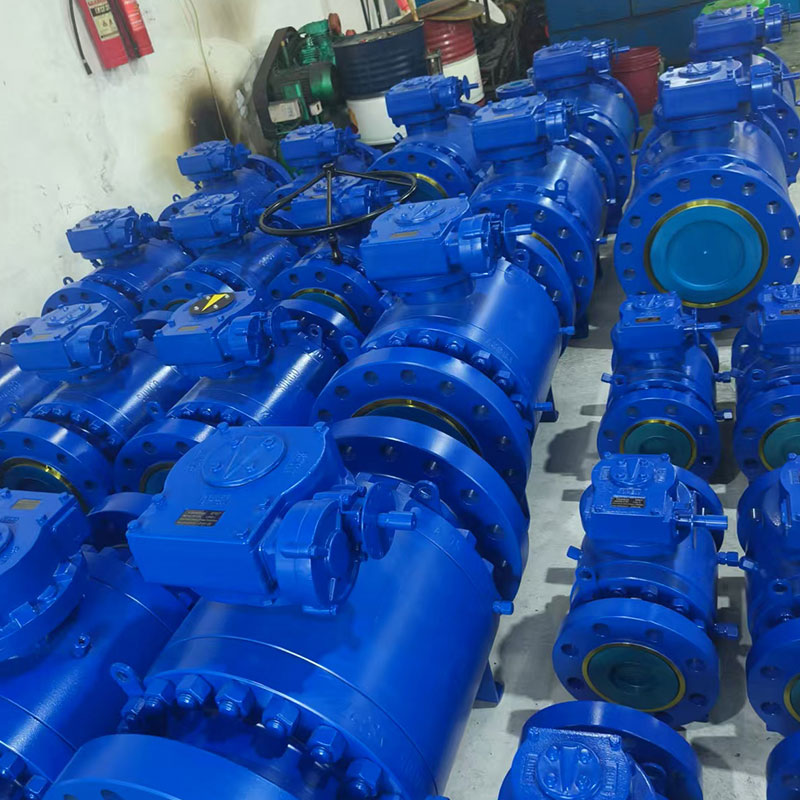
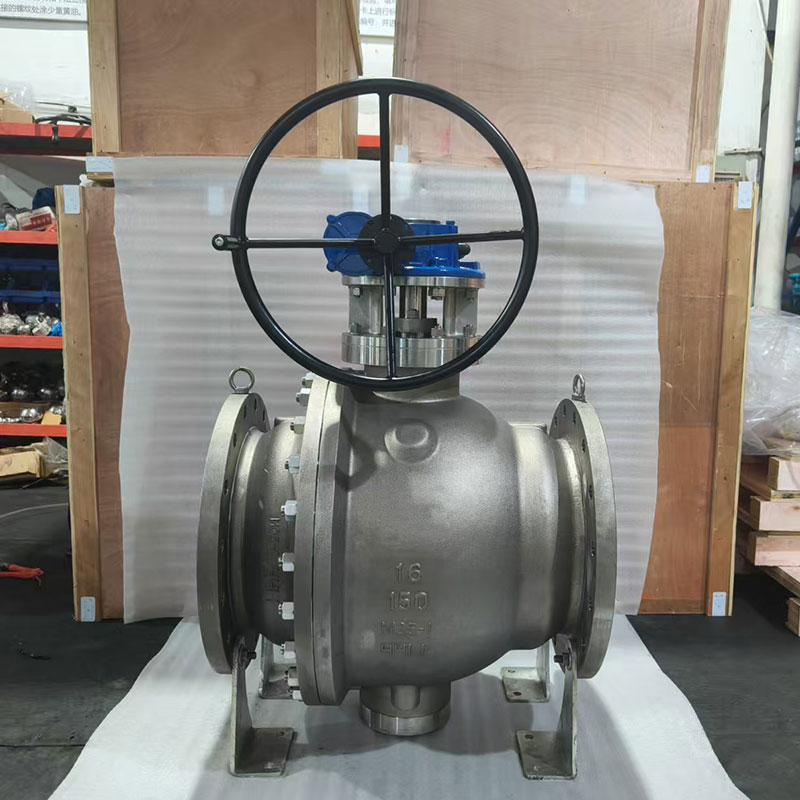
A Ball Valve for Water can support practical maintenance because its basic operating method is easy to understand, even for someone new on the job. The valve uses a rotating ball to control the passage of water, a mechanism simple enough to explain in one sentence. This simple action can make routine operation a lot more familiar for maintenance teams juggling dozens of other tasks that day.
Valve selection also affects future service work in ways that aren't obvious at installation. A product that is easy to inspect and operate can reduce unnecessary disruption during maintenance, saving a technician a frustrating afternoon. It can also help technicians identify problems before a minor issue becomes a wider equipment concern that shuts down a whole line.
Maintenance Concern
How Valve Selection Can Help
Difficult operation
Easier operation can support routine checks
Visible wear
Simple inspection can help identify changes
Corrosion
Suitable materials can reduce maintenance pressure
Replacement work
Accessible connections can simplify service
Long-term use
Durable construction can support repeated operation
The commercial value is also clear for contractors, distributors, equipment integrators, and facility managers juggling budgets alongside uptime. A valve isn't only purchased for installation day and forgotten. Its service requirements can influence the overall cost and convenience of the system throughout its entire working life.
How Can Simple Valve Operation Make Inspection Easier?
Regular inspection is an important part of water supply equipment maintenance, even when nothing seems obviously wrong. A valve does not always fail without warning, though it can feel that way when nobody's been checking. Changes in operating feel, external condition, connection areas, or visible surface condition may provide useful signs during routine checks that a rushed technician might otherwise miss. Simple inspection habits can therefore help maintenance teams respond at the right time, before a small issue becomes an emergency call.
A ball valve is often suitable for systems where operators need clear open and closed control, without guessing at a gauge or dial. Its handle position can provide a quick visual indication of the operating state at a glance from across the room. This can be useful in equipment rooms, utility areas, water treatment support systems, and building supply networks where dozens of valves might sit side by side.
Inspection doesn't need to be complicated or require special training to carry out. Maintenance staff can check whether the handle moves as expected, whether the valve body shows visible damage, and whether the surrounding connection area remains in good condition during a normal walkthrough. They can also look for signs of leakage or unusual surface changes that weren't there last month.
A practical inspection routine can include several basic steps worth building into a checklist.
Check the outside condition of the valve.
Observe the connection points for signs of leakage.
Operate the valve when the system allows safe operation.
Check whether movement feels normal.
Record visible changes for future maintenance planning.
These steps can make inspection part of normal equipment care, rather than a reaction to sudden failure that catches everyone off guard. For commercial projects, that approach can make maintenance planning a lot easier and help reduce unexpected service interruptions that pull a crew off other work.
What Role Does Corrosion Management Play in Valve Service Life?
Water can create a genuinely demanding environment for metal components, even ones that look sturdy on day one. The actual conditions vary between applications, but moisture, water quality, cleaning practices, surrounding conditions, and installation choices can all affect surface condition over time. Corrosion management should therefore be considered during both product selection and routine inspection, not treated as an afterthought.
A Corrosion Resistant Ball Valve can be useful when the application requires greater attention to surface protection, like a coastal facility or a plant handling aggressive water chemistry. The choice of material and surface treatment should match the actual operating environment the valve will face day after day. This doesn't mean corrosion can be eliminated entirely, since no material is immune forever. Instead, suitable construction can help reduce concerns associated with premature surface deterioration that shortens a valve's useful life.
Corrosion is often a lot easier to manage when it's noticed early, before it spreads. A change in surface appearance may be a reason to inspect the valve and nearby components more closely. If corrosion is allowed to spread around connection areas unchecked, replacement work can become a lot more difficult and may affect surrounding equipment too, turning a simple swap into a bigger job.
Maintenance teams should also consider the area around the valve, not just the valve itself. Poor drainage, constant moisture, unsuitable cleaning methods, or contact with incompatible materials can create additional concerns that compound over months. Looking only at the valve body may miss conditions that are actually contributing to its deterioration from the outside in.
For buyers, corrosion management is therefore more than a material choice ticked off on a spec sheet. It involves installation, inspection, cleaning, surrounding conditions, and replacement planning all working together. A valve selected with these factors in mind can fit a lot more naturally into a long-term maintenance program.
How Can a Durable Ball Valve Support Long-Term Operation?
Repeated operation is a normal part of many water supply systems, whether it's a valve turned daily or one left alone for years. Valves may be opened during equipment servicing and closed during isolation work as needed. Some applications require regular adjustment throughout a week, while others may leave the valve in one position for extended periods before it's operated again during an emergency.
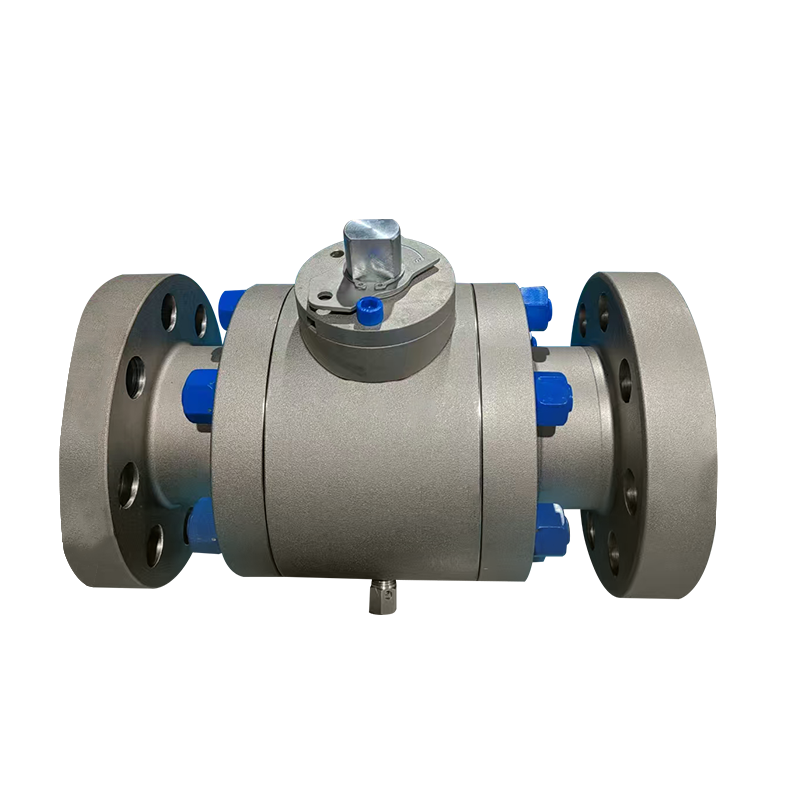
A Durable Ball Valve can support these different working patterns when its construction actually matches the application it's placed in. Durability should not be viewed only as resistance to physical damage from a dropped tool or a heavy knock. It can also relate to how well the valve continues to provide predictable operation as the system gets used and maintained over years of service.
The surrounding installation has a major influence on long-term performance that's easy to overlook during a rushed job. Excessive force during installation can create avoidable stress that shows up as a leak months later. Poor alignment can also make later service work a lot more difficult for whoever comes next. Correct handling and suitable installation practices are therefore part of the durability discussion, not separate from it.
Maintenance teams can also help preserve valve condition through regular observation, even for valves that rarely move. A valve that is rarely operated should not simply get ignored because it's quiet. Its condition and accessibility should still be considered during equipment inspections, especially when the valve is important for system isolation during an emergency shutoff.
For commercial buyers, durability has another practical meaning worth factoring into a budget. A component that remains suitable for longer service periods can make replacement planning a lot more predictable. This can be valuable when many valves are installed across a building, production area, water supply network, or equipment system all at once.
Which Valve Conditions Should Maintenance Teams Watch?
Valve inspection should focus on changes that can indicate a developing maintenance need, not just obvious failures. External leakage is an obvious concern that's hard to miss, but it isn't the only condition worth watching closely. Handle movement, body condition, connection areas, and nearby pipework can also provide useful information to a trained eye.
A maintenance team can create a simple inspection checklist based on the application at hand, tailored to what's actually installed. The checklist doesn't need to be complicated or require a degree to follow. It should help staff recognize normal conditions and notice changes over time as part of a regular routine.
Common inspection points include several worth reviewing on a schedule.
Inspection Area
What to Observe
Valve body
Damage, surface changes, or visible corrosion
Handle
Smooth movement and physical condition
Connections
Leakage, looseness, or surrounding damage
Nearby pipework
Corrosion, movement, or support concerns
Installation area
Accessibility and cleanliness
Operating position
Whether the valve remains in the required state
The purpose of these checks isn't predicting every possible failure months in advance, which isn't really achievable anyway. It's creating a practical way to notice changes early, while there's still time to plan calmly. This can give maintenance personnel a lot more time to plan repairs, instead of responding only after a valve has become unusable and forced an unplanned shutdown.
Inspection records can also support purchasing decisions down the line. When the same type of valve shows recurring problems in a particular application, buyers can review whether the product, material, installation method, or operating environment needs to change going forward.
How Should Water System Managers Approach Valve Replacement?
Replacement is a normal part of equipment management, not a sign that something went wrong along the way. Even a well-maintained valve may eventually require service or replacement because of wear, corrosion, physical damage, changes to the surrounding system, or difficulty obtaining compatible parts years down the line.
The key issue is timing more than anything else. Waiting until a valve fails completely can create unnecessary pressure on maintenance teams scrambling to fix things on the fly. A planned replacement allows the work to be coordinated with other service activities and may reduce disruption to the wider water supply system considerably.
Before replacement, maintenance staff should consider the valve's function within the system it's part of. Is it used for isolation during an emergency? Does it control water flow to important equipment that can't go offline easily? Is access easy, or does it require moving other equipment first? Are compatible connection methods still available from the original supplier? These questions can help determine the practical requirements for the replacement before ordering anything.
A replacement review can follow a simple process worth walking through in order.
Identify the valve and its role in the system.
Check the current condition.
Review the installation environment.
Consider corrosion and material compatibility.
Confirm access for future inspection.
Select a suitable replacement.
Plan installation with minimal system disruption.
This approach can also help purchasing teams avoid replacing products based only on initial price listed on an invoice. The easier a valve is to inspect, operate, maintain, and replace, the more useful it may be within a long-term equipment strategy that spans years, not just a single budget cycle.
What Applications Can Benefit From Easier Valve Maintenance?
Water valves are used across many practical environments, each with its own quirks and demands. Residential water supply equipment, commercial buildings, utility areas, agricultural systems, and industrial facilities may all require dependable isolation and water flow management. Each setting creates genuinely different maintenance priorities worth understanding separately.
In building water systems, accessibility can be especially important, particularly in older properties where space was never planned around future service. Maintenance personnel may need to reach valves located near pumps, storage equipment, heating systems, or distribution lines tucked into odd corners. A valve that's easy to identify and operate can make service tasks a lot more straightforward for whoever gets the call.
Agricultural water supply systems may place greater attention on environmental exposure and regular equipment care, given how much time equipment spends outdoors. Valves can be located around irrigation equipment, water distribution lines, and pumping areas exposed to sun, rain, and dust in equal measure. Material selection and corrosion management may therefore become genuinely important parts of product evaluation for a farm operation planning years ahead.
Commercial and industrial facilities may use many valves throughout a larger system spanning an entire building or campus. In these settings, consistent inspection practices can help maintenance teams manage different equipment areas without reinventing the wheel each time. Replacement planning can also become more important, because a single maintenance schedule may cover a large number of components that all need attention on some rotation.
The application should always guide the product decision rather than the other way around. A valve that suits one water system may not be suitable for another facing different pressures or exposure. Buyers should consider water conditions, installation location, operating habits, surrounding materials, access requirements, and expected maintenance practices before placing an order that locks in a choice for years.
How Can Buyers Make Valve Maintenance Part of the Purchasing Decision?
Price is naturally important in commercial purchasing, and nobody's pretending otherwise. But it shouldn't be the only consideration on the table. A valve affects installation, inspection, operation, maintenance, and eventual replacement, all of which carry costs that show up later. Looking at the full service process can give buyers a much clearer view of whether a product actually fits the project, rather than just the invoice.
A practical purchasing review can compare several areas at the same time rather than fixating on one number. Material suitability, construction quality, connection design, operating convenience, corrosion management, and replacement access can all influence future maintenance work in ways a sticker price won't reveal.
Buyers can also ask suppliers clear application-based questions instead of relying on a generic spec sheet. Rather than focusing only on product descriptions, they can explain where the valve will be installed and how the system will be maintained day to day. This allows the supplier to discuss whether the valve design is actually appropriate for the intended use, rather than just assuming it fits.
Buyer Question
Maintenance Value
Is the valve suitable for the water application?
Helps reduce mismatched product selection
What material options are available?
Supports corrosion management
Is the valve easy to inspect?
Helps routine maintenance
Can it be operated conveniently?
Supports isolation and service work
Is replacement access practical?
Helps future repair planning
Can supply remain consistent for projects?
Supports purchasing and maintenance coordination
Commercial buyers should also consider consistency across a project rather than mixing and matching without a plan. Using suitable valve designs throughout similar equipment areas can make inspection and replacement a lot more familiar for maintenance teams who move between sites. It can also simplify internal purchasing procedures when future service work requires additional components that need to match what's already installed.
This is where the Ball Valve for Water becomes a lot more than a simple plumbing component picked off a shelf. Its value can be connected to the wider maintenance process, from installation and inspection all the way to corrosion management and planned replacement. A practical product decision can therefore support both equipment operation and the people responsible for keeping that equipment in service over the long haul.

 русский
 عربى
عربى