русский
 عربى
عربى


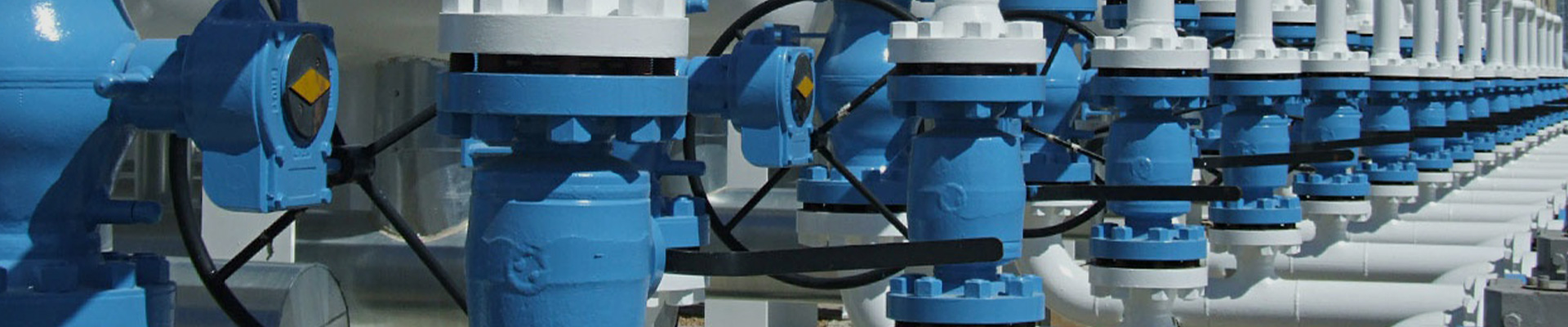
When a plant operator turns a valve handle and the flow reading jumps erratically, the problem often starts long before installation. A pressure gauge that drops too much across an open valve signals internal restriction. Leakage around a valve stem after only a few months points to a mismatch between the valve and the system. These daily frustrations rarely come from faulty manufacturing. They come from choosing a valve without looking closely at pressure, fluid type, and operating frequency.
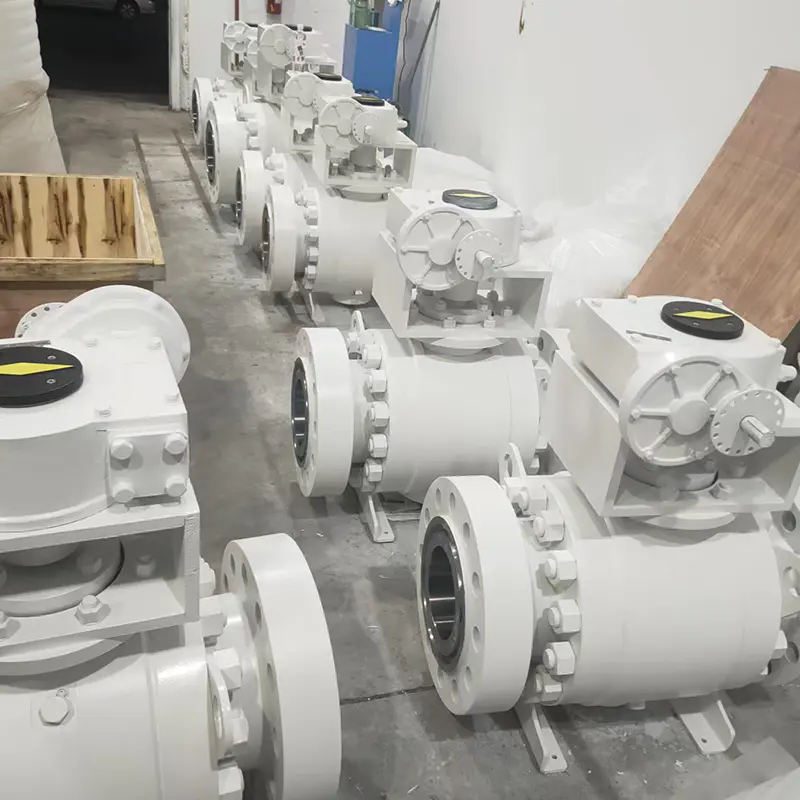
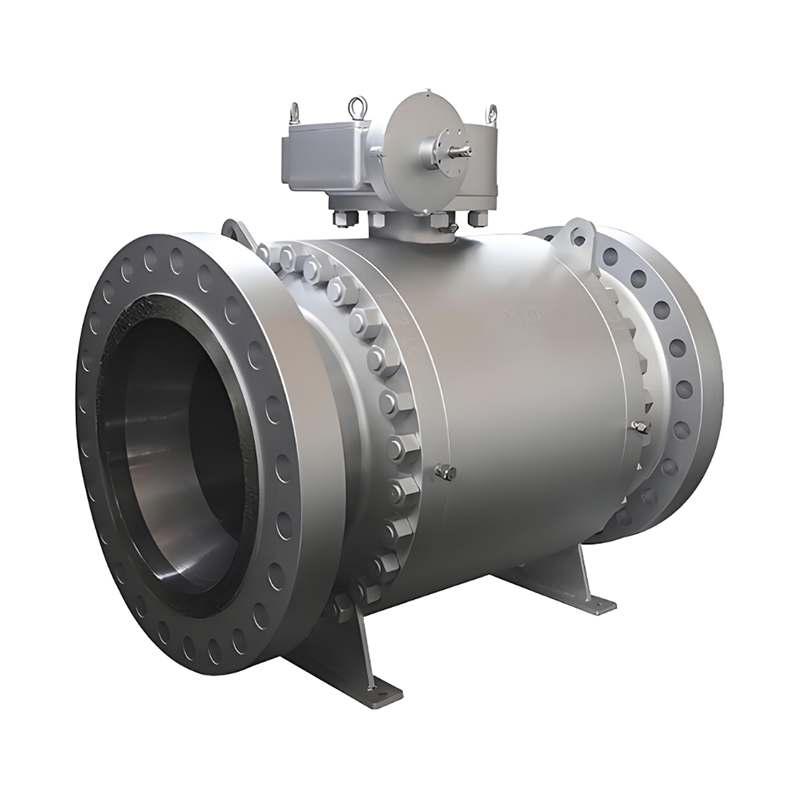
A ball valve uses a rotating sphere with a hole through its center. Aligning the hole with the pipe lets fluid pass. Turning the handle a quarter turn closes the passage. This simple action gives fast shutoff with few moving parts. Soft or metal seats press against the ball to create a seal.
The primary job of a ball valve in a piping system is to stop or start flow. Some designs allow limited throttling, but they perform reliably when fully open or fully closed. A full‑port ball valve keeps the bore nearly as wide as the pipe, so resistance stays low. Low resistance means the system wastes less pressure pushing fluid through the valve.
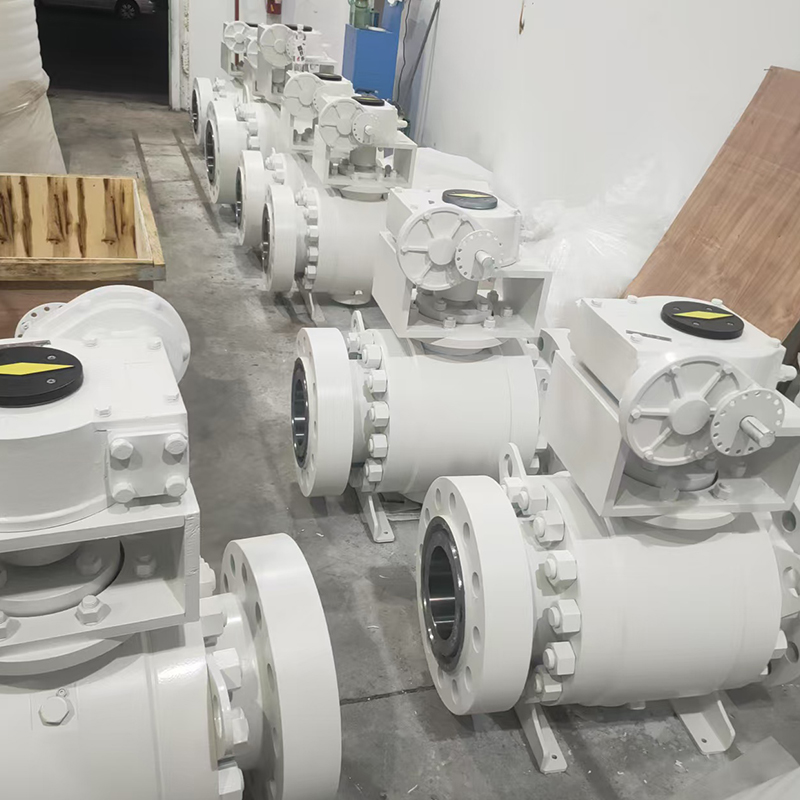
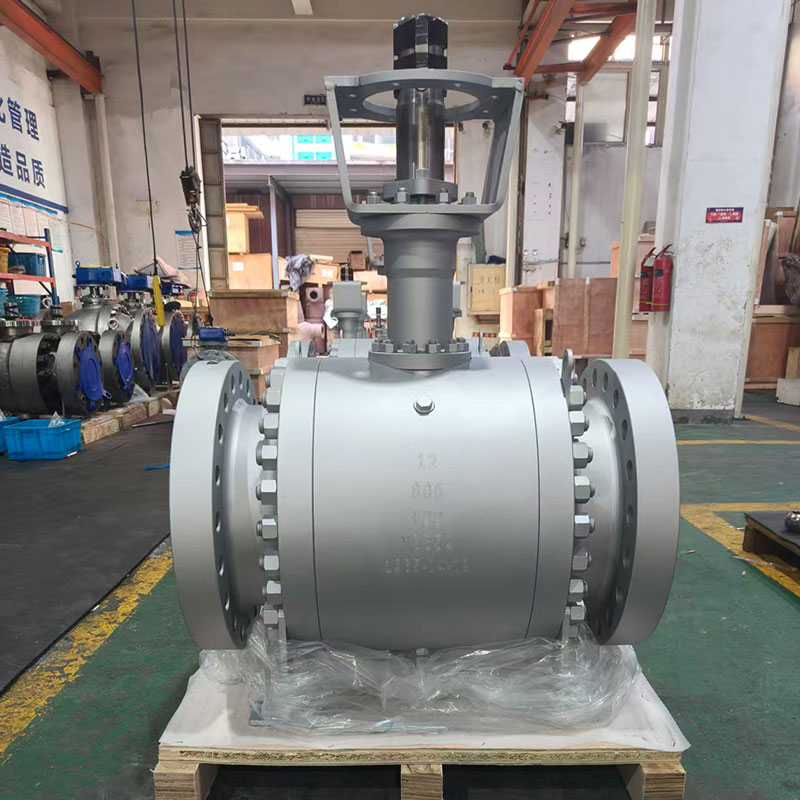
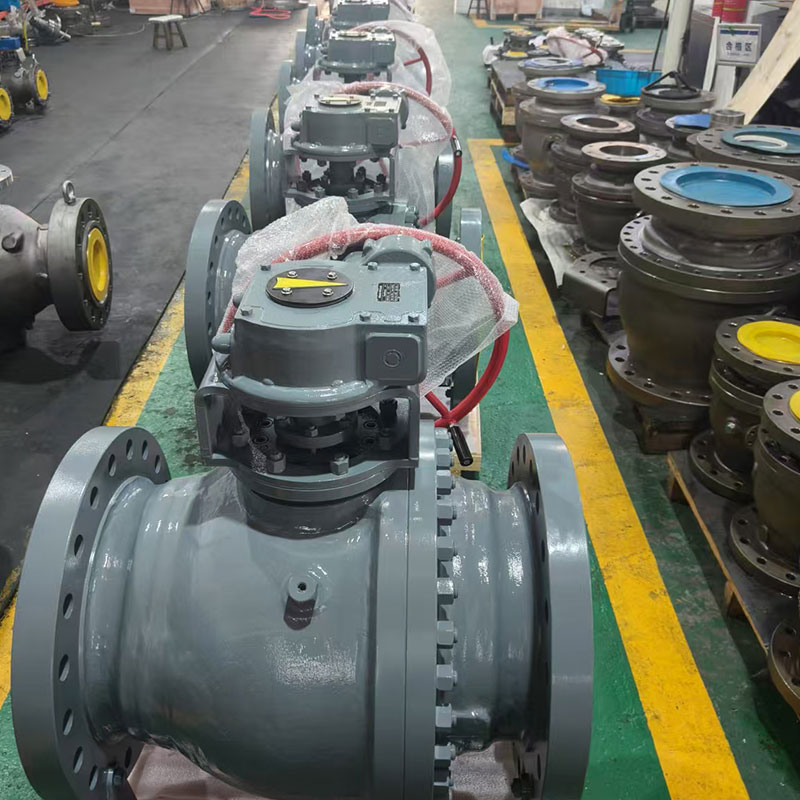
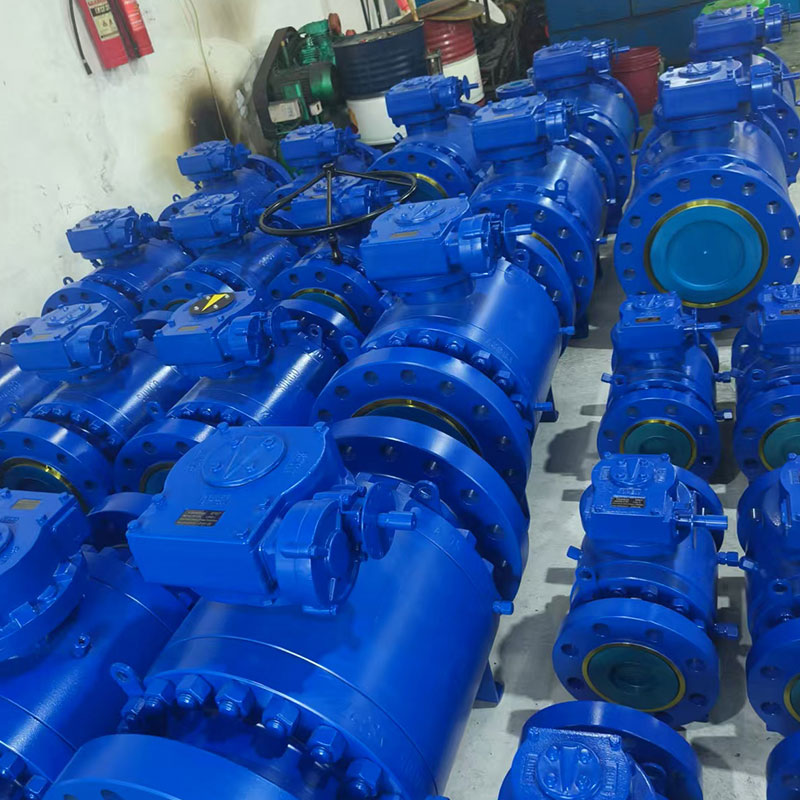
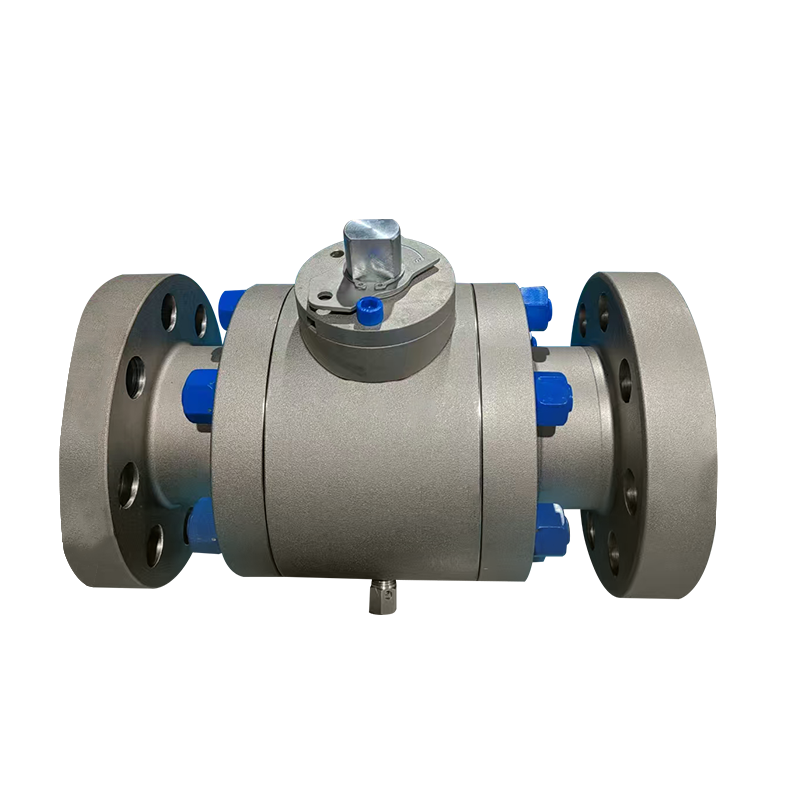
Pressure rating drives the first selection decision. A High Pressure Ball Valve has thicker walls, a stronger stem connection, and more durable seat materials. These features let the valve hold its seal when internal forces push hard. Putting a low pressure ball valve into a high pressure line invites seat extrusion or body cracking.
A low pressure ball valve works fine in gravity drains or open channels where fluid moves with little force. Matching the valve rating to the peak system pressure, not just the normal operating level, prevents sudden failure.
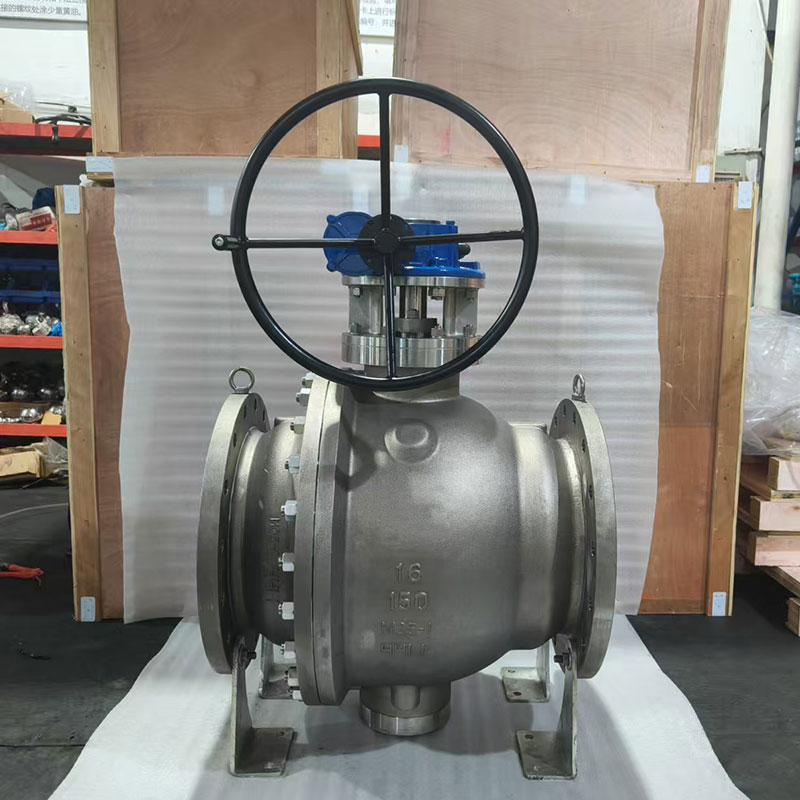
Fluid properties decide material choice. Clean water seems simple, but dissolved minerals or chlorine slowly attack some metals. A Corrosion Resistant Ball Valve made of stainless steel, duplex alloys, or lined materials stands up to acidic or salty fluids without losing surface quality. When a valve corrodes inside, the ball becomes rough, seats wear unevenly, and leakage paths develop.
Flow control efficiency drops because the valve no longer seals or turns smoothly. Seawater, chemical processing, and wastewater treatment all demand a Corrosion Resistant Ball Valve for dependable operation.
| Material | Common Fluid Environment | Effect on Flow Control |
|---|---|---|
| Brass or Bronze | Clean water, air, oil | Smooth bore, low friction, suited for low pressure |
| Cast Iron | Water, sewage, mild fluids | Adequate sealing, some rust over time |
| 316 Stainless Steel | Corrosive chemicals, steam, elevated temperatures | Keeps surface finish, resists pitting |
| Duplex Steel | Seawater, chlorides, aggressive acids | Stable sealing in harsh conditions |
| PVC or CPVC | Deionized water, mild acids, light chemicals | Lightweight, good corrosion resistance, lower pressure limit |
Choosing a material that matches the fluid keeps internal surfaces smooth. A rough or pitted ball raises operating torque and creates tiny leakage points. Those small leaks add up over time and lower overall system efficiency. Facilities that measure pressure drop across valves often find that old corroded valves cause noticeably more resistance than a properly selected Corrosion Resistant Ball Valve.
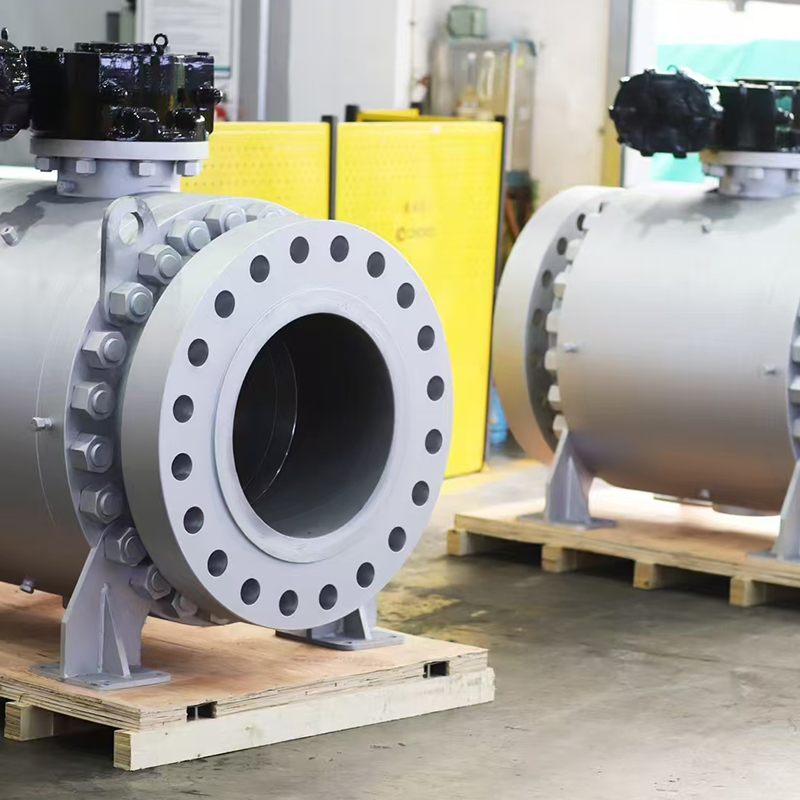
Full‑port versus reduced‑port design changes flow behavior. A full‑port ball valve has a bore diameter close to the pipe inner diameter. Fluid moving through it meets almost no extra resistance. A reduced‑port design shrinks the bore, typically by one standard size. That reduction speeds up the fluid and causes a permanent pressure loss.
For long pipelines or gravity fed networks, a full‑port ball valve preserves flow control efficiency. Reduced‑port valves work where some pressure drop is acceptable, such as bypass lines or non‑critical branches. The choice depends on whether the system can afford the energy penalty of a smaller opening.
Seat material affects how long a valve performs well. Soft seats made of PTFE seal tightly and turn easily. But they deform under high temperatures or frequent cycling. A Durable Ball Valve often uses reinforced PTFE or PEEK seats for tougher jobs. Metal seats handle abrasive slurries or very high temperatures where soft seats would fail.
The trade‑off is higher torque and possible minor leakage when brand new. Selecting the right seat material keeps the valve running smoothly across many cycles without needing a larger actuator or extra muscle.
Different systems place different demands on a ball valve. A Ball Valve for Water applications like irrigation or cooling circuits does not need exotic materials. Simple brass or coated ductile iron works well. The main concern is avoiding dezincification in aggressive water.
For chemical plants, a Corrosion Resistant Ball Valve is necessary not only for the body but also for the stem and ball coating. A Durable Ball Valve in a mining setting must resist particle erosion. A High Pressure Ball Valve in a gas line requires fire‑safe features and anti‑static design. Matching the valve to the specific medium and cycle rate prevents early wear and keeps flow control steady.
Comparing ball valves to other types shows clear differences. Gate valves also isolate flow but require many turns to open or close. That slow action makes them unsuitable for emergency shutoffs. Butterfly valves weigh less and cost less for large diameters, but the disc stays in the flow path even when fully open, creating some pressure loss.
Plug valves use a quarter turn as well, yet they have more internal cavities that trap debris. Ball valves give a clean bore, fast operation, and reliable shutoff. For low pressure drop across the valve, ball valves perform consistently. The smooth ball and straight‑through path let fluids pass with little disturbance.
Durability comes from matching components to actual service conditions. A Durable Ball Valve does not mean the most expensive construction. It means choosing a valve whose stem, seats, and body withstand the expected cycles, temperatures, and fluid contaminants. A stem that is too thin shears off under high torque. A soft seat extrudes into the bore under high differential pressure.
A thin body cracks from water hammer. Each failure mode causes unplanned shutdowns and lost production time. Facilities that track replacement frequency often notice that a carefully selected ball valve lasts several times longer than a valve chosen only by price or availability. That longer life means lower total operating cost and more steady flow control.
Proper selection shows up in everyday measurements. A pressure gauge upstream and downstream of a well‑matched ball valve shows a small, stable drop when the valve is open. A flow meter gives repeatable readings that do not drift as the valve ages. Maintenance logs show longer intervals between packing adjustments or seat replacements. Operators feel smooth handle movement without binding or leaking. These signs indicate the valve and system work together.
Many industrial facilities have improved flow control efficiency by revisiting how they pick valves. Instead of accepting any supplier recommendation, they look at pressure peaks, fluid chemistry, cycle frequency, and surrounding conditions. They choose a High Pressure Ball Valve where needed and a low pressure ball valve where appropriate. They specify a Corrosion Resistant Ball Valve for aggressive fluids and a Durable Ball Valve for abrasive or high‑cycle services. They decide between full‑port and reduced‑port based on allowable pressure loss. This step‑by‑step approach turns valve selection from a routine purchase into a system improvement.
For reliable valves that support efficient flow control across water, chemical, and industrial applications, consider Zhejiang Yushun Valve Co., Ltd. Their engineering team helps match pressure class, material grade, and port design to specific operating conditions for long service life without unnecessary cost.