русский
 عربى
عربى


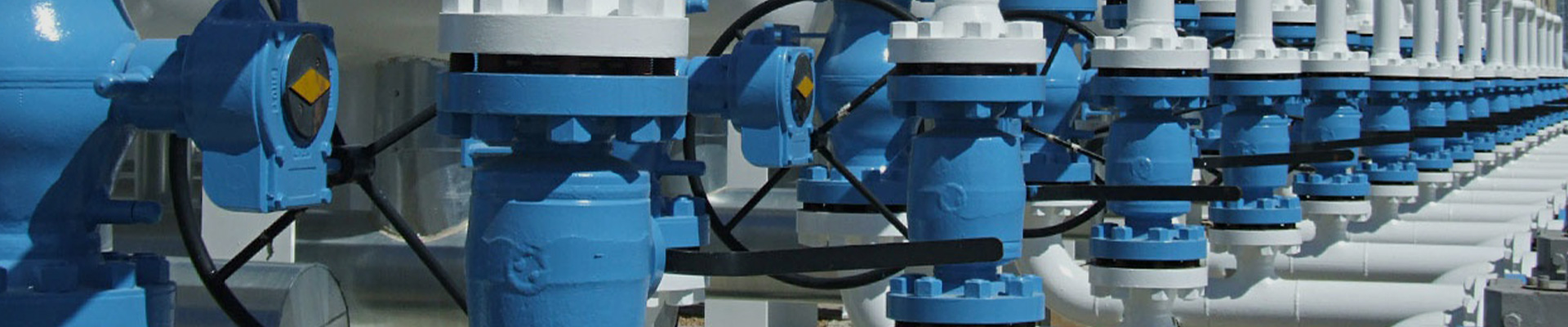
When a piping system fails to stop fluid flow when needed, the result often includes leaks, pressure drops, or safety risks. Operators face frustrated schedules and unplanned repairs. Engineers look for a shut‑off device that works every time without constant attention. Among the many valve types available for on/off control, the ball valve has earned a solid reputation across water treatment, chemical processing, oil handling, and general industrial work. Understanding how it works and what makes it dependable helps explain why so many systems rely on it.
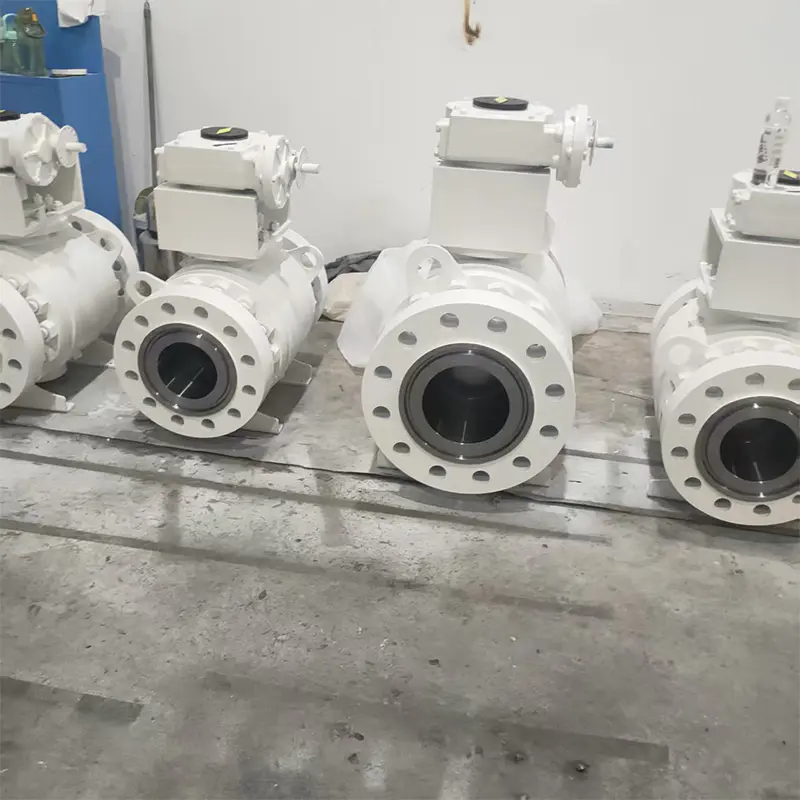
Inside a ball valve sits a hollow sphere with a hole through its center. That sphere connects to a stem and a handle on the outside. When the handle turns a quarter of a full circle, the sphere rotates to align the hole with the pipe direction, and fluid passes through freely. Another quarter turn in the opposite direction rotates the sphere so that the solid side faces the flow path. The hole now points perpendicular to the pipe, and the flow stops completely. That simple motion gives the ball valve its name and a key advantage: speed.
Turning a valve handle many full turns takes time. In an emergency or a routine shutdown, every second matters. A quarter‑turn operation allows an operator to close the line quickly. That fast response makes ball valves a common choice for systems where quick isolation prevents bigger problems.
A ball valve does not rely on complex mechanisms to create a seal. The sphere presses against soft or hard seats, usually made from polymer materials or metal. When the valve closes, the downstream pressure pushes the sphere further into the seat, creating a tighter seal as line pressure increases. That self‑energizing feature means higher working pressures actually improve the sealing ability rather than breaking it.
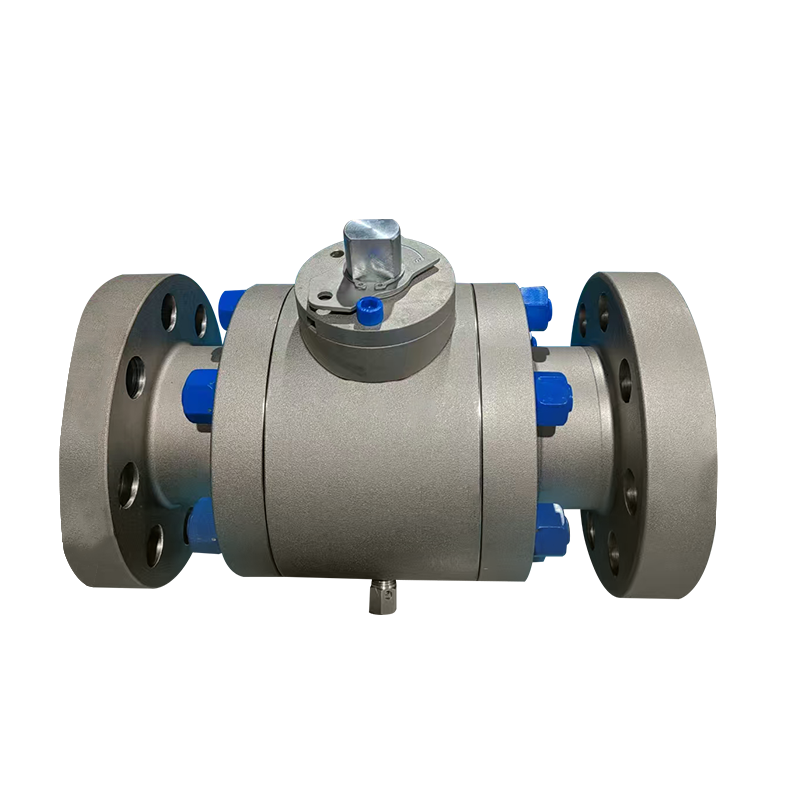
For a High Pressure Ball Valve, that behavior becomes especially valuable. Steam lines, hydraulic circuits, and gas transmission systems often operate at high pressures. A gate valve or globe valve may require heavy torque to seal properly, and those designs wear out faster under high differential pressure. The ball valve seals with a wedging action that remains consistent over many cycles. Leakage through the closed position stays low, often within industry standards for a tight shut‑off classification.
When fully open, the bore of a ball valve matches the pipe diameter in many designs. That full‑bore configuration creates almost no resistance to fluid movement. Pressure drop across an open ball valve is very low, close to the loss through a straight pipe of the same length. For systems that need to keep pumping energy low and flow rates high, that characteristic matters. A valve that restricts flow even when open wastes energy and reduces system output.
Some applications use a reduced‑port ball valve where the bore is a pipe size smaller. That design costs less and weighs less, but it adds some flow restriction. Even with a reduced port, the straight‑through path still produces lower turbulence and less pressure loss than a globe valve or a partially open gate valve.
A Durable Ball Valve survives many cycles without losing its sealing ability. The quarter‑turn motion causes less wear on the seats compared to a gate valve that rubs against the sealing surfaces during every opening and closing. Ball valves also handle frequent operation better than some butterfly valves, which rely on a resilient liner that can take a set over time.
The simple construction means fewer parts to fail. A ball valve contains the body, the ball, two seats, a stem, and a handle or actuator. No lift mechanism, no packing that requires constant adjustment in many designs, and no wedges that jam from debris. When maintenance does become necessary, rebuilding a ball valve often involves replacing the seats and stem seals, a straightforward job that takes a short amount of time.
For a Low Pressure Ball Valve used in water distribution or irrigation, that durability translates to long trouble‑free service. For a High Pressure Ball Valve in a refinery, the same design principle means scheduled inspections rather than unexpected breakdowns.
Because the ball only needs to rotate a quarter turn, the torque required to operate the valve stays manageable even for larger sizes. A person can close a ball valve of reasonable size by hand with a comfortable lever length. Actuators for automated systems also benefit from that low torque requirement, meaning smaller, less expensive electric or pneumatic units can do the job.
Some ball valves incorporate a floating ball design where the ball moves slightly downstream when closing to press against the seat. That floating action reduces the initial breakaway torque because the ball does not stay pressed into the seat during the first moment of rotation. After the valve seats, the pressure keeps the seal tight, but the opening movement remains smooth. Operators appreciate that feature in systems that cycle frequently, as it reduces fatigue and wear on handles or actuators.
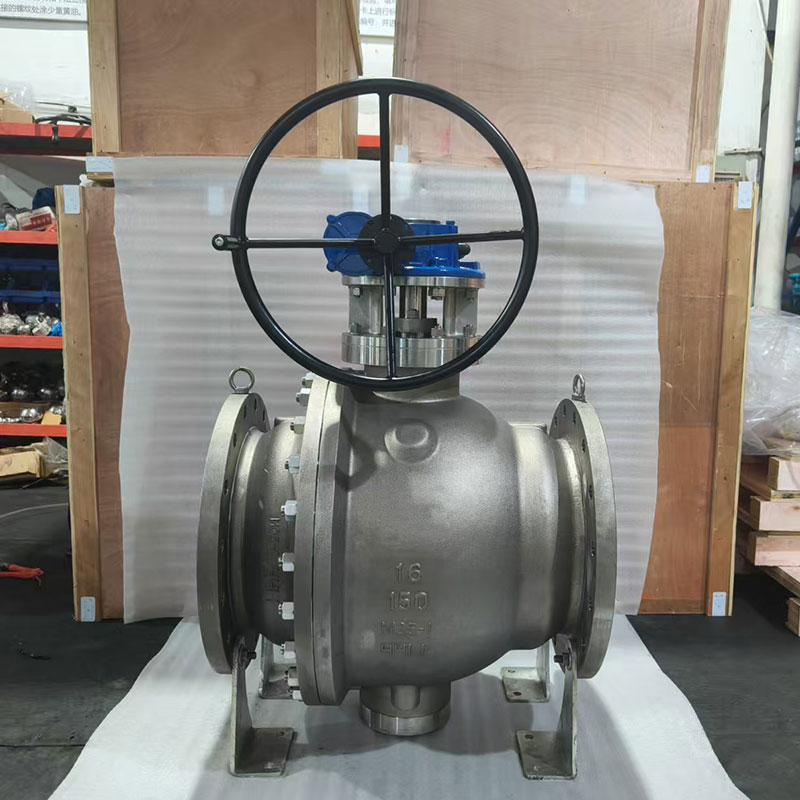
Fluid handling often involves water with chlorine, salt water, acidic chemicals, or abrasive slurries. A standard carbon steel ball valve with soft seats works fine for clean water or oil, but corrosive environments demand different materials. A Corrosion Resistant Ball Valve uses stainless steel bodies, nickel alloys, or titanium that resist chemical attack. The ball and stem receive the same material upgrade, while seats can switch from standard polymer to reinforced polymer compounds for chemical compatibility.
For a Ball Valve for Water systems that contain chloramines or other treatment chemicals, a stainless steel or brass body provides enough protection without excessive cost. Water treatment plants frequently specify Corrosion Resistant Ball Valves for chemical injection lines, filter backwash systems, and distribution piping where long life matters more than initial price.
Different service conditions call for different material combinations. One common selection approach looks like this:
| Service Condition | Body Material | Ball & Stem | Seat Material | Typical Application |
|---|---|---|---|---|
| Clean water, low pressure | Brass or cast iron | Brass or plated steel | Soft polymer | Household plumbing, irrigation |
| Water with chlorine or chemicals | Standard stainless steel | Same as body | Polymer or reinforced polymer | Municipal water treatment |
| Salt water or mild acids | Molybdenum stainless steel | Same as body | Reinforced polymer | Marine systems, chemical dosing |
| High temperature steam | Carbon steel | Chrome plated steel | High temperature polymer or metal seat | Steam lines, heat transfer |
| Strong acids or solvents | Nickel alloy or titanium | Same as body | Polymer or high performance polymer | Chemical processing plants |
That selection approach helps an engineer match the valve to the fluid rather than guessing or overspending.
A gate valve uses a flat or wedge‑shaped disc that lowers into the flow path to stop fluid. Opening requires many handle turns to lift the disc completely out of the way. That slow operation makes gate valves unsuitable for applications needing frequent or rapid shut‑off. Gate valves also struggle to provide a tight seal after years of service because debris collects in the bottom groove where the disc seats. A ball valve avoids that problem with a smooth bore and no cavities in the flow path when open.
Globe valves offer throttling control, but their design forces fluid to change direction inside the body. That redirection creates a permanent pressure drop even when fully open. For on/off service, a globe valve wastes energy and adds unnecessary restriction. A ball valve either passes flow straight through or stops it completely, with no in‑between pressure loss.
Butterfly valves cost less and weigh less than ball valves in large pipe sizes, but the sealing method differs. A butterfly valve uses a rotating disc that presses against a resilient liner. Over time, the liner takes compression set from the disc being closed for long periods. That leads to leakage that requires liner replacement. A ball valve with soft seats rebounds better after long closed periods, maintaining a tighter seal. For large water lines where weight matters, a butterfly valve still makes sense, but for reliable shut‑off on lines of smaller diameter, the ball valve often wins.
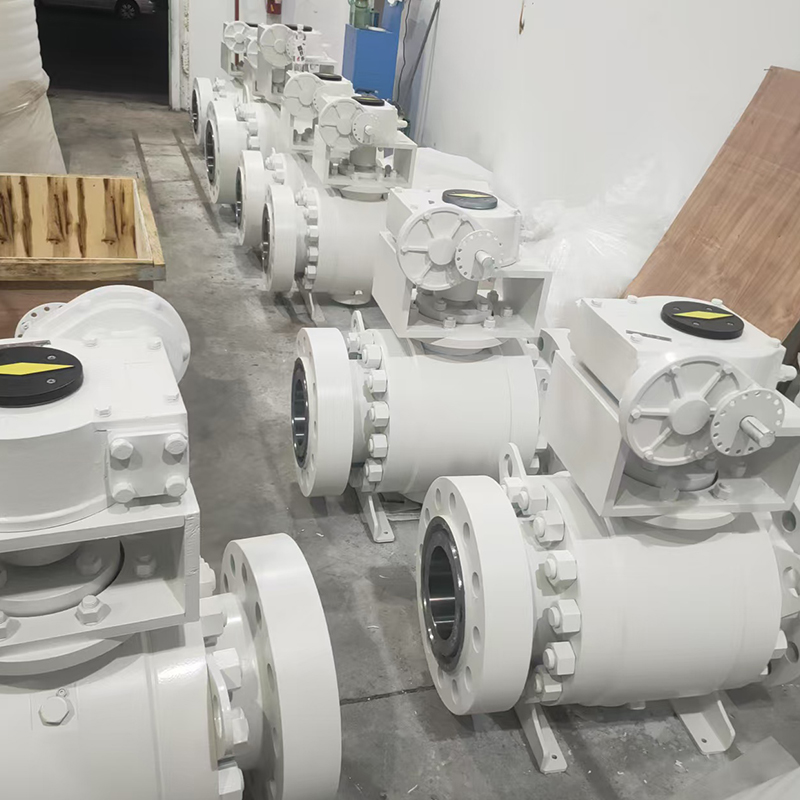
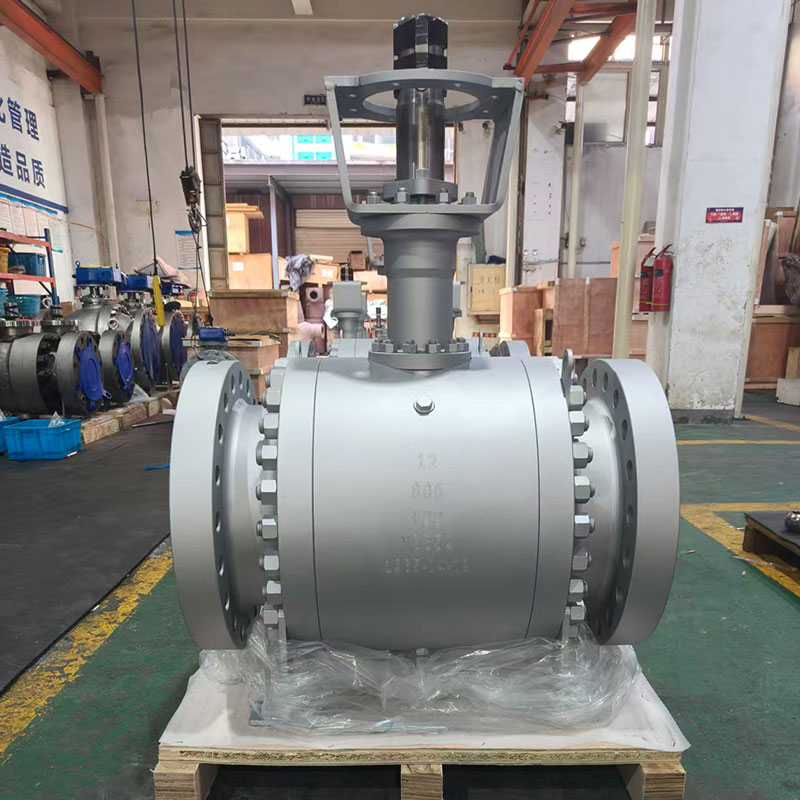
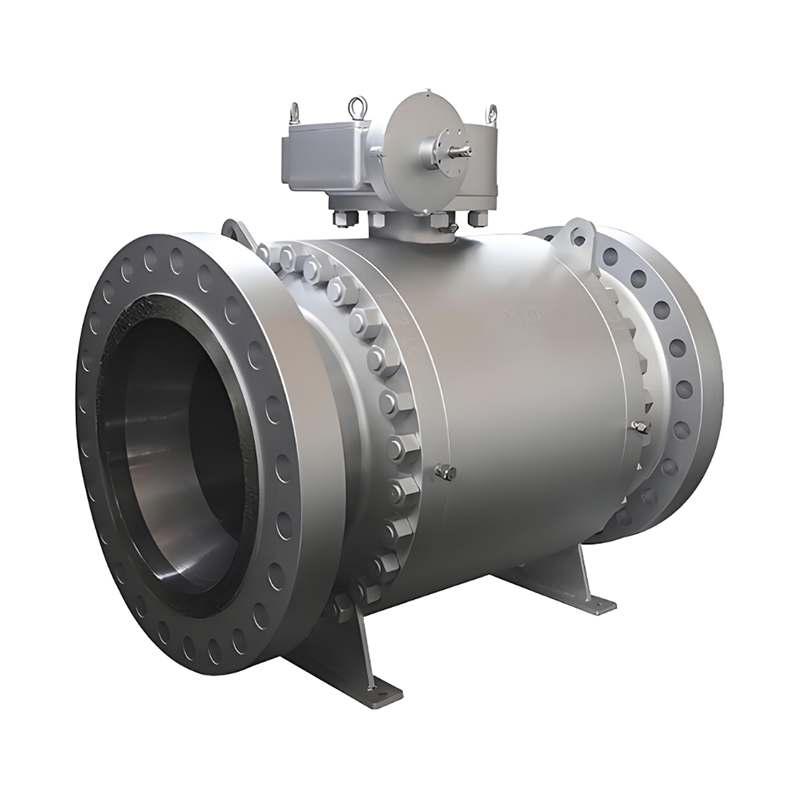
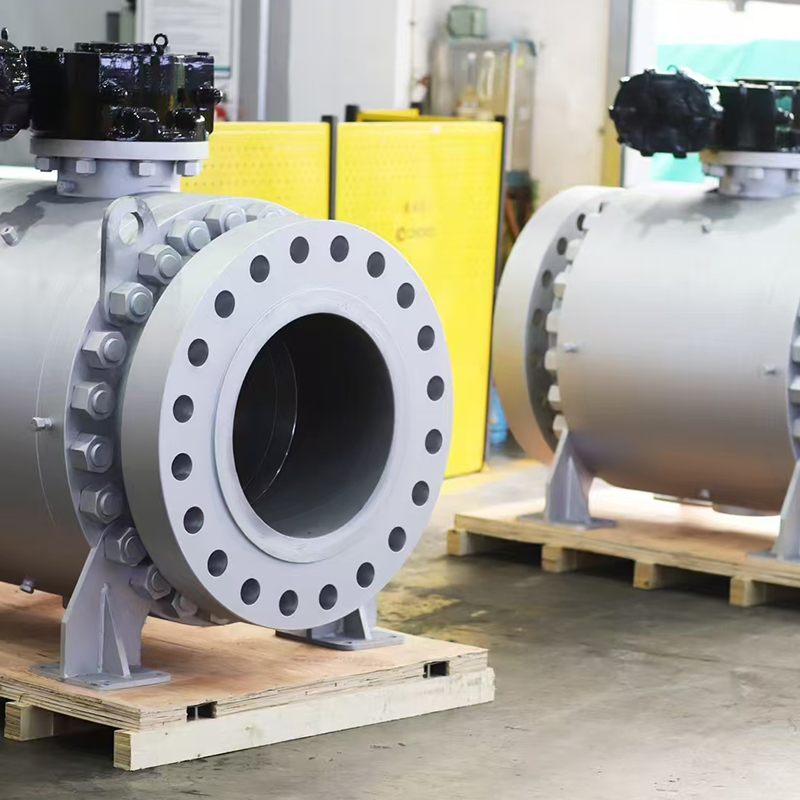
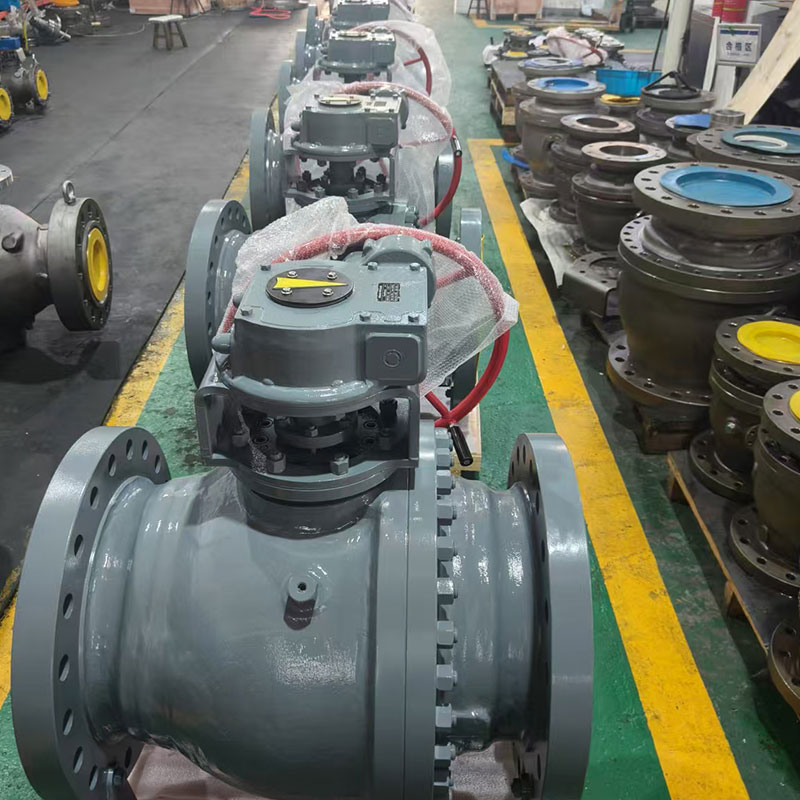
A High Pressure Ball Valve needs thicker body walls, stronger stem connections, and seats designed to resist extrusion under load. For systems with very high pressure, a trunnion‑mounted ball valve provides additional support. In a trunnion design, the ball has fixed bearings at the top and bottom, so the pressure does not push the ball into the downstream seat. Instead, the upstream seat springs forward to seal against the ball. That arrangement lowers operating torque and handles very high pressures without jamming.
A Low Pressure Ball Valve sees service in heating systems, aquarium plumbing, or low‑rise building water lines. For those applications, a floating ball design works well and costs much less. The body can be made from plastic, brass, or thin‑wall stainless steel. Seats made from standard polymer handle typical pressures without trouble. A mistake some buyers make is using a low pressure rated valve in a system with occasional pressure spikes. A water hammer event can exceed the valve rating and blow the seats out of position.
Water service places particular demands on a valve. Municipal water contains dissolved oxygen that rusts carbon steel. Debris like sand or rust flakes can scratch soft seats. A Ball Valve for Water should have a brass or stainless steel body to resist corrosion. The seat material needs enough resilience to seal around small particles without permanent damage.
Many water treatment plants use ball valves with reinforced polymer seats and stainless steel balls for long service life. Irrigation systems often use plastic ball valves with EPDM seats because those materials resist ultraviolet light and handle the low pressures found in sprinkler lines.
A Corrosion Resistant Ball Valve becomes necessary for chemical plants, offshore platforms, or any facility handling aggressive fluids. The valve body, ball, stem, and fasteners all need the same level of alloy. Mixing materials creates galvanic corrosion where the less noble metal deteriorates quickly. A stainless steel body with a carbon steel stem would fail at the stem threads within months in a wet chloride environment. Complete material matching across all wetted parts separates a truly Corrosion Resistant Ball Valve from a superficially upgraded one.
For highly corrosive services like hydrochloric acid or wet chlorine gas, plastic ball valves made from PVC, CPVC, or PVDF offer an alternative. Those materials do not corrode at all within their temperature limits, though pressure ratings are lower than metal valves. The choice between metal alloy and plastic depends on temperature, pressure, and mechanical strength requirements.
A Durable Ball Valve does not necessarily mean the most expensive option. Durability comes from proper sizing, correct material selection, and regular exercise. A valve that is too large for the line will never seal properly because the fluid velocity stays too low to clear debris. A valve that cycles once a year should still be turned occasionally to prevent the seats from bonding to the ball surface. Simple practices like installing strainers upstream of ball valves in dirty water lines extend seat life significantly.
The body construction also matters. Separate‑body and multi‑piece ball valves allow seat replacement without removing the entire valve from the pipeline, a feature that reduces downtime. One‑piece ball valves cost less but require cutting the pipe for any internal repair. For critical service where maintenance access is difficult, the extra cost of a multi‑piece design pays for itself the first time a seat replacement saves a day of system shutdown.
For engineers and maintenance teams looking for a partner in sourcing reliable ball valves across water, chemical, oil, and general industrial applications, Zhejiang Yushun Valve Co., Ltd. provides a range of configurations including High Pressure Ball Valves, Low Pressure Ball Valves, corrosion resistant designs, and Durable Ball Valves for water systems built to deliver consistent on/off control over many years of service. Consider reaching out to their technical team to match the right ball valve to your next project.