русский
 عربى
عربى


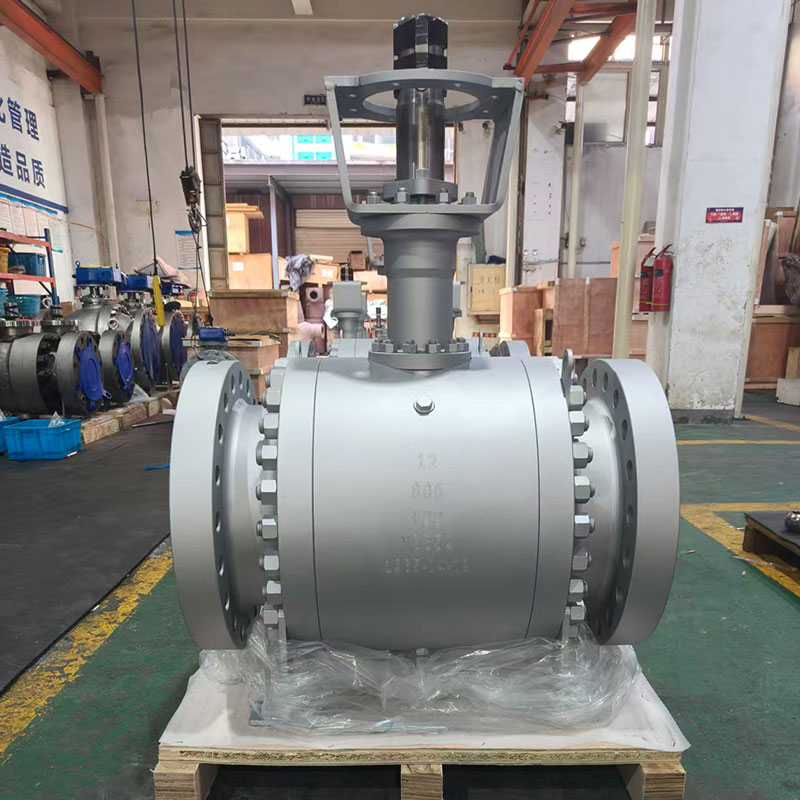
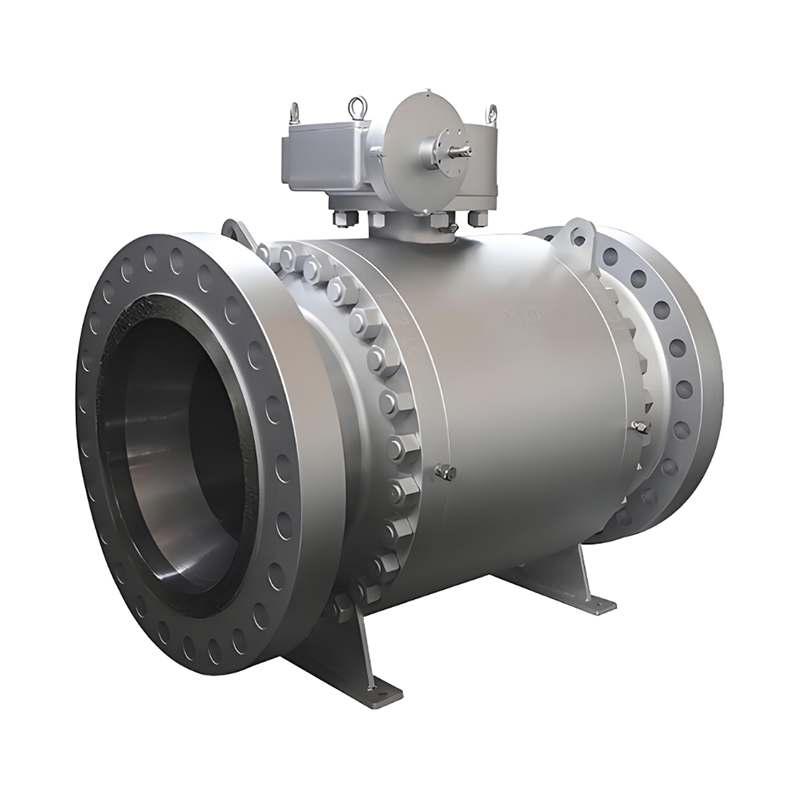
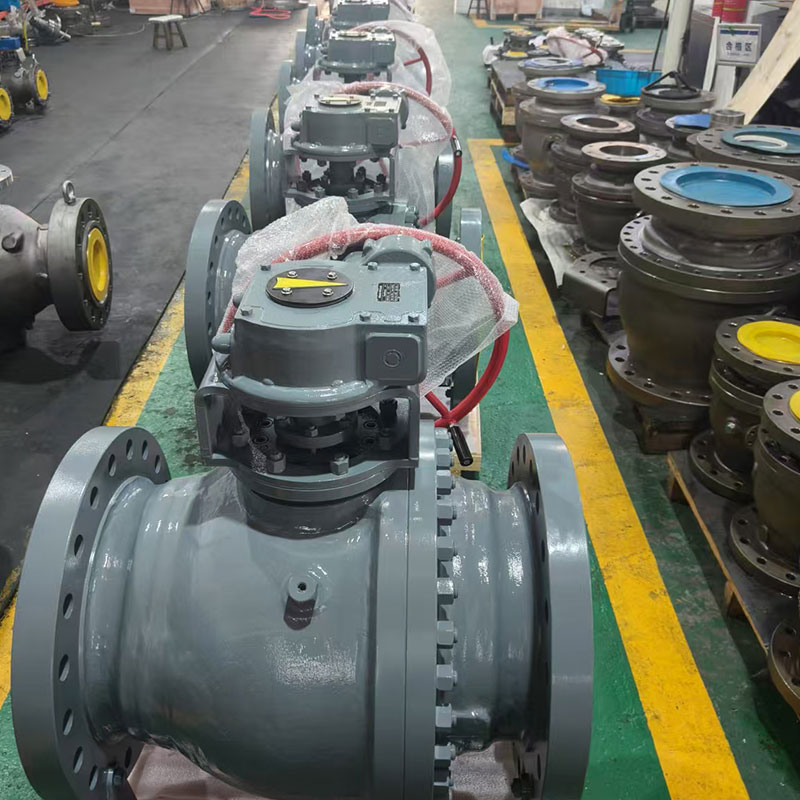
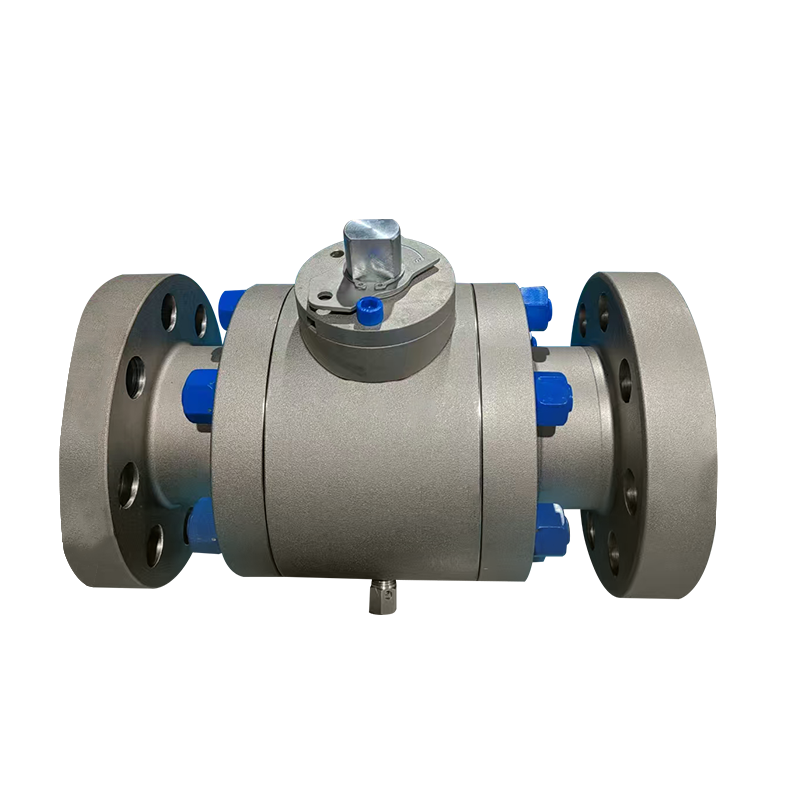
The valve is installed, the system is pressurized, and the handle takes more force to move than it should. Or the opposite — it turns freely but does not seal cleanly at the closed position. Either way, the production line is not where it needs to be, and the root cause is somewhere in the torque relationship between the ball, the seat, and whatever is driving the stem. Working with an ANSI Ball Valve across different pressure classes and seat materials means understanding that torque is not a fixed property — it is a variable that changes with conditions, and it needs to be set and verified with that variability in mind.
This matters more than many commissioning checklists acknowledge. An undersized actuator that barely meets the valve's break-out torque requirement at ambient temperature may fail entirely when the fluid temperature drops and seat friction increases. A manual operator adjusted to feel comfortable during initial setup may become dangerously stiff for a technician working in an emergency. Getting torque right — understanding what drives it, how to measure it, when to adjust it, and how it differs across valve configurations — is the practical foundation of reliable valve operation.
Torque in a ball valve is the rotational force required to move the ball from one position to another — from fully closed to fully open, or from open back to closed. It sounds straightforward. The mechanical reality is more layered.
Three torque conditions define valve performance:
Break-out torque: The force needed to initiate motion from a static position. This is always higher than running torque because static friction between the ball and seat is higher than dynamic friction. When a valve has been closed under pressure for an extended period, break-out torque can be significantly higher than the datasheet figure, particularly with soft-seat designs where seat material has conformed to the ball surface.
Running torque: The force required to continue moving the ball through its rotation once motion has started. This is lower than break-out torque and more consistent through the travel.
Seating torque: The force applied at the fully closed or fully open position to ensure the seat is properly engaged. In quarter-turn ball valves, this corresponds to the force at the end of the rotation stroke.
Each of these matters differently depending on the operating scenario. An actuator that is sized only to the running torque figure will stall attempting to open a valve that has been closed under pressure for several days. A manual handle that is comfortable at running torque may not generate enough force for a reliable break-out without additional operator effort.
What Drives Torque Requirements in ANSI-Rated Valves?
ANSI pressure class ratings define the pressure-temperature envelope the valve is designed to operate within, and those ratings directly affect how much torque is required to operate the valve reliably.
Several factors interact to set the torque requirement for any specific installation:
Pressure differential across the seat: Higher differential pressure pushes the ball harder against the downstream seat, increasing the friction force that torque must overcome. A valve operating at or near its pressure rating will require more torque than the same valve at low pressure.
Seat material: PTFE soft seats provide low friction and consistent torque across a wide temperature range but can creep over time, particularly under sustained load at elevated temperature. Metal seats carry higher friction and therefore higher torque requirements but maintain dimensional stability and sealing integrity at temperatures where soft seats would degrade.
Ball and bore diameter: Larger valves have larger moment arms and larger seating surfaces. Torque scales with diameter — a larger valve of the same pressure class requires substantially more torque than a smaller one.
Temperature: Cold temperatures increase viscosity of lubricants in the stem seal and seat interface, raising friction. High temperatures reduce material hardness in some seat configurations, changing the contact geometry and the resulting friction coefficient.
Stem seal condition: The packing or seal at the stem adds friction to the torque requirement. As packing ages and compresses, or is over-tightened, stem friction increases independently of seat condition.
Media characteristics: Abrasive or viscous fluids change the lubrication conditions at the seat interface. A valve that has been handling clean water will behave differently than one handling a slurry or a viscous oil.
Understanding which of these factors is dominant in a specific installation tells the technician where to look when torque behavior changes.
How Does Torque Compare Between Ball Valves and Butterfly Valves?
The comparison comes up regularly when engineers are specifying valves for a system that could accommodate either configuration. An ANSI Butterfly Valve and an ANSI Ball Valve are both quarter-turn designs, but their torque profiles and operating characteristics differ in ways that matter for selection and for actuator sizing.
A butterfly valve generates torque through the eccentric rotation of a disc through the flow stream. The disc is always in the flow path even when open — it never fully clears the bore. This means the valve experiences flow-induced torque throughout its travel, particularly at intermediate positions where the disc is at a high angle to the flow. The torque curve of a butterfly valve is not linear; it has a peak somewhere in mid-travel that must be accounted for in actuator sizing.
A ball valve's torque profile is different. When fully open, the through-bore aligns with the pipe and the ball is essentially out of the flow path. The torque is concentrated at break-out and at the seating position at either end of travel. Mid-travel torque in a ball valve is generally lower than at the endpoints.
The practical implications:
Ball valves provide a cleaner flow path when open and are generally preferred for on-off applications where flow restriction matters
Butterfly valves are typically lighter and more compact for larger diameters, and their lower cost at large sizes makes them a common selection for larger pipelines
Actuator sizing for a butterfly valve must account for the mid-travel torque peak; for a ball valve, break-out torque is usually the governing figure
Tight shutoff performance generally favors the ball valve, particularly in clean fluid service with soft seats
Neither design is categorically more capable — the selection depends on the specific requirements of pressure, temperature, flow profile, and pipe diameter.
A Practical Framework for Torque Setting and Verification
Setting torque correctly is not a one-time task. It is a procedure that should be documented at commissioning and revisited during maintenance intervals. The following framework applies to manually operated and actuated ANSI Ball Valves.
For Manually Operated Valves
Manual ball valves do not have an adjustable torque setting in the sense that an actuator does, but the factors that affect operating torque are controllable:
Stem packing compression: Over-tightened packing adds stem friction beyond what sealing requires. Tighten packing gland nuts to the point where leakage stops, then verify that the valve can still be operated smoothly. If the valve becomes stiff after packing adjustment, back off the gland slightly.
Seat preload adjustment: Some full-port ball valves have adjustable seat retainer rings that control the contact force between seat and ball. These are set at the factory but can be field-adjusted if the valve becomes difficult to operate or if sealing performance degrades. Adjusting seat preload requires a controlled procedure — increasing preload too far raises operating torque and accelerates seat wear.
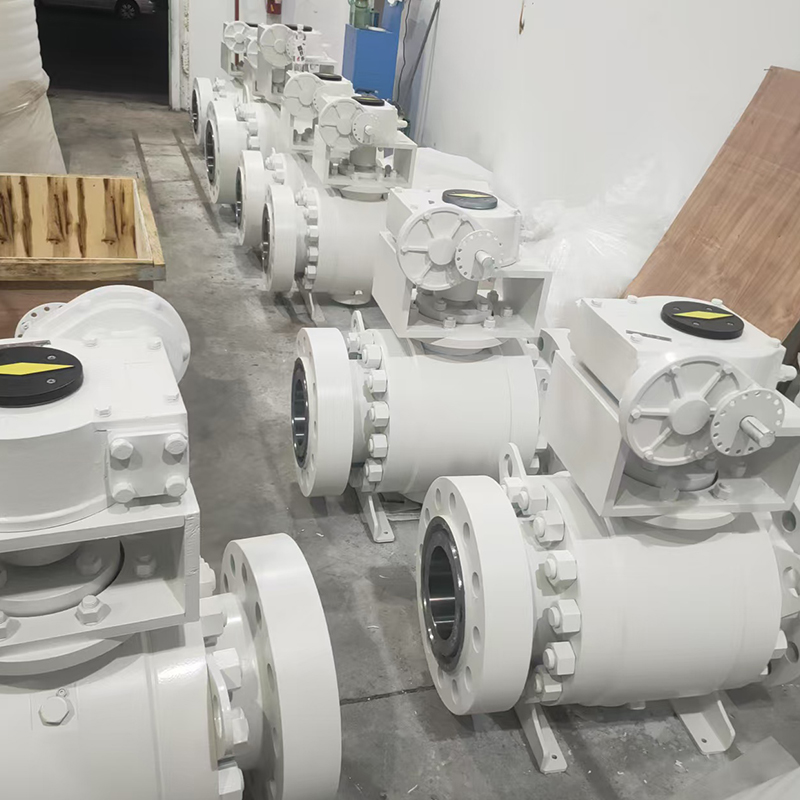
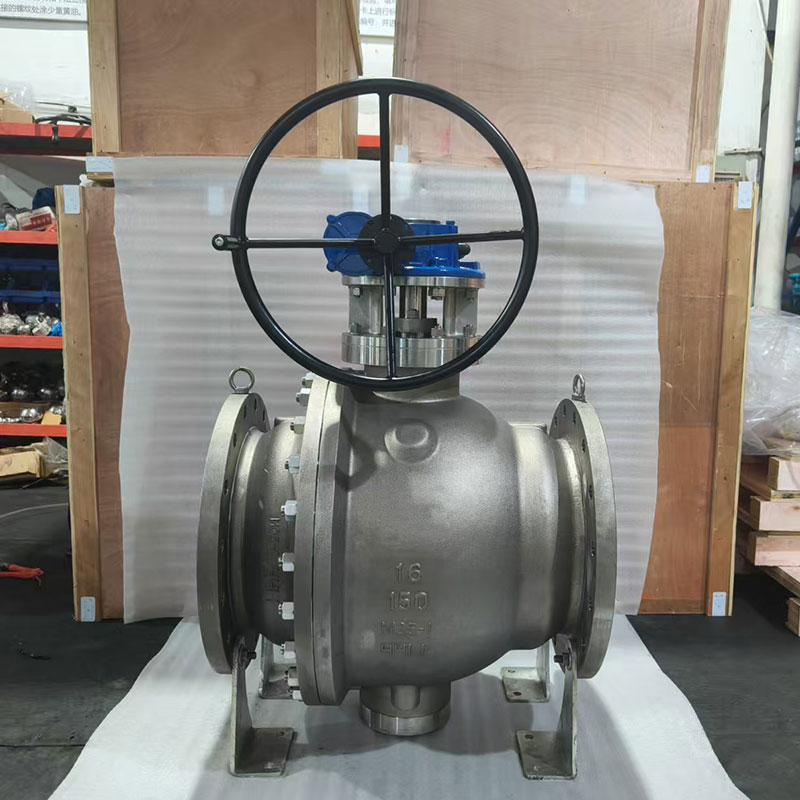
Lever length and handle configuration: For applications where operating torque is high, a longer lever handle reduces the force required from the operator. Gear operators are available for larger valves where manual torque requirements exceed what a direct-mount handle can practically deliver.
For Actuated Valves
Actuator torque adjustment is a more involved procedure and must be approached systematically:
Confirm the actuator's rated output torque against the valve's break-out torque requirement: The actuator must exceed break-out torque with a defined safety factor — typically stated in the actuator specification. Operating close to the rated torque without margin leads to stall conditions under cold starts or after extended static periods.
Set travel stops: Ball valve actuators have adjustable end stops that define the fully open and fully closed positions. These must be set so the ball seats fully at the closed position and the bore aligns completely at open. Incorrect stop positions cause partial seating, leakage at closed, and flow restriction at open.
Calibrate torque limit switches: Electric actuators have torque-limiting switches that cut power when a set torque is reached. These protect the valve and actuator from overload. They must be set above the normal operating torque but below the torque that would damage the valve. Calibration involves cycling the valve under representative conditions and monitoring actuator current or torque output.
Verify pneumatic supply pressure for pneumatic actuators: Pneumatic actuator output torque is a direct function of supply pressure and actuator bore area. If torque is insufficient, checking supply pressure is the starting point before any mechanical adjustment.
Diagnosing Torque-Related Operating Problems
When a valve in service starts behaving differently than it did at commissioning, torque is often part of the explanation. Recognizing the symptoms and tracing them to their source is faster than replacing components that may not be the actual problem.
SymptomLikely CauseDiagnostic Step
Valve increasingly stiff to operatePacking over-tightened; seat wear; media contaminationCheck packing gland; inspect seat contact; check media for abrasives
Valve leaks at closed positionInsufficient seating torque; seat damage; actuator stop missetVerify actuator end stop; inspect seat surface; check torque output
Actuator stalls on openingBreak-out torque exceeds actuator capacity; cold start frictionCheck supply pressure; verify actuator sizing against current torque requirement
Torque increases suddenly in serviceForeign material in seat area; media change; temperature dropInspect for debris; verify media conditions; check temperature effects on seat
Valve passes mid-position without holdingActuator lock or detent failure; ball seat clearance out of toleranceInspect actuator locking mechanism; measure seat contact
Uneven torque through travelDamaged ball surface; seat deformation; stem misalignmentInspect ball and seat surfaces; check stem for lateral movement
Chasing a torque symptom without diagnosing the cause is a reliable way to create a new problem. A valve that is stiff because the packing is over-compressed does not benefit from a larger actuator — it benefits from packing adjustment.
How Seat Material Affects Torque Behavior Over Time
The seat is the component most directly responsible for both sealing performance and operating torque in a ball valve, and its condition changes over time in ways that affect both. Understanding how different seat materials age helps predict when torque adjustment will be needed and why.
PTFE seats start with low friction and consistent torque. Over time, particularly under sustained load or thermal cycling, PTFE creeps — it deforms under pressure and conforms to the ball surface. This is actually beneficial for sealing in early service life but creates problems when the valve is operated infrequently. A PTFE seat that has been under static load against a closed ball for an extended period will have higher break-out torque than the datasheet value because the seat has partially cold-welded to the ball contact surface. Operating the valve periodically — even just through a partial stroke — prevents this condition from developing.
Reinforced PTFE and filled PTFE seats are more dimensionally stable than pure PTFE. Glass, carbon, or ceramic fillers reduce creep and extend the temperature range. Torque is somewhat higher than pure PTFE but more consistent over time.
Metal seats in harder alloys or with hard-face overlays maintain their geometry under temperature and pressure conditions that would degrade soft seats, but they carry consistently higher friction and therefore higher torque requirements throughout their service life. Metal-seated valves are specified for the conditions where soft seats cannot survive — high temperature, abrasive media, fire-safe requirements — not for their torque characteristics.
For any seat type, the key maintenance insight is that torque should be periodically verified rather than assumed to remain at the commissioning value. Documenting the torque required to operate the valve at commissioning provides a baseline for comparison during maintenance inspections. A valve whose torque has increased significantly from that baseline is communicating that something has changed — and the change is worth investigating before it becomes a failure.
Actuator Selection and Sizing Considerations
Matching an actuator to an ANSI Ball Valve is a sizing exercise that requires more inputs than the valve's nominal torque rating alone.
The torque required to operate a valve is not a single number. It varies with pressure, temperature, media conditions, and the age of the seat and stem seal. An actuator sized to the nominal torque under clean conditions at ambient temperature may be undersized when the system is cold-started under full pressure after a shutdown.
A responsible sizing approach accounts for:
Safety factor above break-out torque: The actuator should produce meaningfully more torque than the valve's break-out requirement. A common starting point is a safety factor applied to the break-out torque, with that factor increasing in applications where conditions are variable or where the cost of actuator failure is high.
Actuator type and fail position: Spring-return pneumatic actuators fail open or fail closed depending on spring orientation — this is specified based on the process safety requirement, not convenience. Double-acting actuators require instrument air to hold position; spring-return actuators hold their fail position without instrument air. Electric actuators can fail in-position or drive to a specified position depending on the failure mode configuration.
Speed of operation: Actuator speed affects water hammer potential in liquid systems. Fast actuation generates pressure surges proportional to fluid velocity and pipe dimensions. Where water hammer is a concern, actuator speed is controlled through flow restrictors or variable-speed drives.
Environmental conditions for the actuator itself: Actuators mounted outdoors in cold climates need heaters to maintain pneumatic or electric function. Actuators in hazardous locations require appropriate area classification and enclosure ratings. These requirements affect actuator selection as much as the torque requirement does.
Routine Maintenance Practices That Preserve Torque Performance
Torque-related problems in ball valves are largely preventable through consistent maintenance practices. The investment in scheduled maintenance is reliably smaller than the cost of unplanned downtime caused by a valve that has drifted out of adjustment or developed a seating problem that was not caught early.
Maintenance practices that directly affect torque behavior:
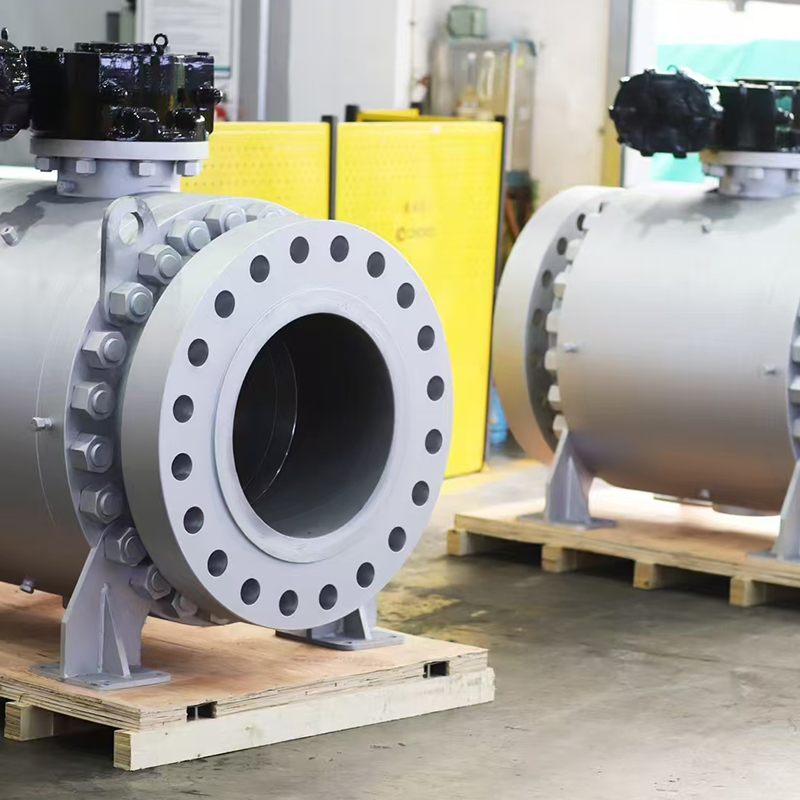
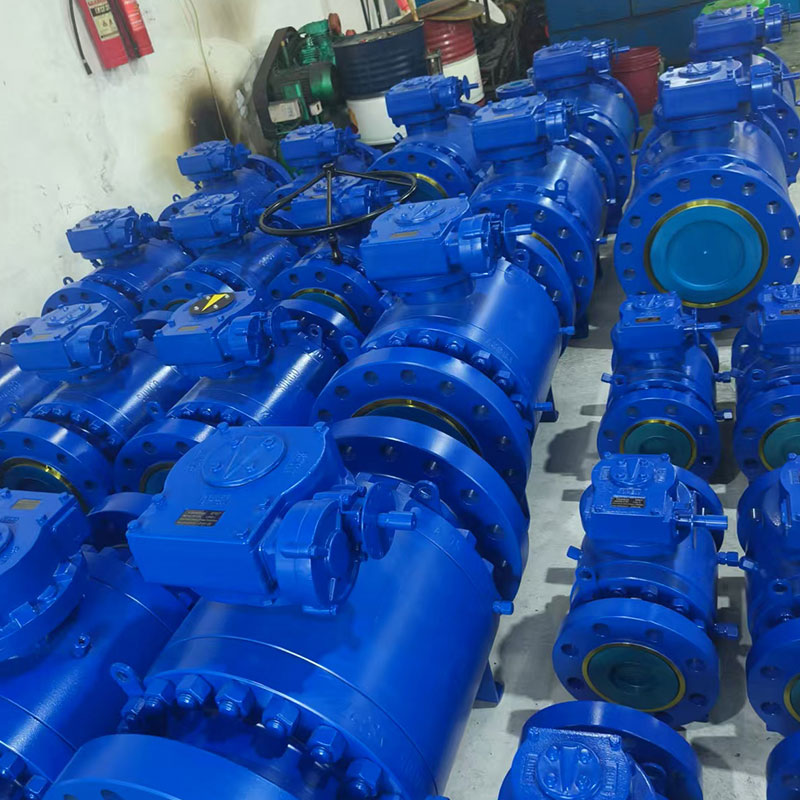
Torque behavior in an ANSI Ball Valve is a function of design, manufacturing precision, and material selection working together. A valve that seals well, operates consistently, and holds its torque characteristics across its service life is one where those elements were addressed from the beginning — not patched in through field adjustment after installation. Zhejiang Yushun Valve Co., Ltd. manufactures ANSI Ball Valves across a range of pressure classes and seat material configurations, including PTFE, reinforced PTFE, and metal seat designs for applications where temperature and media conditions govern the specification. If you are working through a valve specification for a new system, evaluating replacement options for an application where torque performance has been inconsistent, or looking for an ANSI Ball Valve Factory that can support both standard catalog configurations and application-specific modifications, reaching out directly allows a technical conversation grounded in the actual conditions the valve will operate in. Valve performance in the field starts with how the valve is designed and manufactured — and that is where the right supplier relationship makes a practical difference.