русский
 عربى
عربى


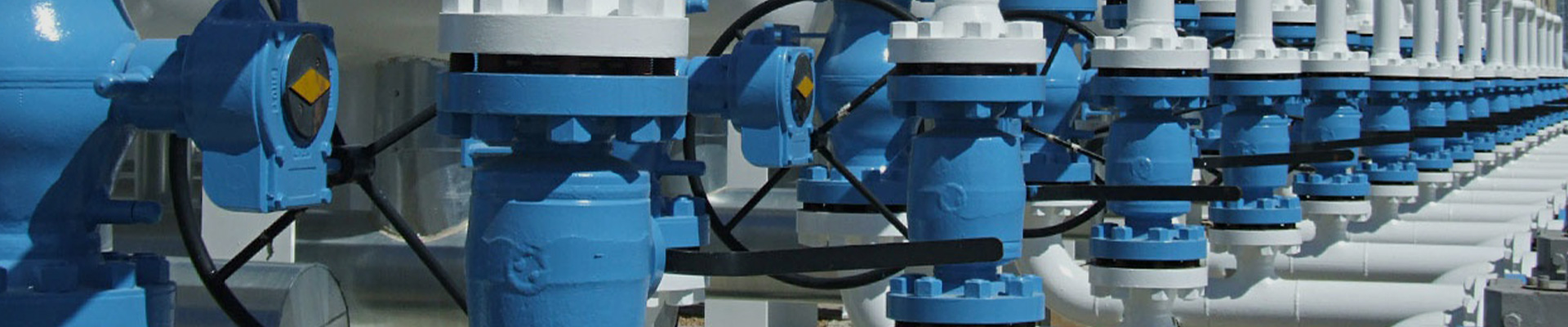
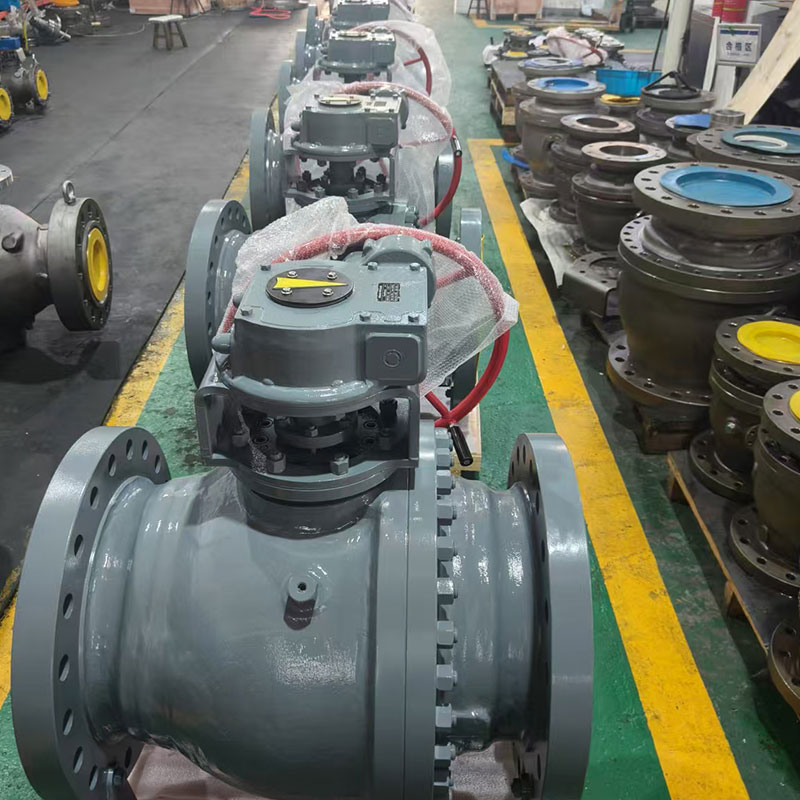
A maintenance crew at a wastewater treatment plant pulls a valve for inspection and finds the internal ball pitted and rough, barely turning without grinding against the seat. Six months earlier it worked fine. What changed wasn't the valve's job — it was the constant exposure to moisture and chemical residue slowly eating away at a material that was never really built to handle that environment. Swap in a Corrosion Resistant Ball Valve , and that same spot in the system can run for years without the same slow breakdown. Valves control where liquids and gases go, but not every pipeline is a straightforward job. Some carry chemicals, some sit in humid coastal air, some deal with water day after day for decades. A material that holds up fine in a dry industrial setting might fall apart fast somewhere else.
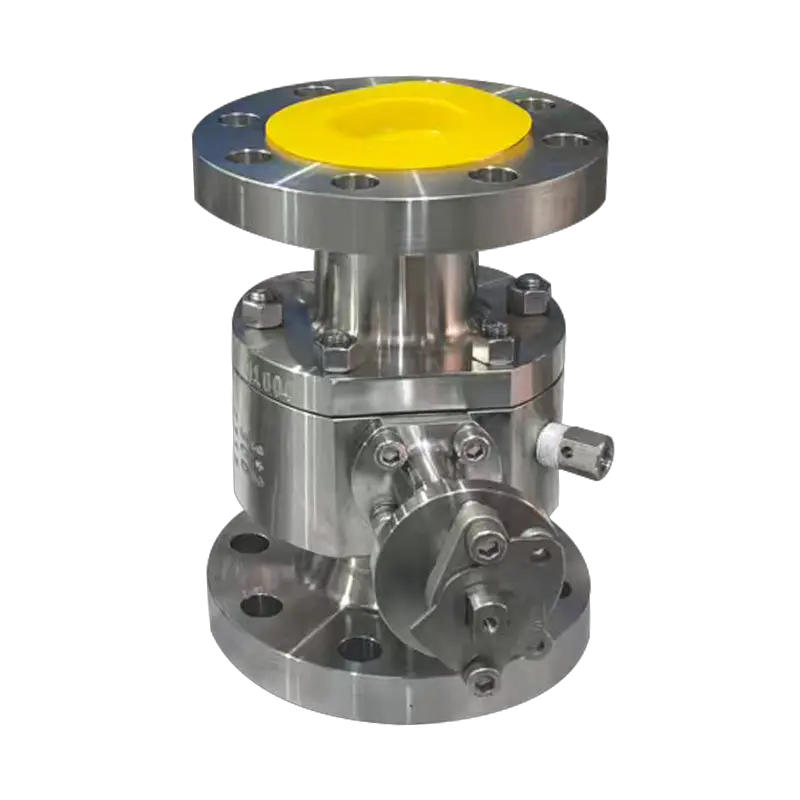
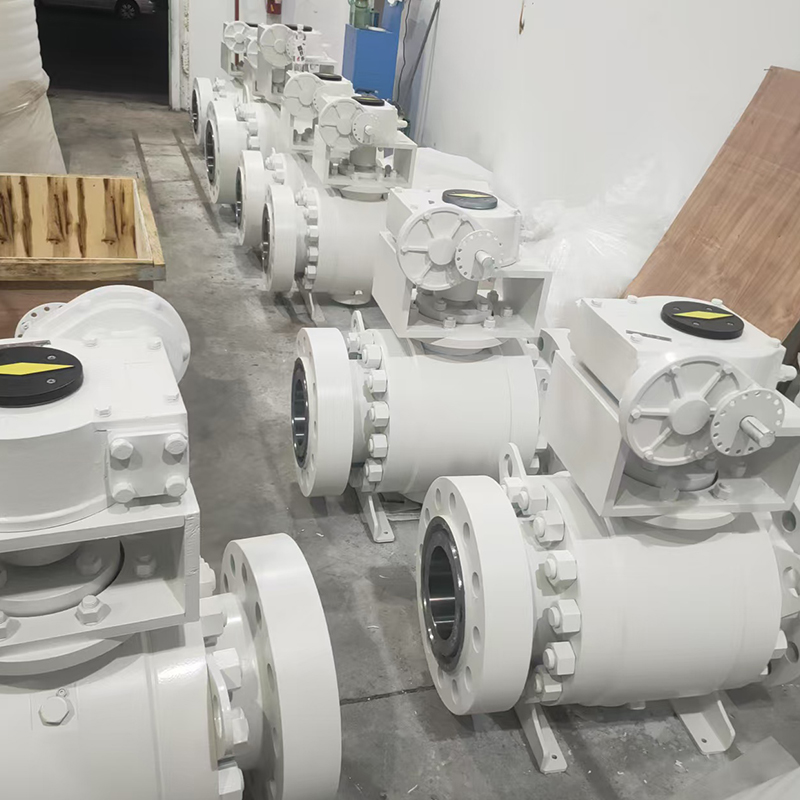
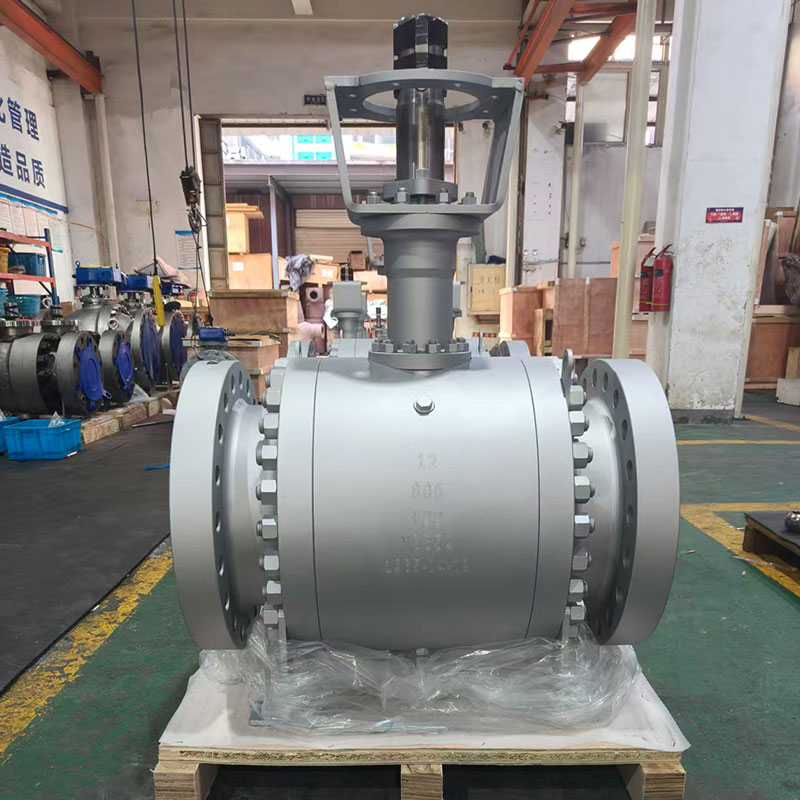
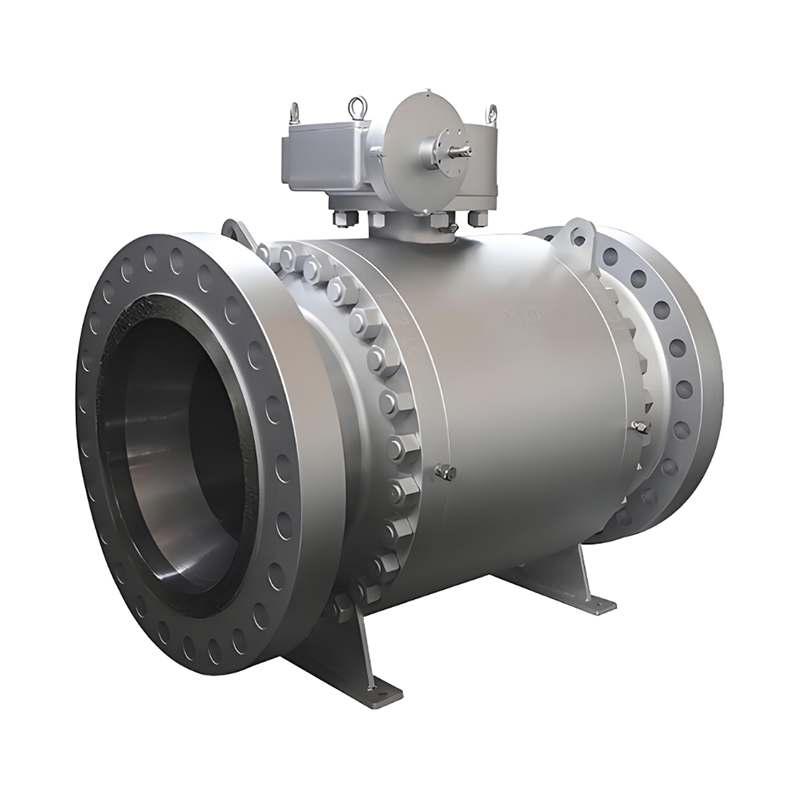
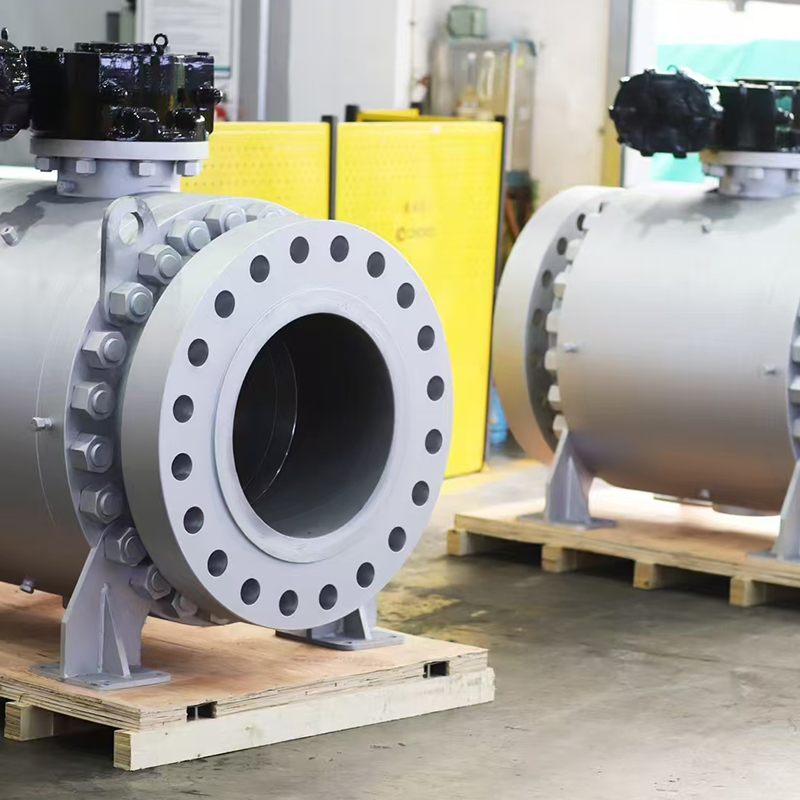
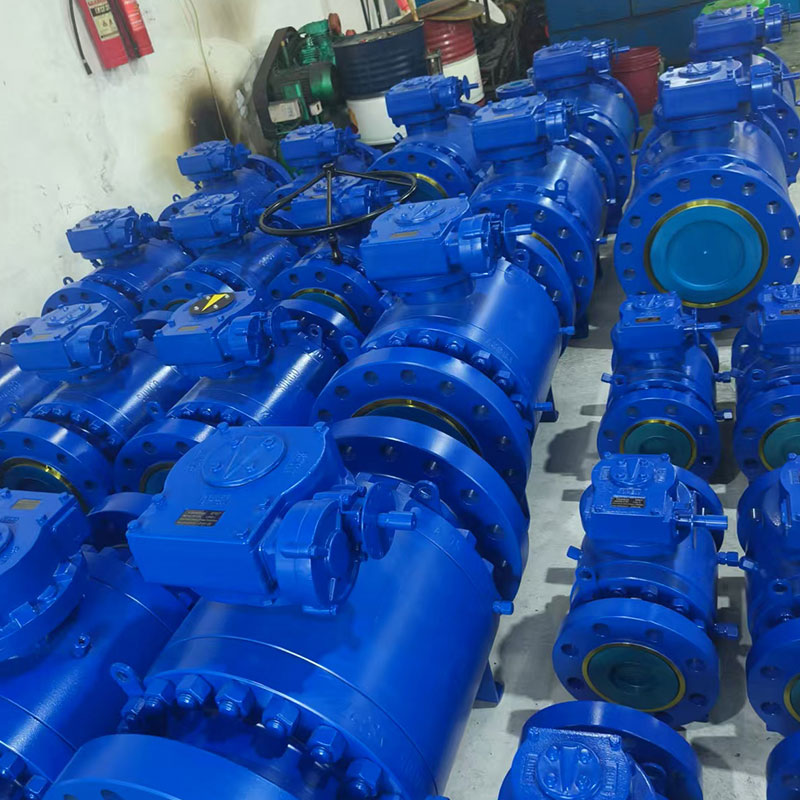
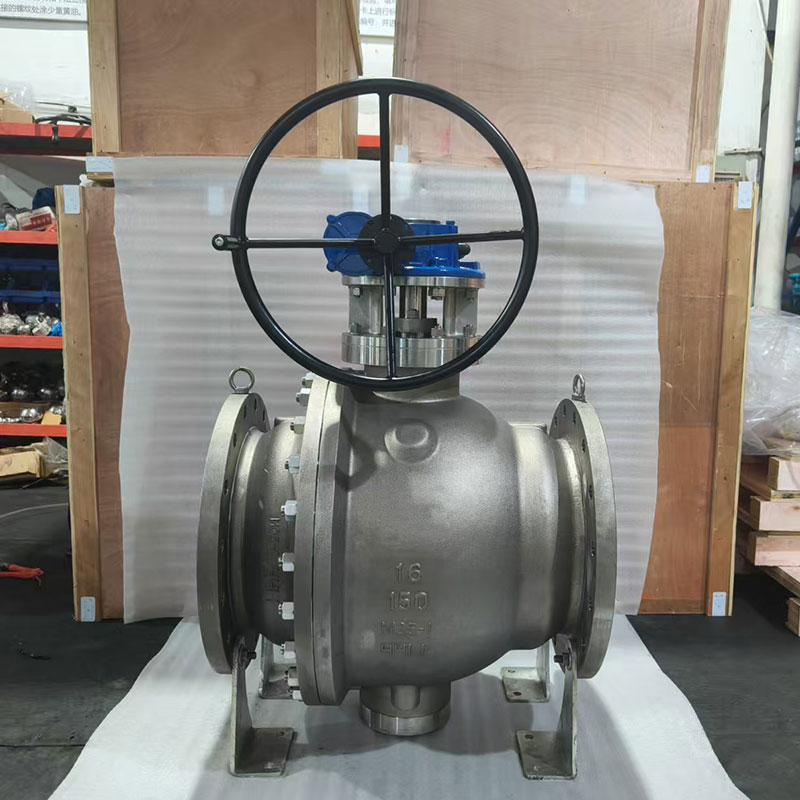
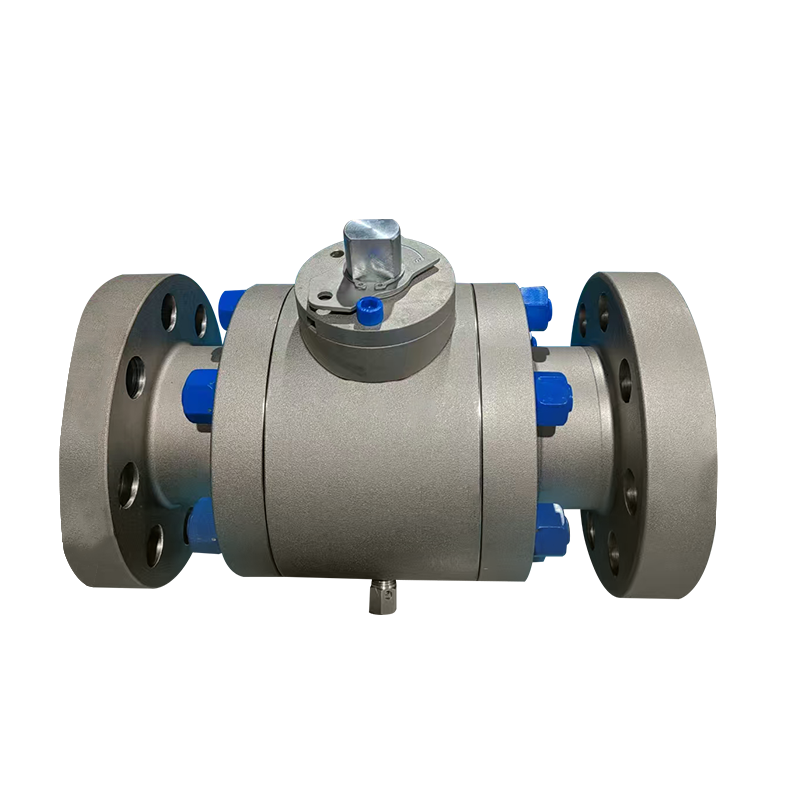
At its core, a Corrosion Resistant Ball Valve does the same job any ball valve does — a rotating internal ball opens, closes, or partially restricts flow through the pipe. What sets it apart is the choice of materials and construction built specifically to hold up against moisture, chemicals, or other conditions that would otherwise wear a regular valve down over time.
A typical ball valve includes:
| Component | Function |
|---|---|
| Valve body | Holds the whole assembly together |
| Internal ball | Controls whether fluid passes through |
| Handle or control unit | Lets an operator open or close the valve |
| Sealing parts | Keeps the closed valve from leaking |
The corrosion resistant version isn't a different mechanism — it's the same basic design built out of materials and finishes chosen specifically for whatever harsh environment it's headed into.
Corrosion doesn't happen overnight. It creeps in slowly, pitting surfaces, weakening seals, and gradually making a valve harder to operate smoothly.
Left unaddressed, that slow damage tends to show up as:
A corrosion resistant valve pushes back against that timeline, built specifically for settings where regular materials would start breaking down within months instead of years.
Different industries deal with corrosion in different ways. A chemical plant faces a completely different set of risks than a marine dock or a municipal water treatment facility, even though all three might be running similar-looking pipelines.
A Corrosion Resistant Ball Valve handles the same basic task any valve handles — letting an operator start, stop, or manage the flow moving through a pipe — but does it reliably even in conditions that would degrade a standard valve.
That shows up in a few practical ways:
| Function | Real-World Benefit |
|---|---|
| Flow control | Lets an operator manage exactly how much moves through |
| Shut-off operation | Isolates a section of pipe when needed, cleanly |
| Pipeline management | Adapts to different process demands across a system |
| Equipment protection | Keeps the surrounding system stable instead of straining it |
Operating one of these valves isn't complicated — turning a handle or actuator still does the job. The real difference shows up months or years later, when a standard valve might already be showing signs of wear and this one's still turning smoothly.
Corrosion shows up almost anywhere moisture, chemicals, or harsh conditions meet metal, which is why these valves turn up across a lot of different settings.
Water systems deal with constant, long-term moisture exposure. A corrosion resistant valve keeps flow control steady through years of that kind of exposure without the internal parts slowly degrading.
Some industrial processes move substances that would eat through regular valve materials fairly quickly. Choosing the right valve material here isn't optional — it's what keeps the whole line running safely.
Docks, ships, and coastal facilities deal with humid, salty air pretty much constantly. Valves built for these environments hold up against conditions that would rust out a standard part within a season or two.
Manufacturing plants often need dependable fluid control running continuously through production, where an unexpected valve failure means an expensive shutdown.
Each of these settings comes with its own particular risks, so picking the right valve really depends on understanding the actual conditions it'll face day after day.
The material a valve's made from determines how well it stands up to whatever environment it's placed in — this is really where the whole "corrosion resistant" label comes from.
A few things that factor into that choice:
| Material Factor | Why It Matters |
|---|---|
| Environmental exposure | Shapes what kind of corrosion risk the valve actually faces |
| What's flowing through the pipe | Some fluids are more aggressive toward certain materials than others |
| Operating conditions | Temperature and pressure both affect how materials hold up |
| Realistic maintenance access | Affects how much wear a material can reasonably tolerate before service |
Getting the material right means the valve and its environment actually work together instead of the environment slowly winning that fight.
Manufacturers weigh all of this when building valves meant for specific industries, rather than assuming one material fits every situation equally well.
Ball valves have stuck around for a long time because they're straightforward to operate and mechanically simple compared to some alternatives.
Compared with other valve types, they tend to offer:
The rotating ball inside does all the real work, controlling flow through simple rotational movement rather than anything more mechanically complex.
Pair that straightforward design with corrosion resistant materials, and the result holds up well in settings where a standard ball valve would need frequent attention.
Picking the right valve upfront tends to head off a handful of recurring headaches down the line.
A Corrosion Resistant Ball Valve tends to help with:
| Challenge | How the Valve Helps |
|---|---|
| Materials breaking down over time | Resists the kind of decay that regular materials can't avoid |
| Constant replacement cycles | Extends how long the valve actually stays in service |
| Flow control getting unreliable | Keeps operation consistent even after years of exposure |
| Maintenance that's a hassle to keep up with | Reduces how often intervention is actually needed |
The valve alone isn't the whole story though. How it's installed, how it's maintained, and whether it actually matches the application all play into how well the overall system performs over time.
Even a valve built specifically to resist corrosion still needs some regular attention — "corrosion resistant" doesn't mean "maintenance-free."
Routine checks help catch small issues before they turn into bigger ones.
Common maintenance habits include:
How often that maintenance needs to happen really depends on the environment. A valve sitting in a harsh chemical plant probably needs more frequent attention than one installed in a much milder, everyday application.
Picking the right Corrosion Resistant Ball Valve means actually understanding the full application it's going into, not just grabbing whatever's labeled "corrosion resistant" off a catalog page.
A few things worth weighing:
| Consideration | Why It Matters |
|---|---|
| What fluid is actually moving through | Helps determine which materials will actually hold up |
| The installation environment | Shapes what corrosion risks are realistically in play |
| Overall system requirements | Affects what valve design actually fits |
| Realistic maintenance plans | Supports how well the valve performs long-term |
| Typical usage patterns | Guides which design choices actually make sense |
A valve should genuinely fit the system it's going into, not just get chosen because it checked a few general boxes on a spec sheet.
Taking the time to evaluate the actual application carefully makes it a lot more likely the valve holds up the way it's supposed to for years, not just months.
Modern industries lean heavily on dependable fluid management across a huge range of settings, and as systems keep getting more specialized, the equipment inside them has to keep adapting right along with them. A Corrosion Resistant Ball Valve gives industries a practical option specifically for situations where both corrosion protection and reliable flow control genuinely matter. By pairing suitable materials with a straightforward, functional valve design, it helps keep fluid movement manageable even in environments that would otherwise wear standard equipment down fast. From water treatment facilities to chemical plants to marine and industrial settings, Corrosion Resistant Ball Valves keep supporting safer, more stable fluid control, one pipeline at a time.