русский
 عربى
عربى


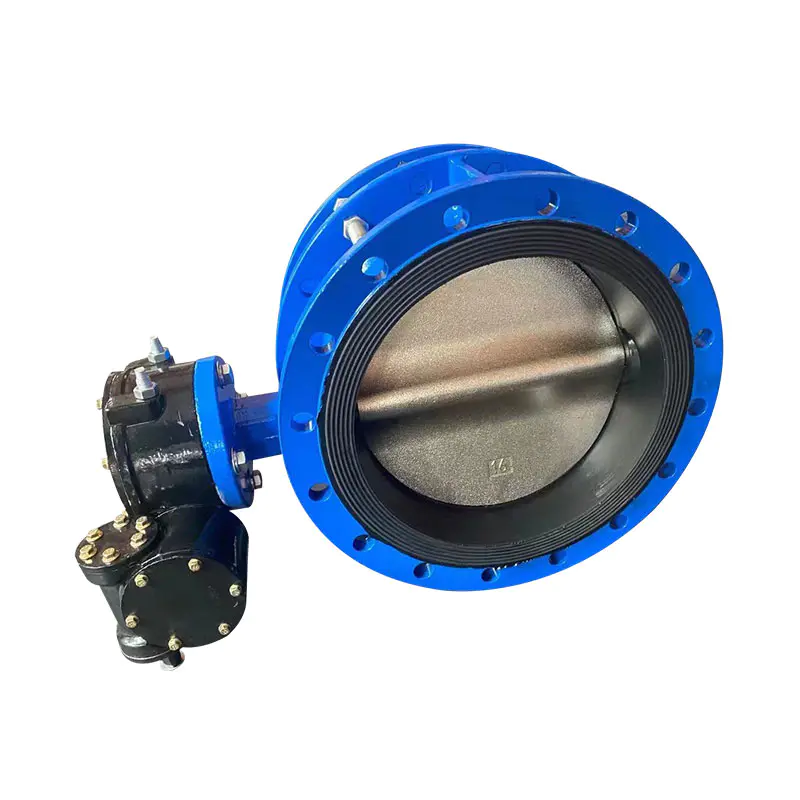
A maintenance engineer walking through a retrofit project, trying to fit a new valve into a pipe run that was never designed with much spare room to begin with, quickly learns that flow control is only half the battle. Stainless Butterfly valves earn their place in modern industrial applications by combining practical flow control, compact installation, material resistance, and easier equipment planning all at once. These qualities matter a lot to facilities that need reliable valve arrangements without piling extra complexity onto a system that's already crowded with pipes, pumps, and support structures.
Industrial buyers these days pay a lot more attention to how each individual component actually fits into the whole production environment, not just whether it works in isolation. A valve needs to suit the working medium, the available space, the maintenance routine, and the actual operating conditions it'll face day after day. Material choice matters here too, especially when equipment deals with moisture, regular cleaning cycles, or other demanding surroundings.
The growing interest in Stainless Butterfly products reflects this broader shift in how industrial purchasing decisions get made. Buyers aren't simply asking whether a valve can control flow anymore. They're asking how it'll actually fit the equipment and what practical, real-world requirements it needs to address once it's installed.
Stainless Butterfly valves get considered when industrial systems need a compact flow-control option built from a material suited to demanding environments. Their relatively streamlined arrangement makes them useful wherever installation space needs careful planning rather than generous guesswork.
Industrial facilities pack a lot of connected components into tight quarters. Pipes, pumps, storage equipment, control devices, and access areas all need to coexist within the same working space, often with little room to spare. A valve that integrates without eating up unnecessary room makes equipment planning a lot more manageable.
Stainless steel draws attention too because it offers resistance to corrosion in the right environments. That matters a lot wherever equipment encounters moisture or goes through regular cleaning routines, like a facility hosing down equipment at the end of a shift.
The actual suitability still comes down to the application, though. Different industrial processes expose valves to very different conditions. Buyers should really look at the complete valve construction rather than picking a product just because the word "stainless" appears in the description.
The surrounding components matter just as much. A valve needs suitable connections, proper support, and enough clearance for inspection and maintenance down the line.
This application-based way of thinking is becoming a lot more relevant as industrial equipment keeps getting more varied across different sectors.
Stainless Butterfly valves prove useful wherever limited installation space makes a compact valve arrangement genuinely desirable. Their design fits into piping layouts where a larger or more complicated arrangement would be a real squeeze.
Space becomes especially important during equipment upgrades. A new valve often needs to replace an existing component without major changes to nearby pipes or machinery — nobody wants to tear out half a pipe run just to swap in a new valve. In these cases, physical fit can weigh on the purchasing decision just as heavily as material choice does.
Compact installation also frees up more room around the equipment for maintenance access later on. That doesn't happen automatically, though. The valve's position, the surrounding structures, and the access path all still need real planning before installation, not after.
For new industrial projects, designers can factor the valve in while developing the complete piping arrangement from scratch. For replacement projects, buyers usually have to work within an existing layout that's already locked in place.
A simple site drawing or an installation photograph helps suppliers understand these conditions a lot faster than a written description alone.
The goal here isn't merely making the valve fit physically. It's creating an arrangement that stays practical to inspect, operate, and maintain for years afterward.
Stainless Butterfly valves get considered specifically for environments where resistance to moisture and corrosion is a genuine material requirement. Stainless steel offers useful resistance characteristics, but the correct material choice still depends heavily on the actual conditions on site.
Industrial environments vary a lot from one facility to the next. A valve installed in a dry manufacturing area faces very different conditions than one exposed to frequent cleaning or outdoor moisture. A process involving aggressive substances might call for additional material review before anything gets ordered.
This is exactly why buyers should describe the working environment clearly when talking with suppliers. Useful information includes the type of medium flowing through, the surrounding conditions, cleaning practices, and the installation location itself. The supplier can then actually assess whether a given valve construction makes sense for that specific setup.
Material selection should also cover more than just the main valve body. Other components can come into contact with the working environment too, so the complete product needs consideration, not just the headline material.
This prevents a common purchasing mistake — assuming a stainless steel valve automatically suits every industrial application just because it's stainless. The material can support the application well, but proper selection still comes down to the actual conditions the valve will operate under.
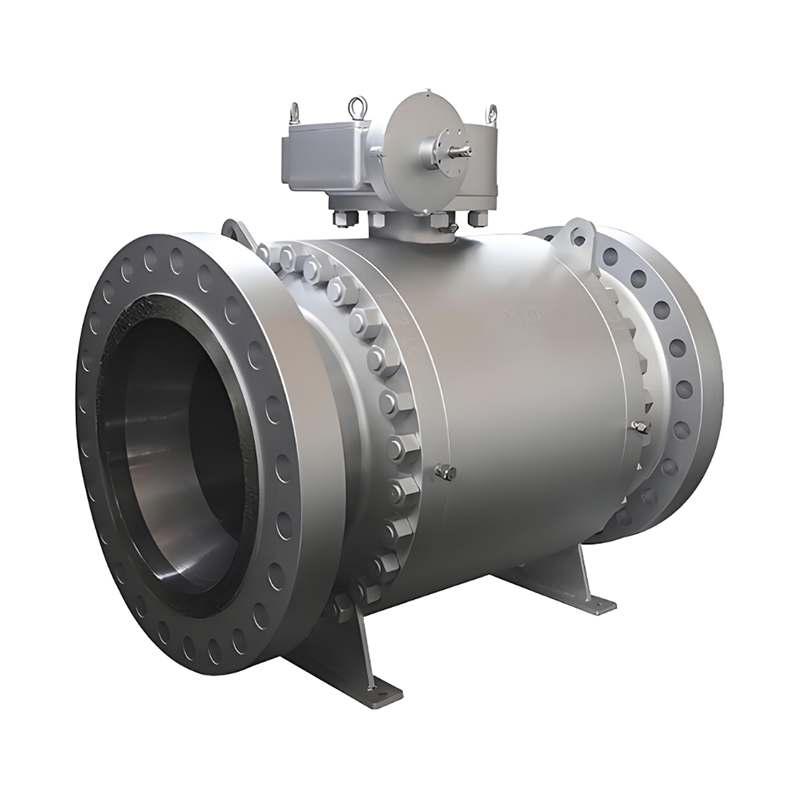
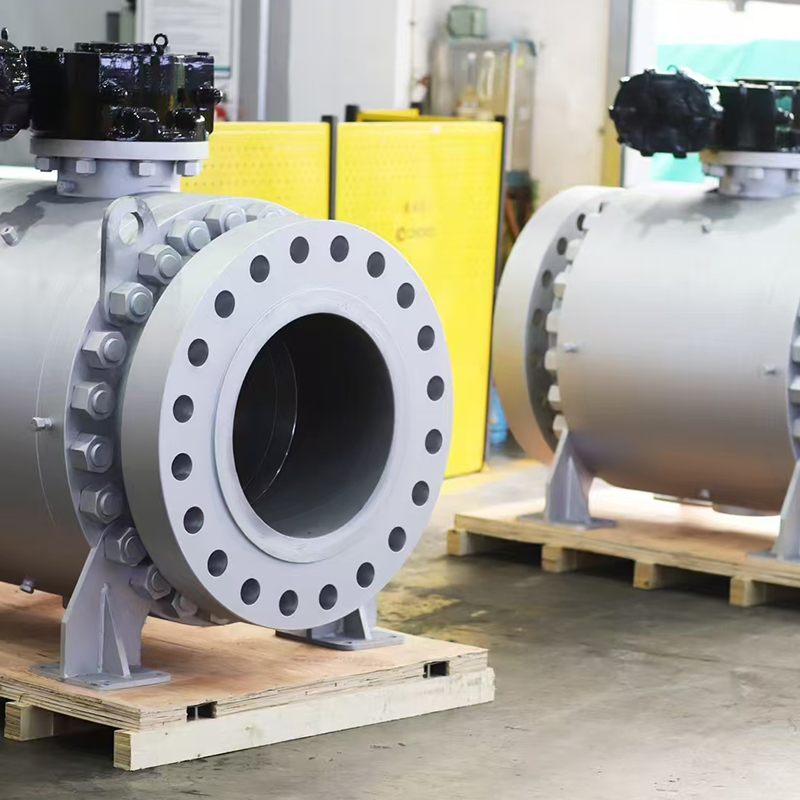
Stainless Butterfly valves and a High Pressure Ball Valve serve genuinely different industrial requirements, so the better choice really comes down to the application rather than which name sounds more robust. A butterfly arrangement tends to suit space-conscious systems well, while a high-pressure ball valve gets considered where the application leans heavily on pressure-related requirements instead.
These two valve types also differ quite a bit in physical arrangement. A butterfly valve provides a relatively compact solution within a piping system. A ball valve often gets picked for applications calling for a different flow-control arrangement altogether.
The surrounding equipment should really guide this decision more than either product's reputation.
| Consideration | Stainless Butterfly | High Pressure Ball Valve |
|---|---|---|
| Installation | Suits compact layouts well | Depends on the selected configuration |
| Material options | Stainless configurations available | Available across different material choices |
| Application focus | Space, flow isolation, environment | Pressure-related and flow-control needs |
| Maintenance | Access needs planning around the valve | Access depends on installation design |
| Selection basis | Complete system conditions | Complete system conditions |
This comparison works as a general guide rather than a fixed rule to follow blindly. A buyer should weigh the working medium, operating conditions, installation arrangement, maintenance process, and equipment requirements before settling on either option.
In some systems, the real question isn't even which valve performs better in the abstract. It's which valve fits the existing equipment with the fewest changes needed to make it work.
Durability matters because industrial valves need to keep functioning through repeated operation and routine environmental exposure, year after year. A Durable Ball Valve might suit one type of application well, while a Stainless Butterfly valve turns out more appropriate for another entirely.
Durability doesn't come down to material alone, either. The quality of construction, the installation method, the operating conditions, maintenance practices, and the surrounding environment all shape how a valve actually performs over time.
A stainless material offers useful resistance in the right environments. But incorrect installation can still create real problems regardless. Poor support, mismatched connections, or difficult access can all affect the valve no matter what it's made of.
Buyers should really view durability as a system-level issue rather than a single-product attribute. A valve installed correctly in a suitable environment tends to be a lot easier to maintain than one selected without any thought given to the surrounding conditions.
This mindset also helps when comparing different valve categories side by side. Rather than asking which product boasts the longest expected service life on paper, buyers can ask which design and material combination actually suits their particular application. That creates a much more realistic basis for the purchasing decision overall.
Stainless Butterfly valves support practical maintenance when their installation genuinely allows easy access to the operating and inspection areas. The valve itself is only part of the maintenance picture, though — everything around it matters too.
Maintenance teams need enough physical space to actually inspect equipment properly. They also often need to remove, adjust, or replace components during scheduled work, which takes real room to maneuver.
A poorly planned valve location makes all of this a lot harder. A compact valve doesn't automatically mean a convenient installation — it can still end up tucked somewhere awkward if nobody thought through access beforehand.
That's why maintenance access deserves review before the valve ever goes in, not after someone's already struggling to reach it.
Buyers can walk through several practical questions here:
These questions sound simple, but they prevent real practical headaches down the line.
Maintenance also depends heavily on the industrial environment itself. A valve exposed to moisture, dust, cleaning activity, or frequent operation needs different inspection attention than one sitting in a stable indoor setting that rarely sees much wear. The maintenance plan should stay tied to the actual application, not some generic schedule pulled from a manual.
Industrial buyers increasingly evaluate Stainless Butterfly valves based on application needs, rather than leaning on product names or generic specifications alone. That shift makes the whole purchasing process a lot more focused on genuine compatibility.
A useful selection process can actually start with the system itself, rather than flipping through a valve catalogue first.
This approach cuts down on confusion when several valve types all seem plausible at first glance. It also gives manufacturers a lot more useful information to work with when recommending a specific product.
Manufacturers can make Stainless Butterfly products genuinely more useful by focusing on application flexibility, clear product information, and practical installation needs. Industrial customers usually need a lot more than a basic product description to make a confident decision.
Clear information helps buyers understand exactly where a particular valve is meant to be used. It also makes comparison a lot easier once several configurations are on the table at once.
Manufacturers often need to support a range of industrial environments and installation arrangements. That can mean offering different material choices, connection options, operating methods, and related components tailored to the job.
Supplier communication matters just as much here. A buyer might know a Stainless Butterfly valve is what they need, without necessarily knowing which specific configuration fits their existing system. A manufacturer who actually asks about the application can offer a lot more useful guidance than one who just hands over a product catalogue and calls it a day.
This is especially relevant for replacement projects. Existing equipment often has limited space or established connection arrangements already locked in place, and the replacement valve needs to work within those constraints rather than forcing changes elsewhere.
Manufacturers can also support buyers through clear installation guidance and maintenance information upfront. This helps customers understand exactly how the product fits into the wider system before it ever gets bolted in.
Stainless Butterfly valves get considered across industrial applications wherever compact flow control and suitable material resistance genuinely matter. The exact application should determine whether the valve actually makes sense, not the other way around.
Potential areas include water-related equipment, manufacturing systems, building services, food-related facilities, and select processing environments.
Each of these applications carries different requirements. A food-related facility tends to pay close attention to cleaning routines and surface conditions. An outdoor installation focuses more on environmental exposure over years of weather. A manufacturing line often places more weight on equipment layout and maintenance access than anything else.
This means the same general valve category can face very different selection criteria from one facility to the next. A buyer should avoid picking a valve simply because it's common within a particular industry — the actual operating environment should remain the real basis for the decision.
The growing role of Stainless Butterfly valves in modern industrial applications ties directly back to practical equipment planning. Buyers are weighing material, installation space, maintenance access, and system compatibility together as one connected decision, rather than treating each factor in isolation.
That broader approach also explains why Stainless Butterfly products so often get evaluated right alongside alternatives like a High Pressure Ball Valve or a Durable Ball Valve. Each valve category addresses different requirements, and the right choice ultimately depends on how that component actually needs to function within the complete industrial system it's joining.