русский
 عربى
عربى


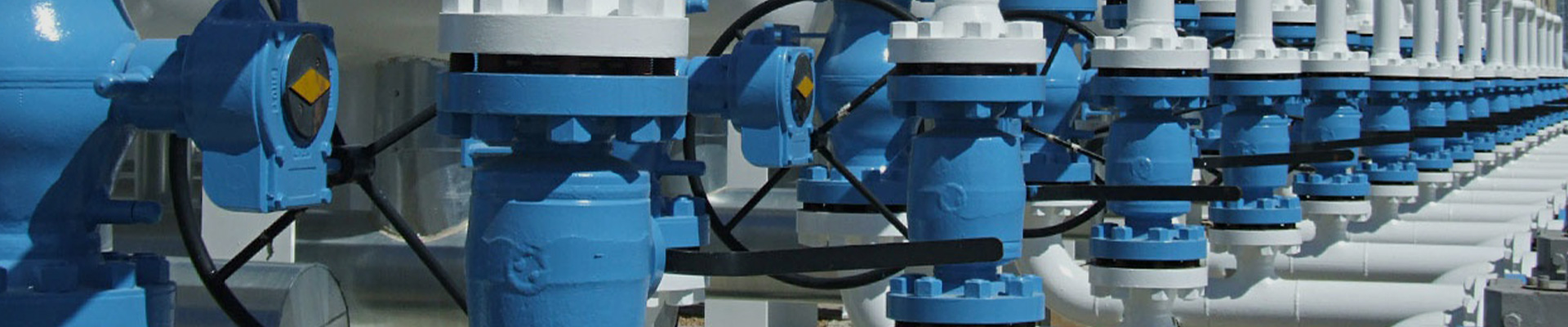
A maintenance technician pulling apart a valve that's been leaking for weeks, only to find the seal has quietly degraded from a cleaning agent nobody flagged during installation, knows exactly why fluid compatibility deserves attention before a valve goes into service. A valve may look simple from the outside, but its working environment can change what kind of design is appropriate. A valve used with clean water doesn't necessarily face the same conditions as one exposed to cleaning fluids, chemical solutions, oils, or other industrial liquids running through a plant.
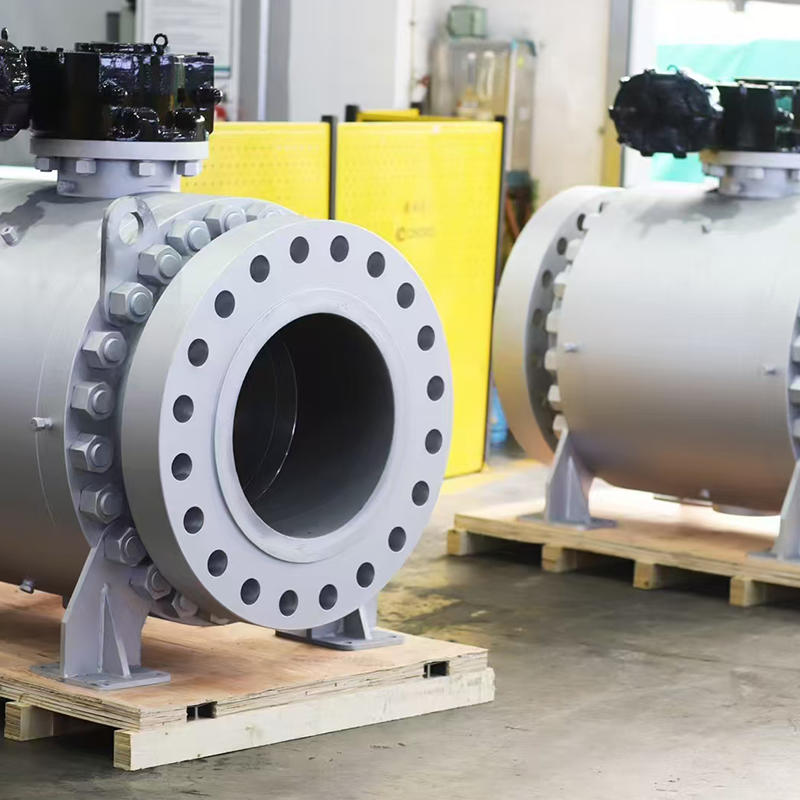
This is where fluid compatibility becomes genuinely important.
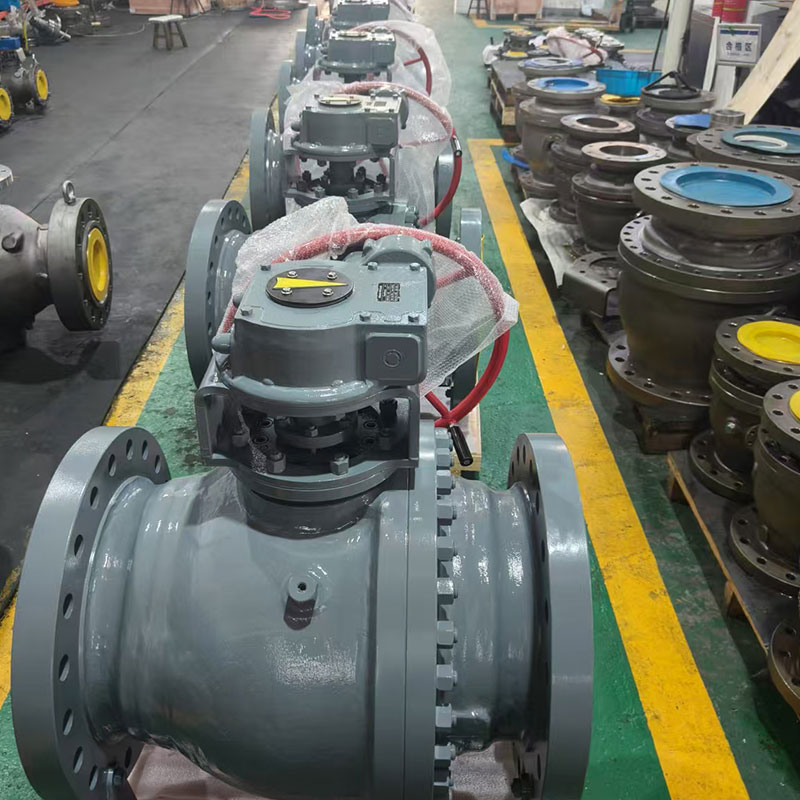
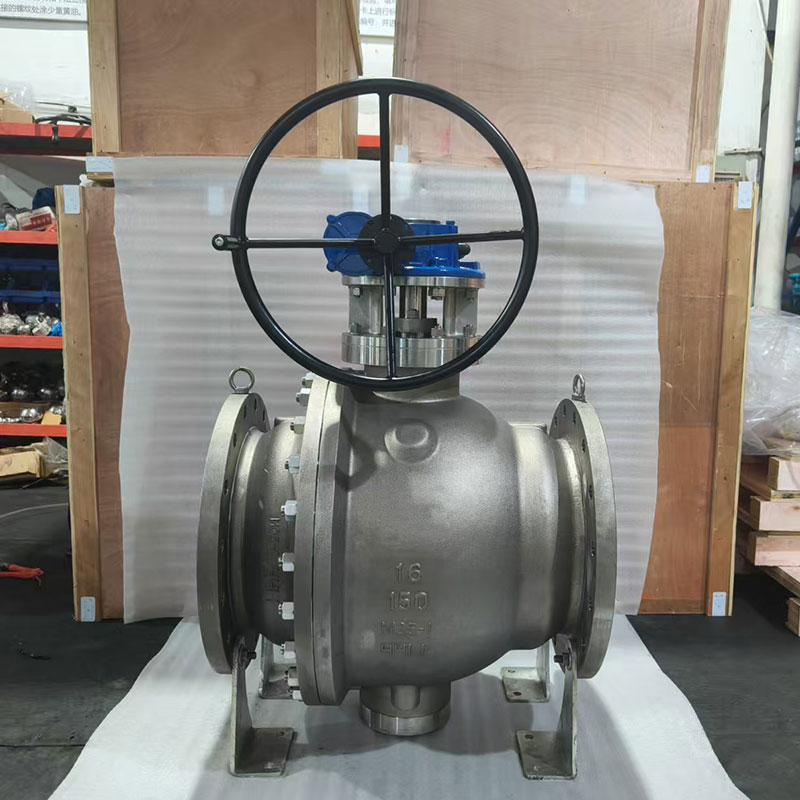
A Corrosion Resistant Ball Valve is designed with attention to the materials that come into contact with the fluid passing through it. The body, internal ball, seals, and other connected parts all need to suit the application at hand. If the materials are poorly matched with the fluid, surface deterioration, leakage, or maintenance problems may develop over time, sometimes well after installation.
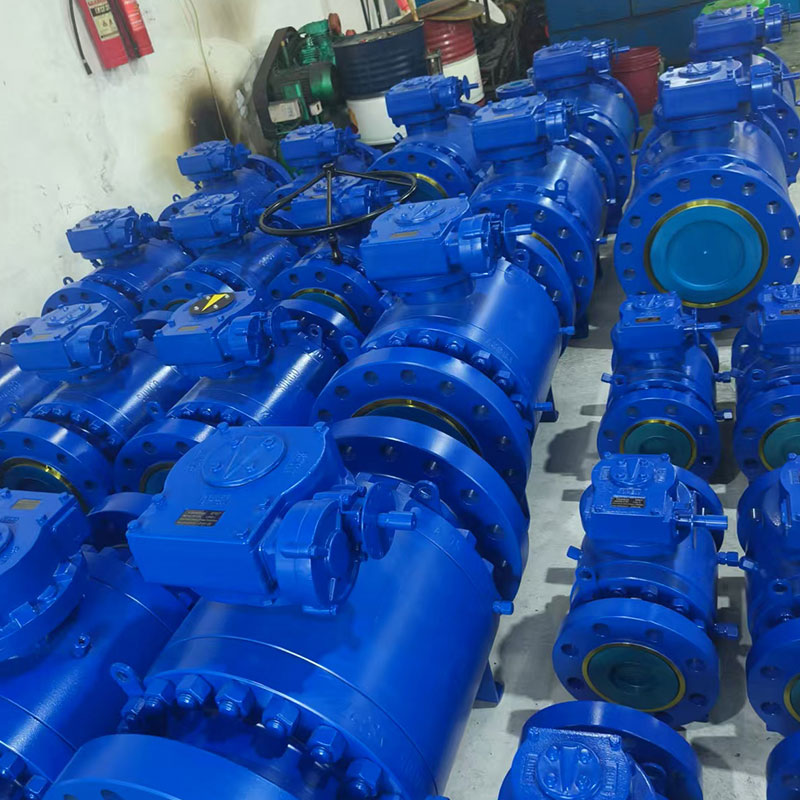
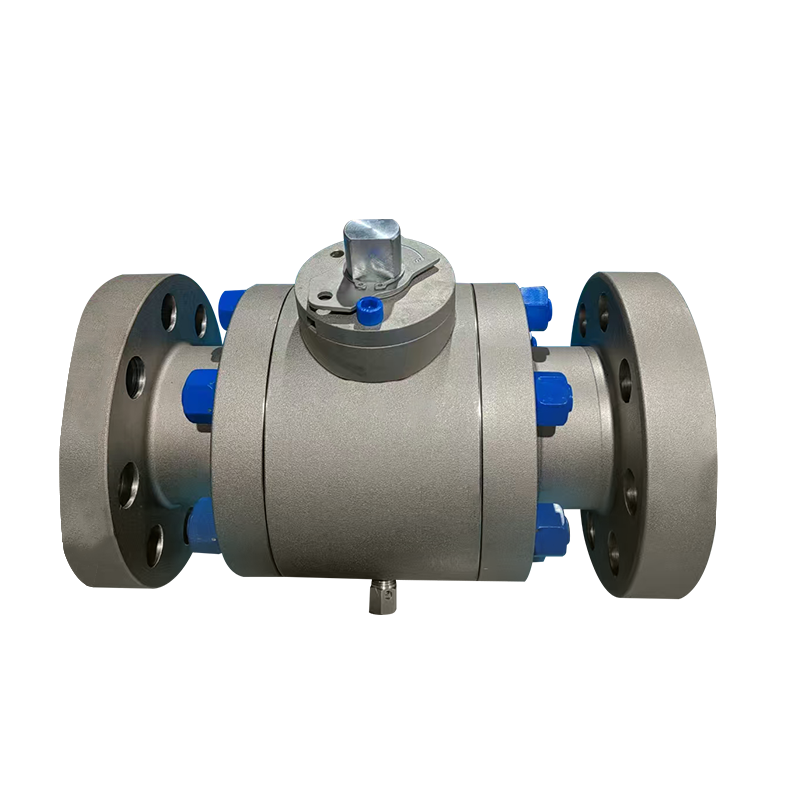
The choice becomes even more important when a valve operates under demanding conditions. A High Pressure Ball Valve may need to handle both pressure and fluid exposure at once, while a Durable Ball Valve may be selected for repeated use in a production environment running around the clock.
For manufacturers and buyers, understanding the relationship between fluid and valve materials can make valve selection a lot more practical. It also helps explain why one ball valve design may be suitable for one industrial system but less appropriate for another sitting just down the hall.
Every industrial fluid has its own characteristics, even ones that look similar sitting in a tank.
Some liquids are relatively mild. Others may contain substances that gradually react with certain materials over weeks or months. Cleaning solutions can create another set of conditions entirely. Even water can behave differently depending on what's dissolved in it.
When a valve gets exposed to a fluid for a long period, the materials inside the valve become part of the overall performance equation, whether anyone's watching closely or not.
Important areas include:
A suitable Corrosion Resistant Ball Valve needs these parts to work together as a system, not as isolated pieces.
Material compatibility isn't only about preventing visible rust on the surface. Deterioration can also affect the fit between parts, the condition of sealing surfaces, and the way the valve opens and closes over repeated cycles.
This makes fluid compatibility an important part of the design process, rather than something checked off after the fact.
The same valve material may behave quite differently depending on what actually passes through the valve day to day.
Industrial fluids can include water, oils, cleaning liquids, chemical solutions, process liquids, and mixtures containing suspended substances that shift over time.
A basic comparison can help illustrate the issue:
| Fluid Environment | Design Consideration |
|---|---|
| General water service | Moisture resistance and sealing |
| Cleaning fluids | Material compatibility with cleaning conditions |
| Chemical liquids | Resistance to the specific fluid |
| Oil-based liquids | Compatibility with body and seals |
| Process liquids | Fluid composition and operating conditions |
| Mixed liquids | Interaction between several fluid properties |
This doesn't mean every fluid requires a completely different valve from scratch.
Instead, manufacturers need to understand what materials are exposed to the fluid and whether those materials are genuinely appropriate for that exposure. For example, a seal may behave quite differently from the metal valve body when exposed to a particular liquid. The body may remain in good condition while the seal gradually becomes less suitable, quietly, without any obvious warning sign.
That's why fluid compatibility needs consideration as a complete valve system, not component by component in isolation.
The valve body provides the main structural housing for the internal components sitting inside it.
Because it forms part of the fluid pathway, its material selection can influence how the valve behaves in its actual working environment over the long run.
A Corrosion Resistant Ball Valve may use a material selected for resistance to the conditions created by the intended fluid. Stainless steel is one material often considered in industrial valve construction, although the appropriate material really depends on the application in question.
Material selection can involve several questions:
The answers help determine whether a particular body material actually suits the job.
A general claim that a material is "corrosion resistant" isn't enough by itself, on its own. Corrosion resistance depends entirely on the environment it's placed in. For manufacturers, this means product development should begin with the intended application, rather than relying on a single material choice for every situation that walks through the door.
Seals are small components, but they carry a genuinely important job within the valve.
They help keep the fluid inside the intended flow path while allowing the valve to open and close on demand. Because seals may directly contact the fluid, their compatibility needs consideration alongside the valve body, not as an afterthought.
A valve can have a strong metal body and still experience problems if the sealing material doesn't suit the fluid running through it.
Potential concerns include:
For this reason, a Durable Ball Valve isn't defined only by the material used for its body. The internal components matter just as much.
Manufacturers may select different sealing materials for different applications, since the choice depends on the fluid, operating environment, cleaning process, and expected use pattern. Buyers should provide accurate fluid information when requesting a valve. A supplier genuinely can't evaluate compatibility properly without knowing what the valve will actually encounter once installed.
Fluid compatibility can shift when operating conditions change throughout a process cycle.
A material that performs appropriately under one set of conditions may behave quite differently when exposed to heat or cold. This applies to both metal components and seals alike.
Temperature can influence:
A Corrosion Resistant Ball Valve should therefore be selected according to the complete operating environment, not just the fluid alone at a single point in time.
For example, a valve used with a cleaning liquid may experience genuinely different conditions during normal production versus cleaning cycles. The design needs to account for both situations when the cleaning process exposes the valve to a different fluid or temperature than everyday operation.
This is one reason application information should include more than just the name of the liquid on a spec sheet. Manufacturers may need to understand how the valve will be used, cleaned, stored, and maintained across its whole service life. The more complete the information, the easier it becomes to match the valve materials with the actual environment it'll live in.
Yes. Pressure and corrosion are separate considerations on paper, but they often show up together in the same real-world application.
A High Pressure Ball Valve may need to handle demanding pressure conditions while also remaining compatible with the fluid passing through it every day.
This creates several design questions worth working through. The valve body needs to suit the pressure conditions. At the same time, the materials that contact the fluid need to remain suitable for the chemical environment surrounding them. The seals also need to maintain their intended function under both pressures at once.
| Requirement | Design Focus |
|---|---|
| Pressure handling | Structural suitability |
| Fluid exposure | Material compatibility |
| Repeated operation | Component durability |
| Leakage control | Seal selection |
| Maintenance | Accessible and practical construction |
A valve therefore shouldn't be selected based only on its pressure classification stamped on the housing.
The fluid must also get considered carefully. A valve may have a suitable structural design but still be inappropriate if the wetted materials don't match the fluid running through it. This matters particularly in industrial systems where both pressure and chemical exposure are part of normal daily operation, not occasional edge cases.
Different industries create genuinely different fluid-handling environments, each with their own quirks.
Water systems can involve clean water, wastewater, treated water, and liquids containing other substances mixed in. The valve material needs to suit the actual water conditions present, not water in the abstract. A Corrosion Resistant Ball Valve may get considered where moisture exposure and long-term use influence material selection over years of service.
Chemical systems require careful compatibility checks, since different liquids can interact with valve materials in genuinely different ways from one process line to the next. The body and seals need evaluation according to the specific fluid, not a general chemical category.
Food-related systems often involve frequent cleaning cycles between production runs. The valve may therefore encounter both the production liquid and cleaning substances in alternating fashion throughout a shift. Cleanability and material suitability can become genuinely important design considerations here.
Oil-based liquids can interact quite differently with sealing materials compared to water-based fluids. The valve needs selection according to the actual liquid in use, rather than a broad general category assumed to apply everywhere.
Factories may use a mixture of water, process fluids, cleaning liquids, and utility systems all running simultaneously. Different parts of the same facility may therefore require different valve designs side by side. The application determines the appropriate combination of materials and structure, not a blanket standard applied plant-wide.
The term Durable Ball Valve can refer to a valve designed for repeated service and suitable long-term use on a busy line. However, durability doesn't come from one material alone sitting in the body.
A valve can experience wear through:
If the fluid isn't compatible with the internal materials, even a mechanically robust valve can experience problems down the line. This means durability should get viewed as a combination of material selection, construction, application matching, and maintenance together, not any single factor alone.
For example, a seal well suited to the fluid may maintain its intended function longer than one selected without considering fluid compatibility upfront. Likewise, a valve body designed for the environment may require less attention than one exposed to conditions it was never intended to handle in the first place.
Manufacturers therefore need to consider the complete service environment when developing durable valve products meant to last.
Buyers can make the selection process a lot easier by providing clear information to the valve supplier upfront, rather than after problems show up.
The following questions can help guide that conversation.
What fluid will the valve handle? The exact fluid name and composition can matter quite a bit here, not just a general category.
Will the fluid change? Some systems handle different liquids during production and cleaning, and both need consideration.
How often will the valve operate? Frequent operation may influence component selection differently than occasional use.
Is the valve exposed to outdoor conditions? Humidity, moisture, and surrounding conditions can affect material choices significantly.
Is pressure also a concern? If so, a valve such as a High Pressure Ball Valve may need evaluation based on both pressure and fluid compatibility together.
How will the valve be cleaned? Cleaning conditions can be just as important as normal production conditions, sometimes more demanding.
Which parts contact the fluid? The body, ball, seals, and other internal components should all get considered, not just the obvious ones.
Providing this information gives manufacturers a clearer basis for recommending a suitable configuration. It can also reduce the chance of selecting a valve based on an incomplete description of the application that leaves out something important.
Manufacturers can improve product development by treating fluid compatibility as part of the design process from the very beginning, not tacked on later.
Rather than selecting the valve body first and considering the fluid afterward, designers can review the entire application as one connected picture.
A practical design process can consider:
| Design Stage | Key Question |
|---|---|
| Application review | What fluid will the valve handle? |
| Material selection | Are exposed materials suitable? |
| Seal selection | Can the sealing parts work with the fluid? |
| Structural design | Does the valve fit the operating conditions? |
| Assembly | Are components correctly matched? |
| Inspection | Can important areas be checked easily? |
| Maintenance | Can the valve be serviced appropriately? |
This approach can also help manufacturers develop product variations suited to different industries they serve. A valve intended for general water service doesn't necessarily need the same material combination as one intended for a chemical process running nearby.
Customization can therefore involve more than external dimensions alone. It may also involve material choices, seals, connection arrangements, and operating methods tailored to the specific job.
Even a properly selected valve still needs suitable maintenance to keep performing as expected.
Regular inspection can help identify changes before they turn into larger problems down the road.
Useful checks may include:
Maintenance should follow the requirements of the specific valve and application it's serving, rather than a generic schedule applied everywhere.
Users should also pay attention to changes in the fluid being handled over time. A process change can introduce a new chemical environment, even if the valve itself hasn't changed at all. For a Corrosion Resistant Ball Valve, this matters particularly. Resistance to one environment doesn't mean unlimited resistance to every fluid that might eventually pass through it.
The same principle applies to a Durable Ball Valve. Long service depends on selecting a suitable valve, using it within its intended application, and maintaining it appropriately throughout its working life.
Fluid compatibility influences nearly every part of Corrosion Resistant Ball Valve design. The valve body must suit the environment it's placed in, seals need to remain compatible with the fluid running past them, and internal components must work together under actual operating conditions on the floor. When pressure is also a concern, a High Pressure Ball Valve needs to address both structural requirements and fluid exposure at once. A Durable Ball Valve likewise depends on more than material strength alone. Matching the valve to the fluid, operating conditions, cleaning process, and maintenance routine gives manufacturers and buyers a genuinely more practical basis for valve selection.