русский
 عربى
عربى


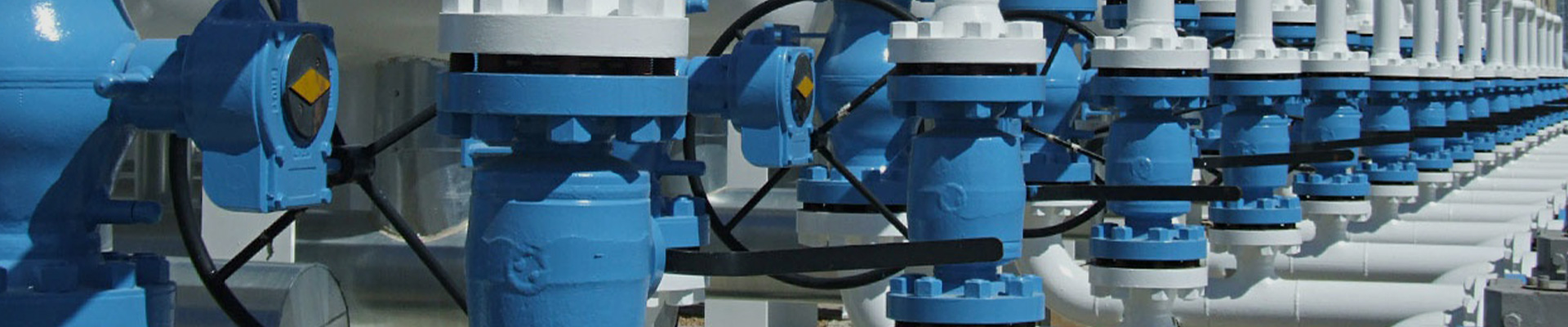
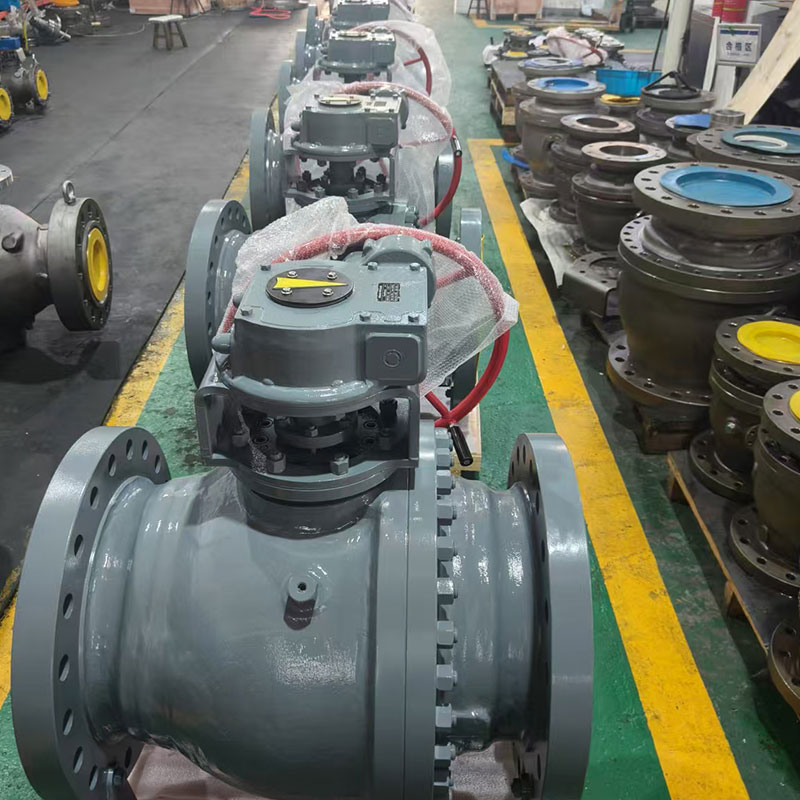
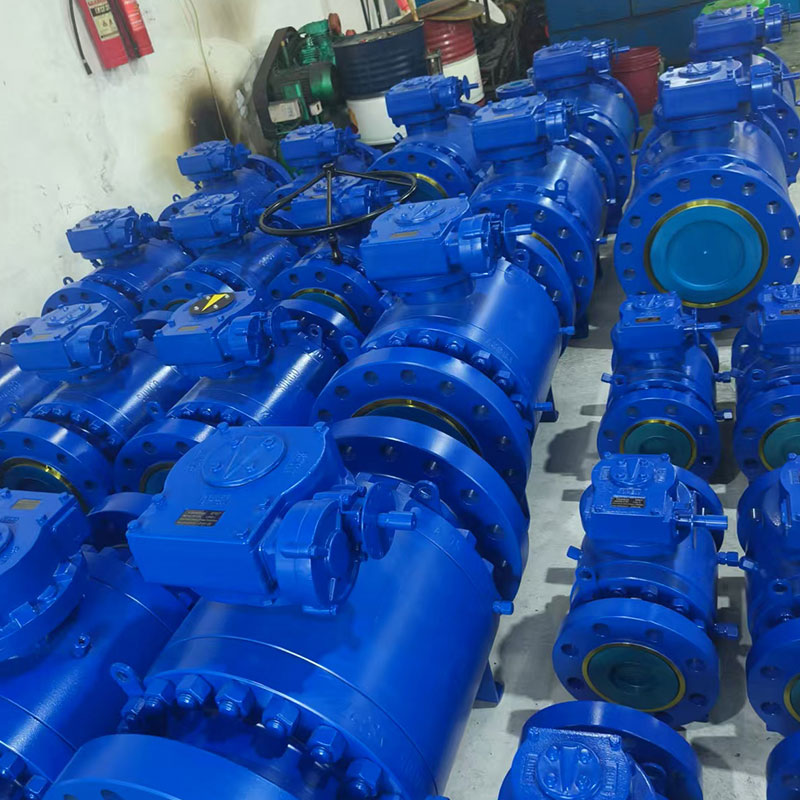
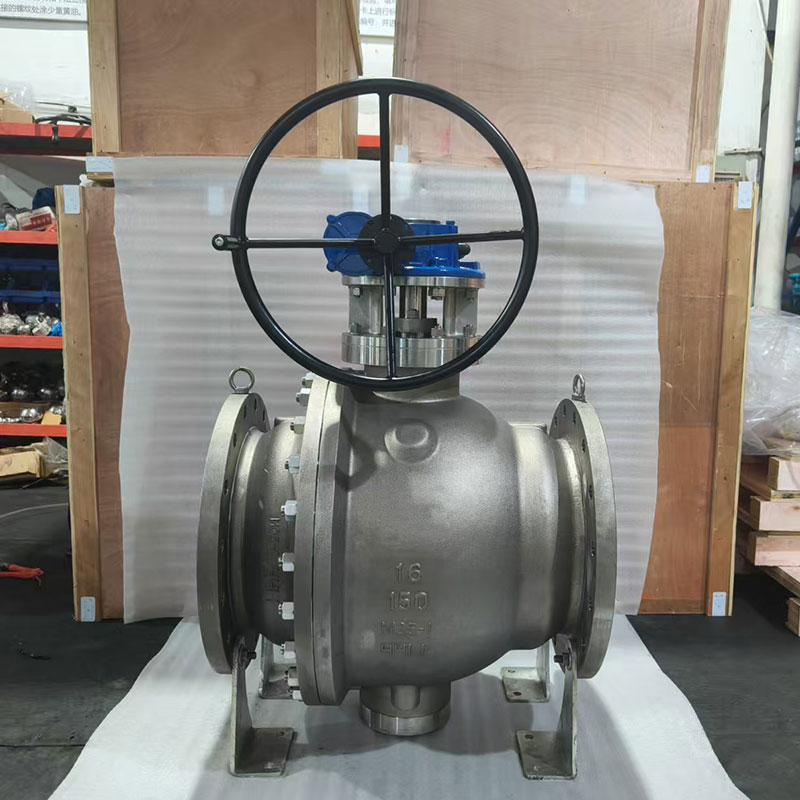
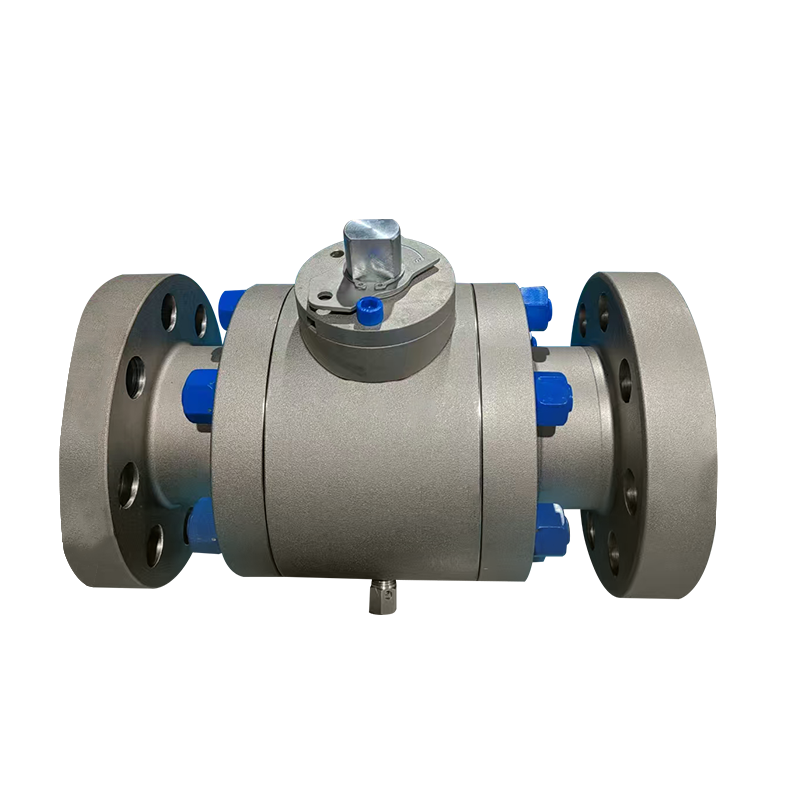
A valve that starts leaking after months of exposure to aggressive fluids can turn into an expensive headache fast, especially when the plant has to shut down a line just to swap it out. A component that works fine under normal conditions may start struggling once moisture, chemicals, or shifting surroundings begin working on its structure. Plenty of buyers end up dealing with maintenance issues they didn't see coming, simply because the valve they picked didn't quite match the environment it had to operate in day after day. A Corrosion Resistant Ball Valve is built to handle these situations by helping maintain steady flow control in conditions where ordinary valves tend to wear out faster than expected.
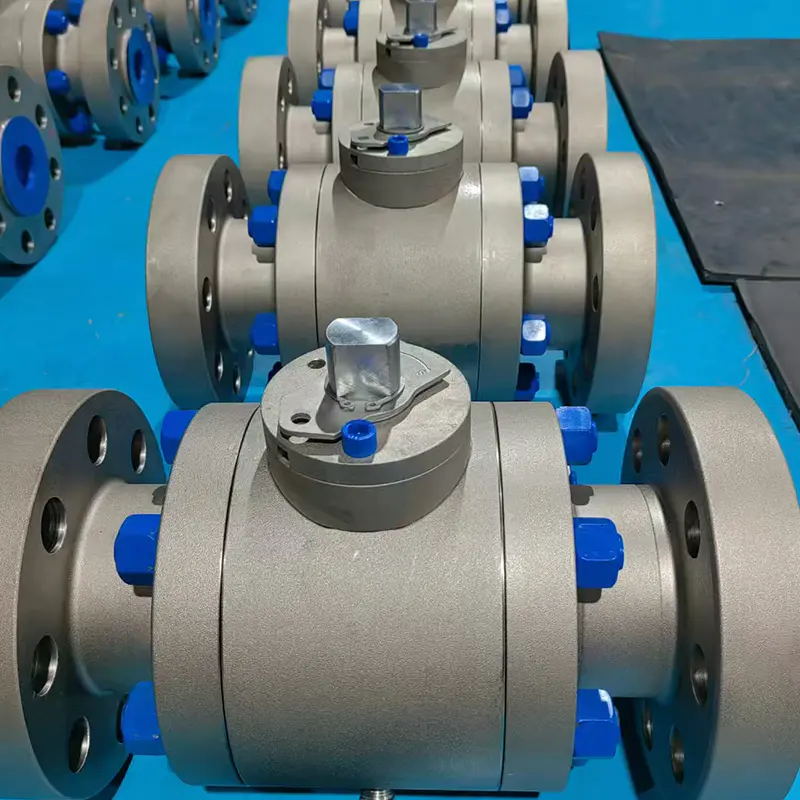
Harsh environments put constant pressure on industrial equipment. Exposure to corrosive substances, outdoor weather swings, and demanding operating spaces can gradually chip away at valve performance over months or years. Picking a valve that holds up better against these influences helps cut down on interruptions and keeps operations running more steadily. Getting a handle on how corrosion resistance actually works makes it easier to pick a valve suited to a particular application, rather than guessing and hoping it holds up.
Corrosion is just a natural reaction that happens when materials interact with whatever surrounds them. In industrial settings, this process tends to show up faster because valves often sit in direct contact with fluids or environments that speed up material breakdown.
A standard valve can run into several issues once corrosion sets in:
The problem rarely announces itself right away. Small changes on the surface build up slowly into bigger concerns down the line. A valve might keep running for a stretch while internal parts quietly deteriorate underneath. That's part of what makes corrosion tricky to manage — the damage usually becomes obvious only once performance has already slipped.
A ball valve depends on smooth movement and a tight seal to control fluid flow properly. Once corrosion starts interfering with either of those, the valve stops responding the way it should. This is exactly why material resistance matters so much in environments where corrosion is a known risk from the start.
A Corrosion Resistant Ball Valve handles tough environments by combining materials and construction methods that help cut down the impact of corrosive exposure. Instead of letting surrounding conditions chip away at the valve surface right away, the design focuses on holding up through repeated contact with difficult surroundings, trip after trip through the fluid cycle.
The protection comes from several areas working together:
| Protection Area | How It Helps |
|---|---|
| Material selection | Helps the valve stand up to corrosive surroundings |
| Surface protection | Cuts the chance of damage from external exposure |
| Sealing design | Keeps flow control steady during operation |
| Structural strength | Supports longer service under demanding conditions |
Each part of the valve carries its own share of the workload. The body has to handle whatever's happening outside it. Internal components need to keep moving smoothly without binding up. Sealing areas need to keep doing their job even as conditions turn less favorable around them.
A corrosion resistant design doesn't mean the valve becomes untouched by every environment out there. It just means the valve was put together with more thought given to situations where corrosion tends to show up regularly.
Material choice shapes how a valve performs once it's actually sitting in difficult surroundings, not just on a spec sheet. Different environments throw different challenges at equipment, so the material picked needs to match the actual conditions the valve will face.
Some materials naturally hold up better against corrosion because they're less likely to react with whatever's around them. Others need extra surface treatment to build up that same kind of resistance.
Buyers picking out a valve often weigh a handful of factors:
A mismatch between material and application tends to cause trouble down the road. A valve that works fine in one plant might behave very differently once it's installed somewhere with a different set of conditions. That's why understanding the actual working environment before buying anything is such an important step, not just an afterthought.
Material selection isn't only about keeping rust off the surface for appearance's sake. It also shapes how well the valve keeps performing after months and years of repeated use.
Plenty of industries run equipment in environments where moisture, chemicals, or demanding surroundings are just part of the daily routine. In these settings, corrosion resistance turns into a practical requirement rather than a nice-to-have feature.
Common application areas include:
| Industry Area | Environmental Challenge |
|---|---|
| Chemical processing | Direct contact with aggressive substances |
| Water treatment | Constant moisture exposure day after day |
| Marine applications | Salt spray and humid air |
| Industrial manufacturing | A mix of fluids, heat, and outside exposure |
| Energy-related systems | Demanding operating environments overall |
These industries lean on valves to control the movement of all kinds of fluids through their systems. A valve failure can throw off production schedules, disrupt maintenance plans, and cause ripple effects across the whole operation.
Using equipment actually built for the surrounding conditions helps create a steadier working environment overall. It also lets maintenance teams focus their time on planned inspections instead of scrambling to fix unexpected repairs caused by corrosion nobody saw coming.
Maintenance sits near the top of the list when picking out industrial equipment. Frequent repairs pile onto workload and create interruptions nobody wants to deal with mid-shift. A valve that handles corrosion better tends to ease some of these headaches over time.
Corrosion Resistant Ball Valves support easier maintenance because their materials and design are meant to handle exposure over the long haul. When corrosion develops more slowly, components stay functional longer before anyone needs to step in and address them.
Regular care still matters here, though. Even a corrosion resistant valve benefits from proper inspection and cleaning on a routine basis. Maintenance teams should keep checking for wear signs, changes in how the valve moves, or anything that feels a little off during normal operation.
A simple maintenance routine tends to include:
The goal isn't wiping out maintenance entirely. It's making that maintenance feel more predictable and manageable across the board.
Reliability ties closely to how well equipment handles real working conditions, not just how it performs on paper. A valve that keeps performing consistently helps the whole system run smoother and cuts down the risk of unexpected interruptions during a shift.
In harsh environments, reliability comes down to several things working together at once. The valve has to respond properly every time it's opened or closed. The sealing areas have to keep doing their job without slipping. The material has to stay stable despite repeated exposure to whatever's moving through it.
A Corrosion Resistant Ball Valve supports reliability by tackling one of the common root causes behind valve problems in the first place: material breakdown caused by corrosion.
For buyers, this means looking past just the initial installation day. A valve is one piece of a much larger system, and how it performs affects everything connected to it downstream. Picking a valve that actually fits the environment helps create a better balance between operation, maintenance, and long-term use across the whole setup.
Picking the right valve takes more than just checking a box that says "corrosion resistant" on a spec sheet. The actual application environment should really be guiding that decision from the start.
A handful of questions help during the selection process:
| Consideration | Why It Matters |
|---|---|
| Operating environment | Shapes what kind of protection is actually needed |
| Fluid characteristics | Helps narrow down suitable material choices |
| Installation location | Affects how much outside exposure the valve deals with |
| Maintenance requirements | Shapes long-term management and upkeep needs |
| Usage frequency | Helps match valve design to daily operation patterns |
A valve installed outdoors faces a different set of challenges compared with one tucked inside a controlled indoor environment. A system handling aggressive fluids calls for different considerations than one moving cleaner, less reactive materials.
Taking the time to walk through these factors helps avoid picking a valve based purely on appearance or a vague product description. The right choice comes from actually matching the valve to the conditions it'll face every single day on the job.
Even a well-built valve still needs correct installation to perform the way it's supposed to. Installation shapes how the valve connects with the rest of the system and how well it can handle its working environment once everything's up and running.
Poor installation creates unnecessary stress on the whole setup. Incorrect connections, an unsuitable placement, or exposure to conditions nobody planned for can chip away at a valve's ability to perform as intended.
A careful installation process usually covers:
The environment doesn't stop working on a valve just because installation is finished. Moisture, chemicals, and other surrounding factors keep interacting with the equipment throughout its entire service life. A thoughtful installation approach helps the valve hold onto its intended function while facing these ongoing challenges month after month.
A Corrosion Resistant Ball Valve isn't simply a swap-in replacement for a standard valve off the shelf. It represents a choice built around understanding environmental demands and the problems corrosion actually causes over time. When buyers weigh materials, application conditions, maintenance needs, and installation quality together, rather than treating each as a separate checkbox, they end up making decisions that genuinely support long-term system performance in environments that don't cut anyone any slack.