русский
 عربى
عربى


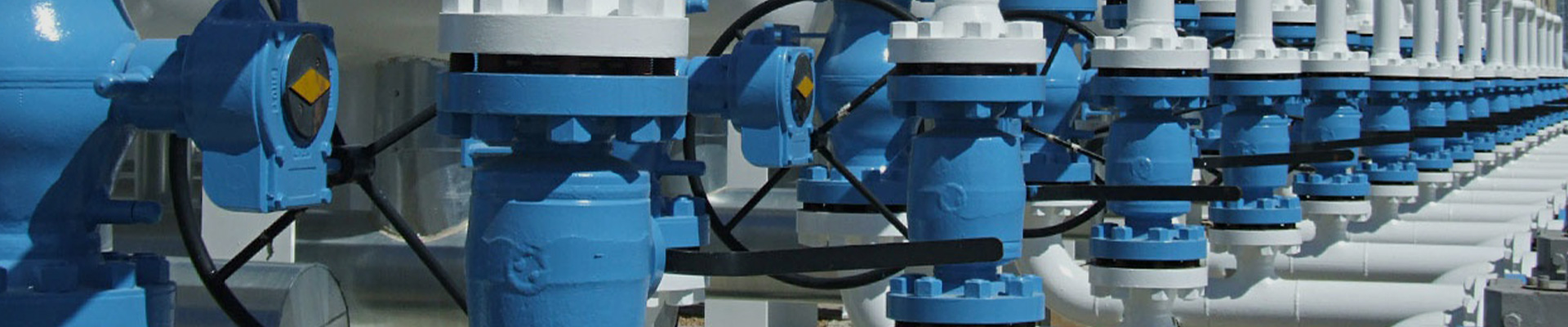
Ball valve selection sounds straightforward at first—just pick a valve and install it. But anyone who has worked around piping systems knows it rarely stays that simple. Pressure conditions shift the whole picture. A valve that works smoothly in one setup might struggle in another where the load is different. That's usually where the comparison between a high pressure ball valve and a low pressure ball valve quietly begins. Not in theory, but in real projects—where someone is trying to match equipment with an actual system that needs to run safely day after day. And interestingly, most decisions don't start with specifications. They start with questions like: "Will this hold up?"or "Is this overkill for the job?"That hesitation already tells you Ball Valve Selection is part engineering, part practical judgment.
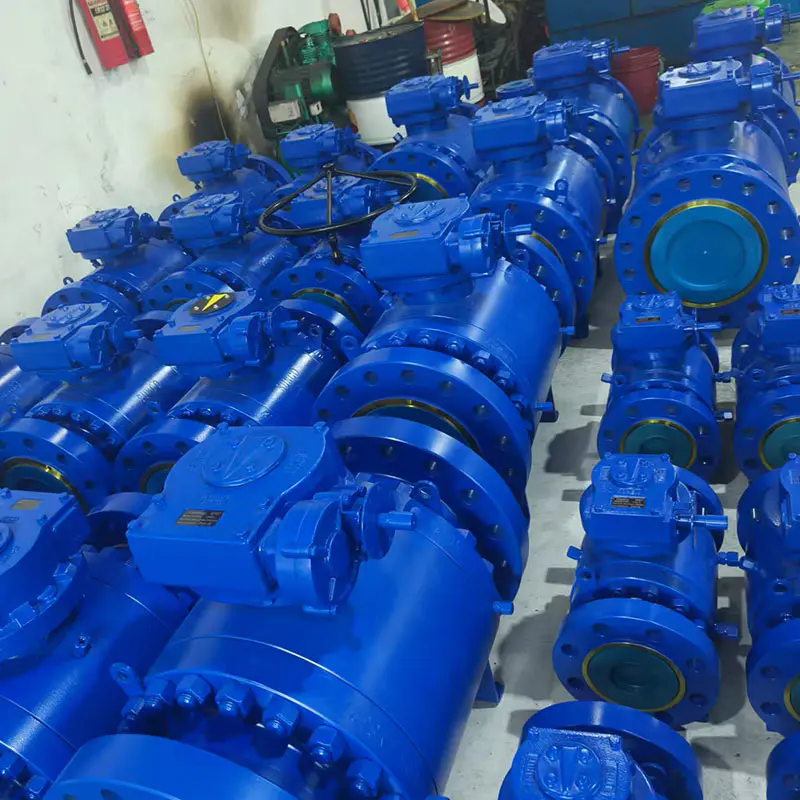
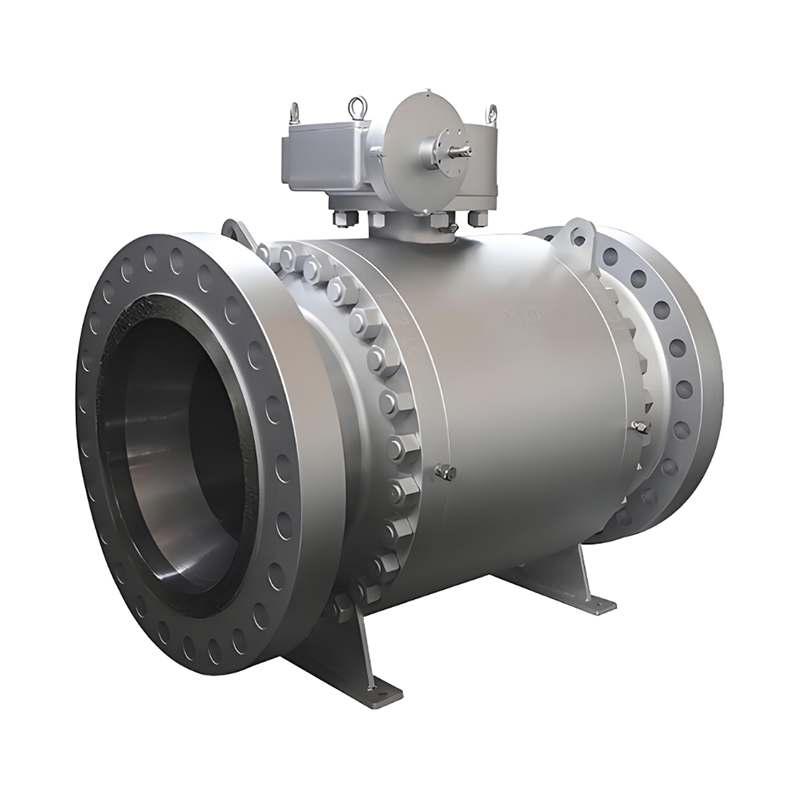
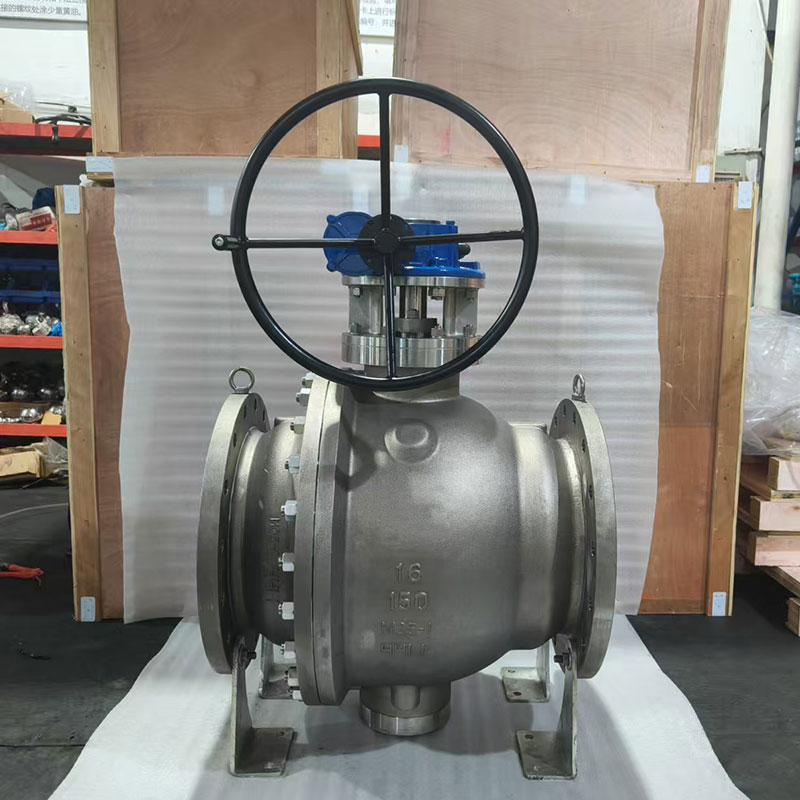
At the center of it all, a ball valve is almost disarmingly simple. A rotating ball inside the body either lets fluid pass or blocks it completely. Turn it, flow changes. Turn it back, flow stops. This Ball Valve Working Principle hasn't changed much over time, and maybe that's why it's so widely used. It's predictable. It behaves the way operators expect it to behave. But here's where things start to shift a little—once pressure enters the picture. The Ball Valve Function stays the same, yet the internal stress acting on the structure changes everything about how the valve is built and selected. It's a bit like using the same basic tool in two very different environments. The idea is identical, but the demands are not.
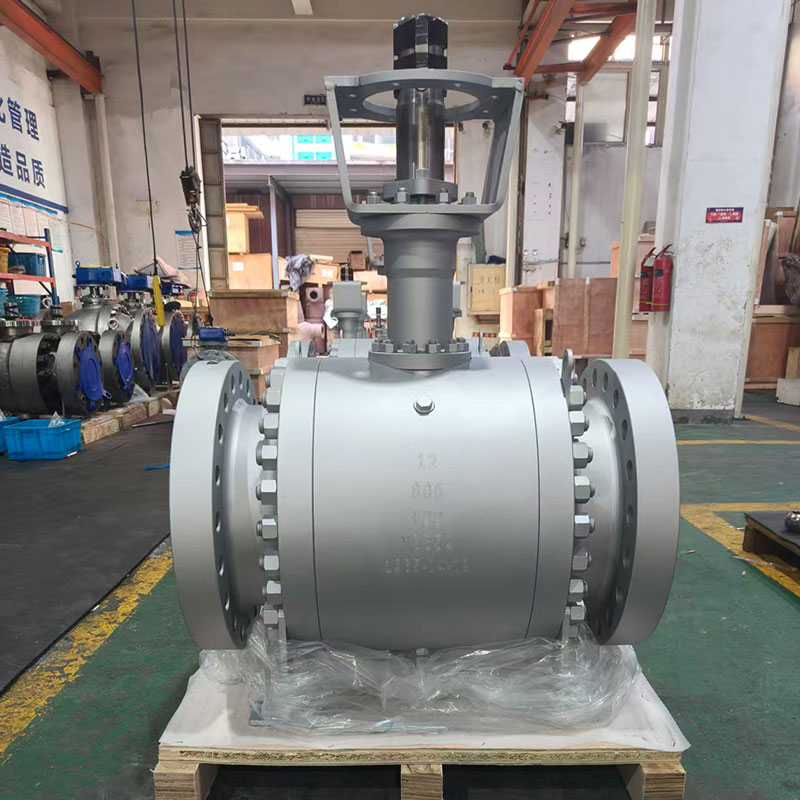
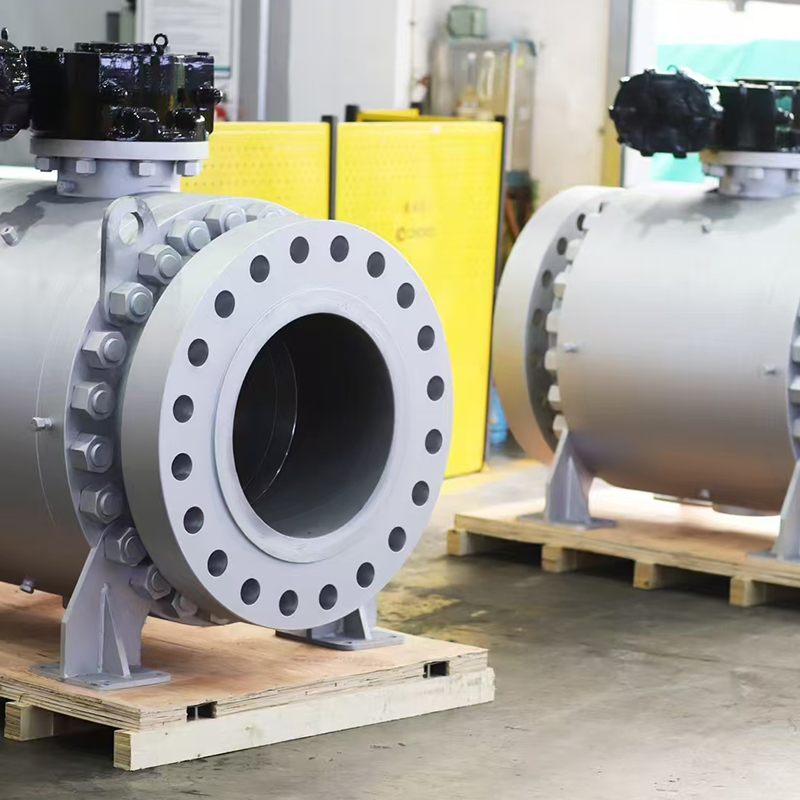
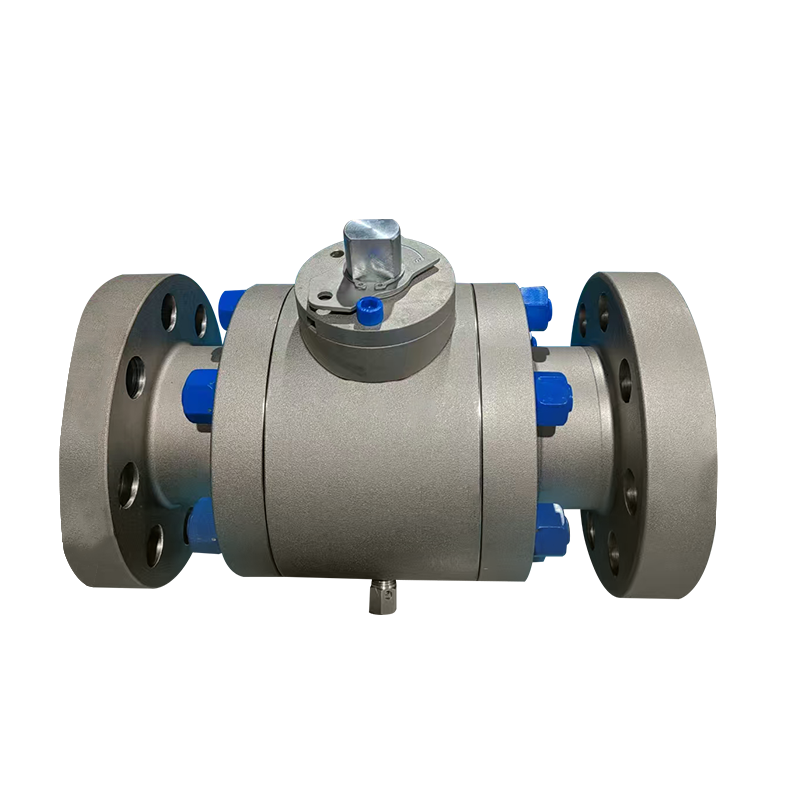
People sometimes think the difference between high and low pressure valves is just strength. In reality, it's more like a chain reaction inside the design. A high pressure ball valve deals with stronger internal force pushing outward on every surface. That means the body, seals, and internal alignment all need to stay stable even when conditions fluctuate. It's not just about holding pressure—it's about keeping shape and sealing consistency when things get intense. Low pressure ball valves sit in a calmer environment. The stress on components is lighter, which allows simpler structures and more flexible material choices. They still need reliability, of course, but the operating "load"is different. In practice, engineers often describe it less formally: one is built for "demanding lines,"the other for "steady flow systems." That distinction alone already starts guiding Ball Valve Selection.
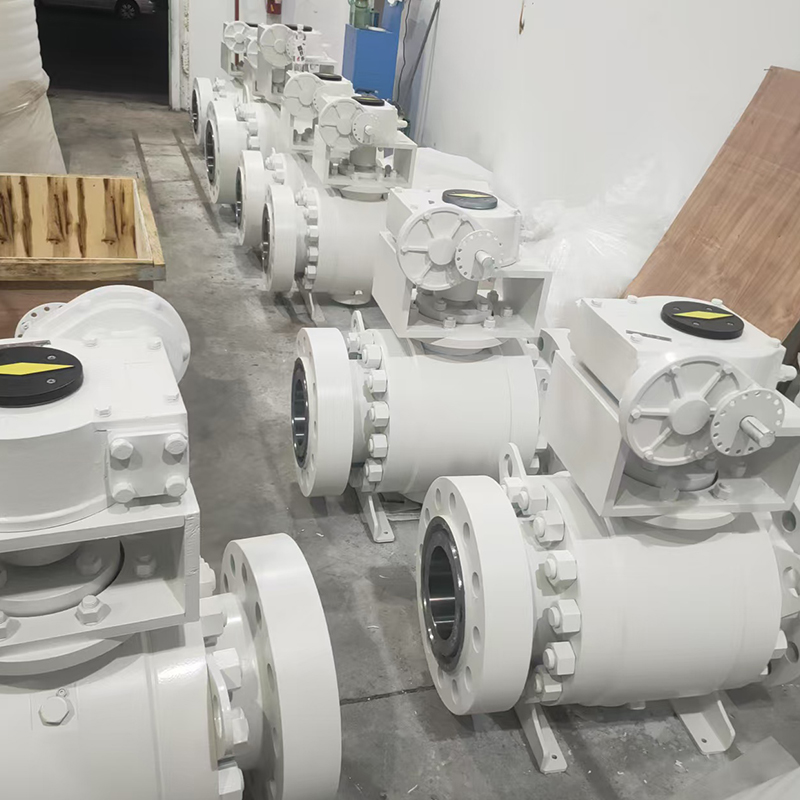
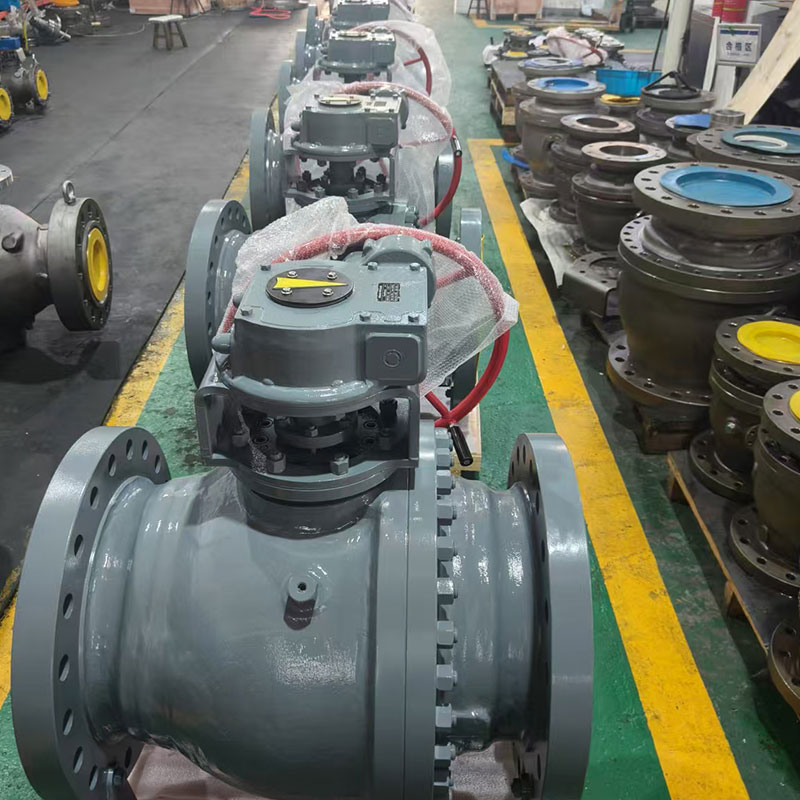
On paper, many valves look similar. Same round body, same handle movement, same basic concept. But inside, there are subtle design choices that only become obvious when conditions push the valve to its limit. High pressure versions often feel more "tight"in design. Reinforced walls, stronger sealing contact, and more controlled internal tolerances all help the valve resist deformation. It's not dramatic—it's just deliberate. Low pressure valves feel lighter in comparison. Not weak, just less heavily reinforced because they don't need to fight the same internal forces.m Someone once described it in a workshop quite simply: "You don't notice the difference until the system starts working hard."That line actually sticks, because it reflects real field experience more than theory.
Material selection often sounds like a technical detail, but in real systems it behaves more like a long-term decision. If water quality changes, or if the medium carries mild chemical activity, corrosion resistance suddenly matters more than expected. That's where Corrosion Resistant Ball Valve designs come into play, especially in environments where moisture or impurities are unavoidable. High pressure systems often lean toward more robust material combinations—not just for strength, but for stability over time. Low pressure systems may allow a broader range of material options, especially when conditions are predictable. And here's something often overlooked: durability isn't just about resisting damage. It's about staying consistent after thousands of small cycles of opening and closing. That's where a Durable Ball Valve earns its reputation—not in a single moment, but over long use.
In water systems, things are usually more forgiving. A Ball Valve for Water might operate under relatively stable conditions, especially in distribution or utility setups. That's why low pressure valves often fit naturally there. But once you move into industrial environments, the picture becomes less predictable. Flow variations, system upgrades, pressure spikes—they all show up at different times. This is where high pressure ball valves usually step in, not because low pressure options "fail,"but because the margin for variation is smaller. What's interesting is that application choice often evolves over time. A system designed for one condition may later expand, and suddenly the original valve selection feels a bit too narrow in scope.
It's tempting to isolate pressure as the main factor, but in real systems it rarely works alone. The type of fluid, its temperature, and even how often the system cycles on and off all influence valve behavior. Water behaves differently from oil. Clean fluid behaves differently from mixed or reactive media. Temperature changes can subtly affect sealing surfaces, even if nothing looks visibly different. So Ball Valve Selection becomes less about one dominant factor and more about balancing several conditions at once. That's usually where engineers slow down and re-check assumptions. Not because the process is complicated, but because small details tend to matter more than expected.
There's a moment in many projects where cost enters the discussion, and it changes the tone slightly., High pressure valves often involve more reinforced construction, which can influence initial investment. Low pressure valves might appear more economical at first glance. mBut field experience tends to shift the conversation. Maintenance frequency, replacement timing, and unexpected downtime often reshape how "cost"is actually understood.m Sometimes a slightly more suitable valve reduces long-term disruption. Sometimes a simpler one performs perfectly fine for years. It really depends on whether the selection matches the system reality.
Installation environments don't always behave like design drawings. Pipes may have slight misalignment, vibration may appear in unexpected places, and operating conditions may vary over time. High pressure systems usually demand a bit more care during installation because everything is working under greater load. Low pressure systems feel more forgiving, though they still depend on correct setup. It's one of those details that doesn't get much attention until later—but it often influences how stable the valve feels in operation.
A common shift happens when engineers stop thinking of valves as individual parts and start seeing them as part of a system. At that point, Ball Valve Selection becomes less about comparing two products and more about understanding how the whole pipeline behaves. High pressure or low pressure stops being a label and starts becoming a response to real operating conditions. That mindset change is often where selection becomes more confident and less uncertain.
High pressure ball valves and low pressure ball valves are not competing ideas. They simply serve different environments. One leans toward structural resilience under demanding conditions, while the other fits steady and controlled systems. When Ball Valve Selection is approached with attention to pressure, media, durability, and real operating behavior—not just theoretical classification—the choice becomes clearer, even if not always obvious at first glance. And in practical industrial use, whether in design offices or field installation sites, companies like Zhejiang Yushun Valve Co., Ltd. often support these decisions by aligning valve design options with real engineering requirements rather than abstract categories.