Home / News / Industry News / What Piping Challenges Can a Durable Ball Valve Address
What Piping Challenges Can a Durable Ball Valve Address
Posted by Admin | 15 Sep
A pipe system can look genuinely straightforward on a drawing, yet the real installation often involves tight spaces, changing pipe directions, limited access, and several connection points that all need to work together on the day.
A valve has to fit into this environment while still allowing operators to control the movement of water or another suitable fluid, whenever maintenance, repair, or routine operation requires a change on short notice.
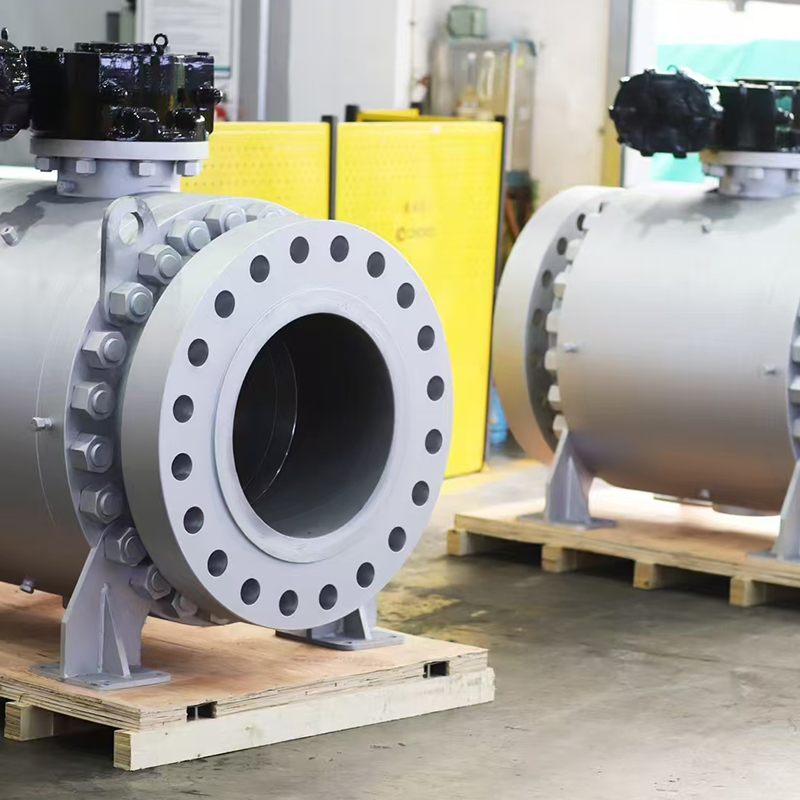
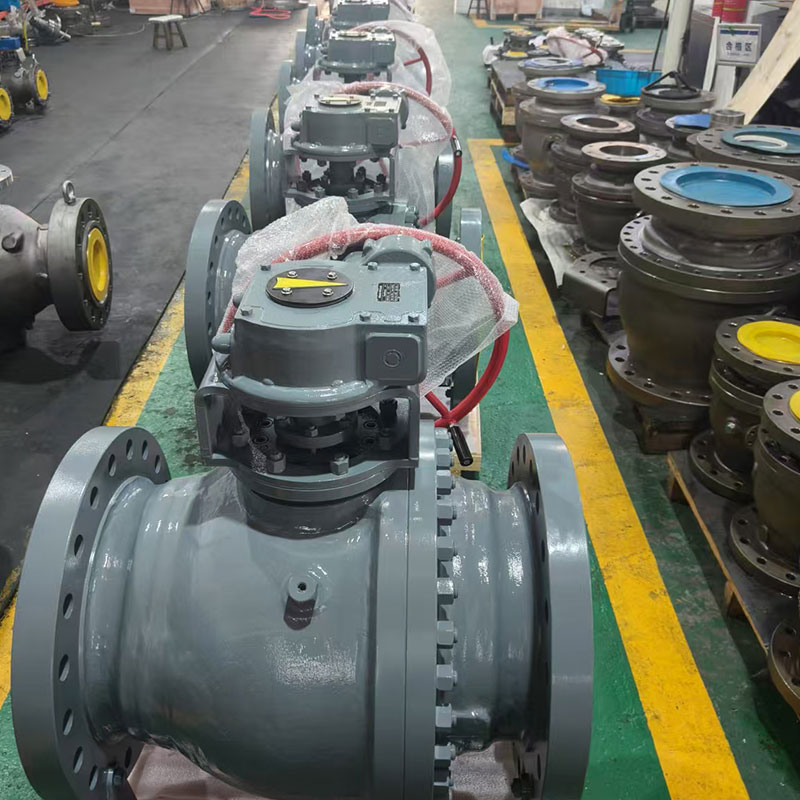
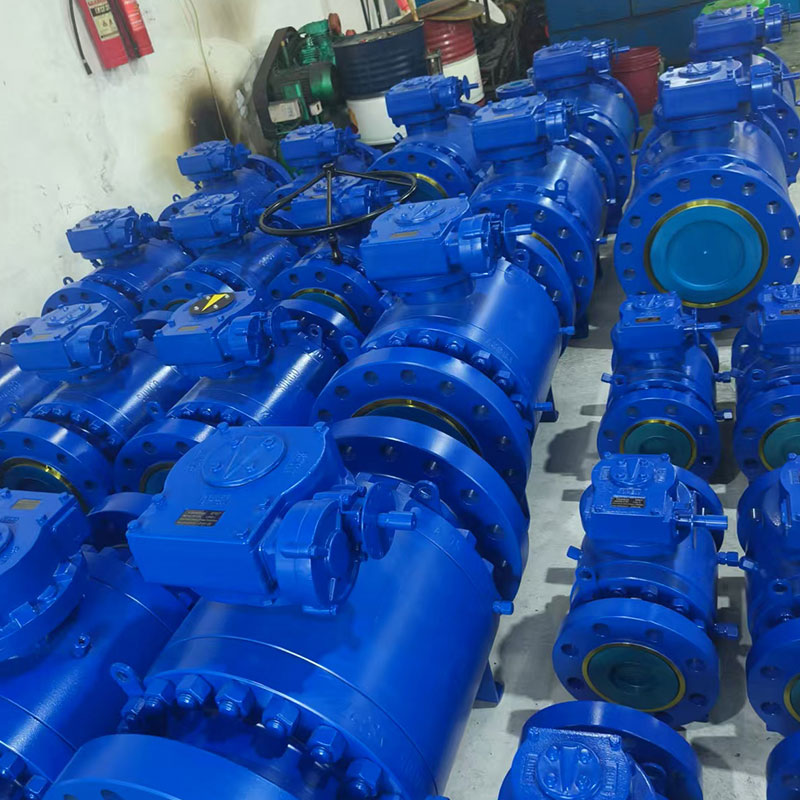
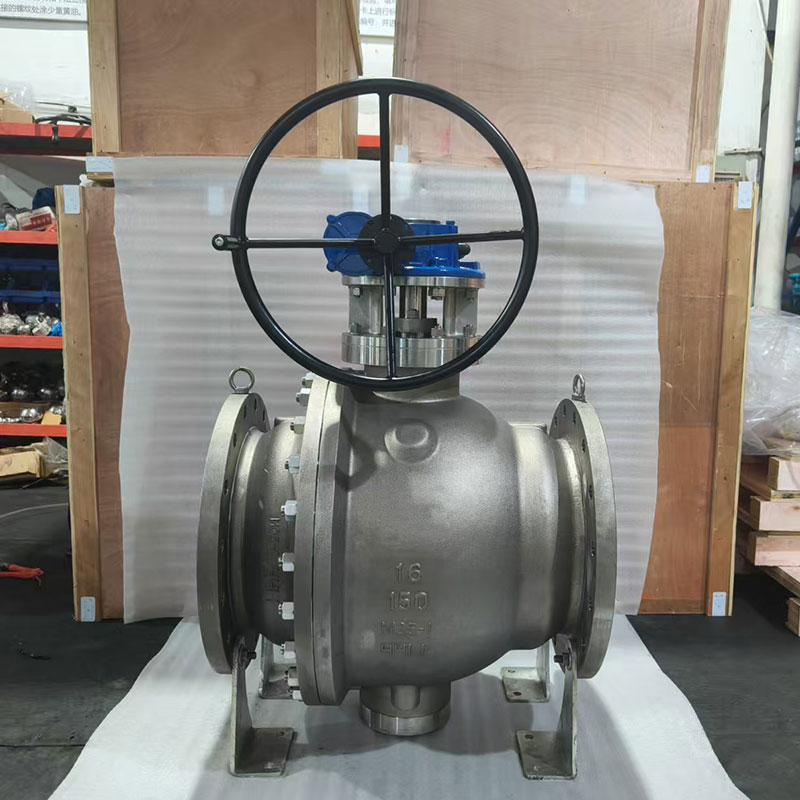
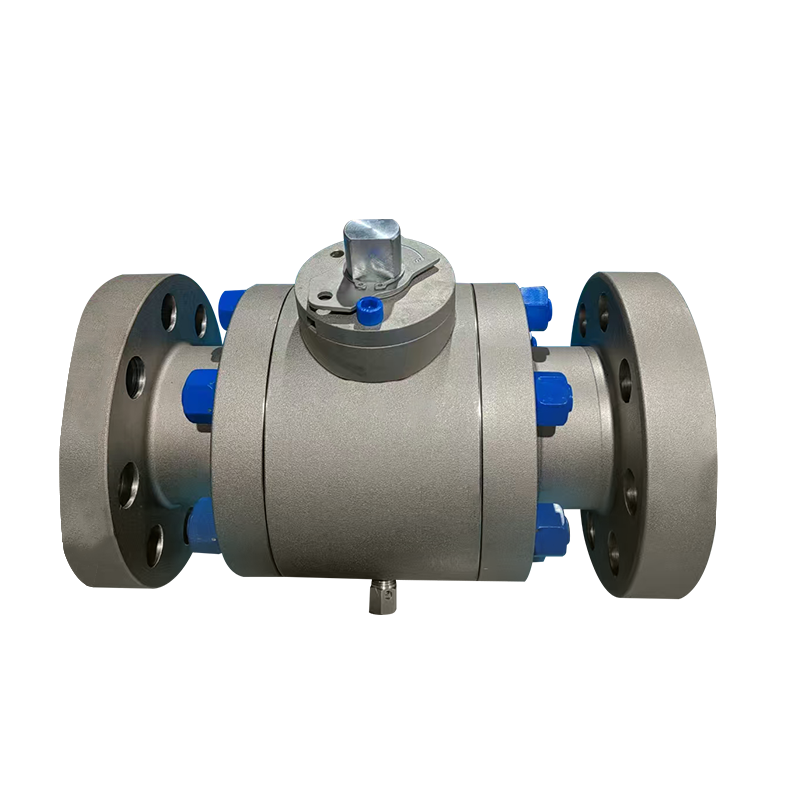
A Durable Ball Valve can be considered in these situations, because its practical value connects closely with how it fits into the piping arrangement, rather than simply how the valve looks as an individual component sitting on a shelf.
The challenge becomes a lot more noticeable when a system includes several branches, equipment connections, or areas where access is genuinely difficult to reach.
Different applications also place different demands on valve placement, material selection, connection methods, and frequency of operation throughout the year.
A Ball Valve for Water may be suitable for water-related piping where straightforward shut-off control is needed, while a Corrosion Resistant Ball Valve may get considered where the surrounding conditions create greater concern about material exposure over time.
Looking at these valves from the perspective of actual piping challenges provides a genuinely more useful way to understand their role in system design.
Why Does Valve Placement Matter in a Crowded Pipe Layout?
Pipe systems rarely have unlimited space to work with, especially when several lines share the same crowded area of a building or facility.
A valve needs enough surrounding room for installation, operation, inspection, and future maintenance, so its position can genuinely affect the usability of the entire piping arrangement around it.
A poorly positioned valve may technically connect to the pipe just fine, while remaining genuinely difficult for an operator to reach when it actually matters.
This can become inconvenient, when the valve needs closing during equipment service or when a section of pipe has to get isolated from the rest of the system quickly.
Space planning therefore needs to consider a lot more than the outside dimensions of the valve printed on a spec sheet.
The installer also needs to think through nearby pipes, walls, pumps, tanks, supports, electrical equipment, and other components that may restrict access down the line.
Layout Condition
Piping Consideration
Crowded pipe area
Leave practical operating access
Multiple branches
Keep control points identifiable
Wall-mounted piping
Consider clearance around the valve
Equipment connection
Avoid blocking service access
Narrow installation area
Match the valve arrangement to available space
A compact arrangement can be genuinely useful, but compact doesn't necessarily mean placing every component as close together as physically possible.
There needs to be enough room for people to understand which valve controls which section of the system at a glance.
This becomes especially important in facilities where several similar lines run beside one another along the same wall.
Clear placement can make routine operation a lot easier, because the valve position holds a logical relationship with the pipe section it controls.
For a Durable Ball Valve, this means durability is only one part of the installation question worth answering.
The valve also needs to fit the physical and operational conditions surrounding it on site.
How Can a Ball Valve Simplify On and Off Control?
Many piping systems need a genuinely clear way to stop flow to a particular section, without shutting down the whole building in the process.
This may become necessary during equipment cleaning, component replacement, pipe inspection, or changes to how the system is being used week to week.
A ball valve can serve this type of shut-off role without requiring the piping arrangement to become unnecessarily complicated for the installer.
The operator can use the valve to change the flow condition of the connected section, according to whatever the system actually needs at that moment.
The practical benefit becomes a lot clearer when a larger piping network gets divided into several manageable areas.
Instead of affecting the entire installation, an operator may be able to isolate one specific branch, when the layout's been planned around separate control points from the start.
Operating Situation
Role of Shut-Off Control
Equipment service
Separates the equipment from the active line
Pipe maintenance
Helps isolate the affected section
Branch adjustment
Allows one branch to be controlled
Routine inspection
Supports safer access to the relevant area
System rearrangement
Allows selected sections to be taken out of use
A Ball Valve for Water can therefore get viewed as part of the system's control layout, rather than simply a fitting squeezed between two pipes.
The position of each valve can influence quite a bit how easily operators understand and manage different parts of the installation on the fly.
This proves useful in residential water systems, commercial facilities, workshops, agricultural installations, and other settings where water lines may branch off in several directions.
The key consideration is whether the valve's location and connection arrangement genuinely match the way the system's expected to get operated day to day.
What Piping Problems Can Limited Space Create?
Limited space can turn a genuinely simple connection into a real layout problem fast.
A pipe may need to pass around equipment, follow a wall, enter a narrow service area, or connect to another component without interfering with nearby lines running close by.
The valve then has to occupy a place within that arrangement while still remaining accessible to whoever needs it.
This is where the relationship between pipe direction and valve position becomes genuinely important to plan for.
A valve installed without considering the surrounding pipe path may create difficulties for future adjustment or inspection down the road.
The issue isn't always the size of the valve itself sitting on the pipe.
Handle movement, connection direction, nearby fittings, and access for maintenance can all influence whether a particular position actually works in practice once installed.
Installers may therefore examine the surrounding area carefully before deciding where the valve should go.
A simple layout review can work through several points. Pipe direction deserves a check, looking at how the line enters and leaves the installation area. Nearby components need identifying, spotting equipment that could restrict access later. Operating space matters too, considering how the valve will actually get opened or closed. Service access should get left open, leaving room for inspection and maintenance work. Future changes are worth thinking through, considering whether additional pipe sections may get added later on.
This approach helps prevent a genuinely common situation, where the piping works fine during installation but becomes awkward to service later once everything's buttoned up.
A Durable Ball Valve can prove useful in a compact system only when its physical arrangement works with the surrounding pipe network as a whole.
Good valve placement is therefore closely tied to good piping planning from the start.
How Do System Connections Affect Ball Valve Installation?
A valve doesn't exist separately from the pipes and fittings sitting around it on the line.
Its connection points need to correspond with the rest of the system, so the installation can get assembled in a genuinely practical sequence without backtracking.
Different projects may use different pipe materials, connection arrangements, and equipment interfaces depending on the job.
This means the valve needs consideration as part of a chain of connected components, not a standalone piece dropped in later.
A connection that appears simple on paper may become a lot more complicated, when nearby components leave little room for installation or later adjustment.
The installer may need to think through how the pipe approaches the valve and how the next section continues on from it.
Connection Situation
Practical Concern
Straight pipe section
Maintain a clear installation path
Equipment inlet
Match the valve position with equipment access
Branch connection
Keep the controlled section easy to identify
Existing pipework
Work within the available layout
Replacement work
Consider access around existing components
Connection planning can also influence maintenance quite a bit down the road.
If a valve gets installed between fixed components with little room around it, replacing or inspecting the valve may require additional work later that could've been avoided.
A more accessible arrangement can make future service a lot easier without changing the basic function of the piping system at all.
This is why a valve should get considered during pipe layout planning, rather than added only after the main route's already been fixed in place.
For buyers, connection compatibility is also worth examining alongside material and intended application before ordering.
A suitable valve needs to make genuine sense within the actual system, rather than getting judged only as a standalone product on a catalog page.
When Does Corrosion Become a Piping Concern?
Piping environments aren't always clean and dry throughout the year.
Water, humidity, cleaning conditions, outdoor exposure, and the surrounding installation environment can all affect the materials used in a piping system over time.
Corrosion concerns may become more important, when a valve is exposed to conditions that can affect its external or internal components gradually.
A Corrosion Resistant Ball Valve can therefore get considered, when material exposure is a genuinely important part of the application at hand.
The choice should connect with the actual environment, rather than resting on a general assumption that corrosion resistance is needed everywhere regardless of conditions.
For example, an indoor water line may face genuinely different conditions from an outdoor installation sitting near a humid environment.
A valve used in an area with frequent cleaning may also experience different exposure from one located in a relatively dry service room down the hall.
Environmental Condition
Design Consideration
Humid surroundings
Consider material exposure
Outdoor installation
Account for environmental contact
Frequent cleaning
Consider the effect of routine cleaning
Water-related application
Match materials to intended service
Enclosed service area
Consider moisture accumulation
Corrosion can also affect the usability of a valve, if material changes interfere with normal operation or make inspection genuinely more difficult.
This is why material selection and valve placement should get considered together as one decision, not two separate ones.
A valve positioned in a difficult-to-reach location may be a lot harder to inspect, when environmental exposure is already a concern worth tracking.
The surrounding piping arrangement therefore influences quite a bit how practical routine care actually turns out to be.
How Does Frequent Valve Operation Affect Piping Planning?
Some valves remain in one position for genuinely long stretches, while others may get operated regularly as part of normal production or water use throughout the day.
The expected operating pattern can influence quite a bit where a valve should get placed and how much access should get provided around it.
A valve that's adjusted frequently needs to be easy for operators to locate and reach without hunting around.
A valve used mainly during maintenance may have genuinely different placement requirements, since routine access may be a lot less frequent by comparison.
The distinction matters a great deal, when a facility contains many control points scattered across a building.
If frequently used valves are hidden behind equipment or positioned in narrow spaces, everyday operation can become genuinely inconvenient for whoever's on shift.
Usage Pattern
Layout Focus
Frequent operation
Easy access and clear identification
Occasional adjustment
Practical maintenance access
Maintenance shut-off
Logical placement near the controlled section
Shared facility use
Simple operation for different users
Changing production layout
Flexible positioning where practical
The valve itself is only part of this relationship worth considering.
The surrounding pipe supports, equipment, walkways, and service areas also determine whether the control point actually stays accessible over time.
A Ball Valve for Water may get used in a system with regular changes in demand, so its position can influence quite a bit how easily different water sections get managed day to day.
The same principle applies, when a system gets expanded or rearranged later on.
A valve that was genuinely convenient when the installation was new may become difficult to access, after additional equipment or piping gets added around it.
Considering future layout changes can therefore help prevent access problems from cropping up later.
How Can Different Water Applications Change Valve Requirements?
Water systems can serve genuinely different purposes depending on the setting.
A household water line may have a relatively simple arrangement, while a commercial facility may include several branches serving different rooms or equipment across a floor.
Agricultural water systems can also have changing layouts, because different areas may require separate control depending on the season.
These differences affect quite a bit how valves get positioned and used throughout the property.
A Durable Ball Valve may get considered for applications where repeated handling, routine maintenance, or environmental exposure makes long-term product condition a genuinely important consideration.
The actual requirement still depends on the application and the surrounding system as a whole.
Application
Piping Challenge
Residential water supply
Limited space and accessible shut-off points
Commercial building
Multiple branches and control locations
Workshop
Equipment connections and changing layouts
Agricultural system
Distributed pipe sections
Outdoor water use
Environmental exposure and maintenance access
The same valve arrangement shouldn't automatically get copied from one application to another without thought.
A layout that works fine in a small building may not suit a larger installation with many branches spreading out.
The location of storage tanks, pumps, equipment, and outlets can change quite a bit how the piping network needs to get divided up.
This is why application requirements should get considered before deciding where control points actually belong.
The valve becomes part of a broader operating plan that reflects how people genuinely use the water system day after day.
How Can Valve Design Support Easier Maintenance?
Maintenance is genuinely easier, when operators can identify and reach the relevant components without unnecessary disruption to the rest of the building.
A valve that controls a specific pipe section can help divide a system into manageable areas, when the overall layout's been planned accordingly from the start.
This proves useful, when a pump, appliance, fixture, or branch line needs attention on short notice.
Instead of treating the entire water network as one connected area, operators can work with smaller sections, where suitable shut-off points have already been included in the design.
The physical arrangement still matters a great deal here.
A valve may be easy to operate but genuinely difficult to inspect, if it's surrounded by other equipment crowding in close.
Likewise, a valve may be accessible on its own, while its connection points remain difficult to reach behind it.
A maintenance-oriented layout can consider several factors worth checking. Clear access around control points matters. Logical valve placement counts too. Visible connection areas help a lot. Space around nearby equipment plays a role. Practical routes for inspection deserve thought. Separation of different pipe branches rounds things out.
A Corrosion Resistant Ball Valve may also require consideration of its surrounding environment, when maintenance planning gets carried out properly.
Material choice can help address environmental concerns, but routine inspection still remains part of responsible system care over the long run.
The same applies to a Ball Valve for Water installed in a frequently used water system somewhere in the building.
Regular attention to connections, surrounding conditions, and valve operation can help catch changes before they interfere with normal system use down the line.
For manufacturers and installers, these practical details show why valve design should get considered together with the piping environment as one connected picture.
The real challenge is rarely just connecting two pieces of pipe end to end.
It's creating a system in which control points remain accessible, connections fit the layout, space gets used sensibly, and the valve can perform its intended role within changing application conditions over time.

 русский
 عربى
عربى