русский
 عربى
عربى


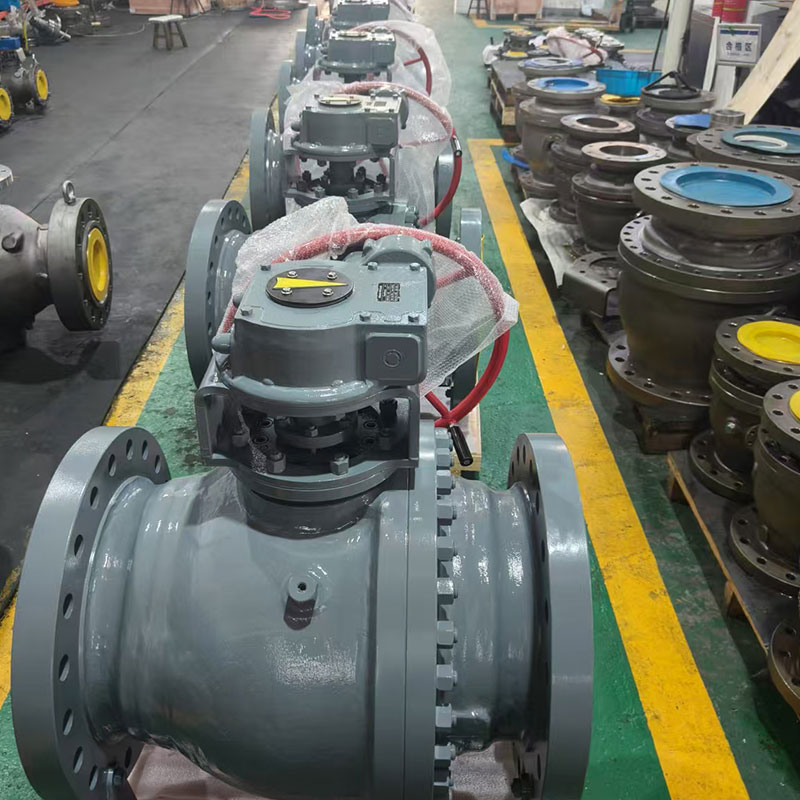
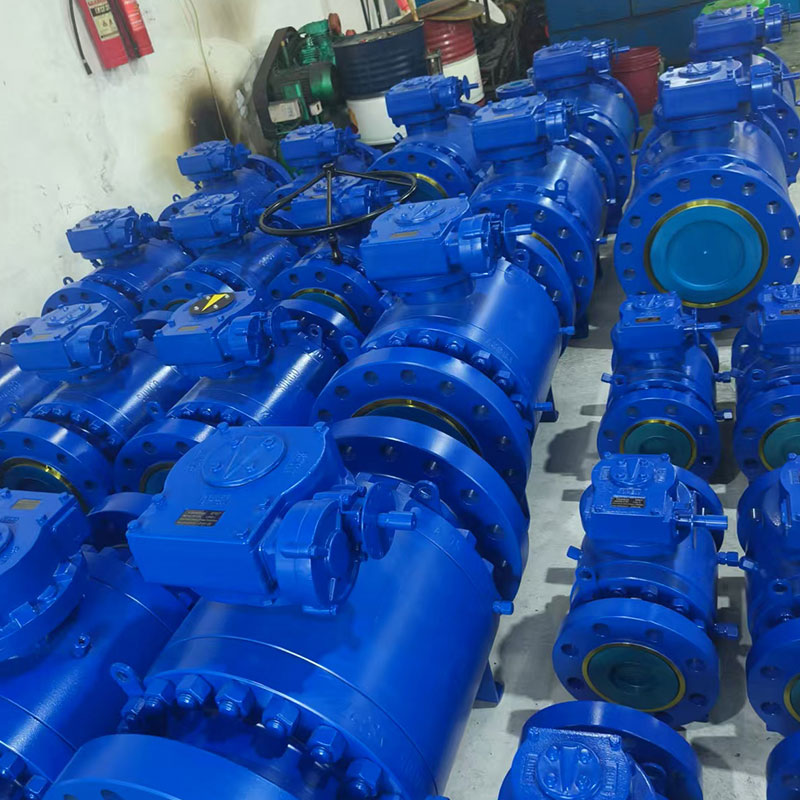
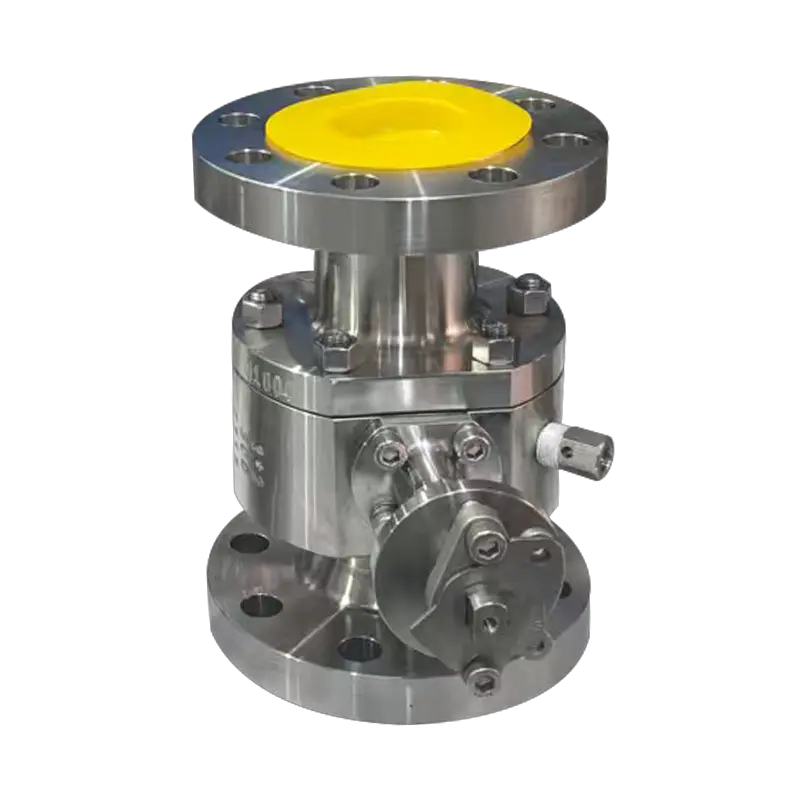
A ball valve can look simple sitting on a shelf, but how long it actually lasts depends on many parts working together under real conditions. The valve body, internal components, seals, connection points, and operating mechanism all face whatever the fluid and surrounding environment throw at them once installed.
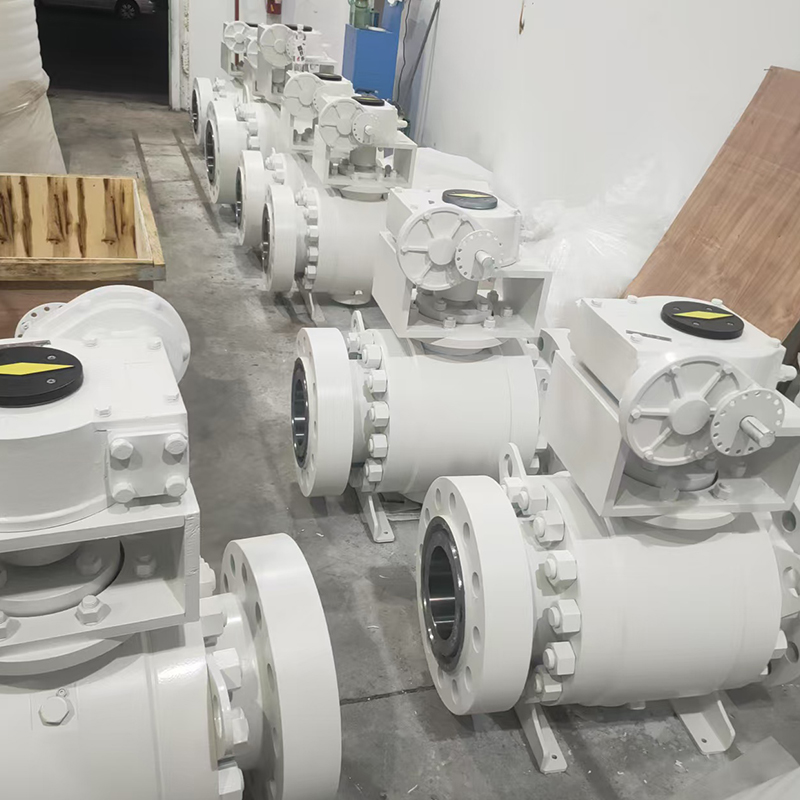
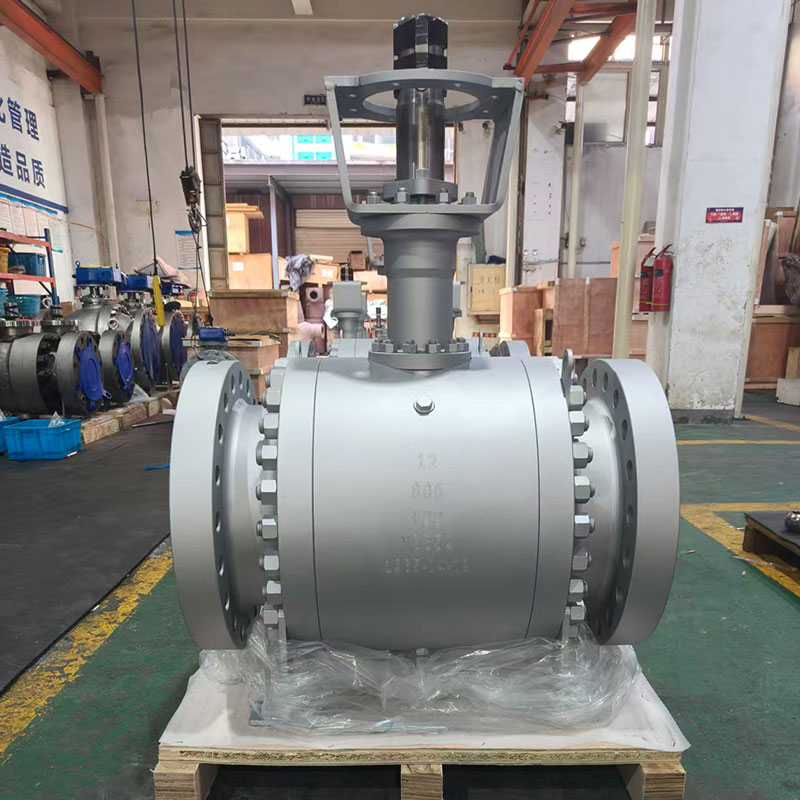
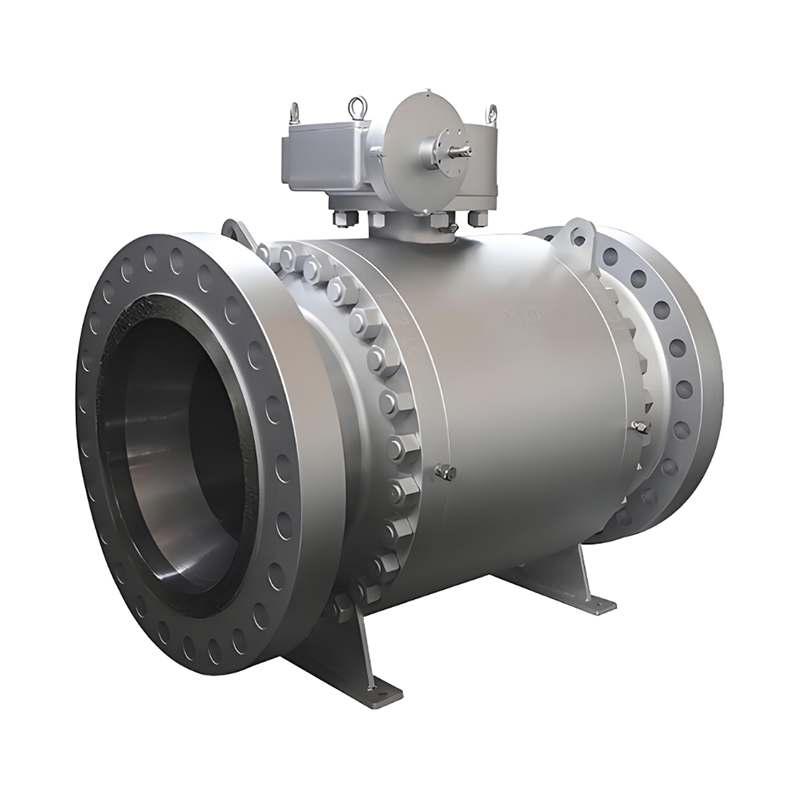
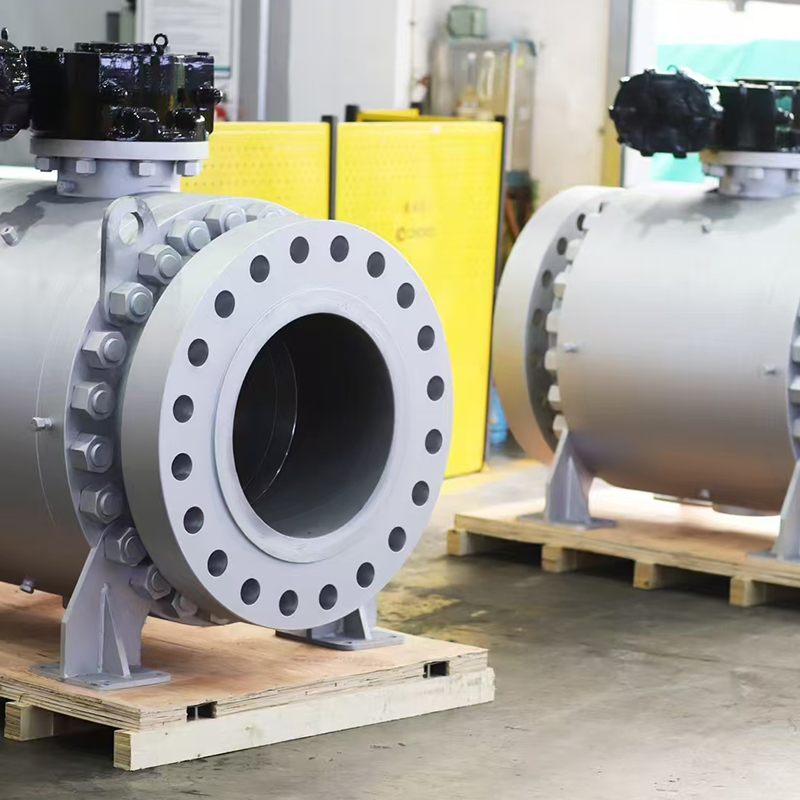
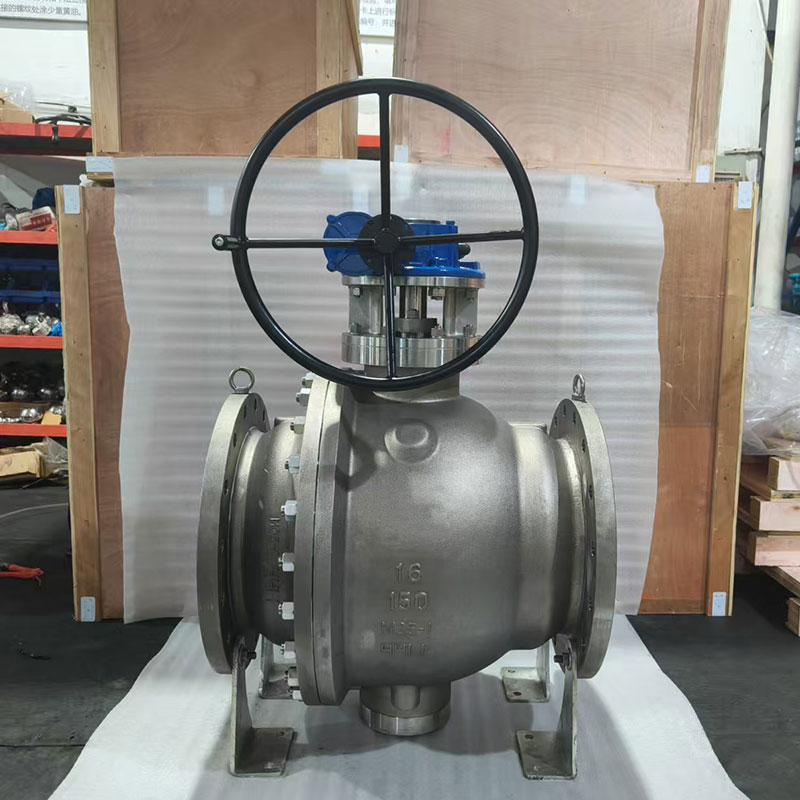
When corrosion becomes a real concern, material choice moves to the front of the conversation. A Corrosion Resistant Ball Valve is built with materials and construction choices meant to handle settings where corrosive exposure is part of daily operation.
That doesn't mean corrosion can be waved off as a solved problem once the right valve is picked. How long a valve actually stays in good working order depends on how well its materials match the fluid running through it, how it gets operated, how it's installed, and how it's looked after over the years.
A valve paired with a relatively mild fluid can face very different conditions from one dropped into a chemically demanding process line. Even two valves that look nearly identical off the shelf can age quite differently once their working conditions start to diverge.
Working through these factors gives equipment designers, purchasing teams, and maintenance staff a clearer way to think about valve selection, rather than leaning on a product name alone.
Material sits near the center of the decision whenever a valve is expected to work in a corrosive environment. The valve body comes into direct contact with the surrounding medium, while internal components and sealing areas can face those same conditions in slightly different ways.
A material that suits the application can help the valve stay usable across its intended operating life. A poor match, on the other hand, tends to show up as trouble sooner rather than later.
| Valve Area | Material Consideration |
|---|---|
| Valve body | Resistance to the working medium |
| Internal parts | Compatibility with fluid conditions |
| Sealing parts | Resistance to wear and exposure |
| Stem area | Protection from the surrounding environment |
| Connection section | Suitable material and surface condition |
Material choice should follow the actual medium the valve will handle, not a general assumption that "corrosion resistant" covers every scenario equally. Different fluids affect materials in different ways, sometimes quite dramatically.
Concentration, temperature, moisture, and how long the fluid stays in contact with the valve all shape how materials hold up over time. A material that performs well in one setting can behave poorly in another that looks similar on paper.
For a Corrosion Resistant Ball Valve, material compatibility is worth working through during selection, not after the valve is already bolted into a pipeline and running.
The fluid moving through a valve is one of the biggest factors shaping its condition over time. Water, chemicals, gases, oils, and blended fluids each create their own kind of operating environment inside the same basic valve body.
Some media leave little visible trace behind. Others gradually work on metal surfaces, seals, or internal components in ways that only become obvious after months of service.
| Medium Condition | Possible Effect |
|---|---|
| Moist environment | May increase corrosion concerns |
| Chemically active fluid | Can affect material compatibility |
| Fluid containing particles | May increase wear |
| Mixed media | Can create changing service conditions |
| Contaminated fluid | May affect sealing and internal surfaces |
The valve should be chosen based on the actual conditions of the fluid it will handle, not a vague label. A general phrase like "corrosive liquid" doesn't carry enough detail for a sound material decision on its own.
The manufacturer and system designer often need to dig into the nature of the medium and how it will actually interact with the valve over time. That kind of detail helps avoid picking a valve mainly because of what it's called on a spec sheet.
A Durable Ball Valve is worth thinking about in relation to the medium too, since durability isn't tied to one single material trait. The complete valve has to stay suited to whatever conditions it ends up facing day to day.
The environment surrounding a valve can shape its service life even when the fluid inside stays perfectly consistent. Outdoor installations expose the valve to rain, humidity, dust, shifting temperatures, and other conditions that indoor equipment rarely encounters.
Indoor systems bring their own concerns, particularly when valves sit near cleaning areas, chemical storage, or busy production equipment. The environment around a valve can affect external surfaces, connections, seals, and the operating mechanism itself.
| Environment | Service Consideration |
|---|---|
| Indoor installation | Cleaning and surrounding exposure |
| Outdoor installation | Moisture and weather conditions |
| Industrial area | Dust, chemicals, and repeated operation |
| Enclosed equipment | Heat and access for maintenance |
| Wet location | Moisture around external surfaces |
A valve sitting in a clean indoor space may need a different maintenance rhythm than one installed outdoors and exposed to seasonal weather. Environmental exposure can also interact with internal conditions in ways that aren't obvious at first glance.
A valve might handle a perfectly suitable fluid inside, for example, and still develop corrosion on the outside if the surrounding installation stays damp. Valve selection is worth thinking about from both sides at once, since the internal medium and the external environment together make up the actual service condition.
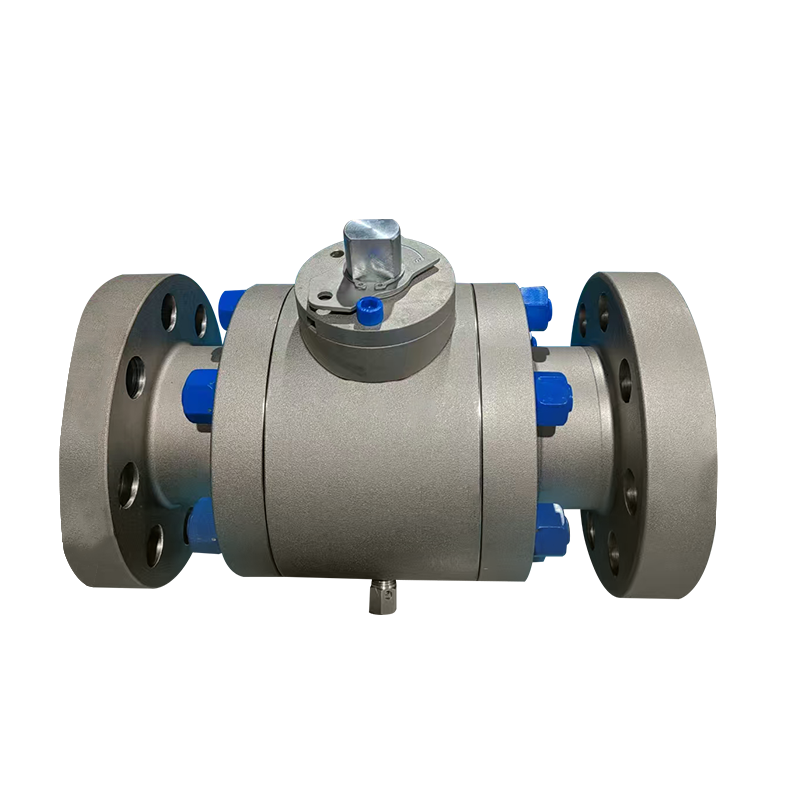
Pressure is another piece of the puzzle that shapes both valve selection and how it holds up over time. A High Pressure Ball Valve is built for applications where the valve has to operate within a demanding pressure environment day after day.
The valve body, internal components, connections, and seals all need to suit the system they're going into. Pressure shouldn't be judged in isolation from the other conditions surrounding it.
| Operating Factor | Why It Matters |
|---|---|
| System pressure | Influences valve construction |
| Pressure changes | Can affect seals and connections |
| Fluid condition | May change the effect of pressure |
| Operating frequency | Adds repeated mechanical demand |
| Installation quality | Affects overall valve behavior |
A valve should be chosen according to what the system actually asks of it. Running a valve outside its intended operating range tends to add unnecessary strain the product wasn't built to absorb.
This becomes more important when pressure fluctuates regularly rather than staying steady. Installing the valve according to the manufacturer's instructions also matters, so connections and supporting components sit properly arranged from the start.
Pressure capability alone doesn't decide how long a valve lasts. A valve rated for the right pressure can still run into problems early if its materials, seals, or maintenance routine don't match the application it's placed in.
Seals are small parts, but they carry real weight in how a ball valve performs over its service life. They keep the intended separation between the internal fluid and the areas surrounding the valve intact.
Repeated operation, temperature swings, fluid exposure, and rough handling can all wear on their condition over time. A damaged or poorly matched seal can affect valve performance even while the main body still looks fine.
| Seal Concern | Possible Effect |
|---|---|
| Material compatibility | Helps resist fluid exposure |
| Repeated movement | May contribute to wear |
| Temperature changes | Can affect material behavior |
| Incorrect installation | May affect sealing |
| Long storage | Can influence component condition |
Seal choice should match the actual working environment rather than a default option pulled from a catalog. The same sealing material won't necessarily suit every medium it might come into contact with.
Maintenance teams are worth having watch for changes in valve behavior over time. Unusual operation or a hint of visible leakage often signals that the sealing area needs a closer look.
Swapping out a worn sealing component according to the manufacturer's guidance can help keep a valve in service longer. A Durable Ball Valve, in that sense, depends on more than a sturdy body alone. The condition of its seals is part of the overall picture of durability.
A valve that opens and closes often experiences repeated mechanical movement with every cycle. The ball, stem, handle or actuator, and sealing areas all take part in that motion.
Frequent movement can gradually build up wear, particularly when it happens alongside conditions the valve wasn't really built for. That said, frequent operation on its own isn't automatically a problem.
A valve meant for repeated use should be chosen with the expected operating pattern in mind from the start.
| Usage Pattern | Consideration |
|---|---|
| Occasional operation | Focus on storage and basic maintenance |
| Regular operation | Monitor movement and sealing condition |
| Frequent switching | Consider component wear |
| Automated operation | Review actuator and valve compatibility |
| Long idle periods | Check condition before returning to service |
How the valve gets operated matters just as much as how often. Forcing a handle or reaching for the wrong tool can place stress on the mechanism that it wasn't designed to absorb.
Automated systems need their actuator and valve configured to work together properly rather than fighting each other during a cycle. Smooth operation cuts down on mechanical strain that builds up unnoticed, and regular inspection can catch small changes before they turn into a bigger maintenance job.
Even a well-chosen valve can run into trouble if the installation itself isn't suitable. The pipeline needs to give the valve proper support so it isn't carrying external forces it was never meant to bear.
Connections should follow the product instructions rather than a shortcut based on habit. Misalignment can place stress directly on the valve body or the components tied into it.
| Installation Area | What to Check |
|---|---|
| Pipeline alignment | Avoid unnecessary mechanical stress |
| Valve support | Keep the assembly properly positioned |
| Connections | Follow installation requirements |
| Flow direction | Confirm the intended arrangement |
| Access space | Allow inspection and maintenance |
Installation space is worth thinking through before the valve is even purchased. Technicians need enough room around it to operate, inspect, and service it without contorting themselves into an awkward corner.
A hard-to-reach valve can be tough to maintain even when its internal materials are exactly right for the job. Outdoor installations may also call for attention to drainage and protection against moisture pooling around the valve over time.
Solid installation practices give a valve a better starting point for a long service life, and they tend to make future inspection noticeably easier too.
Maintenance won't remove every form of wear, but it does help people catch problems while they're still small. A simple routine can include visual inspection, checking the operating mechanism, and watching for signs of leakage or corrosion.
How often inspection happens should reflect the actual application rather than a fixed schedule copied from somewhere else.
| Maintenance Area | Practical Focus |
|---|---|
| Valve body | Look for visible corrosion or damage |
| Sealing area | Check for signs of leakage |
| Operating mechanism | Confirm normal movement |
| Connections | Inspect for unusual changes |
| Surrounding area | Remove dirt and unwanted buildup |
Cleaning should use methods suited to the valve materials in front of you. Harsh cleaning agents can cause their own problems if they don't get along with the valve body or its seals.
Maintenance staff should also follow the manufacturer's instructions whenever lubrication, disassembly, or a component swap comes up. A valve shouldn't be taken apart just because it looks dirty on the outside; the right maintenance method depends on how the product is actually built and where it's used.
Steady inspection also helps maintenance teams notice changes in behavior sooner. A small shift in movement or sealing condition tends to be easier to fix when it's caught early rather than left to grow.
Product selection works best when it starts with the actual application, not the catalog page. Buyers can walk through the working medium, surrounding environment, operating frequency, pressure conditions, installation arrangement, and expected maintenance routine before settling on anything.
These factors give a more useful basis for a decision than appearance alone ever could. For industrial purchasing, it also helps to talk through product details with the manufacturer or supplier before placing an order rather than after.
| Selection Question | Why It Matters |
|---|---|
| What fluid will pass through the valve? | Helps assess material compatibility |
| Where will the valve be installed? | Identifies environmental concerns |
| How often will it operate? | Helps evaluate movement requirements |
| What pressure conditions apply? | Supports suitable valve selection |
| How will it be maintained? | Helps plan service access |
The term Corrosion Resistant Ball Valve shouldn't be read as a guarantee that a valve will handle every corrosive environment it might be dropped into. Corrosion resistance depends heavily on the specific application it's paired with.
The materials, seals, operating conditions, and maintenance practices all need to work together as a set rather than being judged one at a time. A High Pressure Ball Valve also deserves evaluation based on its intended service conditions rather than pressure rating alone.
When these factors get reviewed together rather than in isolation, buyers end up with a clearer picture of whether a particular Durable Ball Valve actually fits the equipment and environment it's headed for.