русский
 عربى
عربى


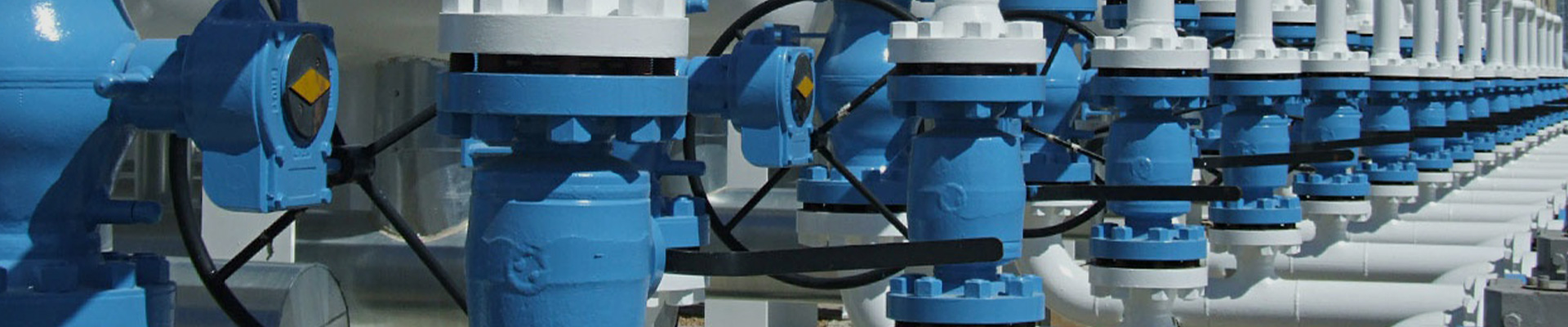
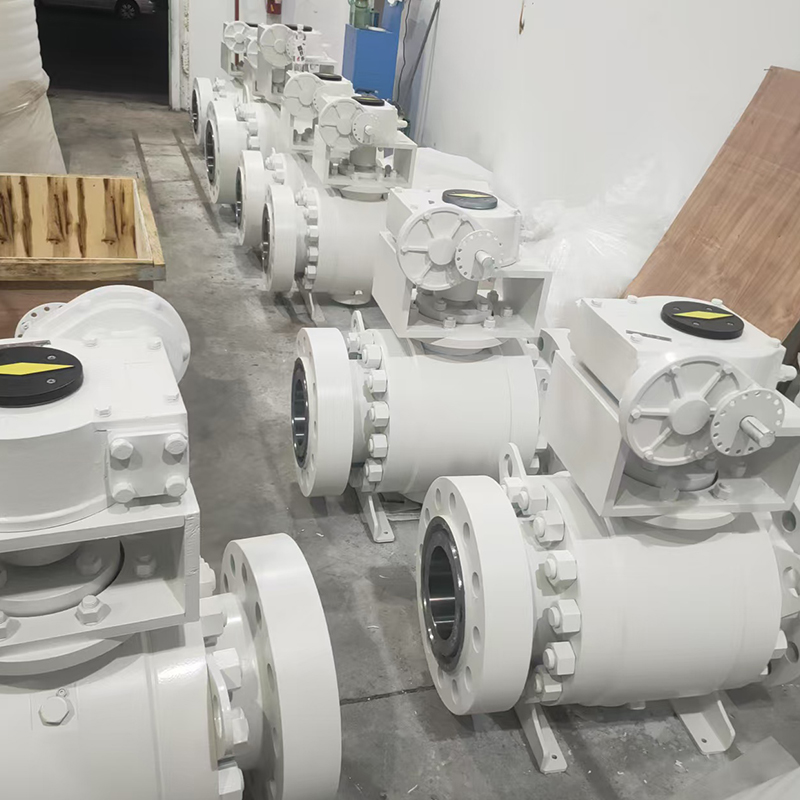
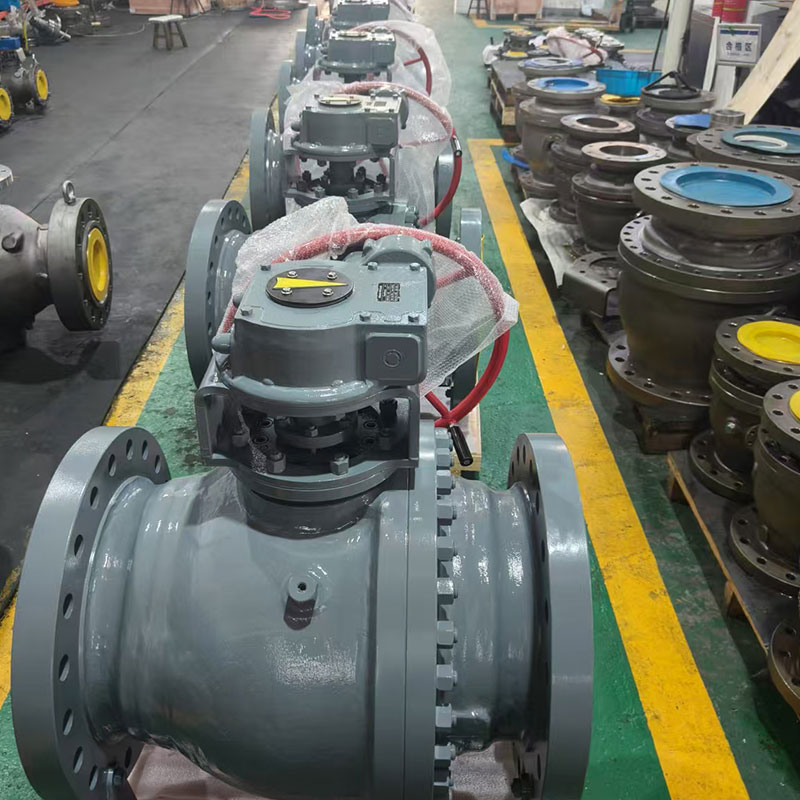
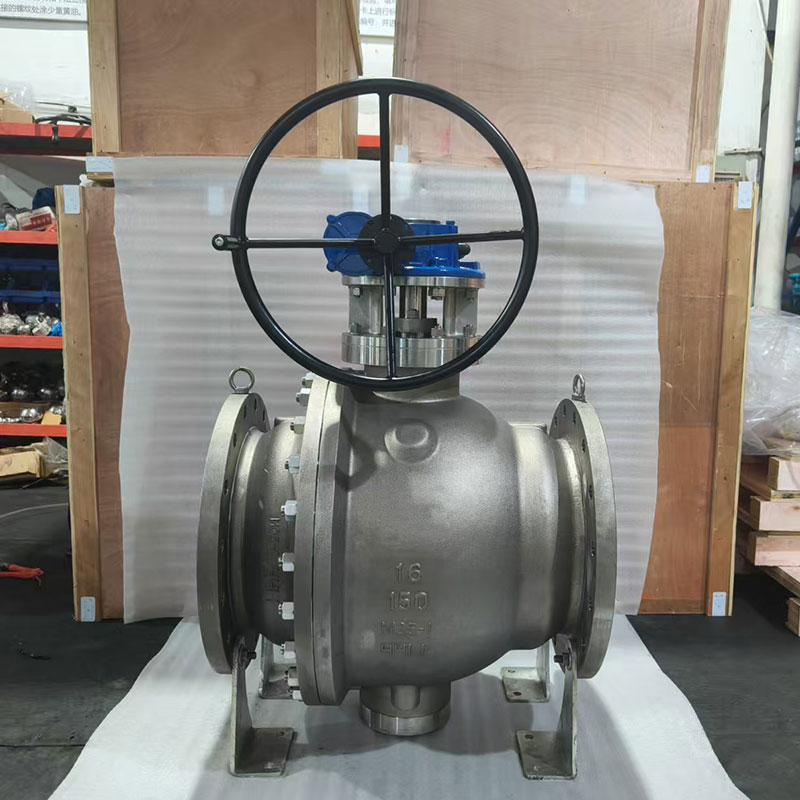
Industrial pipework rarely stays under one unchanging condition. Fluid composition may vary between process stages, cleaning chemicals may enter during maintenance, and outdoor equipment may face rain, salt, or humid air. A valve selected only by pipe size can become troublesome once those conditions are taken into account. Modern ball valve design is responding through closer attention to materials, seals, connections, operating methods, and maintenance access. A Corrosion Resistant Ball Valve works well only when its complete construction is compatible with the fluid, temperature, pressure, and surrounding environment.
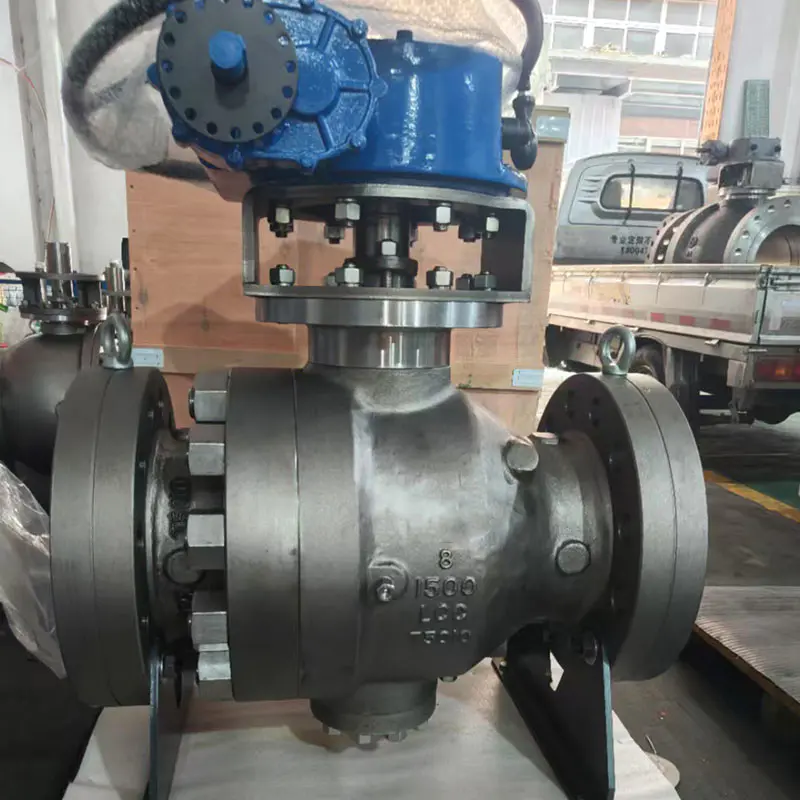
Corrosion is not always easy to spot during routine operation. Damage may begin inside a valve body, beneath a coating, around a stem, or between connected surfaces. By the time external staining appears, internal movement or sealing may already have changed.
The fluid inside the line is only one source of exposure. Washdown water, cleaning chemicals, condensation, coastal air, and leaks from nearby equipment can also affect external surfaces.
| Selection Area | Practical Reason |
|---|---|
| Fluid compatibility | Helps prevent unwanted reactions between the medium and valve materials |
| External exposure | Influences body finish, fastener choice, and surface protection |
| Seal compatibility | Affects shutoff and operating movement |
| Connection design | Influences installation, inspection, and replacement |
| Service conditions | Connects material choice with temperature, pressure, and operating frequency |
Corrosion resistance should be treated as a property of the whole assembly. A resistant body does not solve the problem if the stem, fasteners, seats, or connecting pipe react poorly to the same environment.
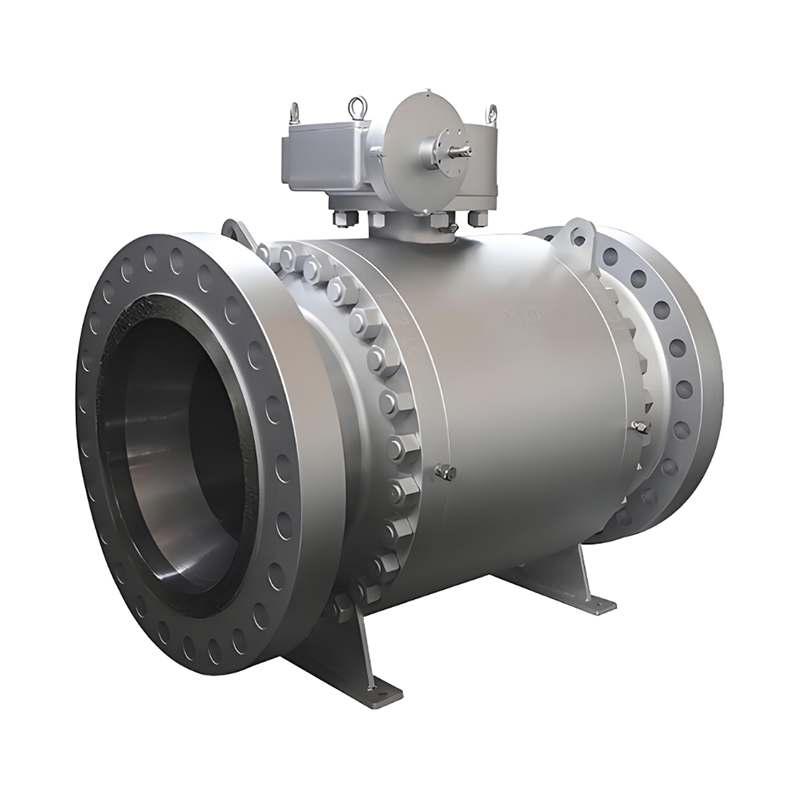
A ball valve uses a drilled ball inside the body to control fluid movement. When the opening through the ball aligns with the pipe, fluid can pass. Turning the ball across the flow path closes the line.
The movement is simple from an operator’s point of view, yet several parts are involved:
Each component may respond differently to the same process medium. Selection work needs to include both metallic and non-metallic parts.
Surface attack around the ball, stem, or seat area may increase operating resistance. An operator might notice that a handle no longer turns as smoothly as it once did.
Forcing a stiff handle is not a sound maintenance response. Extra torque may damage the stem, handle, seats, or actuator. The line should be made safe and the cause investigated under the site’s isolation procedure.
Valve material names are useful starting points, but they do not describe every operating limit. Compatibility can change with fluid concentration, temperature, impurities, aeration, and contact time.
A material that behaves acceptably in cool, diluted service may respond differently when the fluid is warmer or more concentrated. Process cleaning can also expose a valve to substances that are absent during ordinary production.
Before selecting a Corrosion Resistant Ball Valve, engineers normally review:
Compatibility references and supplier documentation can help with the review. Unfamiliar chemical duties may require testing or advice from a materials specialist.
The ball, stem, seats, seals, gland components, and fasteners may use different materials. A body that tolerates the fluid can still be paired with a seal that swells, hardens, or loses flexibility.
Seat behavior deserves attention because the seat touches both the fluid and the moving ball. Its material influences shutoff, friction, temperature response, and sensitivity to trapped particles.
A coating may protect an external or internal surface when it remains continuous and properly bonded. Scratches, impact damage, poor preparation, or wear around moving areas can expose the underlying material.
Coated valves should be inspected for blistering, peeling, chips, and damage near connections. A coating should not be assumed to provide unlimited protection merely because the surrounding surface still looks intact.
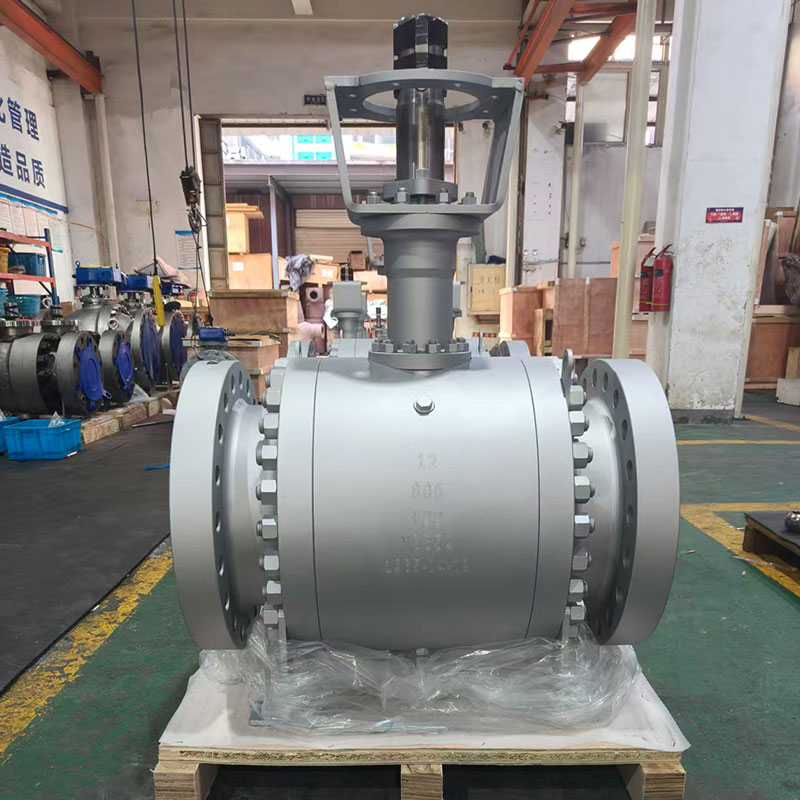
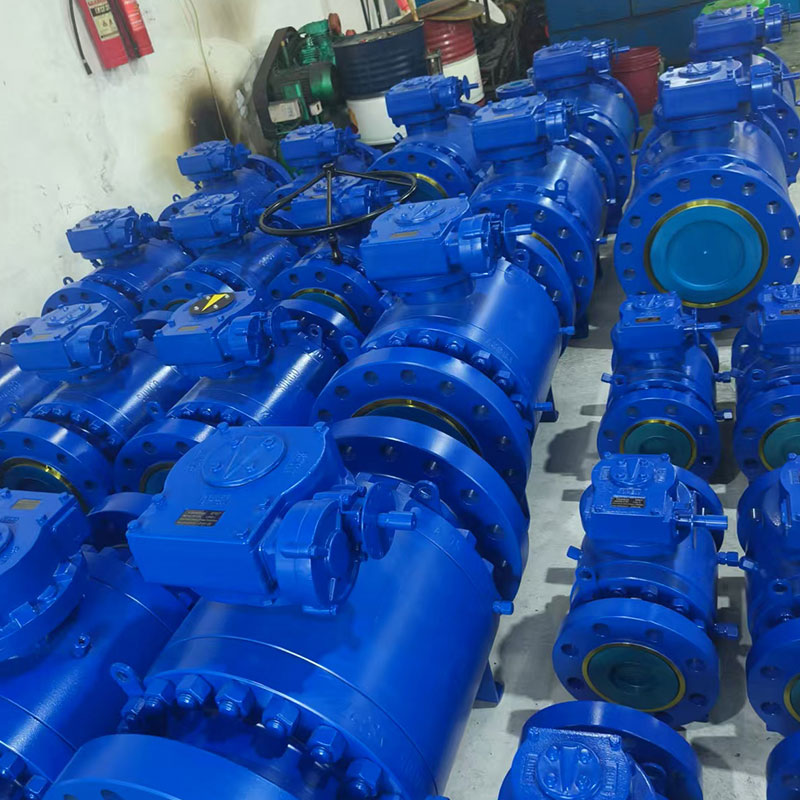
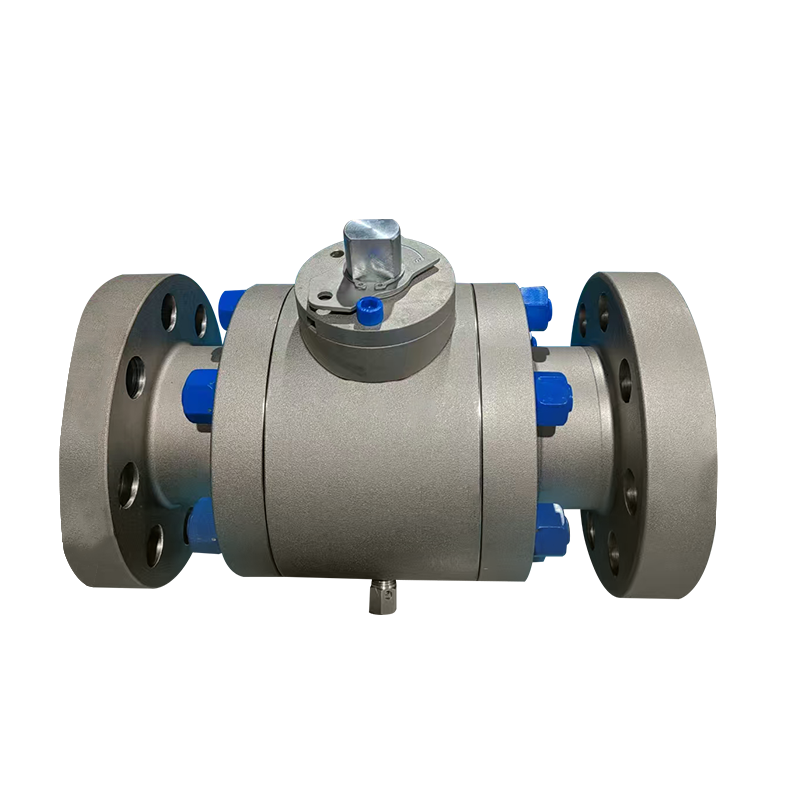
A High Pressure Ball Valve is built for service within a stated pressure range, but its rating cannot be considered separately from temperature, fluid, connections, and operating method.
Allowable working conditions may change as temperature changes. Seat and seal materials can have limits that differ from those of the metal body.
| System Factor | Question to Ask |
|---|---|
| Pressure | Is the complete valve assembly rated for the intended condition? |
| Temperature | Does the stated rating still apply at the operating temperature? |
| Fluid | Are body, trim, seats, and seals compatible with the medium? |
| Connection | Does the joint suit the pipe class and installation method? |
| Operation | Will the valve be manual, actuated, or used for isolation? |
| Maintenance | Can the line be depressurized and accessed safely? |
Pressure can also remain trapped inside a closed section of pipe. Thermal expansion of trapped liquid may create an unexpected condition even when the wider system is shut down.
Isolation plans should account for cavity pressure and blocked-in fluid. Technicians need to verify that pressure has been relieved before loosening a connection or opening a valve body.
Threaded, flanged, welded, and other connection styles place different demands on installation. Misalignment or pipe strain can distort the valve body and alter seat contact.
Supporting the pipe independently helps prevent its weight from being carried by the valve. Flanged joints need even alignment, while threaded connections should not be tightened by placing force through the valve body in an uncontrolled way.
Ball valves are often chosen for clear shutoff duties. Their compact body and short operating movement can suit crowded pipe racks, equipment skids, and utility lines.
The same valve construction will not suit every medium. Clean water, treatment chemicals, solvents, compressed gases, viscous liquids, and fluids carrying particles create different requirements.
Water systems may still present corrosion concerns. Dissolved salts, treatment additives, oxygen content, temperature, and stagnant sections can influence material behavior.
External moisture also matters. A valve in a damp treatment room may experience corrosion from the outside, even when the water inside the pipe is not particularly aggressive.
Chemical service requires review of every wetted component. Changes in concentration or temperature can alter how the fluid interacts with metals, polymers, and elastomers.
Production teams should also check cleaning procedures. A valve may tolerate the process liquid but react poorly to the chemical used during line sanitation.
Particles can collect around seats, scratch the ball surface, or prevent full closure. A standard ball valve may become difficult to operate when sediment settles in the body cavity.
The size, hardness, and amount of suspended material should be discussed with the supplier. Some duties may call for another seat arrangement, another ball design, or a different valve type.
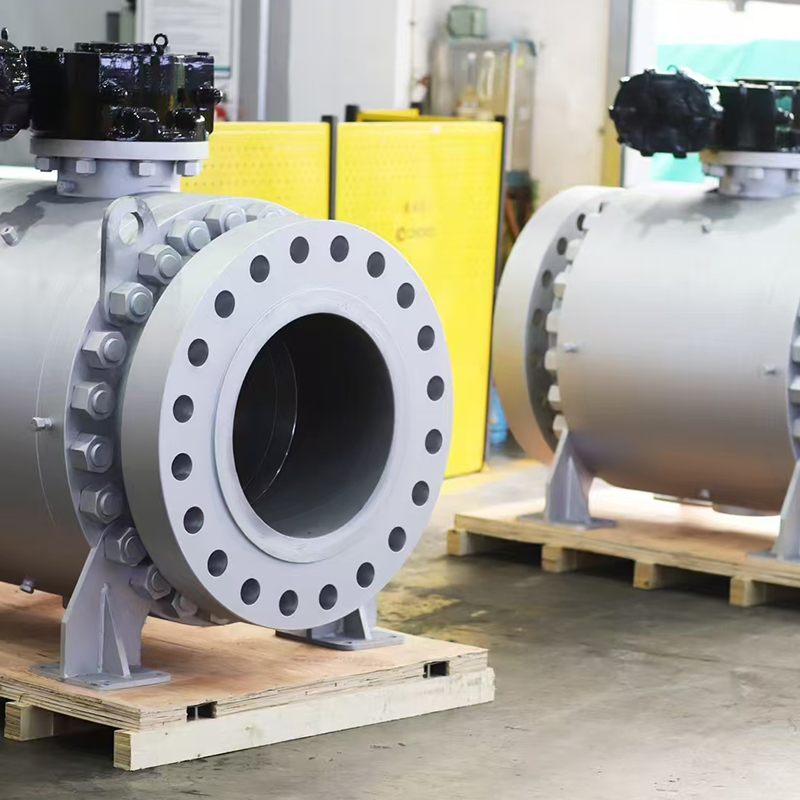
A Durable Ball Valve is not defined by body thickness or one material label. Working life is influenced by fluid compatibility, operating frequency, alignment, cleanliness, actuator settings, and maintenance practices.
A valve opened several times during a shift faces a different duty from an emergency isolation valve that remains in one position for long periods. Both need inspection, but wear may develop in different places.
Practical durability depends on:
Storage before installation can also affect condition. Open valve ends may collect dust, grit, rainwater, or workshop debris. Protective caps should remain in place until the valve is ready to enter the line.
Chemical plants often operate several fluid circuits within a limited area. A valve may sit near washdown zones, drains, heated equipment, or another process line carrying a different substance.
Design adaptation involves more than changing the body alloy. Manufacturers may adjust seat materials, stem sealing, body construction, surface treatment, cavity design, and connection style for a defined duty.
The stem passes through the pressure boundary and connects the ball to the handle or actuator. Wear, chemical attack, vibration, or incorrect adjustment around this area may contribute to leakage.
Maintenance staff often inspect the stem area for staining, crystallized residue, moisture, or an unusual smell. Any suspected process leak should be handled under the site’s safety procedures rather than wiped away and ignored.
Some ball valve designs contain spaces where process fluid can remain after the main line has been drained. This matters when the fluid can crystallize, polymerize, freeze, become hazardous, or react with a flushing medium.
Valve orientation and cavity design should be reviewed during planning. Drain, vent, or flushing arrangements may be needed for certain chemical services.
Automated valves need suitable mounting interfaces, stem strength, torque allowance, and control arrangements. An actuator set incorrectly may stop before the valve reaches its intended position or apply unnecessary force at the end of travel.
Position indicators should reflect the ball position accurately. Maintenance teams also need a safe way to isolate stored pneumatic, hydraulic, or electrical energy before working on the assembly.
Water treatment facilities contain raw-water lines, filtered-water sections, chemical dosing systems, backwash circuits, storage connections, and distribution pipework. Conditions can differ from one area to another.
Ball valves can provide a clear open-or-closed function in suitable parts of these systems. Compact construction may also help where valves are installed on packaged treatment units.
| Treatment Area | Valve Selection Focus |
|---|---|
| Raw-water intake | Sediment, debris, and external exposure |
| Filtered-water line | Material compatibility and clean internal surfaces |
| Chemical dosing area | Compatibility with concentrated treatment chemicals |
| Storage connection | Isolation needs and stagnant-water conditions |
| Backwash system | Cycling frequency and changing flow direction |
| Distribution line | Access, shutoff duty, and connection arrangement |
A valve used on a water line should not automatically be transferred to a dosing line. The chemical concentration near a dosing point may create a different materials problem from the diluted fluid farther downstream.
Outdoor valves may face rain, sunlight, windborne dirt, and condensation. Handles, fasteners, actuator housings, and mounting brackets need protection appropriate to that exposure.
Water can collect beneath insulation or inside poorly drained covers. Inspection plans should include hidden surfaces rather than focusing only on the visible valve body.
A valve must fit both the pipe and the working habits of the plant. A compact installation has little value when the handle hits a wall, the actuator cannot be removed, or technicians cannot reach the flange bolts.
Layout reviews should consider:
Orientation may matter as well. Certain applications benefit from a particular stem position to reduce debris collection or improve drainage.
A valve positioned above a pipe rack may technically be reachable, yet routine operation could require unsafe stretching or temporary access equipment. Remote operation or a relocated valve may provide a more workable arrangement.
Identification is part of accessibility. Tags should remain readable, and nearby valves should not be so similar that an operator can easily select the wrong line.
Poor alignment may place bending loads on the body. This can affect seat contact, increase operating torque, or contribute to leakage at connections.
The valve should not be used to pull mismatched pipe ends together. Alignment should be corrected before bolts are tightened or threaded joints are completed.
Corrosion-resistant construction reduces certain material concerns, but it does not remove the need for inspection. Process conditions can change, seals can age, and external damage can expose previously protected surfaces.
Maintenance routines should reflect the fluid and operating environment. A chemical dosing valve may need different checks from a valve on a sheltered clean-water line.
Useful observations include:
Inspection findings should be recorded by valve location and service. Repeated damage in the same area may point to a system issue rather than an isolated component fault.
A valve left in one position for a long period may become difficult to move because of deposits, corrosion, or seat adhesion. Periodic operation can be useful in some services, but it must be permitted by the process and safety plan.
Operators should not move an isolation valve merely to see whether it works. The effect on connected equipment, pressure, and fluid routing needs to be understood before operation.
Tightening stem or body fasteners without checking the valve design can damage seals or make movement difficult. Any adjustment should follow the manufacturer’s procedure.
If fluid is hazardous, hot, pressurized, or difficult to identify, the area should be treated according to plant emergency and isolation rules. A small leak can still create significant exposure.
Selection begins with information about the service, not with a general product description. The purchasing specification should identify the process conditions clearly enough for engineering and supplier review.
A useful review includes:
The valve documentation should remain linked to its service location. This helps maintenance teams identify compatible seats, seals, actuators, and replacement assemblies later.
A Corrosion Resistant Ball Valve is being adapted through coordinated choices rather than one universal material. Body construction, internal trim, seals, connections, automation, and maintenance access all respond to the actual piping environment.
A High Pressure Ball Valve adds another design consideration because the body, seats, connections, and operating arrangement must suit the intended pressure and temperature conditions. A Durable Ball Valve also depends on correct installation, controlled operation, and inspection throughout its working life.
Chemical processing, water treatment, and general industrial fluid systems place different demands on the same valve category. Matching the whole assembly to the process allows ball valves to provide practical isolation while remaining accessible for operation, inspection, and replacement.