русский
 عربى
عربى


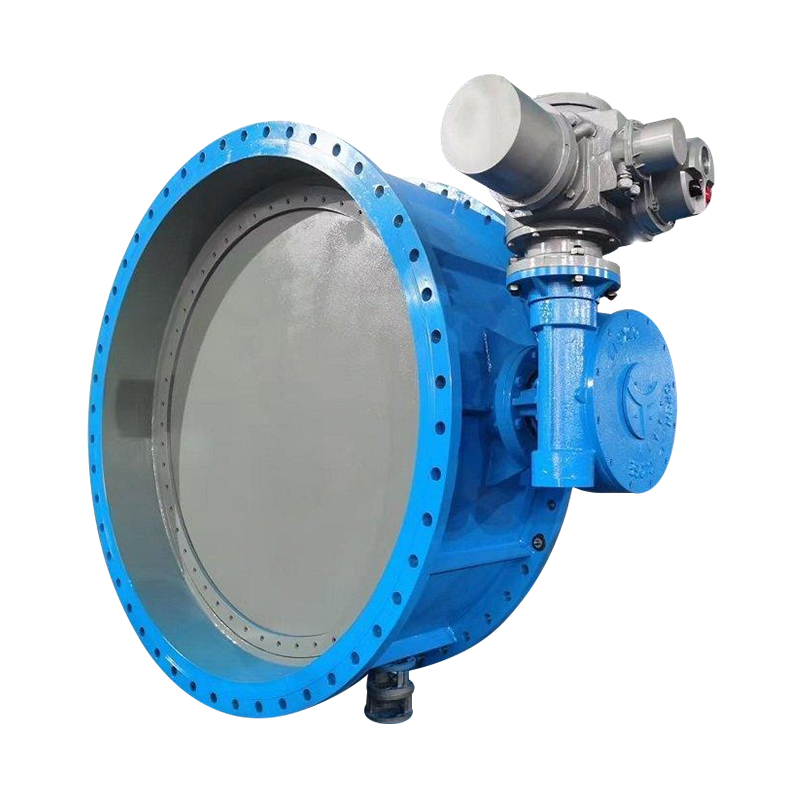
Butterfly valves are widely used in pipelines to regulate flow efficiently and with minimal pressure drop. An ANSI Butterfly Valve Manufacturer plays a critical role in producing valves that meet standard specifications while maintaining durability and operational reliability. Understanding the function, design, and production process of these valves can help industries make informed sourcing decisions.
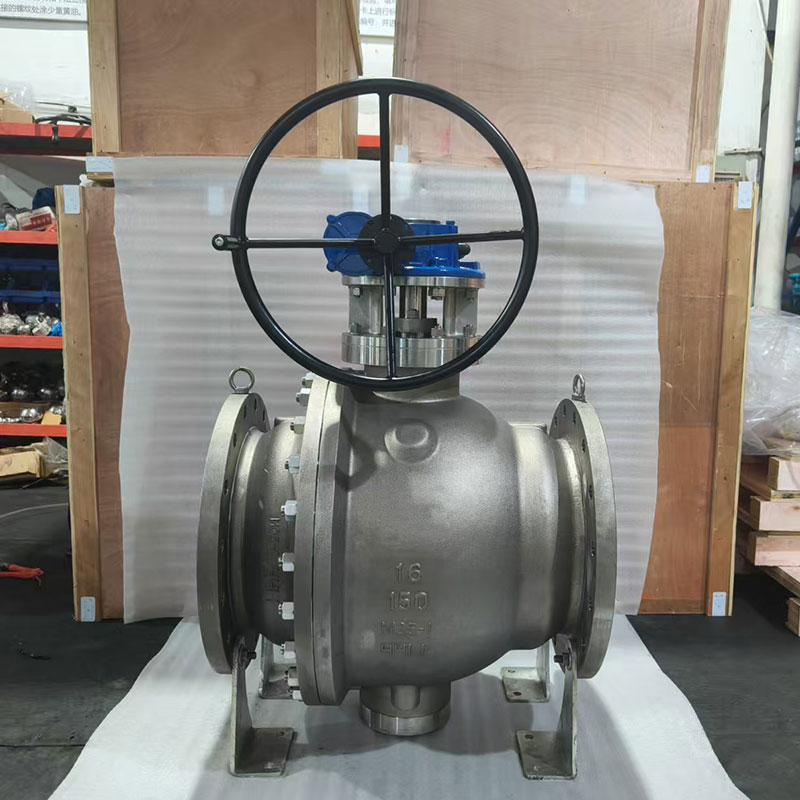
An ANSI butterfly valve is a type of quarter-turn valve that uses a rotating disc to control fluid flow. These valves comply with American National Standards Institute (ANSI) specifications for dimensions, pressure ratings, and materials. By adhering to these standards, an ANSI Butterfly Valve Manufacturer ensures compatibility with other pipeline components and consistent performance under varying conditions.
Butterfly valves are commonly used in water treatment, chemical plants, HVAC systems, and industrial pipelines. Their simple design allows quick operation, ease of maintenance, and cost-effective installation.
The performance of an ANSI butterfly valve heavily depends on material selection. A professional ANSI Butterfly Valve Manufacturer often offers valves with bodies made from cast iron, ductile iron, stainless steel, or carbon steel. The disc and seat materials are chosen based on operating conditions, including temperature, pressure, and fluid type.
Sealing materials such as EPDM, PTFE, or NBR ensure minimal leakage and resistance to corrosion or chemical reactions. The combination of durable body and resilient sealing helps extend service life while maintaining reliable performance.
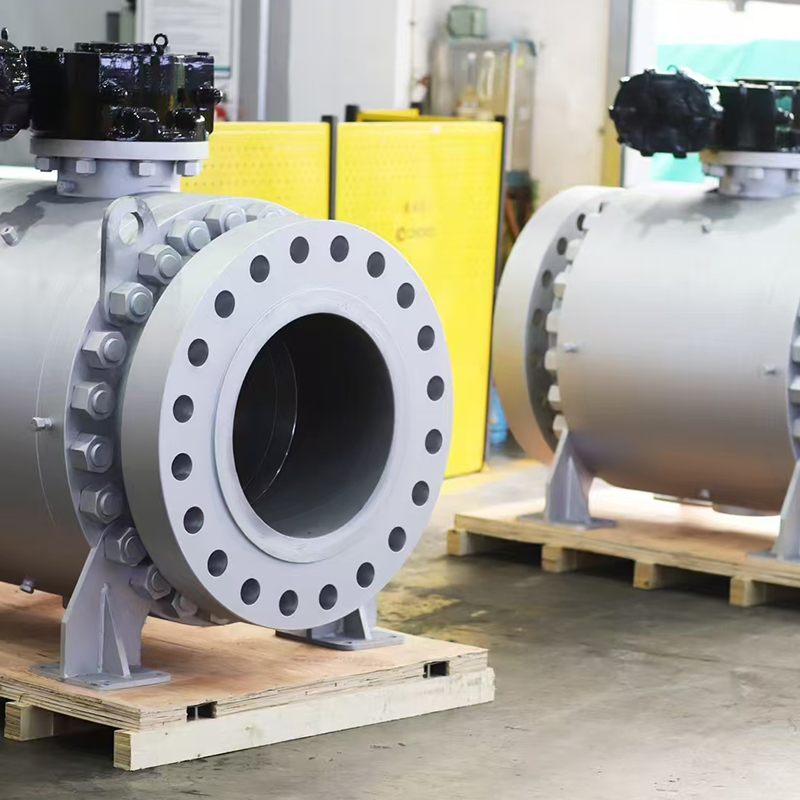
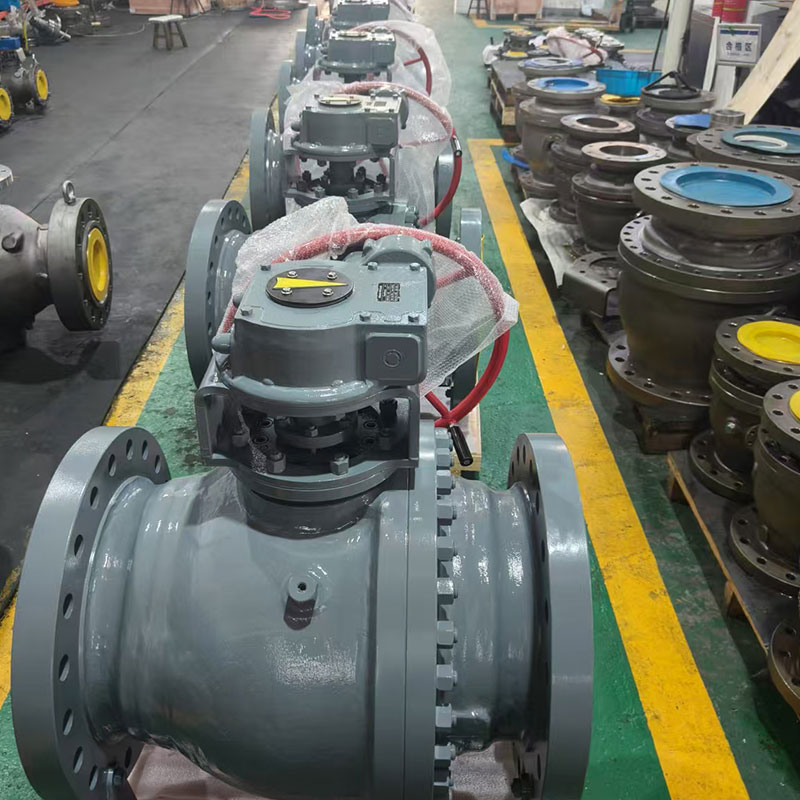
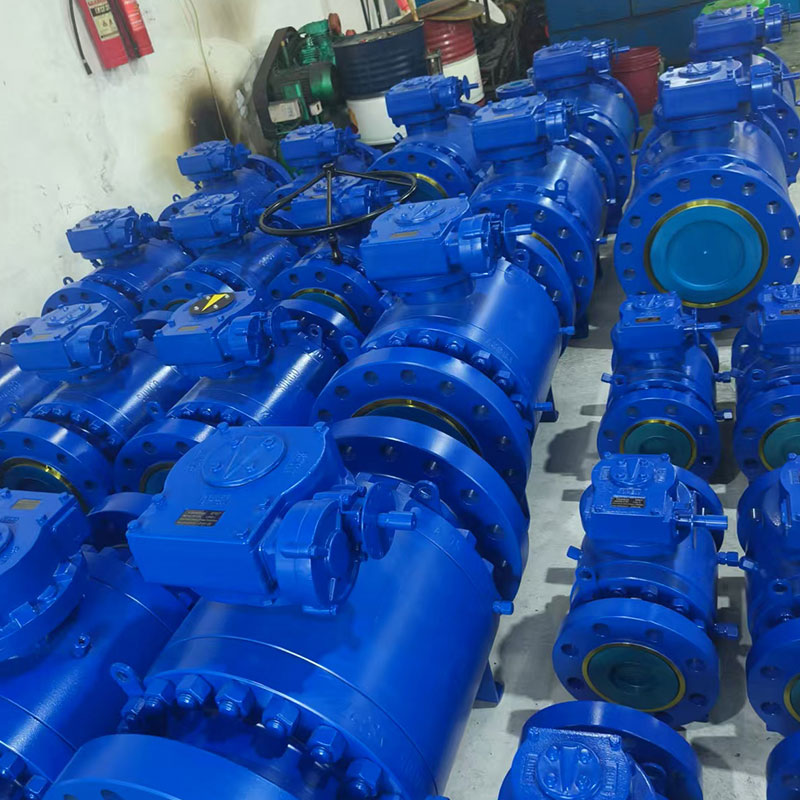
Inside an ANSI Butterfly Valve Manufacturer facility, production begins with casting or forging the valve body. Components are machined to precise dimensions to ensure smooth operation. Discs and stems are manufactured separately and tested for alignment and tolerance.
Assembly includes inserting the seat, installing the disc, and connecting the stem with the actuator or handle. Quality control checks for surface finish, dimensional accuracy, and pressure testing are standard before the valves leave the factory. These steps ensure that each valve meets ANSI standards and performs consistently in the field.
Many clients require customized solutions. An ANSI Butterfly Valve Manufacturer may offer different sizes, pressure ratings, or actuator types to match specific system requirements. Customized coatings or materials may also be applied for resistance to high temperatures, aggressive chemicals, or abrasive fluids.
These valves are used across various industries. Water treatment facilities rely on them for flow regulation, chemical plants use them for corrosive media, and HVAC systems employ them for temperature and pressure control. The adaptability of these valves makes them suitable for multiple industrial applications.
Butterfly valves are designed for durability and low maintenance. Routine inspection involves checking seals, stem connections, and actuator operation. An experienced ANSI Butterfly Valve Manufacturer provides guidelines for maintenance schedules and recommended spare parts, helping operators maintain reliability over the life of the valve.
Choosing a professional ANSI Butterfly Valve Manufacturer ensures access to consistent product quality, technical guidance, and compliance with industry standards. Manufacturers can provide advice on valve selection, installation practices, and maintenance considerations, which is especially useful for large projects or complex pipeline systems.
An ANSI Butterfly Valve Manufacturer plays an important role in supplying durable and reliable valves that meet standardized specifications. By focusing on materials, manufacturing processes, customization options, and maintenance guidance, these manufacturers help industrial operators maintain efficient and safe fluid control systems. Understanding their role and capabilities enables businesses to select valves that suit their operational needs and long-term requirements.