русский
 عربى



A pipeline carrying flammable gas, toxic liquid, or corrosive chemicals leaves little room for guesswork when a section has to be opened. A valve that looks closed on the control panel can still pass fluid, and the person holding the wrench is the one who pays for that mistake. Isolation planning starts from that reality.
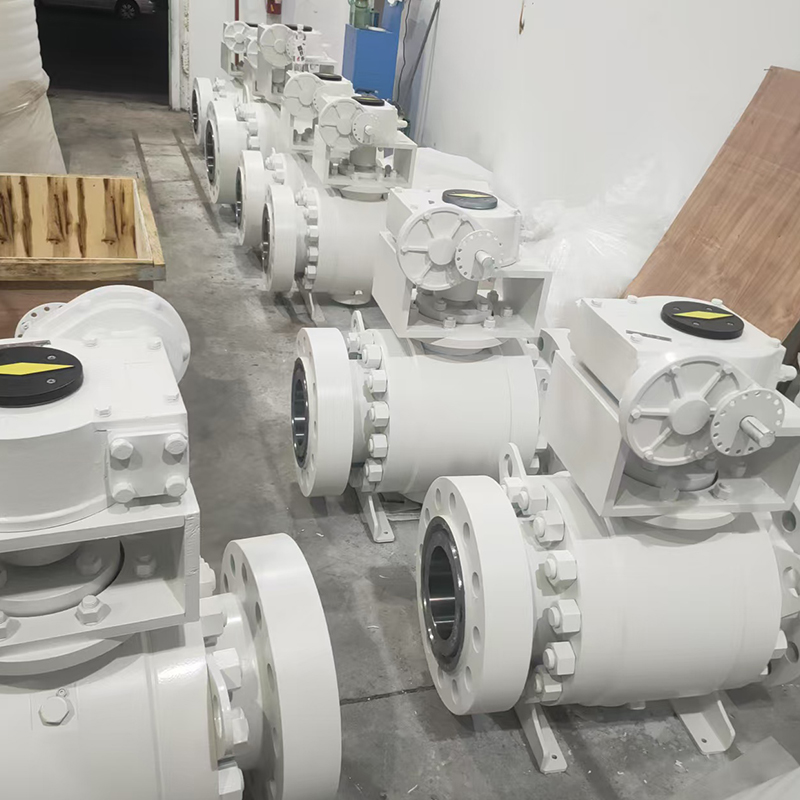
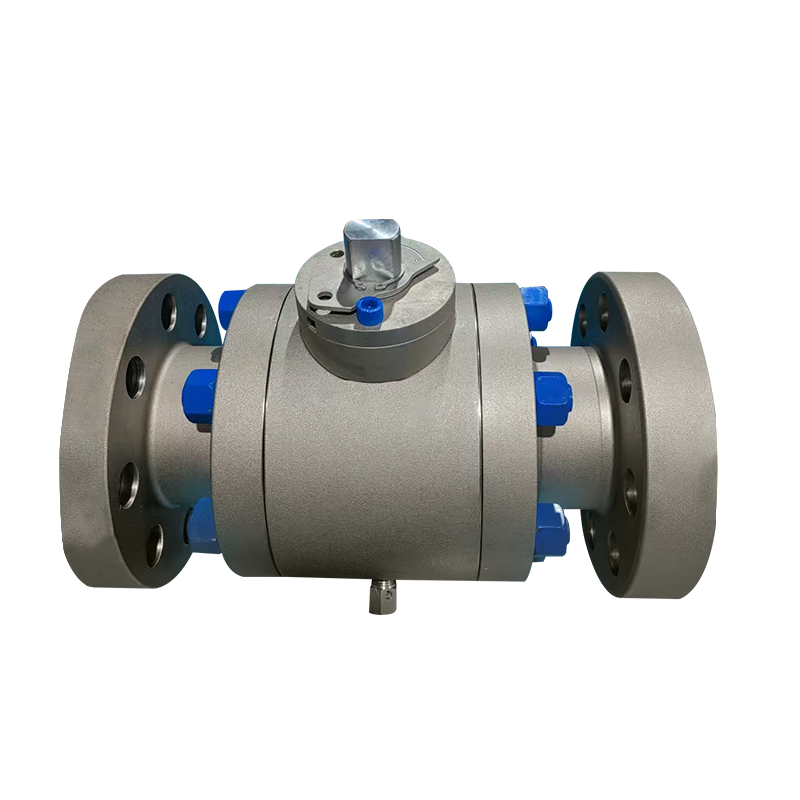
A double block ball valve combines two sealing barriers in one body. Many designs also include a connection to the space between the barriers, so crews can check for leakage or release pressure under an approved procedure. Oil and gas sites, LNG projects, petrochemical plants, offshore platforms, and tank farms rely on this layout. Its benefit depends on seat condition, pressure, materials, installation, and the procedures around it.
Each hazard behaves differently. Flammable fluids can ignite near a spark, toxic substances harm workers through inhalation or skin contact, and corrosive media attack equipment and structures. High pressure adds force to any release.
Maintenance raises the stakes. A closed valve stops normal flow, yet fluid or pressure can stay trapped in the section, and leakage across the seat can send process medium to a place where crews expect a dry line.
Typical isolation concerns include:
A pressure ball valve can be part of the answer. Its name does not prove suitability for hazardous service, so engineers confirm the rating, temperature range, materials, and sealing arrangement, then define how crews verify the line is safe.
Each barrier restricts flow across the valve, so two barriers give an extra separation point compared with a single seal. Layouts differ between manufacturers, and the drawings should show how the valve forms and holds its barriers.
The space between them matters. If a vent or drain connection is built in for this purpose, operators can see whether fluid or pressure is building there. Pressure found in that space suggests a seat is not holding, and the crew should follow site procedure instead of treating the second barrier as a reason to skip checks.
| Valve Feature | Potential Benefit |
|---|---|
| Two barriers | Two points intended to restrict process flow |
| Intermediate cavity | Monitoring or pressure management where designed |
| Vent or drain connection | Controlled checking or release under procedure |
| Seat sealing system | Separation between process and isolated area |
| Operating mechanism | Moves the valve to the required position |
Seat damage, debris, wrong materials, or operating errors can still affect performance. Terminology needs care as well. A DBB ball valve normally means two blocking barriers plus a way to bleed the space between them, but wording varies, so specifications should describe the functions required.
Technicians may replace an instrument, inspect a flange, or remove a pump. If isolation fails, hazardous fluid reaches them without warning.
The advantage lies in a more controlled process. Two barriers plus a checkable cavity give crews information before they break containment. Lockout, fluid removal, and verification steps still apply.
A practical sequence:
A closed position alone never proves a pipeline is safe to open.
Seats form the seal around the ball. A worn, dirty, or unsuitable seat can leak even when the handle sits in the closed position. Hazardous lines may attack elastomers, polymers, or metals differently, and temperature swings and particles change seat behavior too.
Pressure can differ on each side of the valve and also build inside the cavity. Some designs relieve cavity pressure toward a chosen side, while others use another method, so behavior comes from the design, not the valve category.
| Selection Factor | Why It Matters |
|---|---|
| Seat and seal materials | Must suit the process medium |
| Pressure rating | Must match operating and design conditions |
| Temperature range | Affects material properties and sealing |
| Flow direction | May change how seats function |
| Cavity pressure | Managed according to valve design |
| Leakage requirement | Should match the isolation duty |
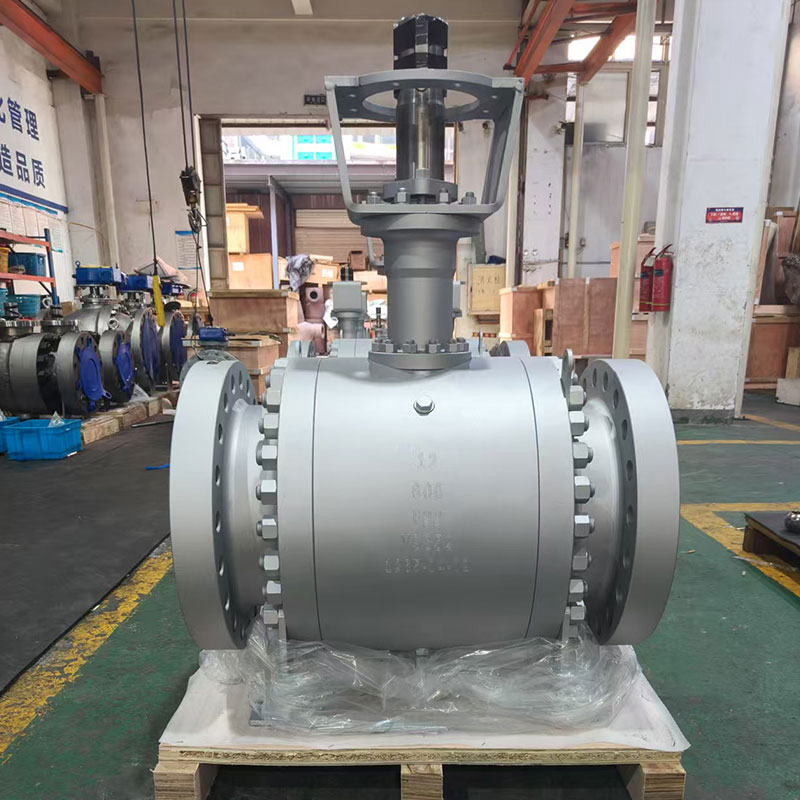
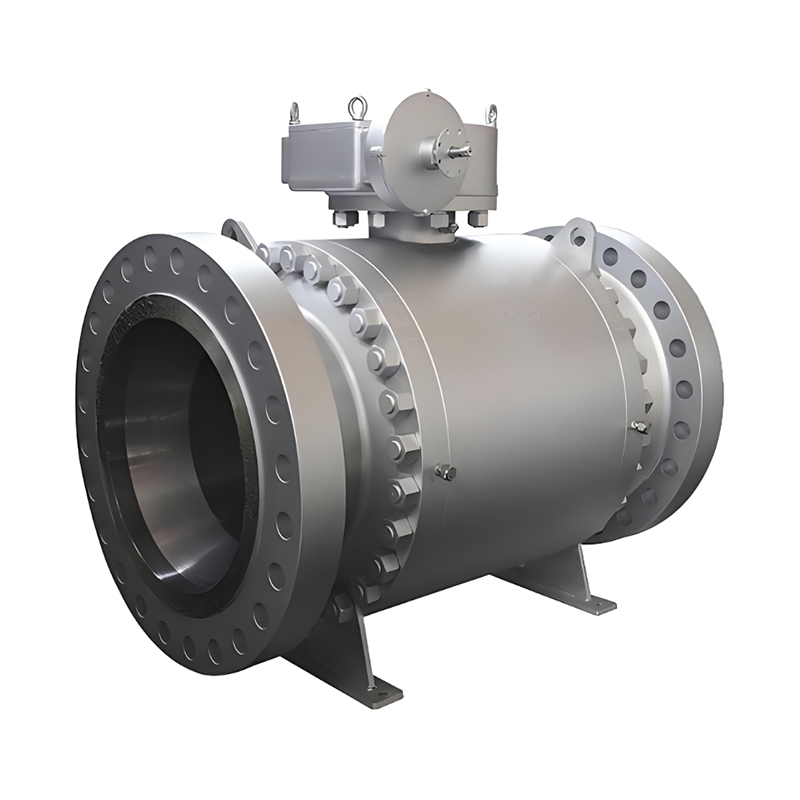
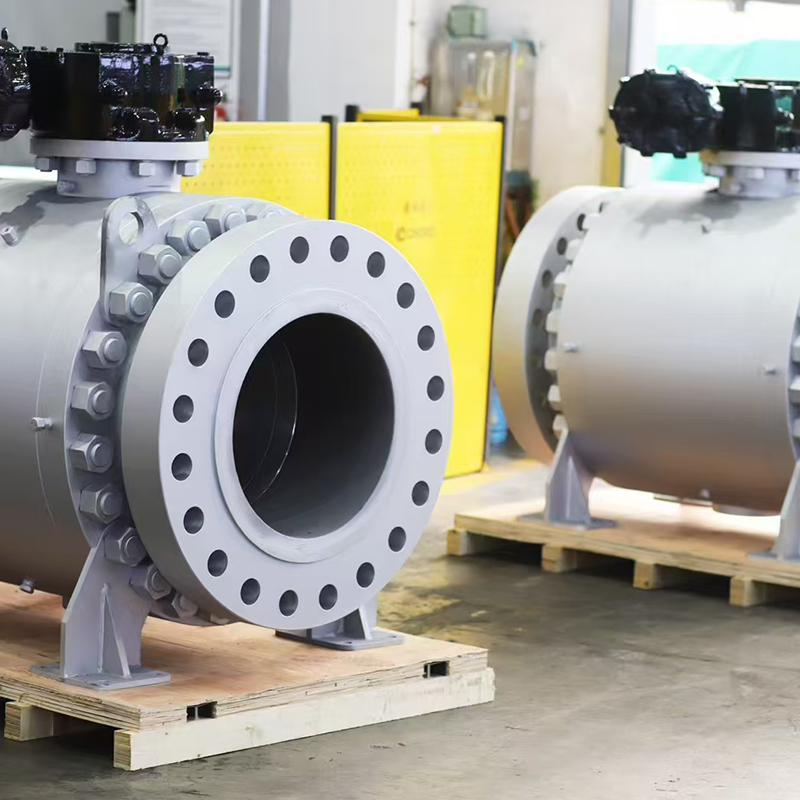
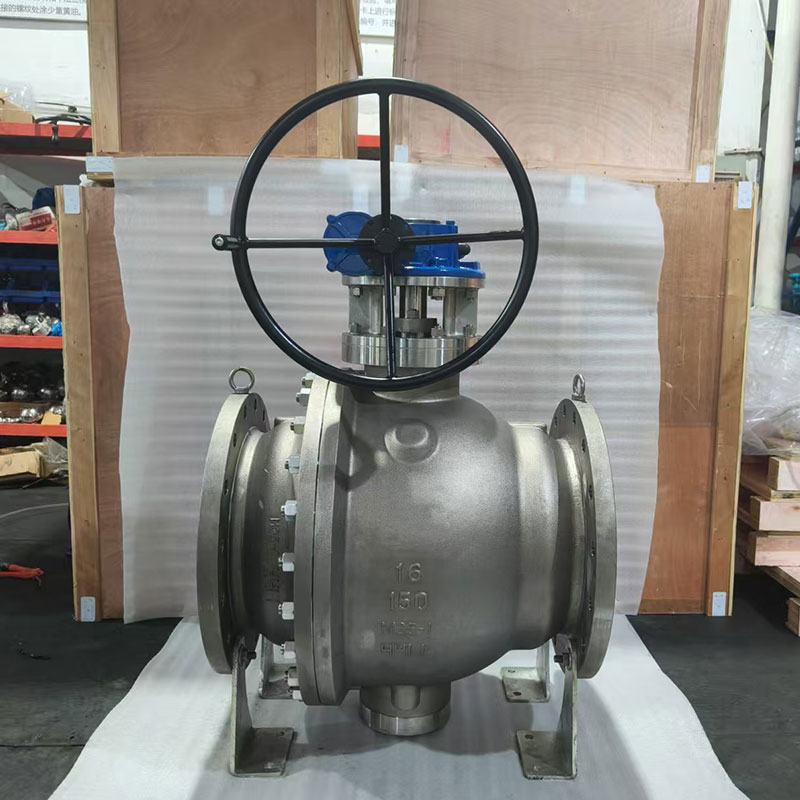
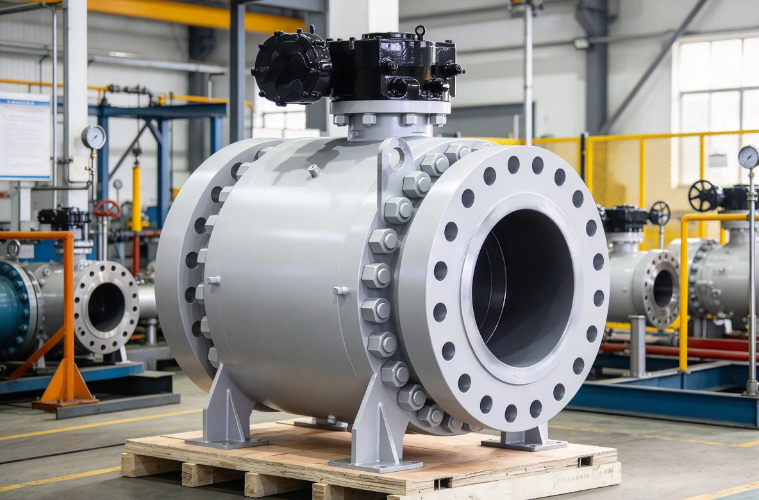
A trunnion type ball valve holds the ball with a fixed mounting arrangement, which suits some larger or higher-pressure services. It is not automatically a double block ball valve, so seat arrangement and stated isolation function need separate checks. A high pressure rating likewise says nothing alone about leakage performance.
Oil and gas sites isolate branches, pumps, and storage connections. LNG work adds low-temperature demands on bodies, seats, and seals, so a valve for general hydrocarbon service should not be assumed suitable. Petrochemical plants handle corrosive, toxic, or reactive fluids, and offshore decks and tank farms add tight spaces and difficult access.
Fire-safe design follows a defined test standard, yet it is separate from double isolation and cavity pressure management. Actuators bring their own questions:
A closed-position signal does not prove the seats are sealing, so extra verification may be needed.
Specifications should name the required arrangement: double block only, double block and bleed, or double isolation and double relief. Operating conditions and expected leakage performance belong in the same document.
Review these areas with suppliers:
OEM customization suits special connections or materials, provided it is reviewed against isolation performance. Export projects often need inspection and shipping records agreed before production. Engineering, operations, and safety staff should join the review.
Wear, corrosion, and contamination change sealing over time. Routine checks of external condition, leakage signs, operating feel, actuator function, and fittings catch trouble early, and qualified personnel assess anything unusual.
A functional operation check does not confirm seat sealing, and a pressure test proves only what its scope covers. Maintenance records of leaks, repairs, and test results help engineers decide on repair or replacement. Any defect that could affect hazardous service should be corrected before the valve is trusted for critical isolation.