русский
 عربى



A maintenance crew pulls a valve from a pipeline and finds one seat polished smooth on one side while the opposite edge looks scored and thin. The valve still opens and closes, yet it no longer shuts off cleanly. In a fixed ball valve, the ball is held on supports while the seats press against it to seal, so seat condition largely decides how long the valve serves. Uneven wear rarely has one cause. Pressure, alignment, particles in the medium, material choice, and handling habits often act together.
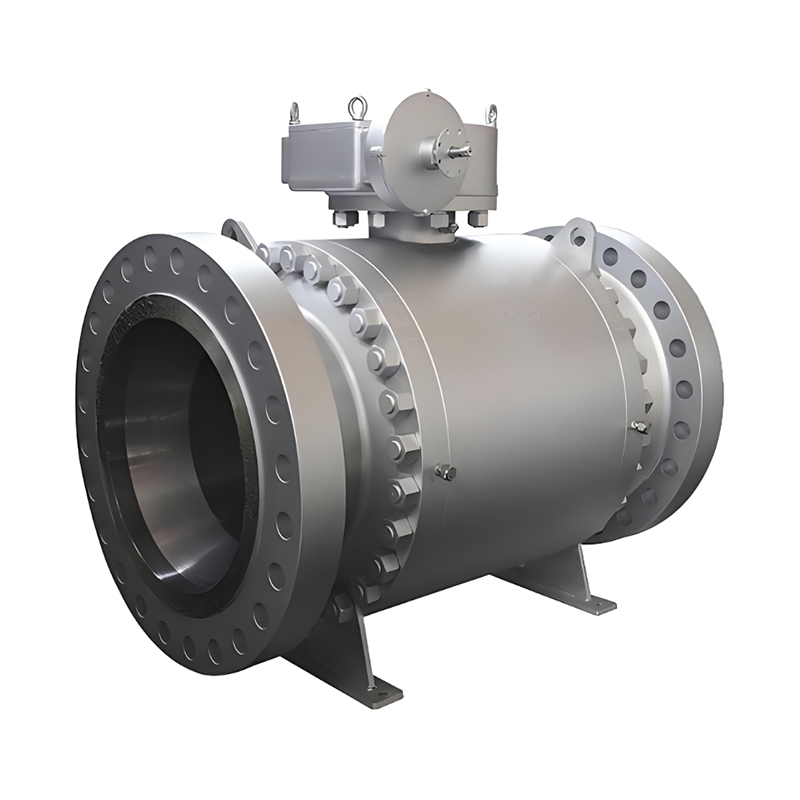
The ball sits on a support structure inside the body and turns to open or close the flow path. The seats press against the ball to form the seal. Each seat has two jobs: it must keep contact when the valve is shut, and it must let the ball rotate without too much drag.
Unlike a floating design, where the ball can shift slightly under line pressure, a fixed design limits ball movement, and the seats respond to the conditions inside the valve. In many designs, pressure helps push the seat toward the ball to support sealing. If that contact is not spread evenly, one part of the seat takes more friction and load than the rest, and a wear pattern forms over time.
| Component | Function |
|---|---|
| Ball | Controls the flow passage |
| Seat | Forms the sealing contact with the ball |
| Valve body | Houses and supports internal parts |
| Ball support | Holds the ball in position |
| Stem | Transfers motion from handle or actuator |
| Sealing elements | Limit leakage around connected parts |
Ball and seat work as a matched pair. Surface condition, material compatibility, and alignment all shape how they behave over repeated cycles.
Pressure acts on the seats in ways that are not always equal. In some operating conditions, one seat carries a higher load than the other, which raises contact force and friction at that side. If the condition continues for months, the heavier loaded seat wears faster.
Changing pressure adds another factor. A system with frequent pump starts, quick valve closures, or flow adjustments subjects the seats to shifting forces. A pressure surge after a pump trip, for example, can load a seat in a way that routine operation does not.
Pressure differences do not automatically damage a valve. They matter when an uneven wear pattern appears, so reviewing the pressure history of the system helps separate normal duty from unusual events.
| Pressure Condition | Possible Effect on Seat Contact |
|---|---|
| Unequal pressure across the valve | Different loading on each seat |
| Frequent pressure changes | Varying force on sealing surfaces |
| Pressure during shutoff | Changes how seats contact the ball |
| Conditions outside intended range | Loads beyond the design basis |
Seats need to meet the ball in the intended position. If the ball, seats, or supports sit slightly off, contact becomes uneven. A seat that touches harder on one side sees more friction during turning and carries more of the sealing load when closed.
Misalignment can begin during manufacturing, assembly, installation, or later service. Piping is a frequent source. When pipes are unsupported or forced into place, external stress travels into the valve body and can shift internal parts.
Common alignment concerns include:
Checking alignment helps show whether the seat wore because of its own material behavior or because the surrounding assembly changed the contact.
Particles carried by the medium cause another type of uneven wear. Sand, weld spatter, pipe scale, or rust flakes can pass between ball and seat, scratch the sealing face, or lodge in the contact area. Flow tends to carry debris along certain paths, so the damage collects in particular spots instead of spreading evenly.
Type of contaminant matters. Hard particles scratch. Sticky deposits interfere with smooth contact. Fibrous material can prevent the seat from meeting the ball evenly. A valve in a clean water line faces different conditions from one in a system carrying suspended solids.
| Contaminant | Possible Seat Concern |
|---|---|
| Hard particles | Scratching or surface damage |
| Sediment | Localized contact interference |
| Sticky deposits | Uneven sealing contact |
| Fibrous material | Debris trapped near the seat |
| Corrosion products | Surface changes and restricted movement |
Contaminants do not mean a valve is unsuitable. They mean fluid cleanliness, filtration where appropriate, and flushing after pipe work should be part of system planning.
Seat material must suit the medium, temperature, pressure, and frequency of operation. Some materials stay flexible and keep contact with the ball, while others resist abrasion or handle higher temperatures. Each behaves differently under friction and heat.
A seat that softens too much may deform and wear in a localized pattern. A material that is too rigid for the contact arrangement may fail to seal evenly. The pairing with the ball surface also matters, since the two rub together during every turn.
Questions worth asking include:
Selection should rest on the whole application, not on one property alone.
Ball, seats, and body respond differently to temperature. A polymer seat may expand, soften, or lose stiffness, while metal parts change size at a different rate. If design did not account for these shifts, contact becomes less consistent.
Frequent operation adds cycles. Each turn brings ball and seat into contact under changing conditions, and a valve that cycles all day wears differently from one operated twice a month. Misuse matters as well. Using a shutoff valve to throttle flow can expose the seats to high-velocity flow and partial opening for which they were not intended. Follow the manufacturer’s instructions on operating method.
| Factor | Possible Effect |
|---|---|
| Repeated opening and closing | More contact cycles |
| Temperature variation | Changes in dimensions and material behavior |
| Long demanding service | Gradual change in seat shape |
| Use outside intended function | Unsuitable contact conditions |
| Inconsistent operation | Changing loads on the seats |
Operating history helps maintenance teams tell ordinary wear from damage linked to unsuitable use.
A well-designed valve can still suffer from poor handling. Dropped components, wrong assembly, unsuitable cleaning, or careless storage can damage seats before service begins.
During installation, align and support the piping so the valve is not forced into position. During maintenance, reassembly errors can change the original contact arrangement, and scratches from the wrong tools can mark the ball or seat. Inspection should look beyond visible leakage, because early wear often shows up as a change in operating feel or an altered appearance of the sealing surface.
Useful practices include:
Intervals should reflect the application. A valve handling abrasive media or frequent cycling needs a different inspection approach from one in gentle service.
Replacing a worn seat without finding the cause often produces the same pattern again. Start with where the damage sits. Wear concentrated on one side suggests uneven loading or alignment. Scratches point to particles. Changes in seat shape suggest temperature, pressure, or material compatibility issues.
A structured review can follow these steps:
Buyers can help the supplier by sharing the medium, operating conditions, valve function, and the observed wear pattern. Manufacturers can use this feedback to review material selection, component support, assembly control, and inspection procedures. A fixed ball valve should be assessed as part of its system, since seats, ball, body, medium, installation, and operating routine all affect one another.