русский
 عربى



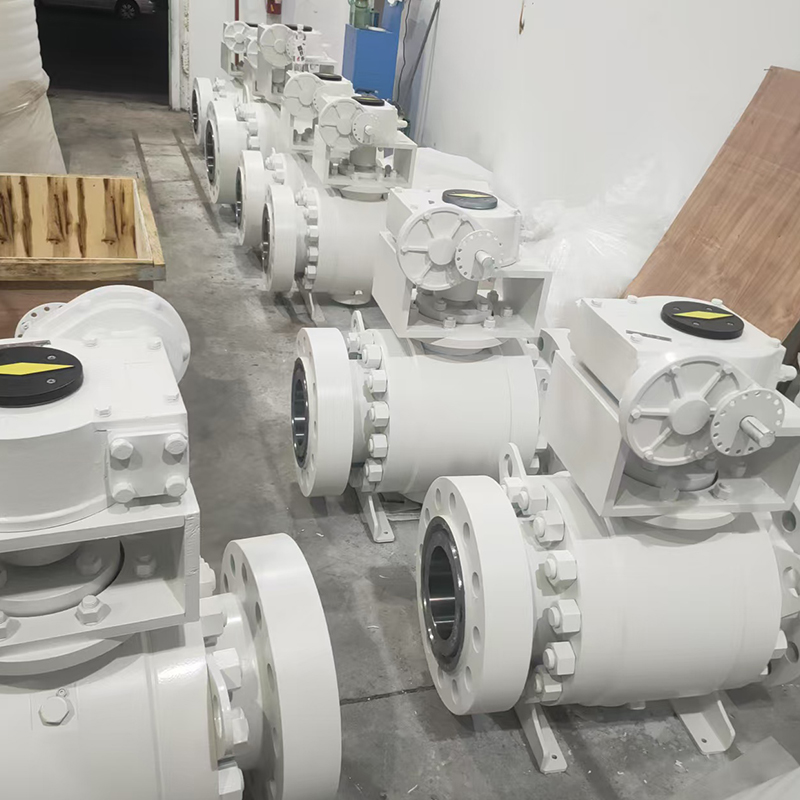
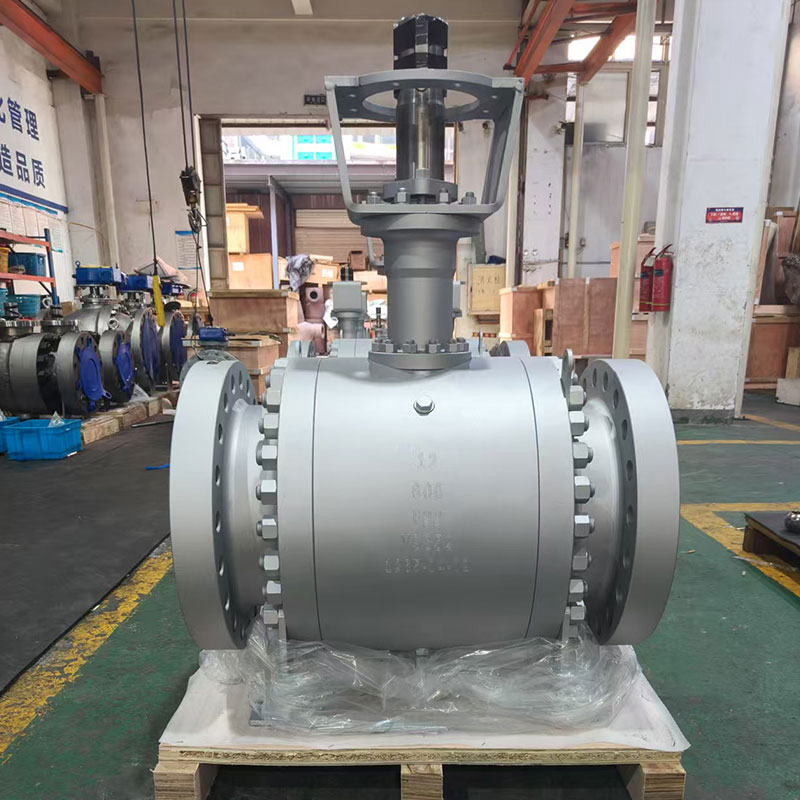
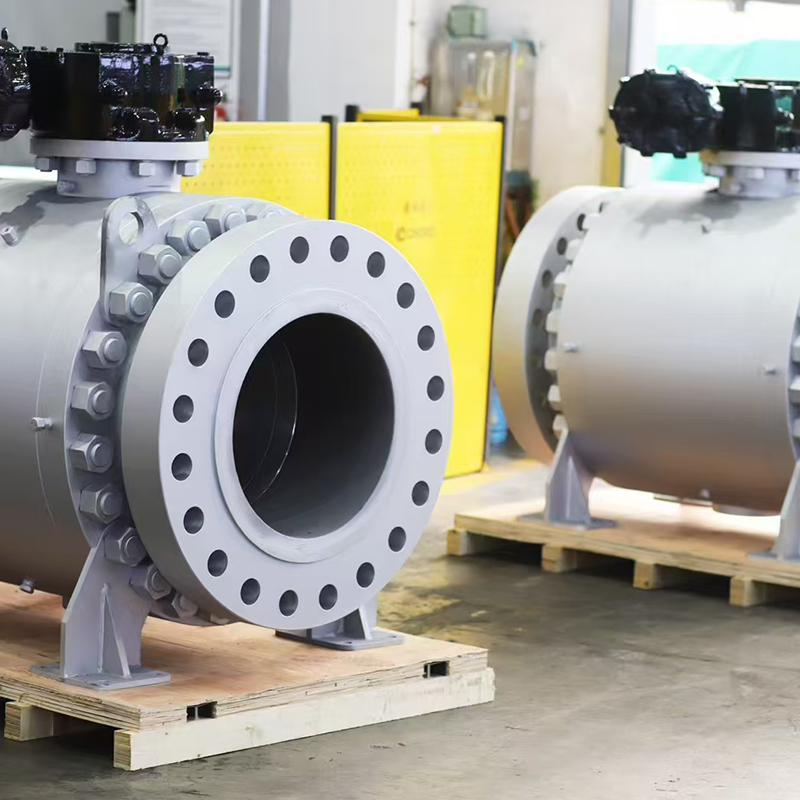
A pipeline valve is easy to overlook when everything is running normally. The situation changes when a section of an oil or gas line needs to be isolated for inspection. Operators expect the valve to close properly, hold the required pressure, and open again without unnecessary resistance. Trunnion Type Ball Valves are commonly used in these applications because their ball is supported by mechanical trunnions instead of moving freely under fluid pressure. This construction helps control the load on the seats and makes the operating mechanism easier to size for large pipeline installations.
There is a practical reason behind this design. As valve size and operating pressure increase, the forces acting on internal components become harder to manage. The way a ball is supported can therefore make a real difference to how the valve behaves during everyday operation.
A trunnion type ball valve is a quarter-turn valve. Its ball contains a passage that allows fluid to flow when aligned with the pipeline. A rotation of the stem changes the position of the ball, opening or blocking that passage.
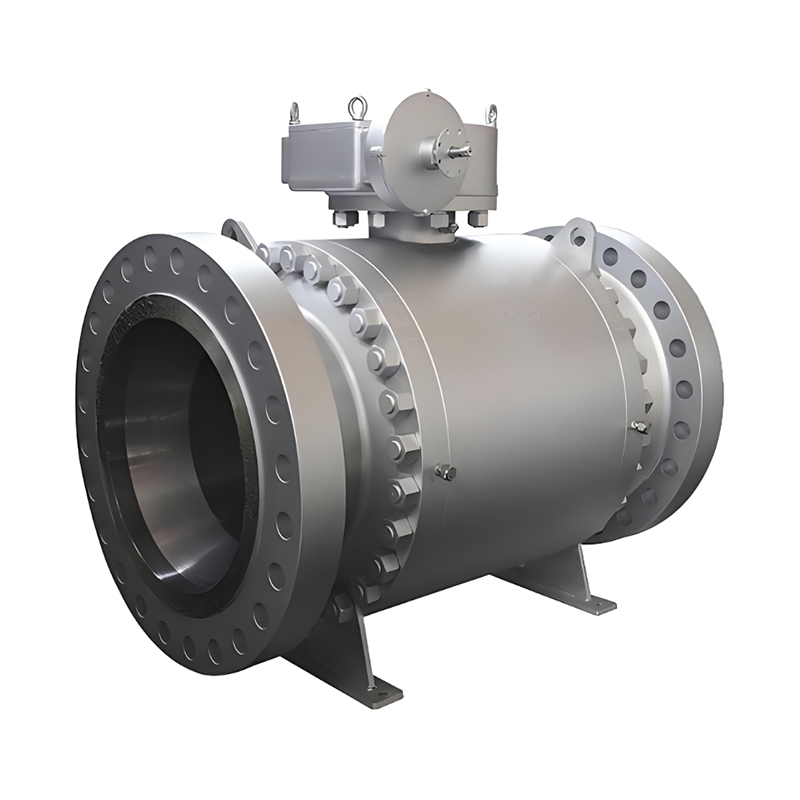
The key feature is the support arrangement. Upper and lower trunnions hold the ball in place, while the seats move toward its surface to create a seal. The body contains the pressure, the stem transfers movement, and bearings support rotation.
Imagine an operator closing a valve at a pipeline station. The actuator turns the stem, the ball rotates across the flow passage, and the seats make contact with the ball surface. The ball itself remains supported throughout the movement.
A floating ball valve works differently. Fluid pressure pushes its ball toward the downstream seat, creating the sealing contact. In a trunnion design, mechanical supports restrict this movement and carry much of the ball load.
That difference affects friction, seat loading, and operating torque. It explains why trunnion-mounted valves are often considered when pipeline dimensions and pressure conditions place greater demands on valve construction.
A larger valve opening means a larger ball surface exposed to fluid pressure. The supporting structure must handle the resulting forces without allowing unwanted movement. High pressure adds further demands on the seats, stem, bearings, and body.
Trunnion construction gives the ball a defined support path. Rather than relying on the downstream seat to support its movement, the ball transfers much of its load through the trunnions and into the valve structure.
When pressurized fluid enters the valve, it pushes against the ball. In a floating design, this force moves the ball toward the downstream seat. The additional contact pressure may increase friction at the sealing surface.
With a trunnion-mounted ball, the upper and lower supports restrict axial movement. The seats can focus on maintaining contact and preventing leakage instead of carrying the ball's supporting load.
This distinction becomes useful in high-pressure service. It helps manage the mechanical forces inside the valve and reduces pressure-related loading on the sealing components.
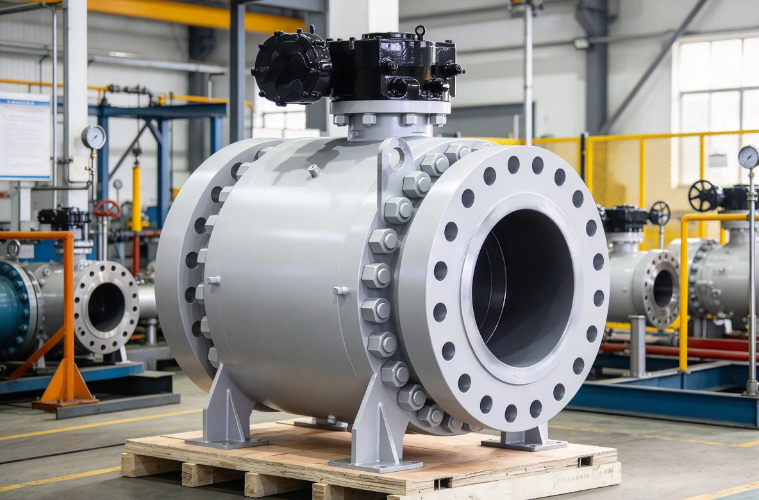
Consider a natural gas pipeline where a large valve is installed for isolation. It may stay open during normal transportation, but operators still need to close it when maintenance is required.
If the ball presses heavily against the downstream seat, friction can make the valve harder to operate. The actuator then needs more torque to complete the movement.
Trunnion support helps control this condition. It does not remove the need for torque calculations, but it provides a structure that can make operation more manageable as valve size increases.
A valve body may meet the required pressure class, but the internal components must also suit the service conditions. Ball support, stem strength, seat design, and sealing materials all influence performance.
Before specifying a valve, engineers should review:
Looking only at the pressure rating can leave important questions unanswered. The complete assembly needs to match the pipeline's operating conditions.
A valve does not operate in a laboratory environment after installation. Pressure changes, repeated operation, temperature variations, and fluid properties all affect the internal parts.
Many trunnion ball valves use spring-loaded seats. The springs provide initial contact with the ball, while fluid pressure may add sealing force depending on the seat arrangement.
This helps maintain contact when pipeline conditions change. The actual sealing behavior depends on the seat design and the direction of pressure.
Soft seats are commonly considered where tight shut-off is required and the temperature and fluid are compatible with the material. Metal seats may be selected for applications involving abrasive particles or demanding temperatures.
Repeated opening and closing can gradually affect the sealing surfaces. If the ball and seats do not maintain suitable contact, leakage or changes in operating torque may occur.
The trunnion structure helps restrict unwanted ball movement, but it cannot prevent every form of wear. Surface finish, bearing condition, material selection, and assembly quality also matter.
Maintenance personnel should pay attention to unusual operating resistance and leakage around the valve. A change in actuator behavior may also indicate that internal inspection is needed.
Both valve types use a rotating ball to control fluid flow. Their support arrangements make them suitable for different operating conditions.
| Comparison | Trunnion Ball Valve | Floating Ball Valve |
|---|---|---|
| Ball support | Upper and lower trunnions | Valve seats |
| Ball movement | Restricted axial movement | Moves under fluid pressure |
| Sealing contact | Seats move toward the ball | Ball presses against downstream seat |
| Operating torque | Pressure-related seat loading is controlled | Can increase with pressure |
| Large pipeline applications | Commonly used | Depends on design and size |
| Typical service | Transmission and industrial pipelines | General process and utility systems |
A trunnion ball valve may be suitable when the pipeline has a large flow passage, substantial pressure loading, or specific actuator requirements. It can also be configured for isolation duties that require particular seat arrangements.
Floating ball valves remain useful in smaller pipelines and applications where their design meets the required pressure, temperature, and sealing conditions. Their simpler construction may also suit projects with different installation and cost requirements.
The decision should come from the process itself. Fluid type, operating pressure, maintenance access, installation space, and frequency of operation all deserve attention.
Their applications are closely linked to facilities that transport or process fluids under pressure. Each industry has its own material and sealing requirements.
Natural gas and crude oil pipelines use isolation valves at processing plants, storage terminals, and pipeline stations. Trunnion-mounted valves are commonly considered for transmission lines, gas processing systems, and crude oil transportation.
At an isolation station, operators may need to close a pipeline section before inspection or repair. The valve must provide the specified sealing performance under the conditions present at that location.
Chemical processing involves fluids with different compositions and temperatures. Material compatibility is therefore an important part of valve selection.
Carbon steel, stainless steel, duplex materials, and special alloys may be considered according to corrosion conditions. Seat materials must also suit the transported medium and working temperature.
Power plants and manufacturing facilities use valves throughout their fluid systems. Trunnion ball valves may be selected where pressure, pipeline dimensions, and shut-off requirements support their use.
Installation space and actuator access should not be overlooked. A valve that fits the pressure specification still needs to be practical to operate and maintain once installed.
Choosing a valve involves more than matching its nominal size to the pipeline. Several details affect how it performs after installation.
Start with the design pressure and normal operating pressure. Check the working temperature and consider possible pressure changes during operation.
The transported medium matters just as much. Natural gas, crude oil, water, and chemical fluids can require different body materials, seals, and seat configurations.
| Component | Selection Considerations |
|---|---|
| Valve body | Pressure and corrosion resistance |
| Ball | Strength and surface finish |
| Stem | Mechanical loading and material compatibility |
| Seat | Temperature and sealing requirements |
| Bearings | Friction and wear |
| Seals | Leakage control and chemical compatibility |
Seat configuration deserves particular attention. Single piston effect and double piston effect seats respond differently to pressure. Double block and bleed arrangements may be specified when isolation from both sides and cavity venting are required.
The actuator needs enough torque to operate the valve under the specified conditions. Differential pressure, seat friction, and operating frequency all influence the selection.
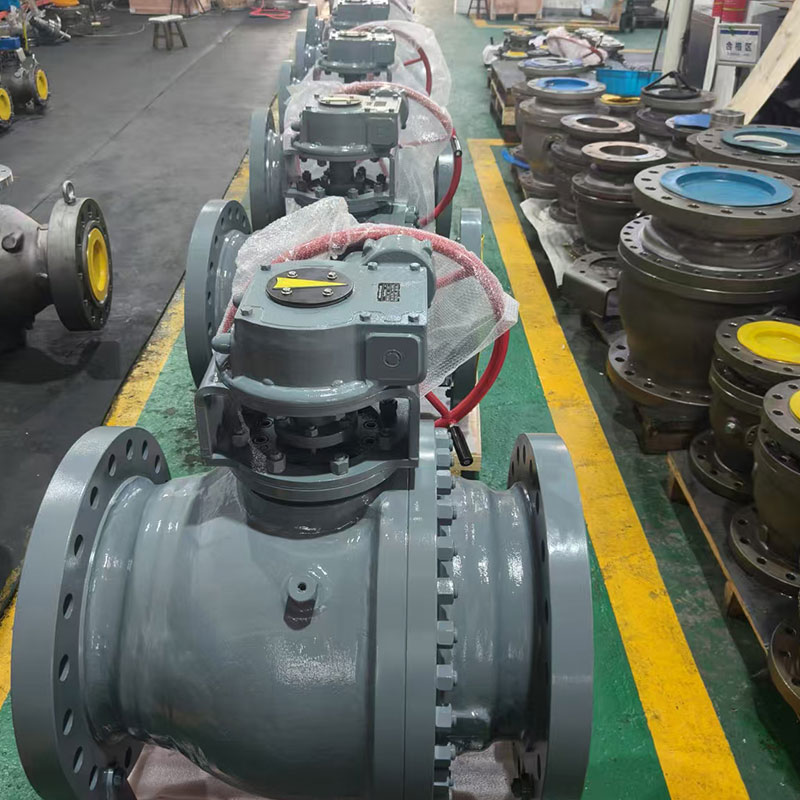
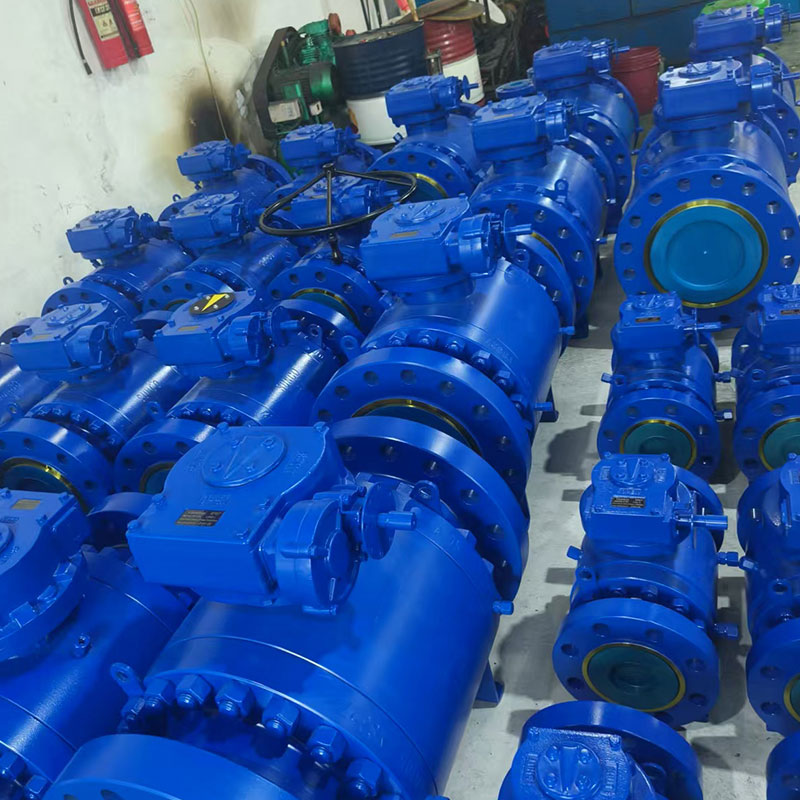
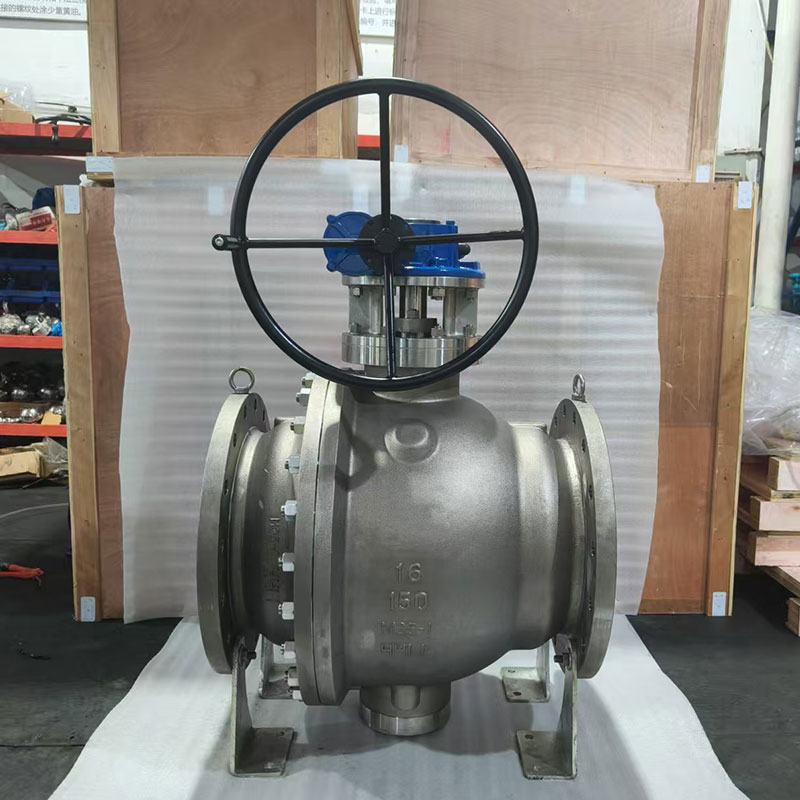
Manual gearboxes, pneumatic actuators, and electric actuators serve different installation needs. Flange dimensions, connection standards, available space, and control requirements should also be checked before procurement.
The condition of internal parts begins with manufacturing. Accurate machining helps maintain proper contact between the ball and seats, while suitable assembly procedures support consistent movement.
Purchasing teams should review material certificates, component inspection records, pressure test results, leakage test records, and operating torque verification before accepting a valve.
After installation, maintenance teams should follow the manufacturer's instructions. Leakage, unusual resistance, and changes in actuator behavior deserve attention. Drain and vent connections can assist maintenance when included in the valve design and used under approved site procedures.
Selecting a valve for a large-diameter or high-pressure pipeline involves several connected decisions. Ball support, seat materials, pressure rating, actuator selection, and fluid conditions all affect the final specification.
If you are planning a new pipeline or replacing existing isolation equipment, prepare the valve size, fluid type, operating pressure, temperature, and sealing requirements before requesting a quotation.
Contact our engineering team to discuss your Trunnion Type Ball Valve requirements. Share your application details and pipeline conditions so the team can review suitable materials, valve configurations, and operating mechanisms for your project.