русский
 عربى



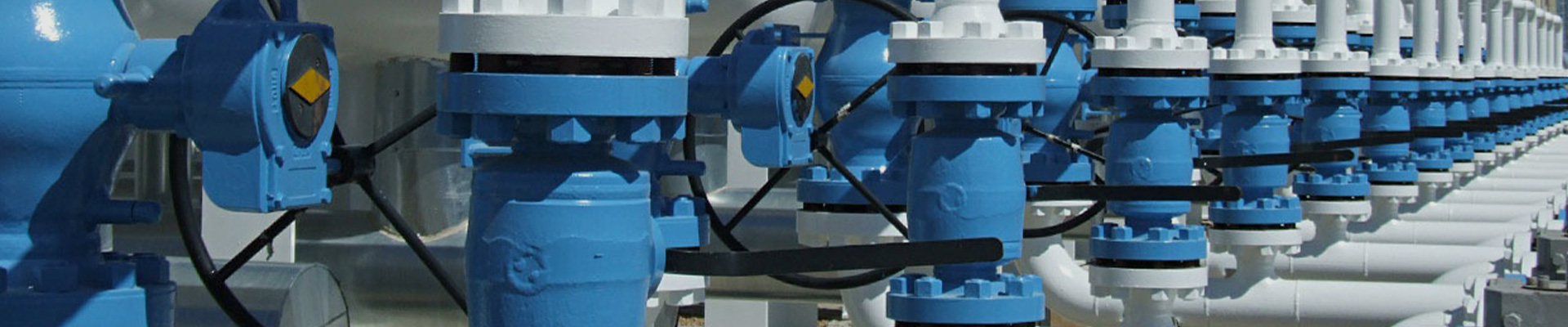
Walk along a pipe rack beside a compressor station and you can feel it through the soles of your boots. The pipes hum, the supports tremble a little, and every valve in the line takes part in the shaking. Over months and years, that constant movement is hard on equipment. A fixed ball valve is one of the designs engineers reach for in oil and gas lines, LNG handling, and chemical plants because its internal structure copes with these loads better than many simpler designs. The reasons are mechanical, and they are worth understanding before anyone writes a specification.
Vibration enters a pipeline from many directions. Pumps and compressors push pulses of pressure into the fluid. Fast flow around bends and tees creates turbulence. A control valve upstream can chatter, and a section of pipe with too few supports can swing like a loose rope. All of it travels along the metal and arrives at the valve.
A valve can pass its tests at commissioning and still suffer later. Repeated loading works at the weak points, which are usually the body connections, the stem and its guide, the bearings, the seats, and the bolts. A stem that moves a little more than it should wears its packing. A bolt that backs off a fraction lets a joint breathe. A ball that shifts under load changes how it meets the seat. None of these faults announces itself loudly. They show up as rising torque, a faint weep at a gland, or a maintenance crew spending more time on one valve than on its neighbours.
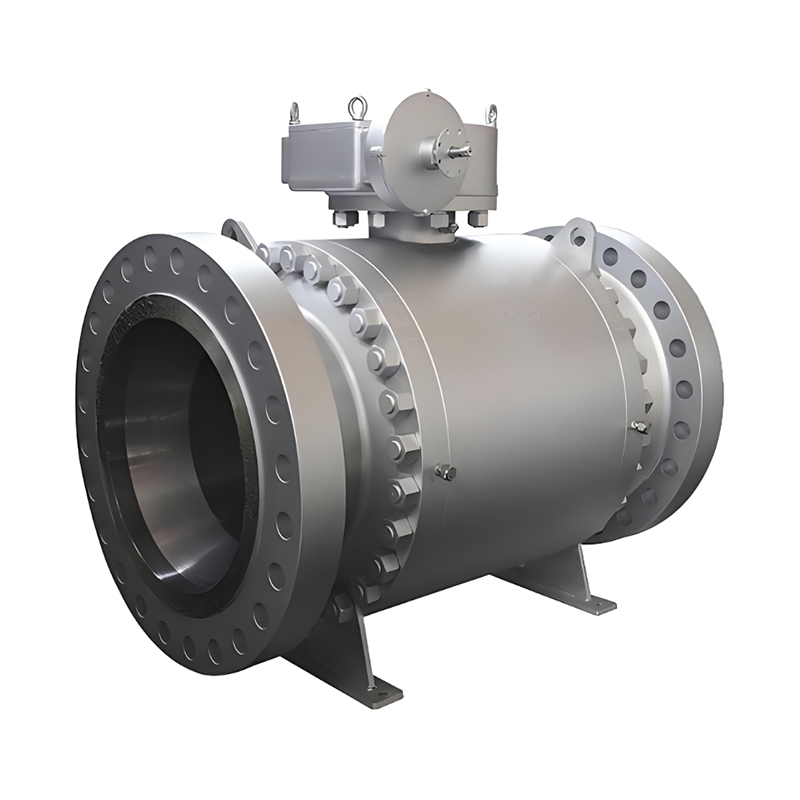
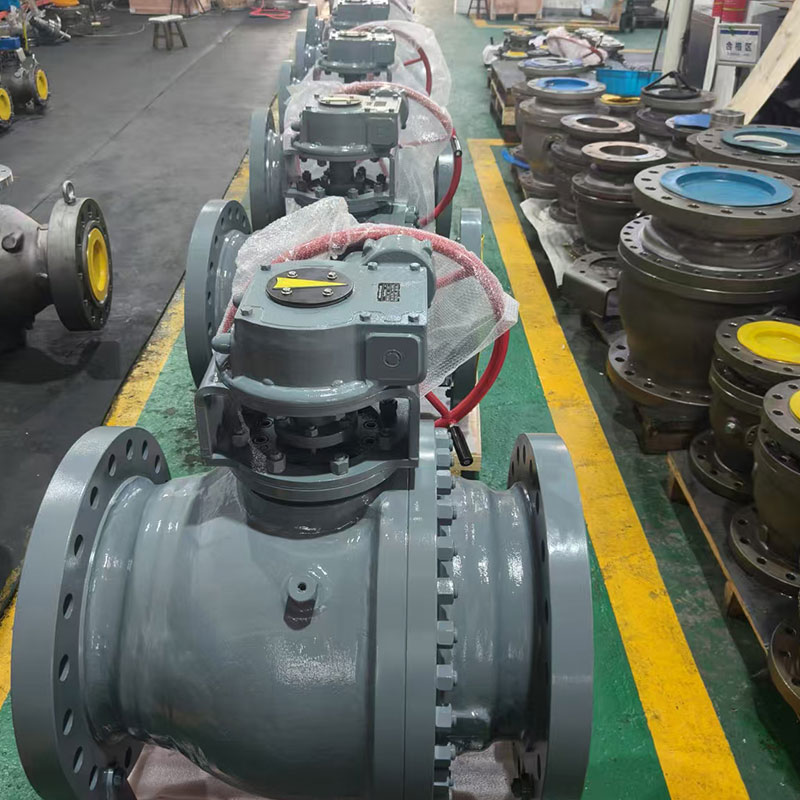
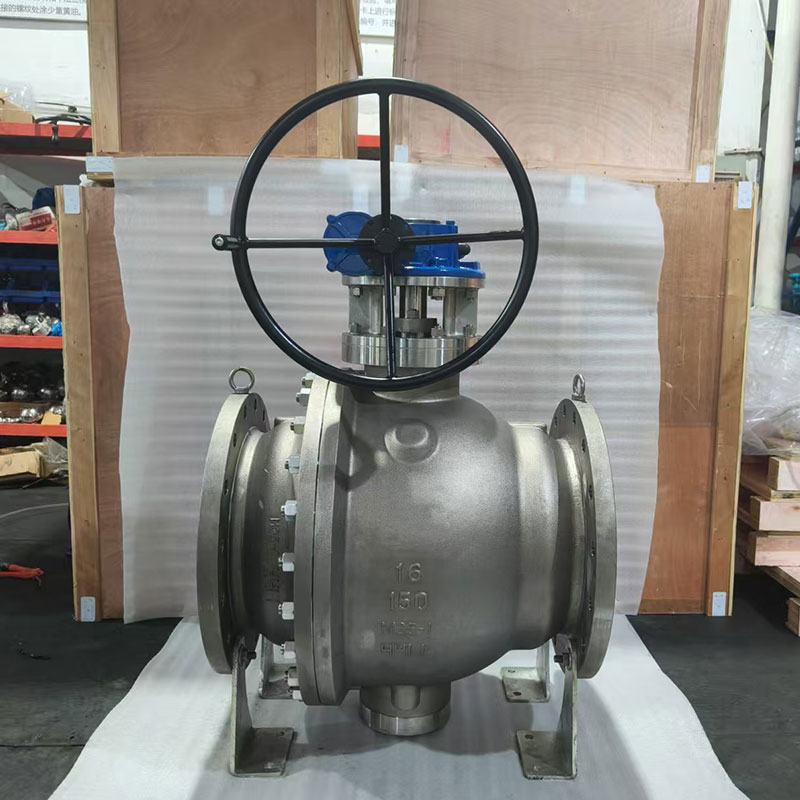
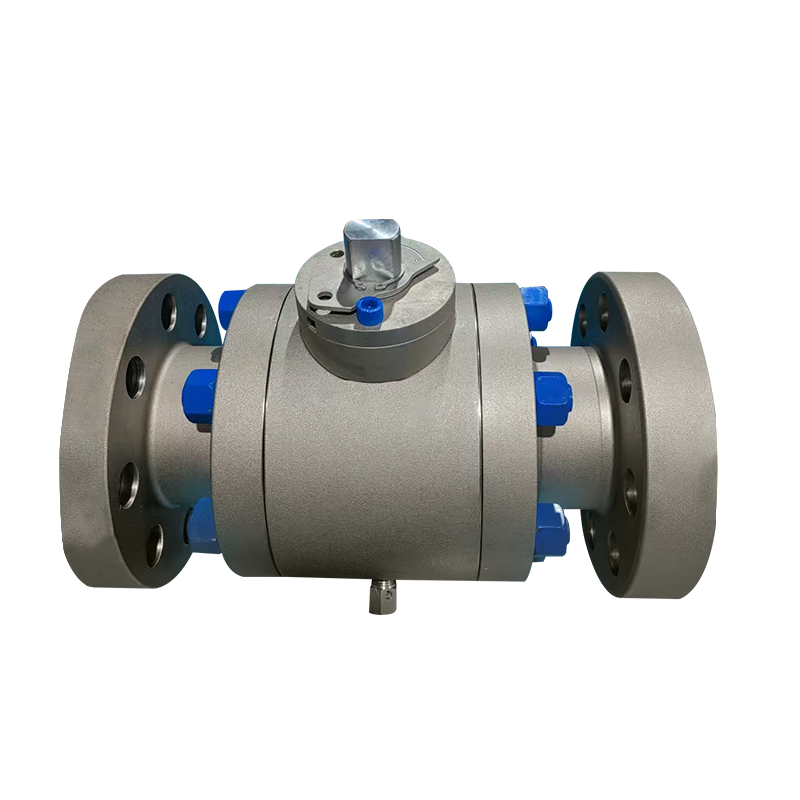
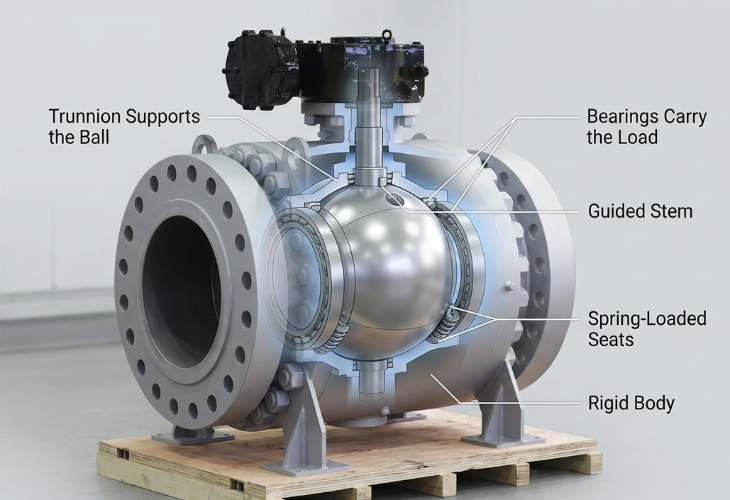
In a fixed ball valve, the ball is held in place by trunnions, which are short shafts above and below the ball. These support the ball along its rotating axis, so it doesn't depend on the seats to carry its weight or the pressure pushing on it. The seats are free to move toward the ball and make contact, and they are usually pushed there by springs, with line pressure adding to the effort.
Compare that with a floating ball valve, where the ball is held by the seats and slides slightly downstream when pressure acts on it. That works well in many services. In larger sizes or higher pressure classes, though, pushing all that load through a seat becomes difficult, and the seat can wear faster. By sending the load through the trunnions and bearings, a fixed ball valve keeps the ball where it belongs and keeps the seats from doing a job they weren't meant to do.
For a vibrating line, steady ball position matters. If the ball, stem, bearings, and seats stay lined up, the sealing contact stays consistent and the operating torque stays predictable.
No single part handles vibration on its own. Each one deals with a share of the problem.
These sit around the trunnions and let the ball turn while carrying its load. Their material and fit depend on temperature, pressure, the fluid, and how they are lubricated. If the clearance is wrong or the surface wears, the ball starts to wobble, and that movement spreads to everything around it. For that reason, precision in machining the bearing seats matters as much as the bearing itself.
The body is the structural shell that holds the internals and takes outside forces from the pipe. Wall thickness, material, and the shape around the end connections all affect how it responds. A rigid body keeps the internal parts aligned. Still, stiffness cannot cancel the effect of a pipe that is poorly supported or pulling hard on the flange. Even a very solid body needs a sensible pipe layout around it.
The stem carries torque from the actuator or gearbox down to the ball, and it also puts up with the vibration passing through the assembly. Good stem design includes adequate diameter, firm guidance, close tolerances at the ball connection, and an anti-blowout arrangement. When a stem has room to move sideways, the packing wears and the actuator alignment suffers. A firmly supported stem rotates smoothly and keeps the gland tight.
Vibration loosens fasteners over time unless they are chosen and tightened properly. The bolts should have suitable strength for the service, mating faces should be clean and prepared, and tightening should follow the manufacturer's procedure. Checking joints during scheduled maintenance catches early loosening before it affects pressure containment.
Spring-loaded seats keep pressing against the ball even when conditions change, which helps seal during startup and low-pressure periods. The seat material has to suit the fluid and temperature, and the sealing surface needs a good finish. Springs do not fix a badly misaligned ball or a damaged sealing face, so they are one part of a larger arrangement rather than a cure.
A well-built fixed ball valve can still have a hard life if the pipework around it is poorly supported. This is the point engineers sometimes overlook. Heavy valves and actuators put weight on the line, and unsupported spans let the pipe flex, which stresses the flanges and the body.
Before commissioning, walk the line and check a few things. Are the supports in the right places, and do they hold the valve's weight without strain on the flanges? Is the valve aligned with the pipe on both sides? Are the actuator and gearbox supported properly, so their weight isn't hanging off the stem? Have all the bolts been tightened in the specified order? These checks take little time, and they prevent many of the problems blamed on the valve afterward.
It also helps to identify where the vibration comes from. Sometimes the answer is a pump that needs balancing or a bend that needs a support, and fixing that does more for the valve than any design change could.
Rating and size are only the beginning. A buyer who looks only at pressure class and end connections misses what makes a valve survive in service.
Start with the environment. Note the temperature range, the fluid, the likely sources of vibration, and how the line is supported. Then look at the valve's construction in that light. Ask how the trunnions are held, what the bearings are made of, how the stem is guided and retained, and how the seats are loaded. Ask about the materials for the body, ball, stem, seats, and fasteners, and whether they match the project specification and the corrosion risk.
A good supplier will answer in terms of your pipeline, not in general brochure language. If the answers are vague, that tells you something.
Design on paper counts for little without careful production behind it. A few stages deserve attention when judging a manufacturer.
Material inspection opens the process. The body, ball, stem, and seat materials should be checked against the project requirements before machining begins. Precision machining follows, because the relationships between trunnions, bearings, stem, and seats determine how the valve behaves under load. Assembly should follow an approved procedure so that every internal part sits where the design places it.
After assembly, pressure testing confirms the valve holds as required, and a functional check confirms smooth opening and closing with sensible torque. Finally, a review of the finished valve and its documents before shipping confirms that what leaves the factory matches what was ordered. A supplier that can walk you through each of these steps usually understands the product well.
Even a sound valve benefits from attention. Maintenance crews can watch for unusual noise or vibration near the valve, a change in operating torque, signs of weeping around the stem or body joints, loose external fasteners, and changes in actuator alignment. Wear in parts that can be reached is worth noting too.
Where a line is critical or the vibration is hard to predict, condition-monitoring equipment can track the valve's behavior over time. The method should follow the application and the manufacturer's advice. A simple routine of regular walk-rounds and logged torque readings catches many problems without special equipment.
A fixed ball valve resists pipeline vibration because its parts work as a system. Trunnions hold the ball, bearings carry the load, a rigid body keeps everything aligned, a reinforced stem transmits torque without wobbling, secure bolts hold the joints, and spring-loaded seats maintain contact. Remove any one of these and the others have to work harder.
The pipeline matters just as much. Good supports, correct alignment, and an honest look at the source of vibration give any valve a fair chance. When you specify a fixed ball valve, ask how it will behave in your line, ask to see how it is made, and plan for inspection after it goes into service.