русский
 عربى
عربى


An engineer staring at a pipeline diagram and a stack of valve catalogs knows the frustration well: two ball valves look nearly identical on a spec sheet, yet one holds up for years under real operating conditions while the other starts leaking or seizing within months. Ball Valve Selection isn't really about picking a shape or a size off a shelf. It's about matching a specific set of working conditions — pressure, medium, temperature, and material compatibility — to a product built to handle exactly that combination without cutting corners on reliability. Getting this decision right upfront saves a project team from costly downtime, premature replacements, and the kind of maintenance headaches that show up months after installation when nobody remembers which valve went where.
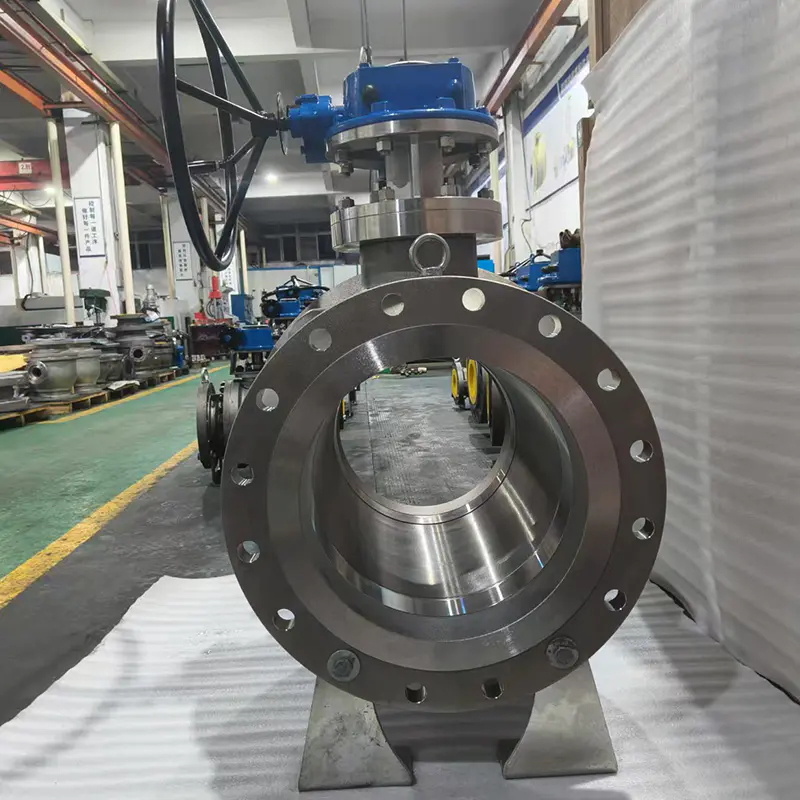
Before comparing specifications, it helps to be clear on the mechanism itself, since understanding ball valve function shapes almost every decision that follows.
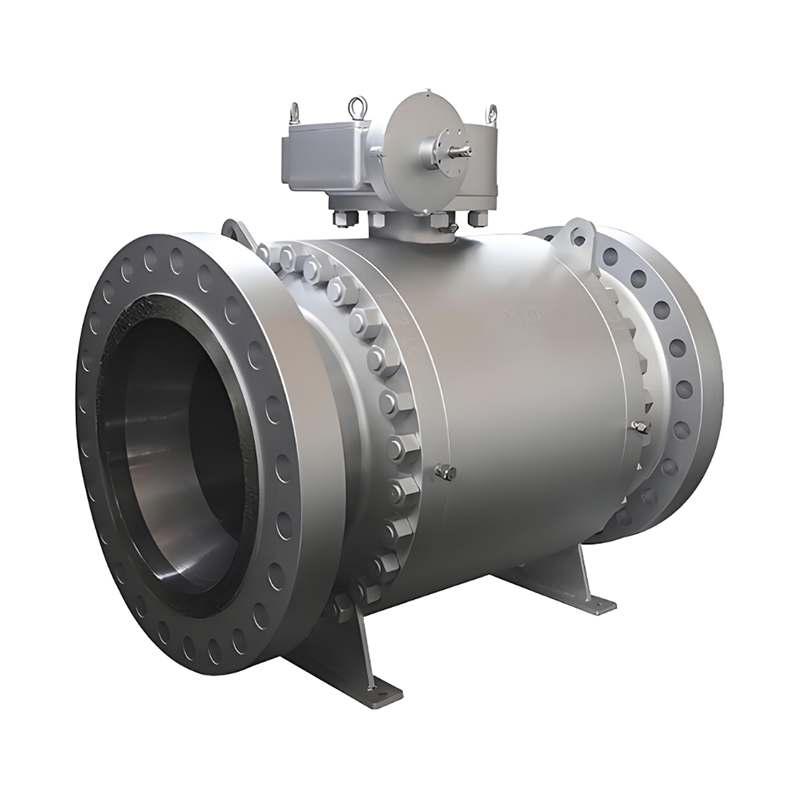
A ball valve uses a rotating ball with a bore through its center to control flow. Turning the handle a quarter turn aligns the bore with the pipeline for full flow, or rotates it perpendicular to block flow entirely. That simple mechanical action is part of why ball valves show up so often across industrial piping systems — the on-off control is quick, dependable, and mechanically straightforward compared to some alternative valve types.
The Ball Valve Working Principle also explains why sealing quality matters so much. Since the ball rotates against seats on either side, the seat material and how tightly it holds against the ball determine how well the valve prevents leakage, both when closed and during years of repeated cycling.
It's tempting to treat valve purchasing as a commodity decision, something handled quickly based on pipe size and connection type alone. That approach tends to backfire once a system runs under actual operating pressure.
A valve mismatched to its working environment can fail in a handful of predictable ways: seat wear accelerates under pressure it wasn't rated for, seal material degrades when exposed to an incompatible medium, or body material corrodes faster than expected in a demanding chemical environment. None of these failures happen instantly — they build up gradually, which is precisely why buyers sometimes don't connect a maintenance problem back to a selection mistake made months earlier.
Careful Ball Valve Selection, done properly at the sourcing stage, reduces the likelihood of these slow failures and keeps a system running closer to its intended service life.
Pressure rating sits high on almost every selection checklist, and for good reason — it directly determines whether a valve can handle the system it's being installed into without structural stress.
A few things worth clarifying before choosing between a high pressure ball valve and a low pressure ball valve:
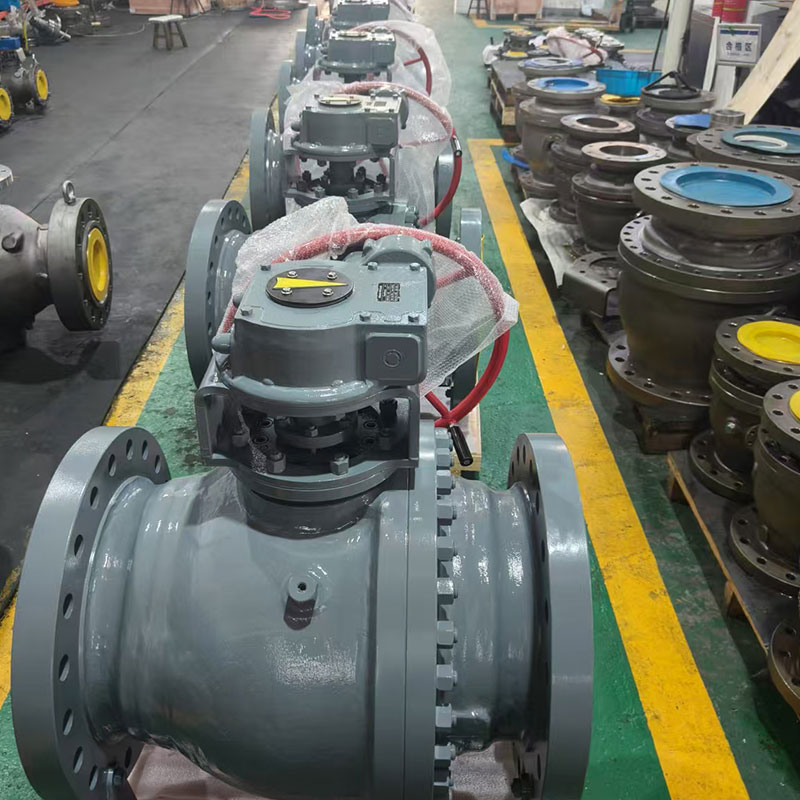
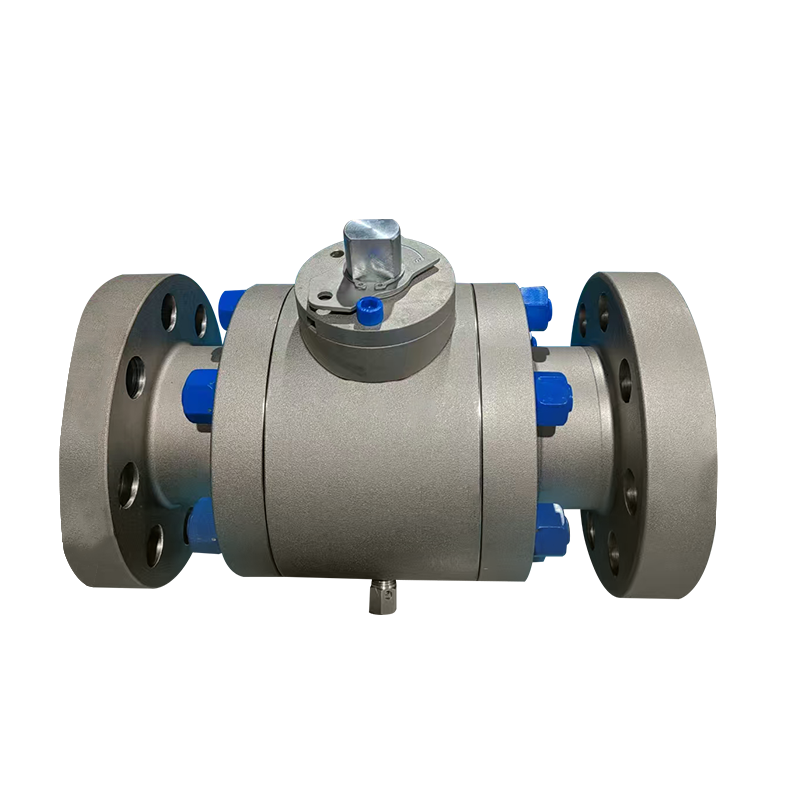
A high pressure ball valve generally uses a thicker body wall, reinforced seats, and sometimes a different sealing approach to handle sustained stress without deforming. A low pressure ball valve, by comparison, can often use lighter construction, which lowers cost but obviously isn't appropriate for a system that occasionally exceeds its rated threshold.
Yes, and this is one of the areas buyers sometimes underweight compared to pressure and temperature.
Water, steam, oils, gases, and various chemical solutions all interact differently with seat material, seal compounds, and body coatings. A valve performing fine with water might degrade quickly if repurposed for a mildly corrosive chemical stream, simply because the seal material wasn't chosen with that exposure in mind.
For applications specifically involving water — municipal systems, cooling loops, general plumbing infrastructure — a ball valve for water typically balances cost and durability without requiring the more specialized materials that a chemical processing environment would demand. That's worth knowing before over-specifying a valve for a straightforward water application, since paying for chemical-grade resistance in a system that never sees a corrosive medium doesn't add practical value.
Corrosion doesn't always announce itself immediately. A valve can look fine on the outside while internal seat surfaces or seal interfaces slowly degrade from repeated exposure to a mildly aggressive medium.
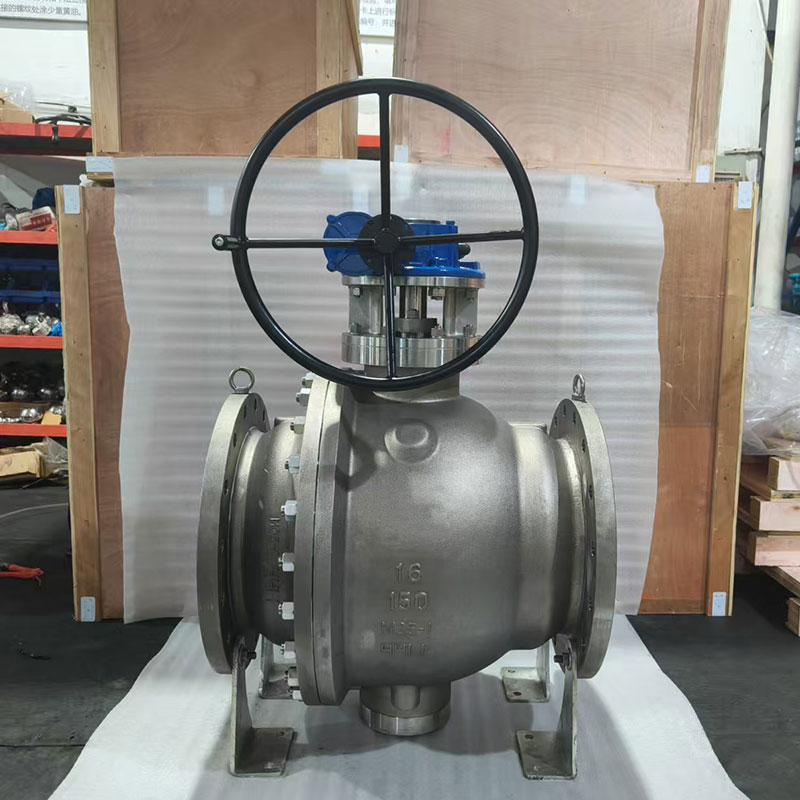
A corrosion resistant ball valve typically uses body materials and coatings selected specifically to withstand chemical exposure, humidity, or aggressive process fluids over an extended service period. This matters heavily in industries like chemical processing, marine applications, wastewater treatment, and certain food or beverage production lines where cleaning agents themselves can be corrosive.
Buyers sometimes assume standard stainless construction automatically covers corrosion concerns, but resistance levels vary depending on the specific alloy, coating, and even the seat compound used alongside the body material. Raising this directly with a supplier, rather than assuming general durability equals corrosion resistance, avoids an expensive misunderstanding later.
It's easy to fold temperature into the same conversation as pressure, but the two don't always move together, and treating them as a single combined factor can result in an underspecified valve.
Seal and seat materials respond to heat differently than they respond to mechanical pressure. A compound that holds up fine under sustained pressure at moderate temperature might soften, harden, or lose flexibility once temperature climbs or drops outside its comfortable range. That change in material behavior can quietly undermine sealing performance even while the pressure rating itself stays technically within bounds.
Buyers working with systems that see temperature swings — outdoor installations facing seasonal shifts, or process lines that heat and cool cyclically — benefit from confirming both the steady-state range and the swing tolerance a valve has actually been built to handle, rather than assuming a single temperature figure tells the whole story.
Full port versus reduced port design doesn't get as much attention as pressure or medium compatibility, yet it influences flow efficiency and pressure drop across a system in ways that show up over years of operation rather than immediately after installation.
A full port valve keeps the bore diameter consistent with the connected pipe, which minimizes flow restriction and pressure loss. A reduced port design narrows the bore through the valve body, which can lower manufacturing cost but introduces a bit more resistance to flow. For systems where flow efficiency matters heavily, or where pigging operations require an unobstructed bore, that distinction becomes a real specification requirement rather than a minor detail.
Connection style — threaded, flanged, or welded — adds another layer of consideration tied less to the valve's internal performance and more to how it integrates with the existing pipeline, installation labor, and future maintenance access. Getting this wrong doesn't necessarily cause a functional failure, but it can turn a routine maintenance job into a more complicated one than it needed to be.
| Consideration | High Pressure Ball Valve | Low Pressure Ball Valve |
|---|---|---|
| Body Construction | Reinforced, thicker wall | Lighter, more standard build |
| Typical Application | Demanding industrial systems | General plumbing, mild service |
| Cost Position | Generally higher | Generally lower |
| Seat and Seal Demands | Higher tolerance materials needed | Standard sealing compounds usually sufficient |
| Maintenance Frequency | Lower when properly rated | Moderate, depends on cycling frequency |
Choosing between these two isn't really about which one performs better in isolation. It's about matching the valve to the system it's entering, since installing an oversized, heavily reinforced valve into a low-pressure application wastes budget without adding meaningful benefit.
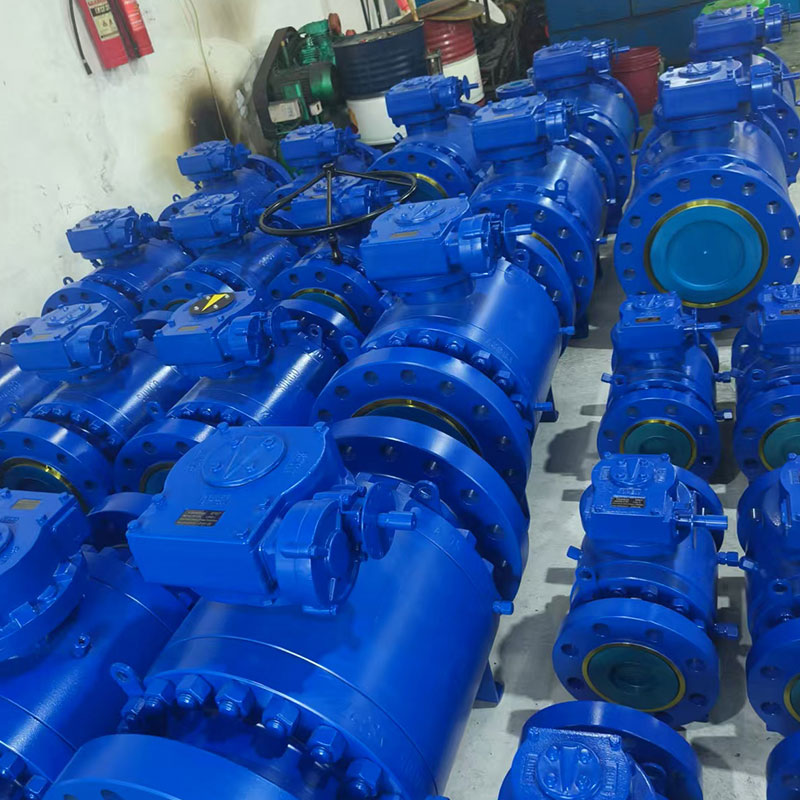
A durable ball valve becomes especially important wherever downtime carries a heavy operational cost, or where physical access for maintenance is limited.
Oil and gas operations, for instance, often run systems continuously across remote locations where a valve failure means significant delay just getting a technician on site. Power generation facilities face similar pressure, since unplanned shutdowns ripple through connected systems. Marine and offshore applications add another layer of demand, combining corrosive exposure with limited maintenance windows.
For buyers in these sectors, prioritizing durable ball valve construction from the outset, even at a higher upfront cost, generally pays off through fewer replacement cycles and less unplanned downtime across the equipment's working life.
A handful of recurring missteps show up across Ball Valve Selection projects, regardless of industry:
Avoiding these missteps usually comes down to asking more specific questions before placing an order, rather than assuming a general-purpose valve will quietly handle whatever gets thrown at it. A short conversation upfront, walking through actual operating conditions rather than relying on a catalog description alone, tends to catch these gaps before they turn into a costly field problem.
A productive conversation with a manufacturer goes well beyond confirming price and delivery schedule. Worth raising directly:
Buyers who bring this level of specificity to a sourcing conversation generally end up with a valve matched more precisely to their system, rather than a generic product chosen mainly on price.
Working through Ball Valve Selection carefully — checking pressure rating, confirming medium compatibility, weighing corrosion resistance, and matching construction to the demands of the application — takes more upfront effort than grabbing whatever's cheapest on a catalog page, but the payoff shows up clearly over the equipment's working life through fewer failures and lower maintenance costs. Buyers evaluating options for water systems, chemical processing lines, or high-pressure industrial setups benefit from treating this as a technical conversation rather than a quick transactional purchase, bringing real operating data into the conversation rather than rough assumptions. A little extra time spent confirming port type, temperature tolerance, and seal compatibility before an order ships tends to prevent far more disruptive conversations once a system is already running and a valve starts underperforming. For procurement teams and engineers ready to work through these specifications with a manufacturer capable of addressing pressure ratings, corrosion resistance, and custom configuration needs directly, Zhejiang Yushun Valve Co., Ltd. offers a practical starting point for that conversation, whether the immediate need is a single technical clarification or an ongoing supply relationship built around consistent, well-matched valve specifications.