русский
 عربى
عربى


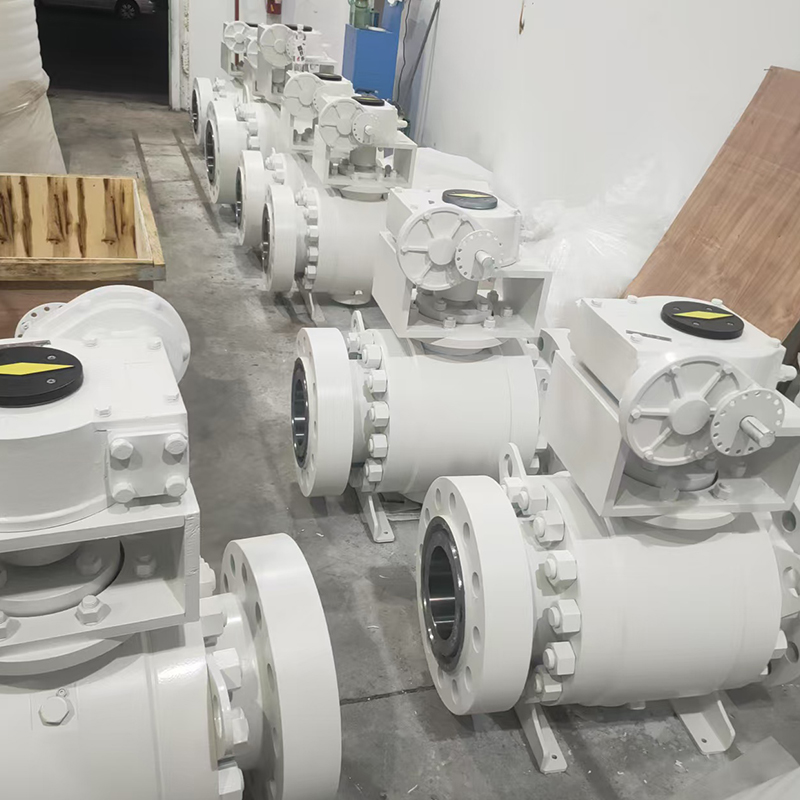
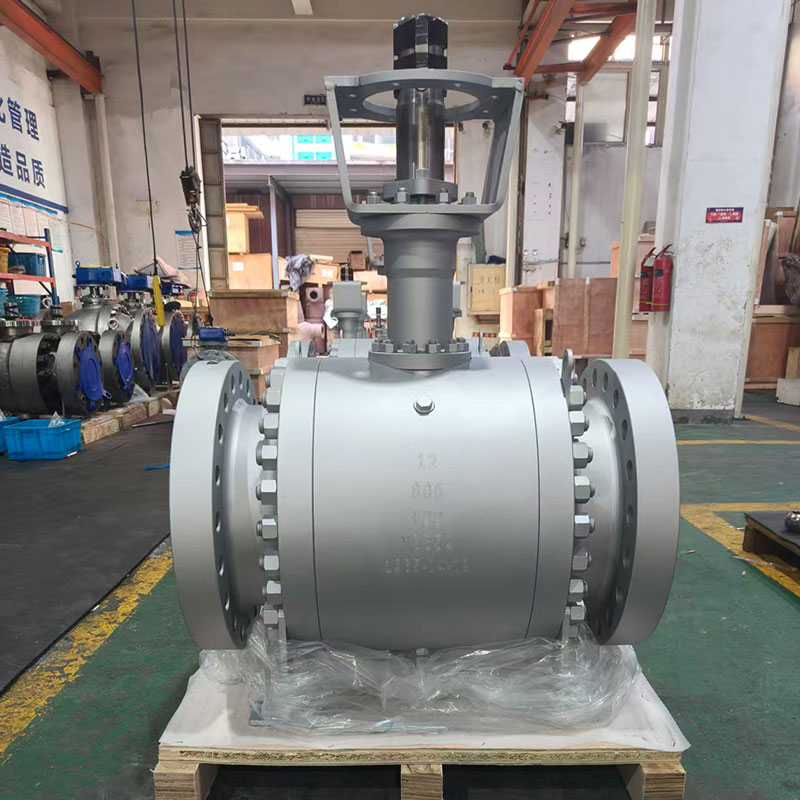
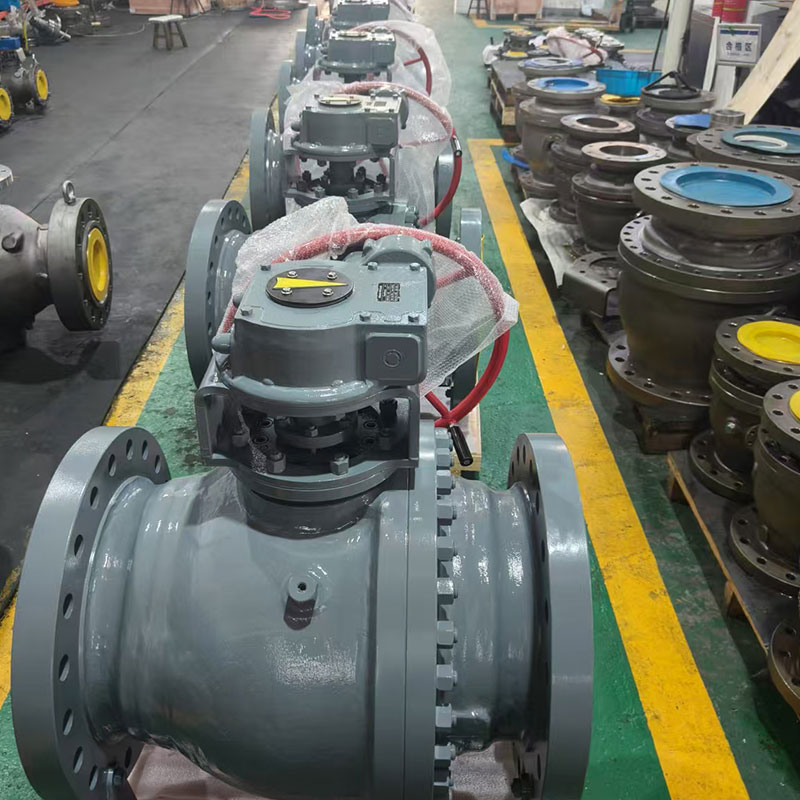
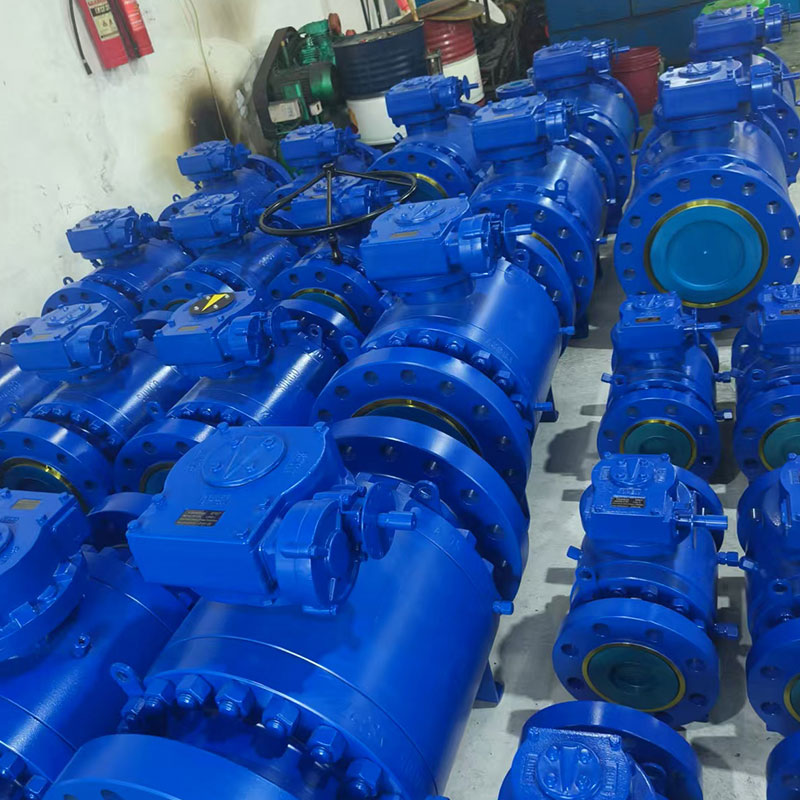
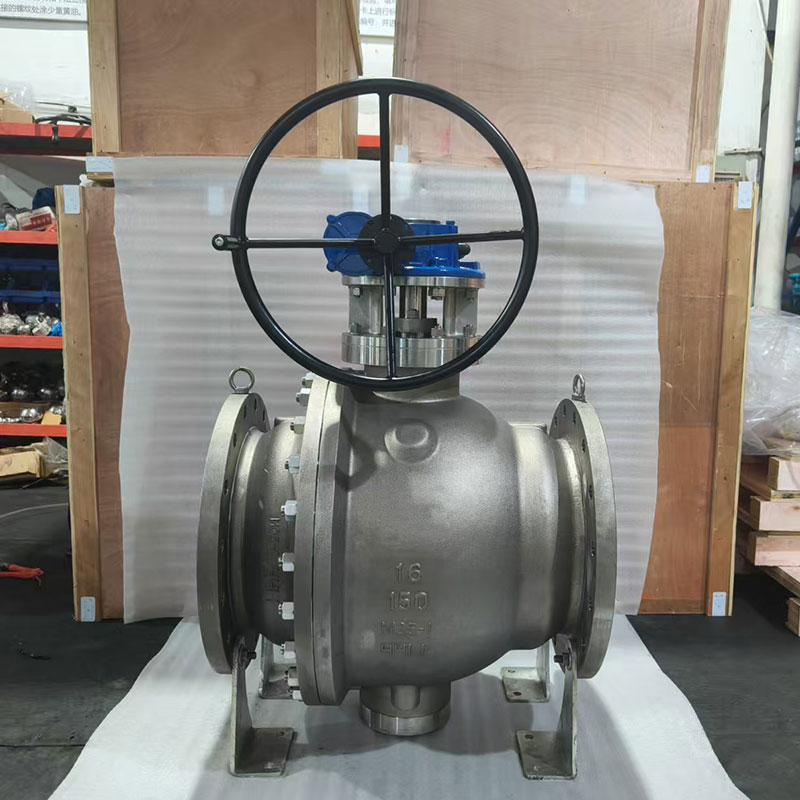
A valve fails at two in the morning. Production stops. A maintenance crew gets pulled in for an emergency repair that could have waited, or should never have happened at all. This is the exact scenario a Durable Ball Valve is meant to prevent, and it is why so many plant managers eventually stop treating valve selection as an afterthought. The upfront cost difference between a cheap valve and a genuinely reliable one looks small on a purchase order. It looks a lot bigger once you tally up emergency repairs, lost production hours, and the cost of shutting a line down mid run. Procurement managers, maintenance engineers, plant operators, contractors, and OEM buyers all eventually run into the same math problem: valve failures are expensive in ways that rarely show up on the invoice for the valve itself. Understanding what actually makes a ball valve hold up over time, rather than fail early, changes how that purchasing decision gets made.
Here is the thing nobody likes to admit during a budget meeting. A valve that costs less upfront but fails within a shorter service window ends up costing more overall, once you factor in replacement labor, production downtime, and the ripple effect a failed valve has on everything downstream of it in a pipeline system.
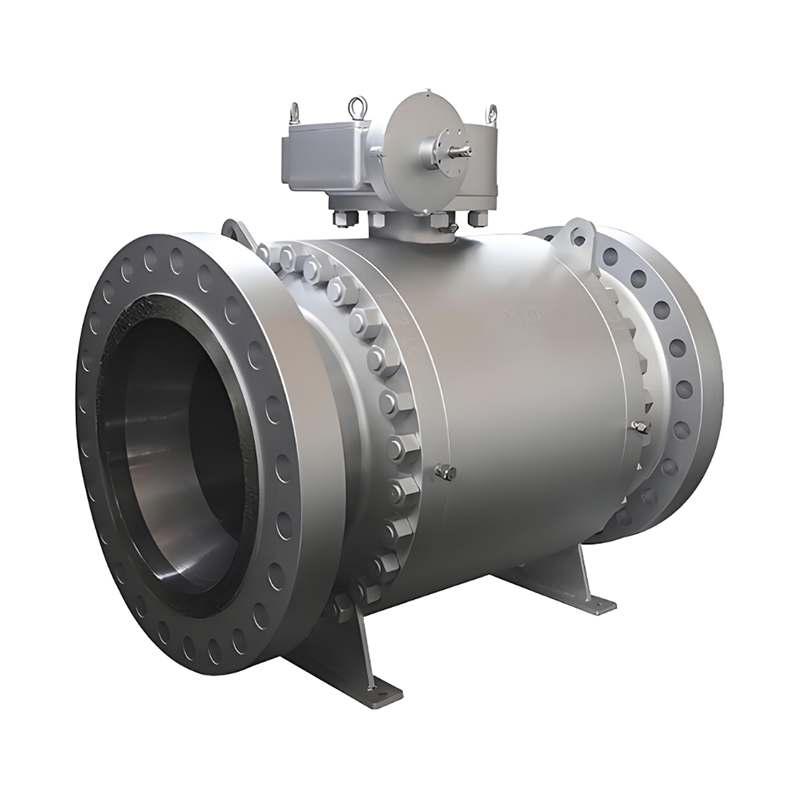
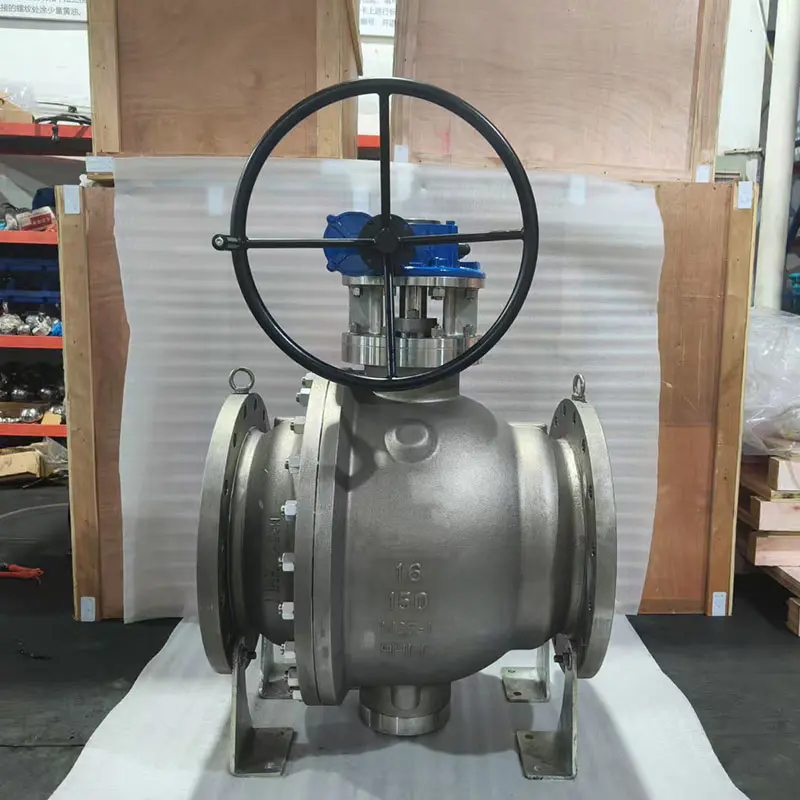
A ball valve controls flow using a rotating ball with a hole through the center, aligning that hole with the pipeline to allow flow or turning it perpendicular to block it entirely. Simple mechanism, on paper. But how well that ball, its seat, and its seals hold up under repeated cycling, pressure, and whatever media is passing through determines whether the valve lasts through years of service or starts leaking within months. Wear at the seat, where the ball makes contact during closure, tends to be the earliest place a valve begins to fail, and that wear accelerates dramatically when seat material and manufacturing tolerance were not built to handle the actual operating conditions.
Failure rarely comes from one dramatic cause. It usually builds gradually, from a combination of factors that compound over time.
It does, more than many buyers initially expect. Seal material sits at the exact point where wear concentrates, since it experiences constant contact and pressure every single time the valve cycles open or closed. A seal built from a material poorly matched to the actual temperature and chemical exposure of an application will degrade far faster than one properly selected for those conditions, even if every other component of the valve is built to a high standard.
Not every valve marketed as heavy duty actually holds up the way the label suggests. A handful of structural characteristics separate valves that genuinely last from ones that fail sooner than expected.
Corrosion is one of the fastest ways a valve degrades, particularly in applications involving water, chemicals, or marine environments where standard materials simply were not built to hold up.
Water treatment facilities, chemical processing lines, and marine or coastal installations all expose valves to conditions that accelerate material breakdown well beyond what a standard indoor industrial setting would experience. A Corrosion Resistant Ball Valve built with appropriate body and seal materials for these environments holds its sealing integrity considerably longer than a standard valve pushed into service beyond what it was actually designed to handle. Skipping this consideration to save on upfront cost tends to backfire fast, showing up as premature leakage or seizing within a much shorter service window than the application actually required.
Pressure rating is not just a technical specification buried in a data sheet, it directly determines whether a valve holds up or fails under real operating conditions.
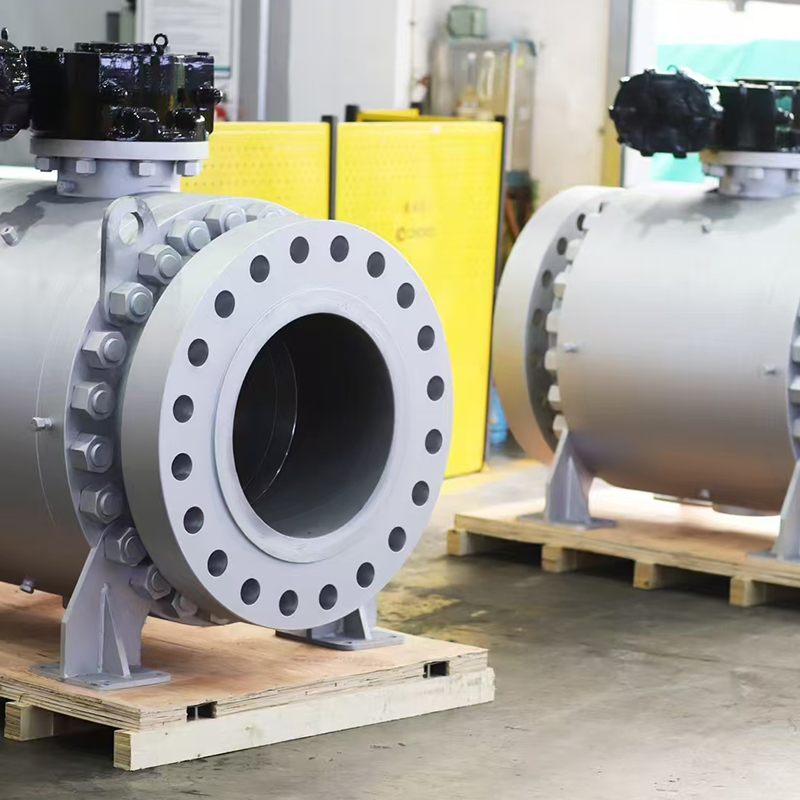
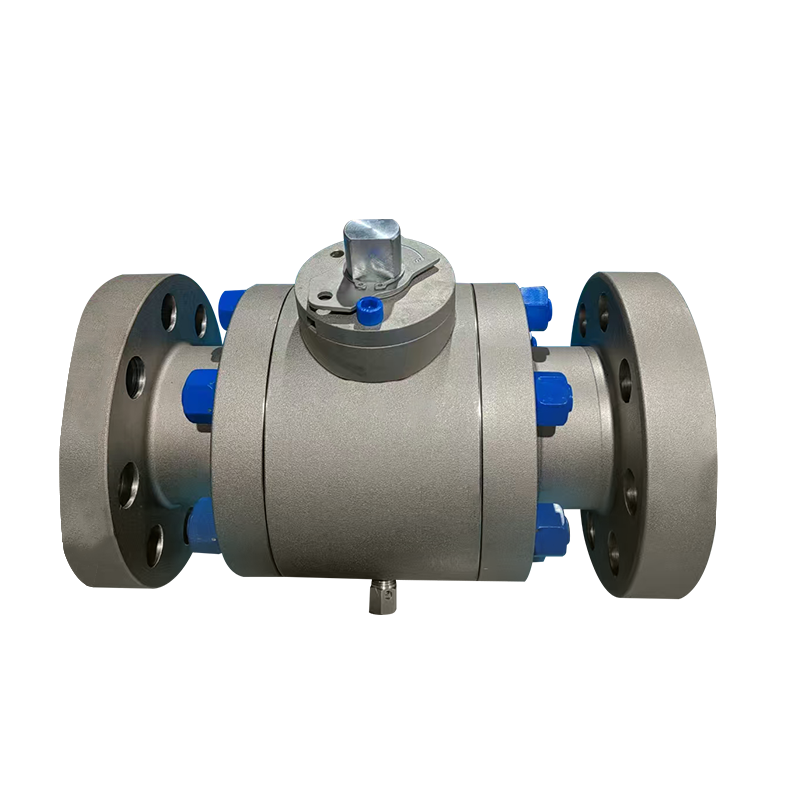
Systems handling elevated pressure, whether in industrial processing, high rise water distribution, or certain hydraulic applications, need a valve built specifically to handle that stress without deforming or leaking over time. A High Pressure Ball Valve typically features reinforced body construction and tighter manufacturing tolerances specifically to withstand these conditions, since a standard valve pushed beyond its rated pressure tends to fail considerably sooner than one properly matched to the system.
Sometimes, yes. Installing a heavily reinforced high pressure valve into a system that never approaches those pressure levels adds unnecessary cost without delivering any real benefit. A Low Pressure Ball Valve suited to more moderate operating conditions can perform just as reliably in the right application, provided the selection genuinely matches actual system demands rather than defaulting to whichever option seems more robust on paper.
| Valve Type | Primary Strength | Well Suited Application |
|---|---|---|
| Standard Ball Valve | General purpose reliability | Moderate condition indoor systems |
| Corrosion Resistant Ball Valve | Extended life in aggressive media | Water treatment, chemical processing, marine use |
| High Pressure Ball Valve | Structural integrity under elevated stress | High pressure industrial and hydraulic systems |
| Low Pressure Ball Valve | Cost efficient reliability | Moderate pressure systems without elevated demand |
Looking across this comparison, the pattern is fairly clear. Matching valve type to actual operating conditions, rather than assuming a single valve category works everywhere, tends to determine whether a system runs for years without incident or ends up cycling through repeated replacements.
Ball Valve Selection benefits from a structured evaluation rather than choosing based on price or familiarity with a particular brand alone.
Working through these factors before placing an order tends to prevent the kind of mismatch that leads to premature failure and unplanned downtime down the line.
Purchase price captures only one part of a much longer financial picture. Life cycle cost accounts for the valve's expected service life, maintenance frequency, and the cost of any downtime tied to eventual failure or replacement.
A valve priced higher upfront but rated for a considerably longer service life, with lower failure risk under actual operating conditions, frequently works out cheaper over the full ownership period compared to a less expensive valve that needs replacement or repair multiple times across that same span. Buyers who evaluate valves purely on unit price, without factoring in expected service life and downtime risk, tend to underestimate the true cost of a cheaper option until the failures start accumulating.
A Ball Valve for Water application carries its own specific considerations, since water systems vary considerably depending on whether they involve potable water distribution, wastewater handling, or industrial process water carrying dissolved minerals and particulates.
Selecting a valve suited specifically to the water type being handled, rather than defaulting to a generic option, protects against the gradual mineral buildup, corrosion, or seal degradation that shortens service life in water applications that were not properly matched to the valve's design specifications.
Not perfectly, but they help. Laboratory testing puts a valve through cycling, pressure, and temperature conditions meant to simulate years of service compressed into a much shorter testing window. A valve that holds up cleanly through that kind of accelerated testing tends to perform reliably once installed, though real world conditions rarely match a lab environment exactly. Contaminants in the media, temperature swings beyond what testing accounted for, or installation practices that deviate from manufacturer guidance can all shift actual performance away from what a certification or test report suggests.
A few direct questions tend to reveal whether a manufacturer's testing claims hold up under scrutiny:
A manufacturer willing to answer these questions specifically, rather than offering vague reassurance, tends to be one worth trusting with a larger order.
Warranty terms often say more about a valve's real durability than marketing language does. A manufacturer confident in their seal materials, manufacturing tolerance, and structural design tends to back that confidence with a warranty period that reflects genuine expected service life, rather than a short window designed to expire right around when typical wear issues would start appearing.
Buyers comparing valve suppliers benefit from treating warranty length and terms as a practical signal, not just a sales feature. A supplier hesitant to offer meaningful warranty coverage on a product marketed as durable is worth a second look before committing to a large order, since that hesitation sometimes reflects internal awareness of weaknesses that marketing copy conveniently leaves out.
Reducing maintenance frequency and unplanned downtime rarely comes down to luck, it comes from choosing a valve built specifically for the pressure, media, and cycling demands of the actual system it will serve, rather than treating valve selection as an interchangeable commodity decision. A properly specified Durable Ball Valve, whether that means a corrosion resistant build for aggressive media, a high pressure design for demanding industrial systems, or a well matched low pressure option for moderate conditions, tends to hold up considerably longer and cost less across its full service life than a mismatched or underbuilt alternative. Zhejiang Yushun Valve Co., Ltd. works with procurement teams, maintenance engineers, and contractors evaluating exactly this kind of valve selection decision, and sharing your system pressure requirements, media type, and cycling frequency is a practical way to start narrowing down which valve construction genuinely fits your application.