русский
 عربى
عربى


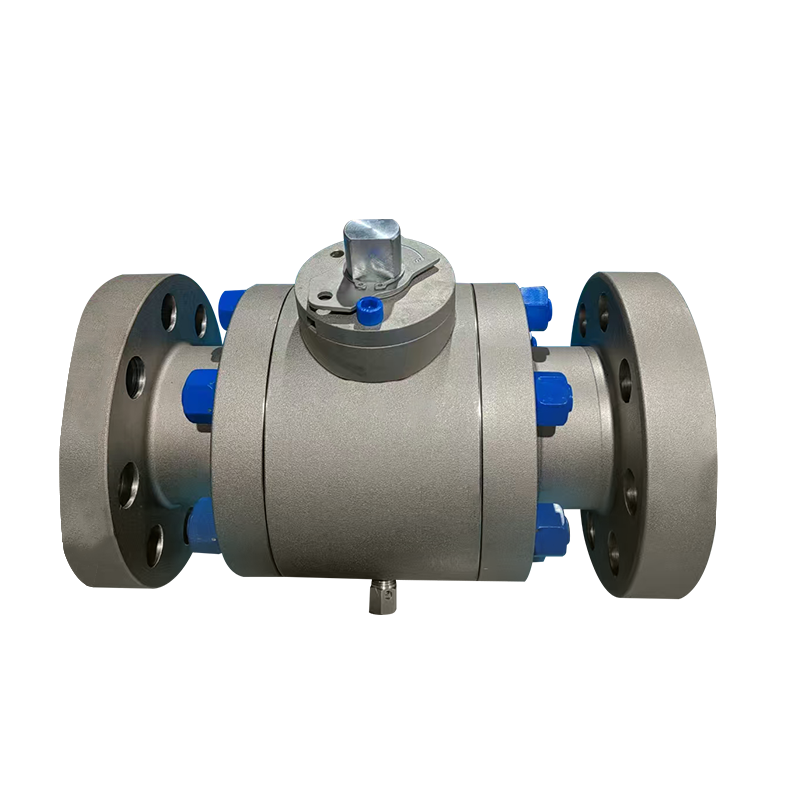
Butterfly valves are commonly used in industrial piping systems to control the flow of liquids and gases. An ANSI Butterfly Valve follows the American National Standards Institute (ANSI) specifications, ensuring compatibility and standardized performance across different industries. Understanding its design, functionality, and applications provides insight into why this type of valve is preferred in many piping systems.
An ANSI Butterfly Valve consists of a circular disc mounted on a rotating shaft within a pipe. When the disc is turned parallel to the flow, the valve is fully open, allowing liquid or gas to pass with minimal resistance. When the disc is turned perpendicular, the valve closes, restricting flow.
The valve body can be made from cast iron, carbon steel, stainless steel, or other alloys depending on the application. Seats and seals, often made from rubber or PTFE, ensure a tight closure and prevent leakage. ANSI standards define dimensions, pressure ratings, and flange compatibility, allowing the valve to integrate easily into existing systems.
A key advantage of an ANSI Butterfly Valve is its ease of operation. The valve can be controlled manually using a lever or gear, or automated using pneumatic or electric actuators. This flexibility allows operators to manage flow with precision, whether adjusting a small laboratory line or a large industrial pipeline.
The quarter-turn rotation of the disc provides quick opening and closing, reducing the time needed to regulate flow. This feature is particularly useful in emergency shutdowns or systems requiring frequent adjustments.
ANSI Butterfly Valves are used across many sectors, including water treatment, chemical processing, HVAC, and oil and gas. They are suitable for handling liquids, gases, slurries, and corrosive fluids when paired with appropriate materials and seals.
In water treatment plants, these valves regulate flow in pipelines, controlling pressure and distribution. In chemical plants, they can handle aggressive fluids due to compatible materials. The standardized design allows replacement or expansion of systems without custom components.
Maintenance of an ANSI Butterfly Valve is straightforward. The simple structure, with few moving parts, reduces wear and the likelihood of malfunction. Seats and seals can be replaced without removing the valve body, which simplifies repairs and lowers operational downtime.
Proper installation, including correct alignment with the pipeline and secure bolting to flanges, ensures long-term durability. Many factories also test valves for leakage and pressure rating before delivery to maintain consistent quality.
Compared to globe or gate valves, an ANSI Butterfly Valve provides compactness, lighter weight, and lower cost for similar diameter pipes. The low-pressure drop in fully open positions and the quick action of the disc make it efficient for flow control. Additionally, standardized ANSI specifications ensure compatibility across manufacturers and industrial projects.
An ANSI Butterfly Valve offers reliable flow control with standardized design and versatile operation. Its combination of simple structure, durable materials, and flexibility in manual or automated control makes it suitable for a wide range of industrial applications. By following ANSI standards, these valves provide consistent performance, easy maintenance, and integration into diverse piping systems. Understanding the features and benefits of ANSI butterfly valves helps engineers and operators choose the right valve for their specific needs.