русский
 عربى
عربى


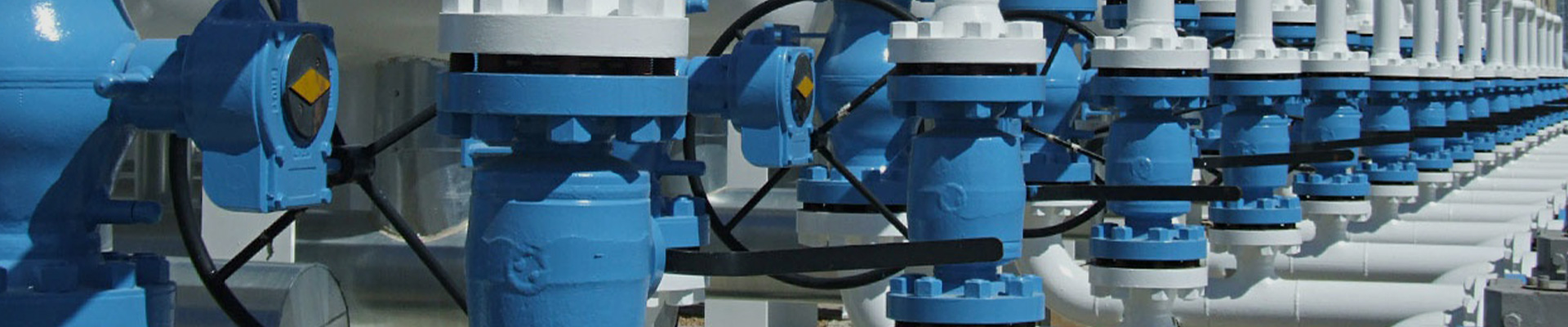
Ball valves are widely used in industrial piping systems to control the flow of liquids and gases. An ANSI Ball Valve Manufacturer plays an important role in providing valves that meet industry standards, offering reliability, durability, and performance across various applications. Understanding the production process and quality measures used by these manufacturers can help buyers make informed decisions.
An ANSI Ball Valve Manufacturer starts with selecting high-quality materials. Valve bodies are commonly made from stainless steel, carbon steel, or brass, while balls are precision-machined to ensure a smooth surface for sealing. Seats and seals are typically made from PTFE, rubber, or other compatible materials depending on the intended application.
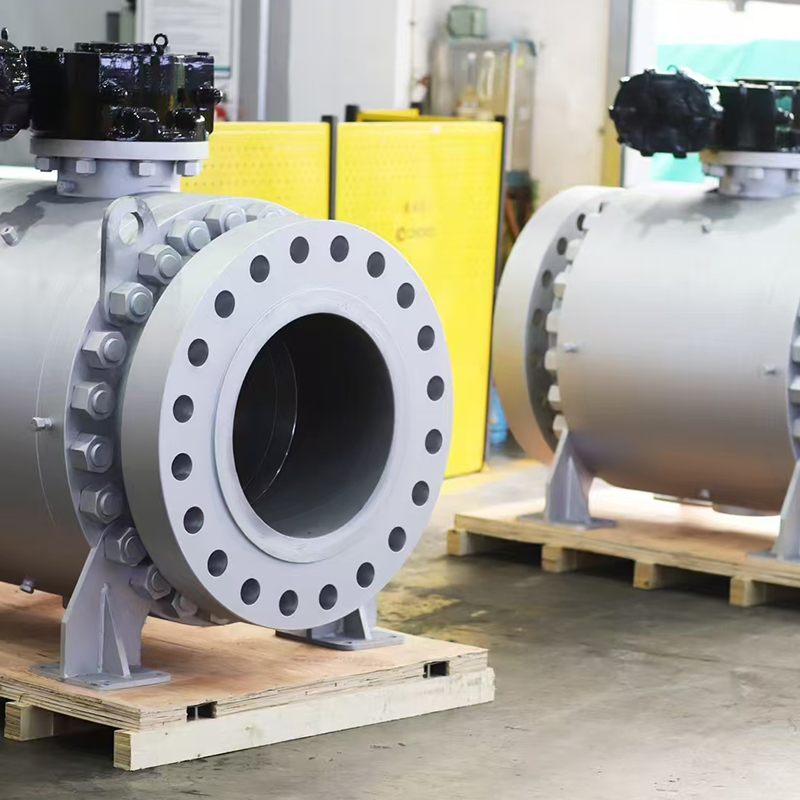
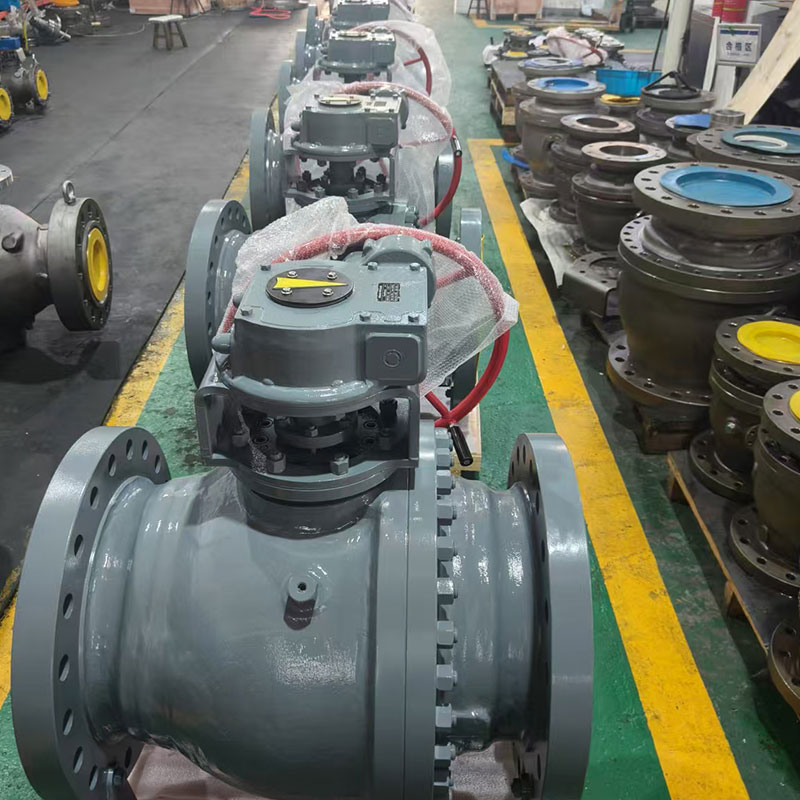
The production process involves casting or forging the valve body, followed by precise machining to achieve accurate dimensions. The ball and stem are also machined to meet tight tolerances, ensuring a proper fit that prevents leakage. Each component is carefully inspected before assembly to maintain consistent quality.
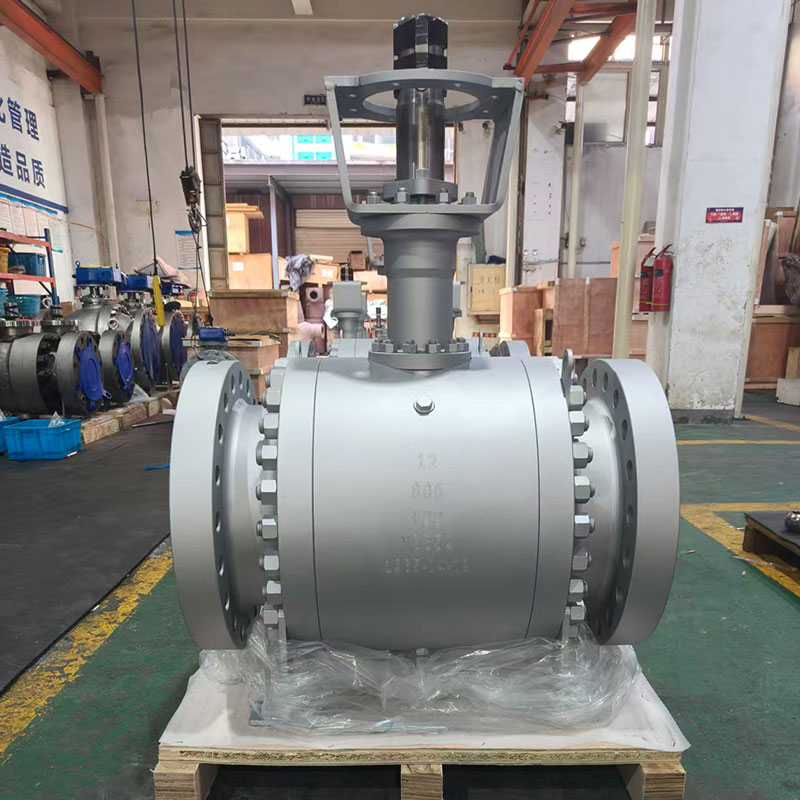
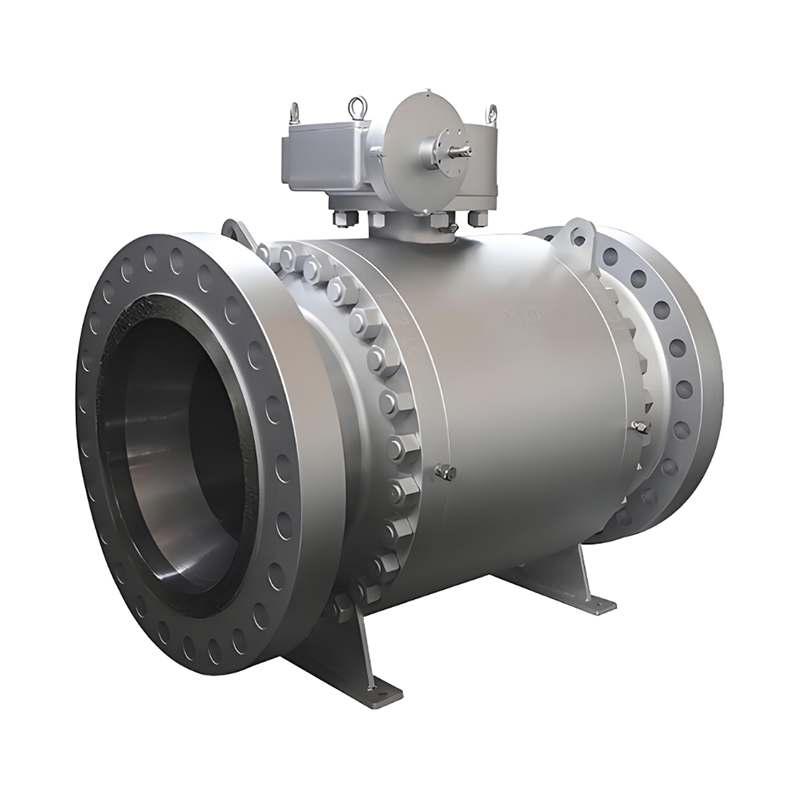
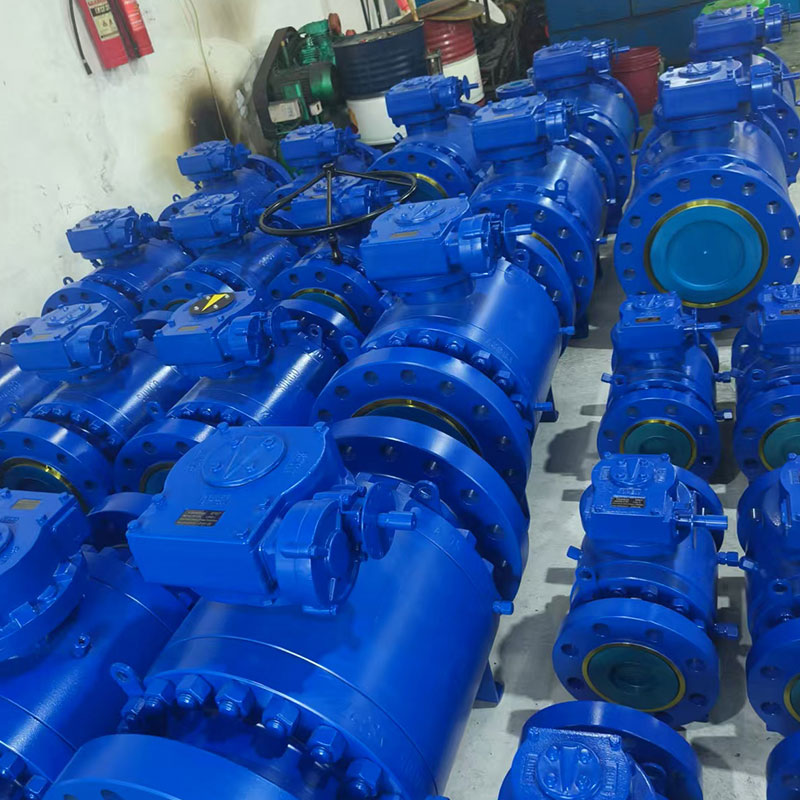
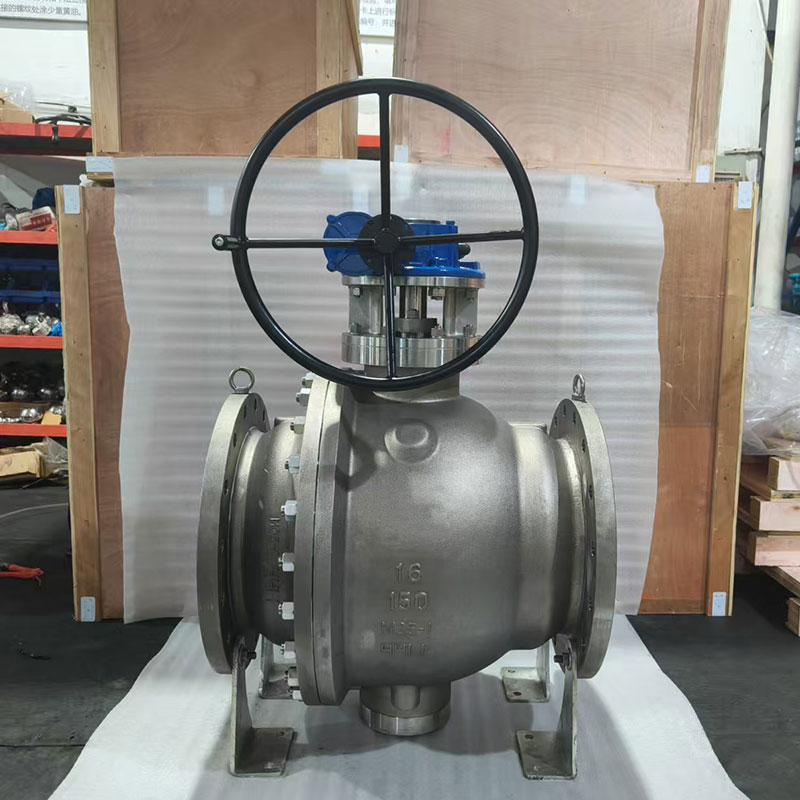
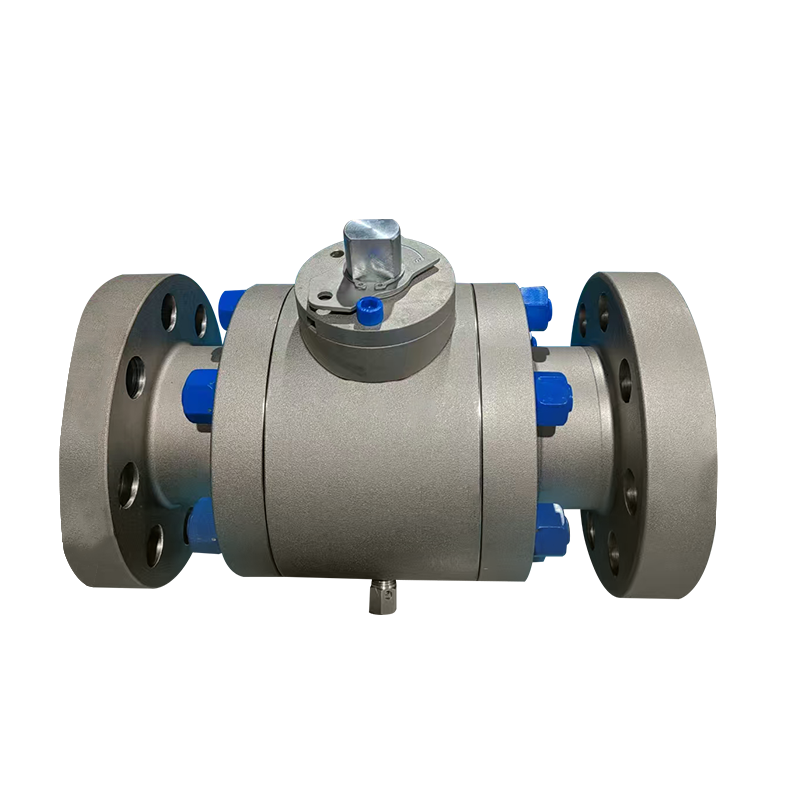
ANSI ball valves are designed to provide reliable flow control in a wide range of systems. A quarter-turn operation allows for quick opening and closing, which is useful in situations where rapid control is needed. An ANSI Ball Valve Manufacturer may offer different types, including two-piece, three-piece, or flanged designs, each suited for specific industrial requirements.
Some models are designed for high-pressure or high-temperature environments, while others are optimized for corrosive fluids. The ANSI standard ensures that valves have consistent flange dimensions, pressure ratings, and compatibility with piping systems, making installation straightforward.
A professional ANSI Ball Valve Manufacturer emphasizes quality control at every stage of production. Components undergo dimensional inspections, pressure testing, and leak detection to ensure performance under operating conditions. Some manufacturers also conduct material testing to verify chemical composition and mechanical properties.
By implementing strict quality checks, manufacturers can minimize defects and ensure that each valve meets safety and performance standards. This is especially important for industrial systems where valve failure could cause operational disruptions or safety hazards.
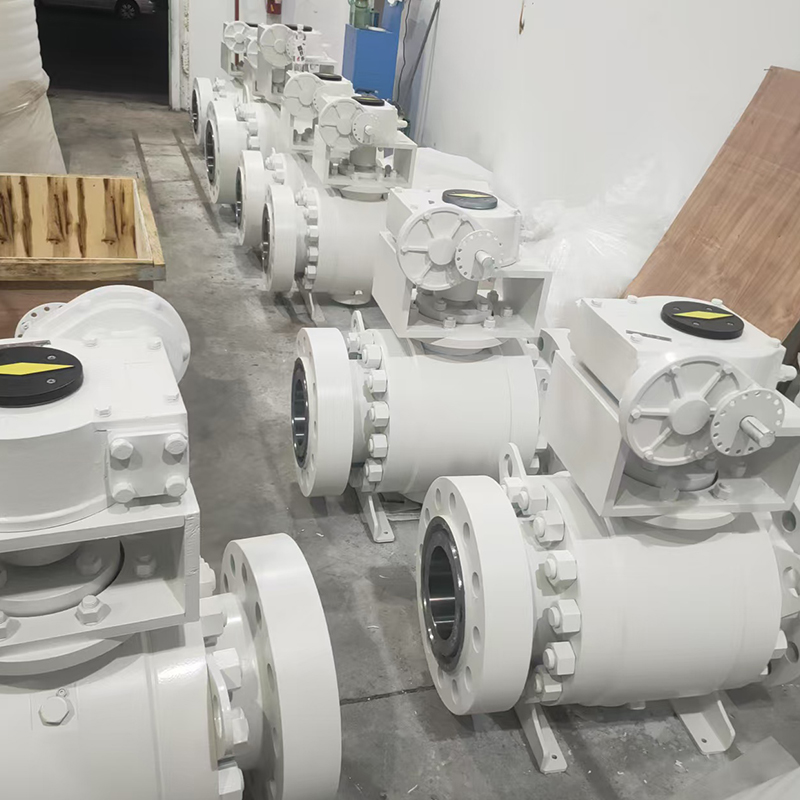
Many ANSI Ball Valve Manufacturers provide customization services. Customers may request specific materials, sizes, or configurations to fit unique system requirements. Options such as electric or pneumatic actuators, extended stems, or special coatings can also be added based on operational needs.
Customization allows industrial buyers to integrate valves into complex systems efficiently while maintaining reliability and performance. Flexible manufacturing capabilities ensure that both standard and specialized orders can be fulfilled consistently.
Ball valves from experienced manufacturers are designed for low maintenance and long-term service. Durable materials, reliable seals, and precise machining reduce the likelihood of leakage or wear over time. Regular maintenance, such as lubrication and inspection, helps extend valve life and maintain smooth operation.
Selecting a valve from a reputable ANSI Ball Valve Manufacturer ensures that replacement parts are available and that the valve remains functional for extended service periods.
An ANSI Ball Valve Manufacturer provides industrial systems with reliable, durable, and customizable valves. By focusing on material quality, precise manufacturing, thorough quality control, and flexible customization, these manufacturers deliver products suitable for a wide range of applications. Understanding the capabilities and processes of a manufacturer helps buyers choose valves that meet technical specifications, operational requirements, and long-term performance expectations.