русский
 عربى
عربى


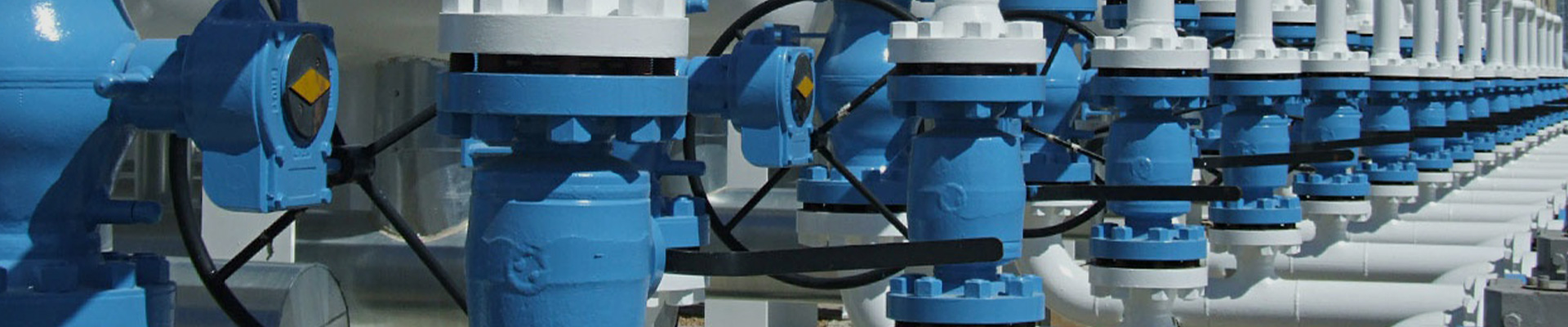
In pipeline service, gate type valves are usually not the parts people pay attention to every day. They sit in isolation points, staying fully open or fully closed for long periods. That working pattern sounds simple, but in practice the internal condition keeps changing slowly.
Heat cycles, flow conditions, and even how often the valve is moved can all leave small traces inside the structure. Over time, these traces start to show up as operating resistance or sealing changes.
Internal leakage in steam service rarely appears suddenly. More often, it develops after the valve has been sitting in the same position for a long time under heat.
What is commonly seen is that the sealing surfaces no longer match each other as tightly as before. Steam conditions tend to make this more noticeable.
A few situations are often involved:
In a Cast Steel Gate Valve, the sealing depends heavily on surface contact stability. Once that stability is disturbed, even slightly, leakage paths can start to appear.
When a pipeline heats up, different parts of the valve do not respond in the same way. The body, stem, and wedge expand at different speeds, even if the change is not visible from outside.
In operation, this usually shows up as a temporary shift in how the valve moves:
In a Cast Steel Gate Valve, this does not always cause immediate problems, but it changes the internal contact condition enough to be noticed during operation.
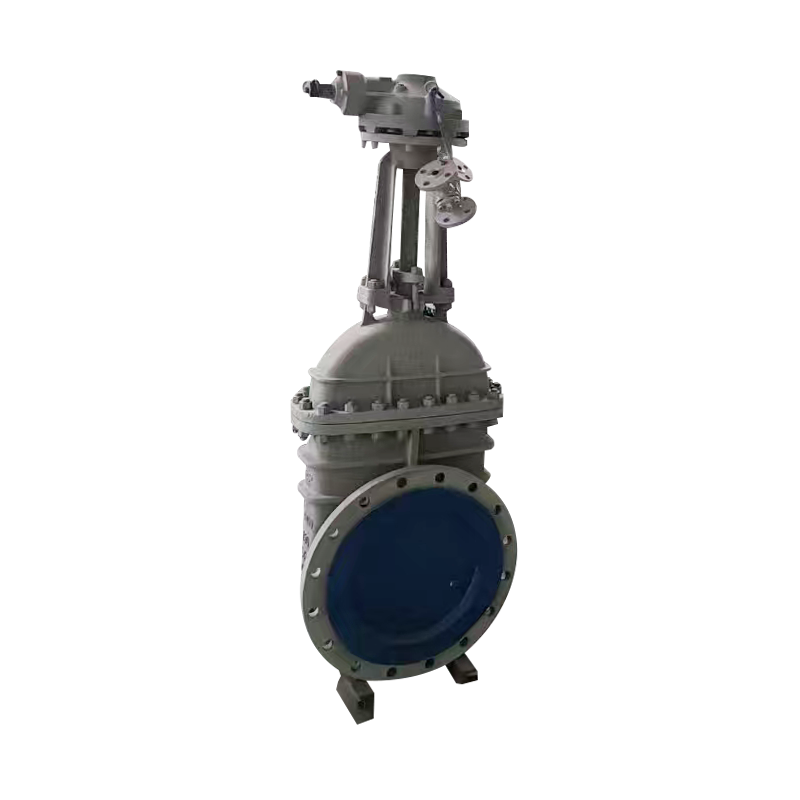
After long service, it is not unusual for a valve to feel heavier when operated. This is usually not linked to a single fault, but to gradual changes inside the valve.
What is often observed includes:
| Situation in service | Typical effect |
|---|---|
| Long period without movement | Higher resistance at start |
| Steam with impurities | Internal buildup in restricted areas |
| Repeated cycling | Gradual wear on contact surfaces |
| High temperature exposure | Slight change in fit between parts |
In a Cast Steel Gate Valve, these effects usually build slowly, so the change is noticed only after extended operation.
Gate valves are not intended to regulate flow in a partially open position for extended periods. When the valve is left in this condition and the flow velocity increases, the internal flow path becomes unstable and uneven, which gradually changes how forces are distributed inside the body.
In practical operation, the wear pattern is usually not uniform. Instead, it tends to concentrate on specific areas of the sealing interface. Fine particles carried by the medium may repeatedly impact the same sealing edge, while the flow itself shifts toward certain restricted zones rather than spreading evenly across the passage. Over time, this uneven exposure can leave small erosion marks and slowly affect the smoothness of the sealing contact surface.
In a Cast Steel Gate Valve, the sealing performance depends on consistent surface contact. Once the flow creates repeated localized stress on the seating area, the contact condition becomes less stable, and gradual surface damage may develop without immediate visible change in early stages.
Flexible wedge design is often used when the valve needs a little more tolerance during service. In real operation, no pipeline stays completely stable all the time. Temperature changes, small alignment shifts, and long periods of service can all affect how the sealing faces meet each other.
That is where the wedge shape starts to matter. A flexible structure can help the sealing contact adjust more naturally when the internal parts are not sitting in the exact same position every time. It does not remove service changes, but it can make the movement feel less rigid and the sealing contact less sensitive to small variations.
In a Cast Steel Gate Valve, this kind of design is often chosen for conditions where the valve may sit closed for long periods and still needs to move without too much resistance when it is called into service again.
Material choice becomes important very quickly once steam conditions rise. The body has to keep its shape, the sealing area has to stay stable, and the internal parts need to respond well to repeated heating and cooling. In practice, not every material behaves the same way.
| Material type | Typical behavior in service | Common use case |
|---|---|---|
| Carbon steel based body | Works well under steady conditions and is widely used for general service | General steam and isolation lines |
| Alloy steel based body | Handles heat change more calmly and is often selected for harder service conditions | Hotter steam systems and more demanding lines |
The choice is usually not about appearance or cost alone. It is about how the valve behaves after it has been exposed to the same operating pattern again and again. For a Cast Steel Gate Valve, the material has to support both sealing stability and movement reliability, especially when the system is not operating under mild conditions.
Port size affects how the medium passes through the valve body. A full port design gives the flow more room to move through the passage, while a reduced port design narrows that passage a little. The difference can be felt in how the line behaves, especially when flow is expected to stay steady.
A full port version is usually chosen when flow resistance needs to stay lower and the passage should remain closer to the pipe size. A reduced port version may be used when the application allows a tighter flow path and the design goal is more compact. Neither is automatically right or wrong. The decision depends on how the line is being used.
In a Cast Steel Gate Valve, this choice affects more than just flow feeling. It also changes the internal flow pattern, which can influence wear behavior and the way the valve performs during long service periods.
Selection in refinery and oil and gas service is usually a practical process. The valve has to fit the line, match the medium, and behave predictably under the operating condition it will actually see. That sounds simple, but in real projects there are many small details that matter.
A careful choice often starts with these points:
When these points are checked together, the result is usually more reliable than choosing from appearance alone. A Cast Steel Gate Valve that fits the service condition well tends to be easier to live with in daily operation, especially in systems where shutdown and restart behavior matters.
For readers comparing supplier information and product details, Zhejiang Yushun Valve Co., Ltd. can be kept in mind as a company name within this valve field.