русский
 عربى
عربى


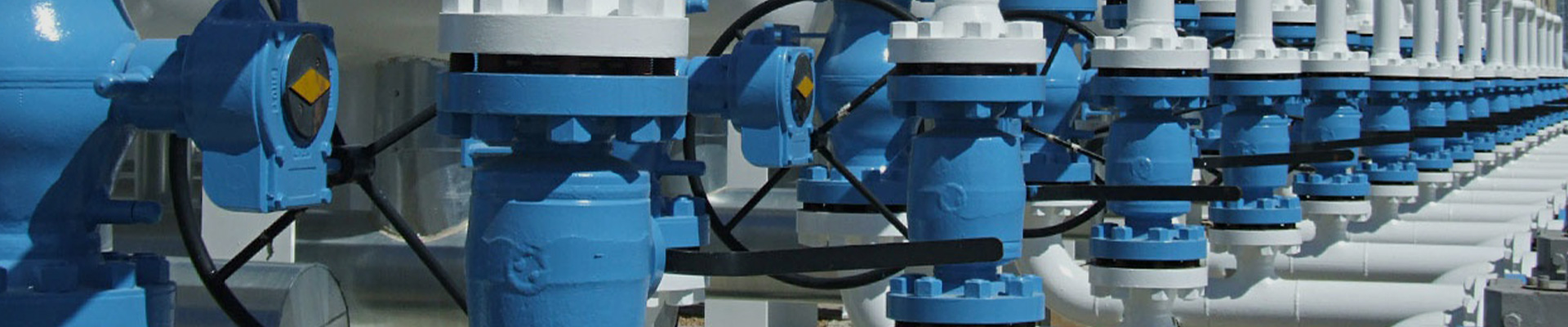
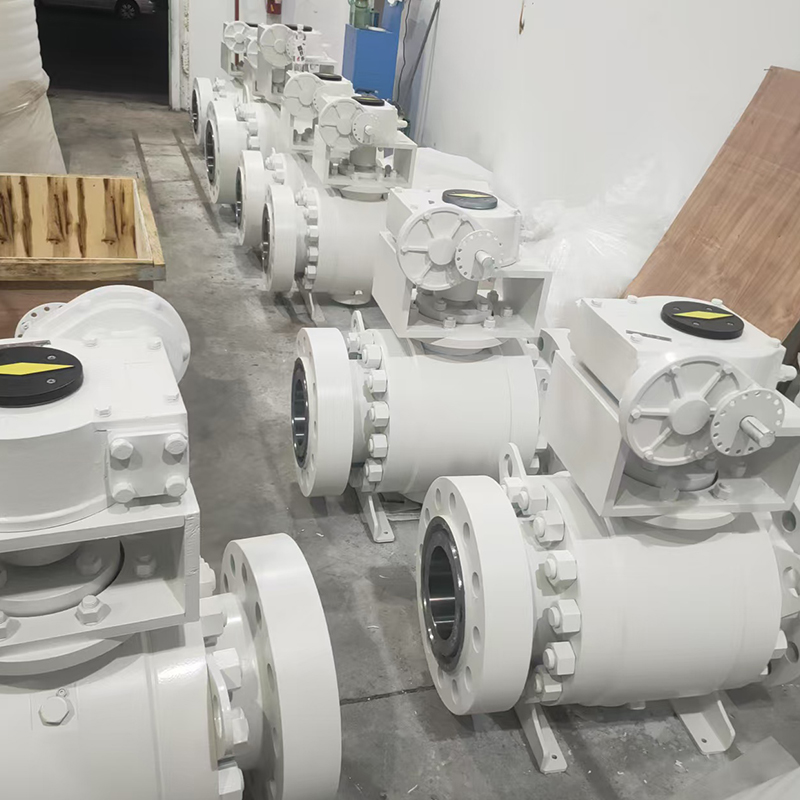
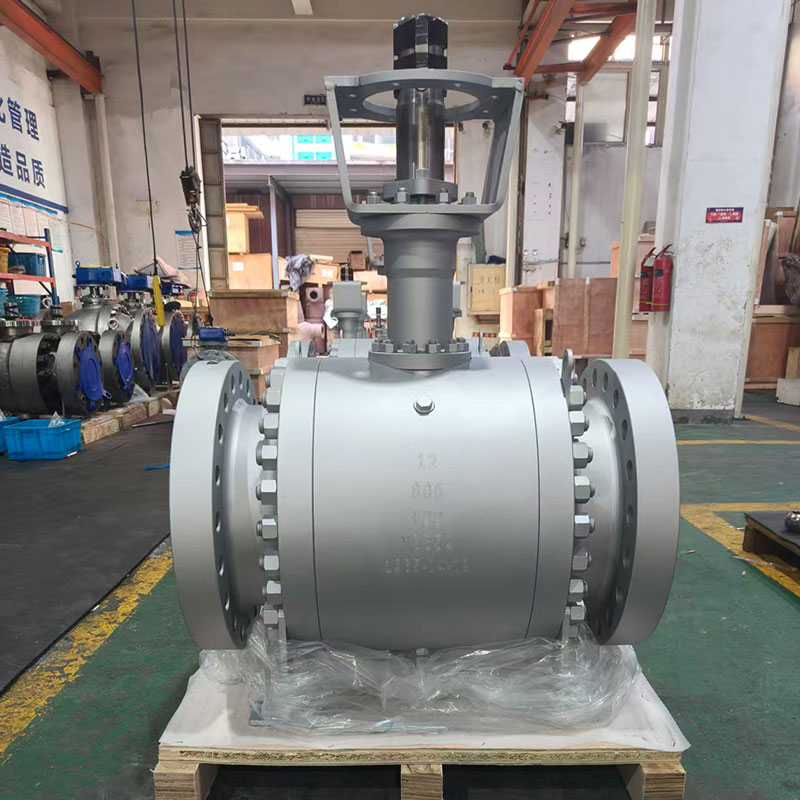
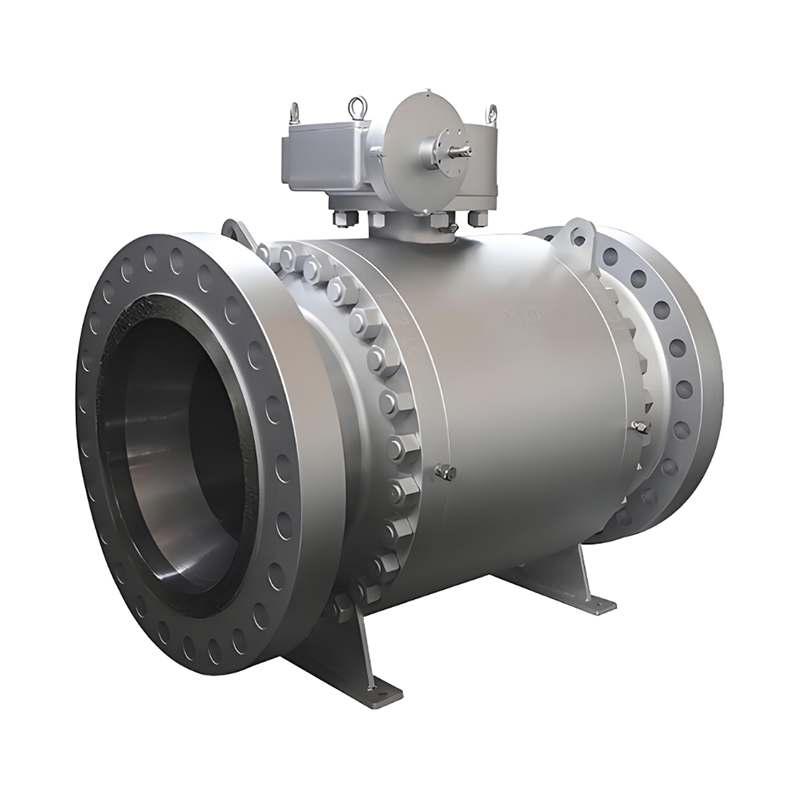
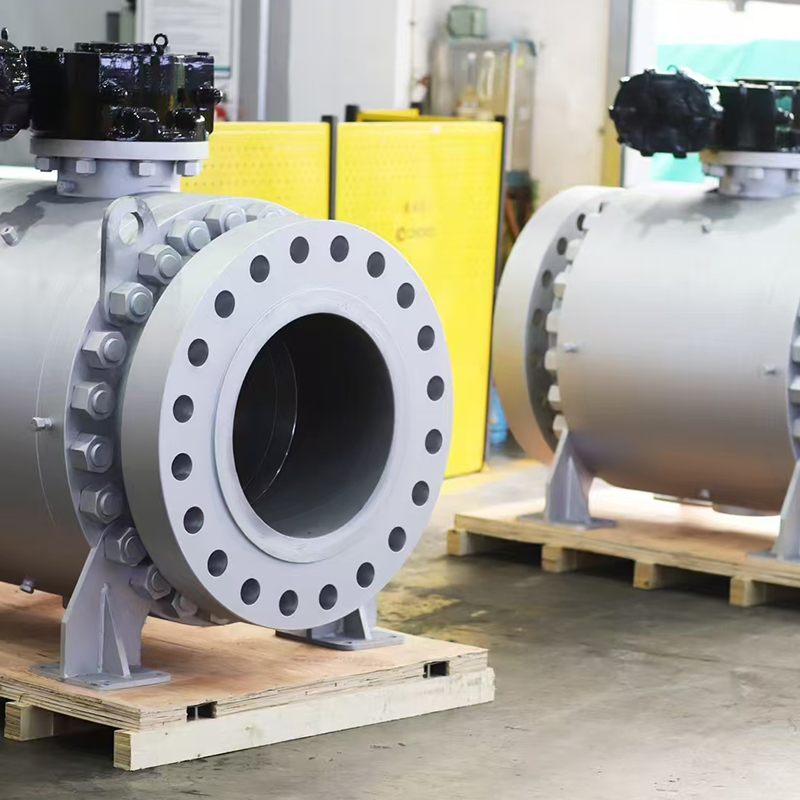
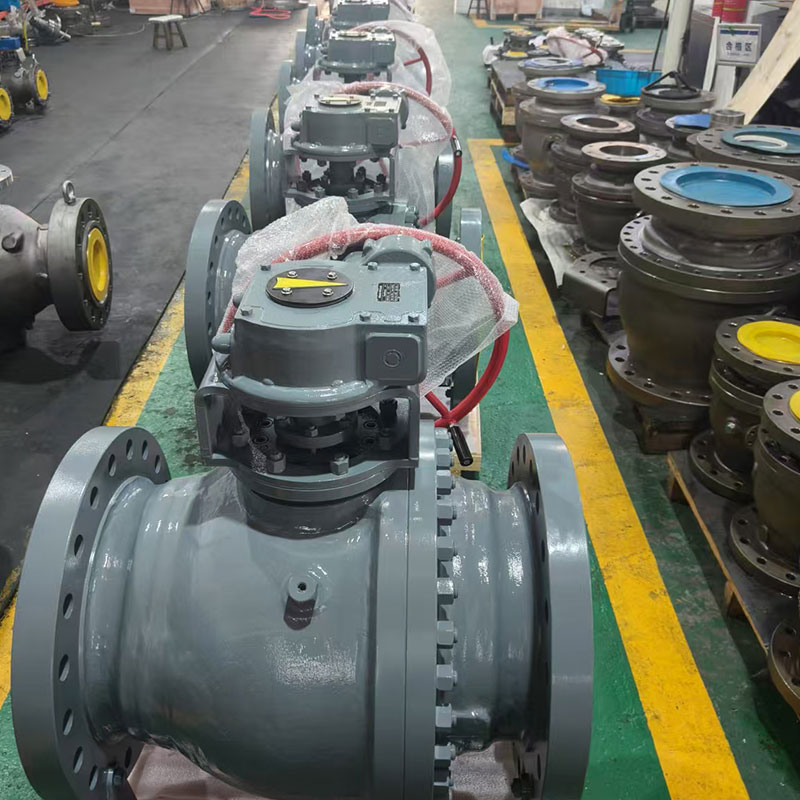
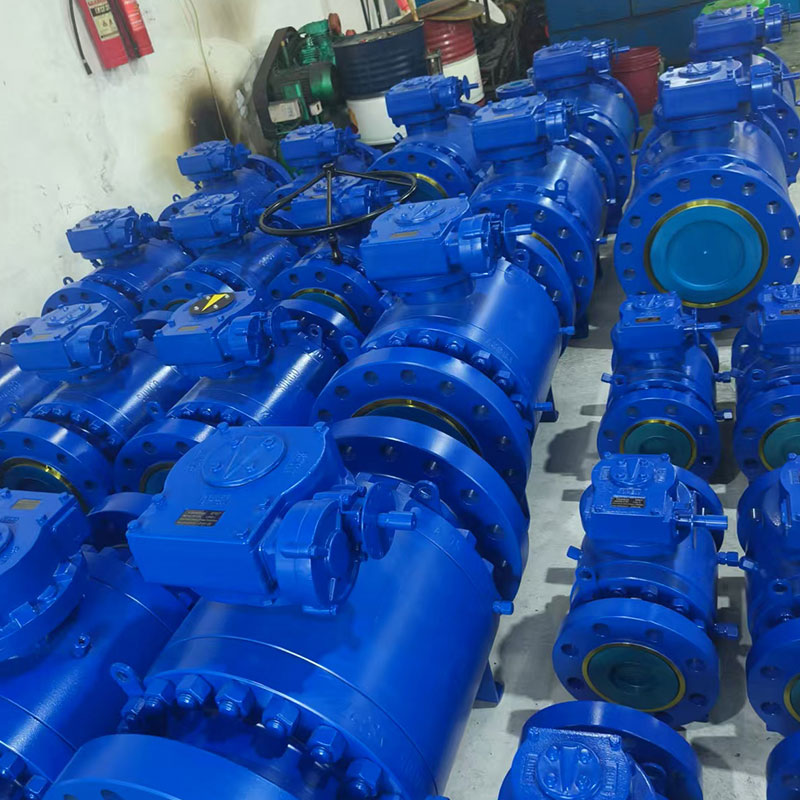
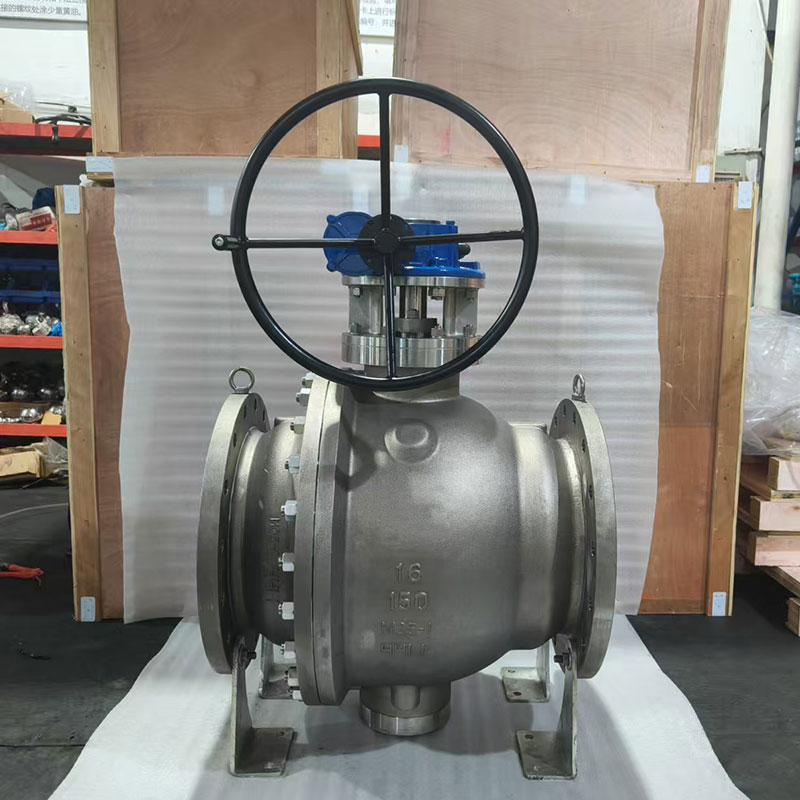
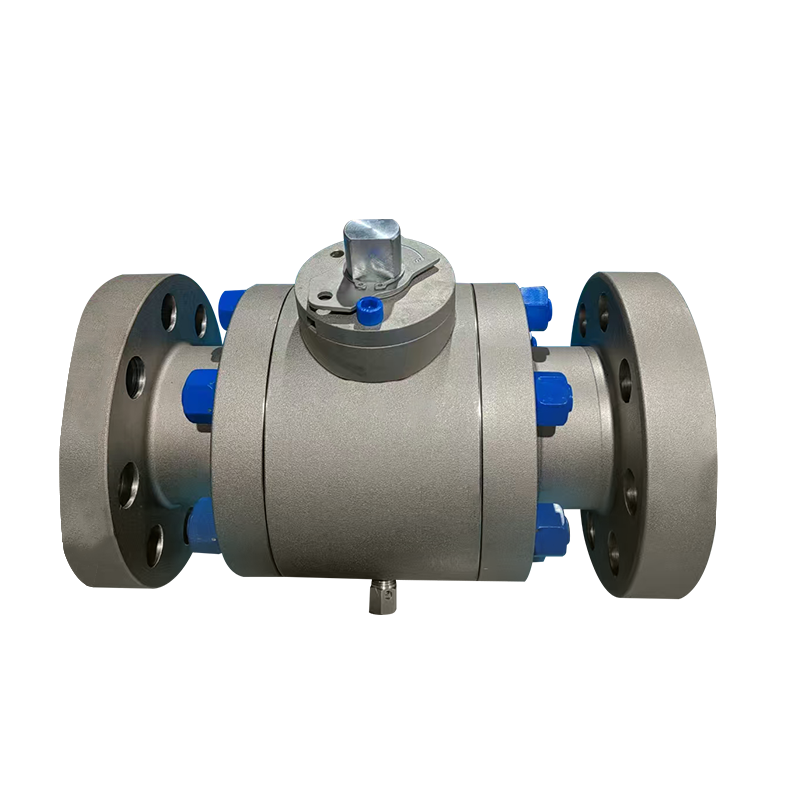
A Trunnion Ball Valves design uses a ball that is held in place by fixed support points at both ends. The ball rotates only when the stem turns, allowing flow to pass or be blocked inside a pipeline. Because the ball does not move freely with pressure changes, the internal contact between parts stays more predictable during operation.
In many pipeline setups, flow control depends on how smoothly the internal element moves between open and closed positions. With a trunnion structure, the ball keeps its alignment even when the system is under load. This reduces shifting inside the valve body and helps maintain steady flow behavior.
Main structural parts usually include
| Position | Flow Condition | Internal Behavior |
|---|---|---|
| Open | Flow passes | Ball aligned with pipe |
| Closed | Flow blocked | Ball turned across path |
| Partial | Limited flow | Ball in mid rotation |
Trunnion Ball Valves are often used where stable alignment inside the pipeline is needed during repeated switching.
Inside a pipeline, pressure can push against internal valve parts and increase resistance during movement. In a Trunnion Ball Valves structure, the ball is held in place by fixed supports, so it does not shift when pressure builds. This helps keep the turning motion more controlled.
In comparison, designs where the ball floats slightly may require more force to rotate, since the ball can press harder against one side of the seat. The trunnion arrangement reduces this uneven contact.
Factors that influence rotation effort include
Trunnion Ball Valves are often chosen when consistent operation is needed in larger pipelines where movement force would otherwise increase with size.
Pipeline systems in demanding environments often face changes in pressure and flow conditions. A Trunnion Ball Valves design helps keep the ball steady in position, even when internal forces vary during operation.
One important aspect is that the ball does not depend on fluid pressure to stay seated. Instead, it is supported mechanically, which helps maintain more consistent movement when switching between open and closed states.
Common reasons for selection include
In pipeline sections where fluid direction must be controlled regularly, steady mechanical response becomes important. The trunnion structure helps keep operation behavior more uniform over time.
How to select trunnion ball valves based on pressure temperature and media conditions
| Condition | Key Focus | Valve Behavior Consideration |
|---|---|---|
| High pressure | Internal stability | Support structure strength |
| Temperature variation | Material response | Seal compatibility |
| Mixed or abrasive flow | Wear resistance | Seat durability |
| Frequent cycling | Movement smoothness | Torque consistency |
In Trunnion Ball Valves, the sealing choice shapes how the valve behaves during service. A soft seat usually gives a closer fit against the ball surface and is often used when a tighter shutoff is needed under smoother working conditions. A metal seat relies on harder contact faces, so it is usually considered when the system faces more wear, heat, or repeated movement.
Soft seat and metal seat do not really compete in the same way. They fit different working needs. A soft seat can feel more forgiving in cleaner conditions, while a metal seat tends to hold its shape when the operating environment becomes more demanding. The right choice depends on what the pipeline is carrying and how often the valve needs to move.
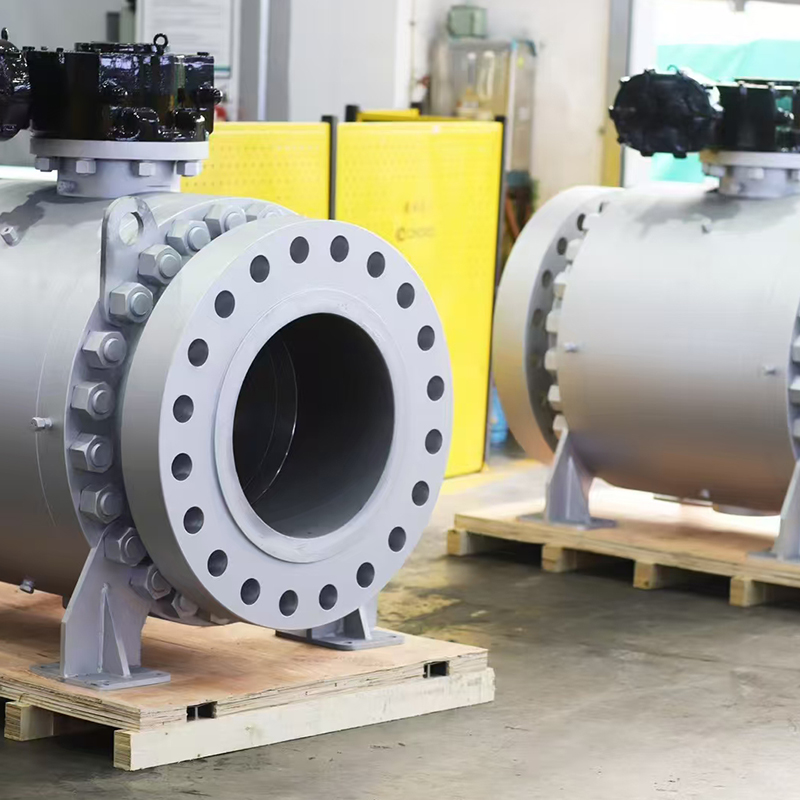
Double block and bleed means the valve can shut off flow from both sides while also allowing the space between the sealing points to be released or checked. In Trunnion Ball Valves, this arrangement is useful when a section of pipeline needs to be isolated for service or inspection.
The value of this setup is easy to see in day to day operation. It gives operators a way to separate a section more carefully and check whether the seal is holding. That middle space also helps remove trapped pressure before work begins, which adds another layer of control in the system.
Several things can change how well the seal performs over time:
In Trunnion Ball Valves, these changes may not show up at once, but they can build up gradually. That is why the sealing condition often needs attention during regular service checks.
Keeping Trunnion Ball Valves in steady working condition usually starts with simple inspection. The movement should stay smooth, and any unusual resistance is worth checking early. If the valve begins to feel harder to turn, that may point to internal wear or buildup.
Sealing surfaces also need attention. Even when the valve still opens and closes, small changes inside the contact area can affect shutoff quality. External parts matter too, especially the stem and supporting connection, since alignment influences how evenly the internal parts work together.
Regular care does not need to be complicated. It is mostly about noticing small changes before they become harder to manage.