русский
 عربى
عربى


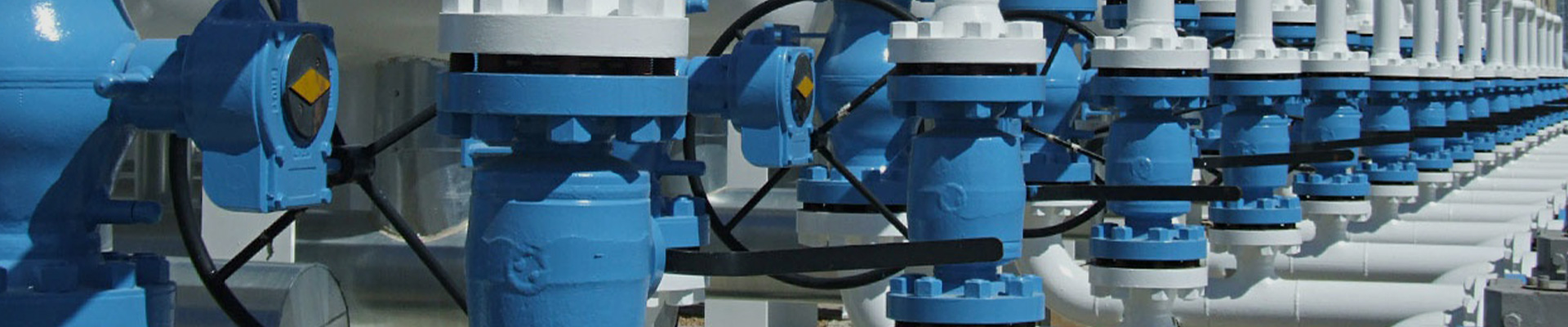
Valves in a water treatment plant or chemical line deal with moisture, cleaning agents, and process liquids every day. Over time these substances can roughen surfaces, stiffen a handle, or damage a seal. A valve that sticks during a shift change or weeps at the stem becomes a maintenance job nobody planned for.
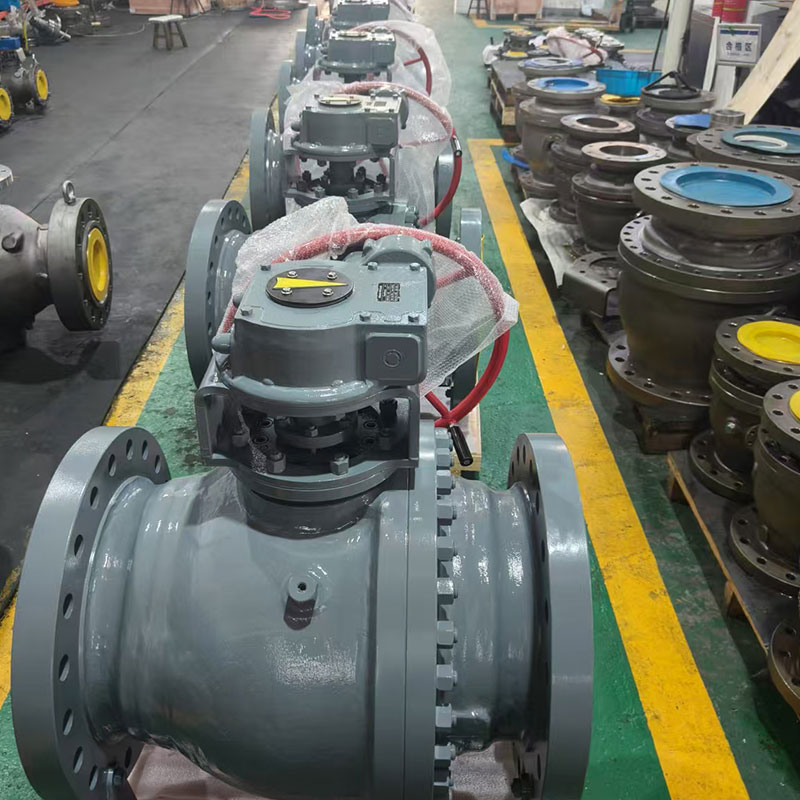
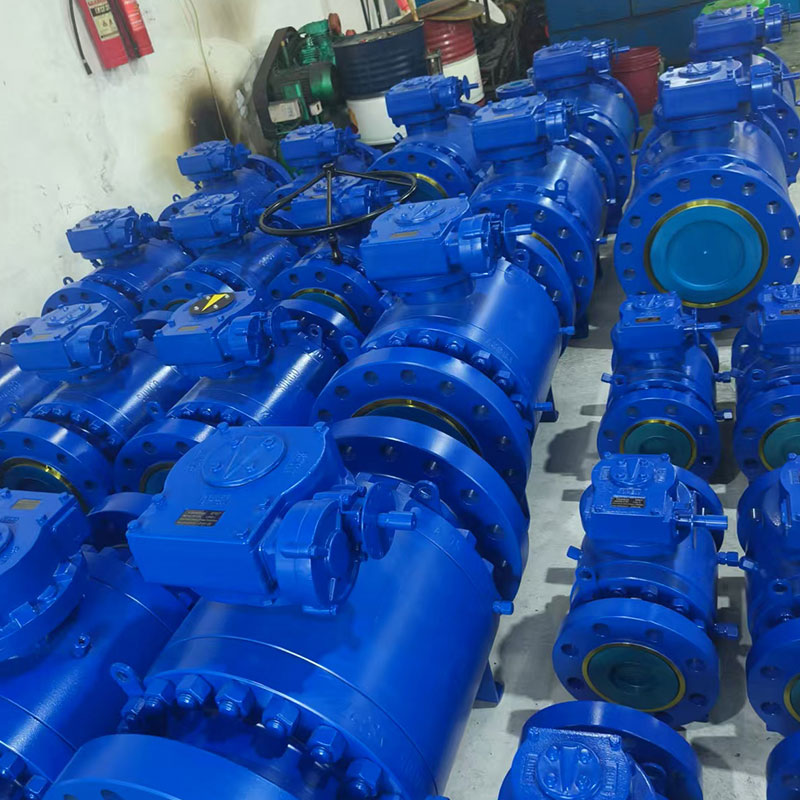
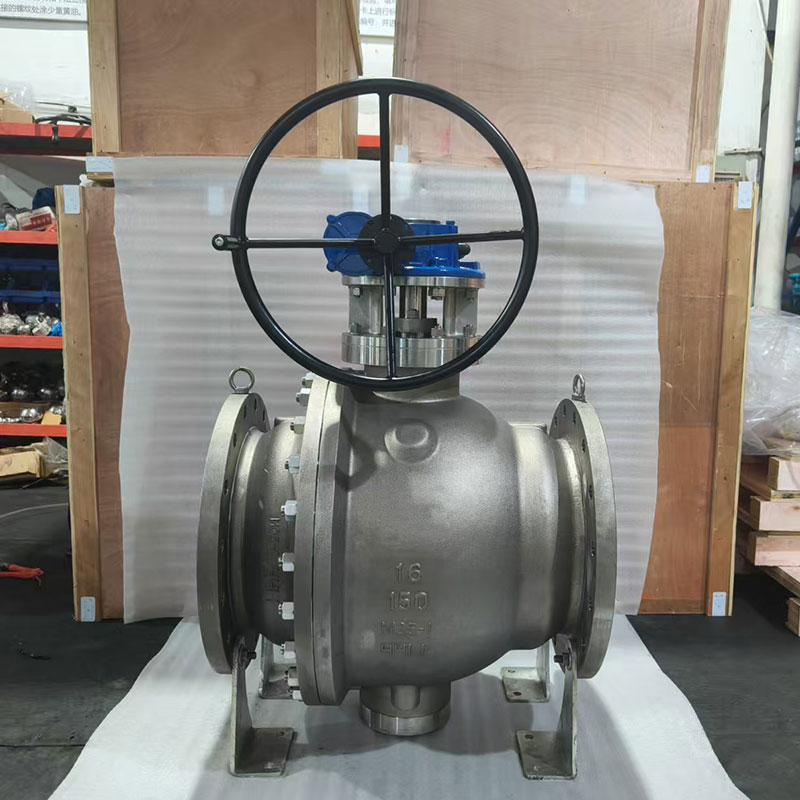
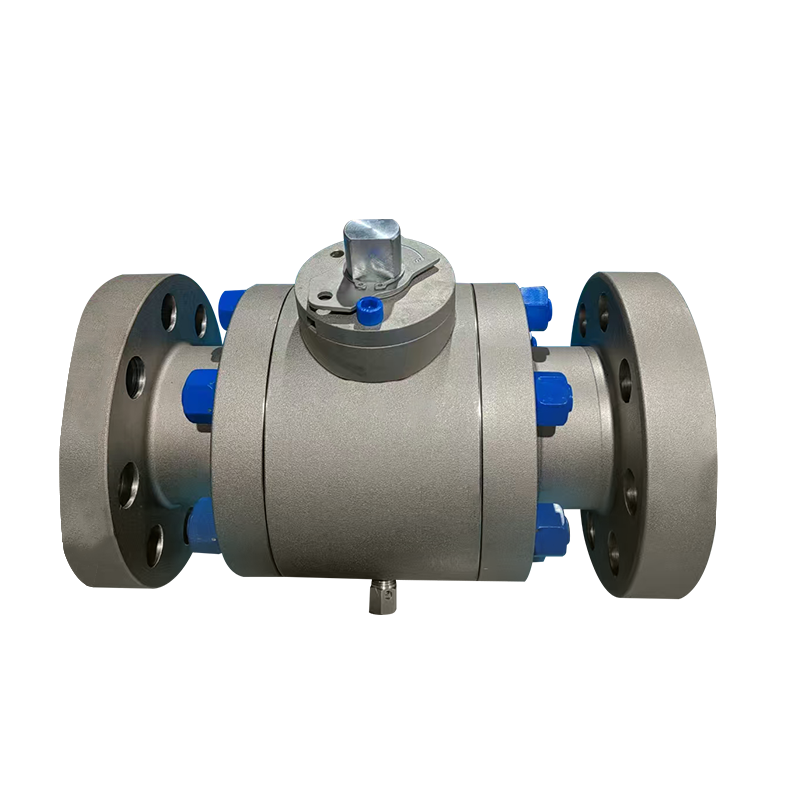
A Corrosion Resistant Ball Valve is built to handle these conditions through its materials and its simple structure. A ball with a bore through the center turns to open or close the passage. The body material is only one piece of the picture, though. Seals, installation, and upkeep decide how the valve behaves after the first few months.
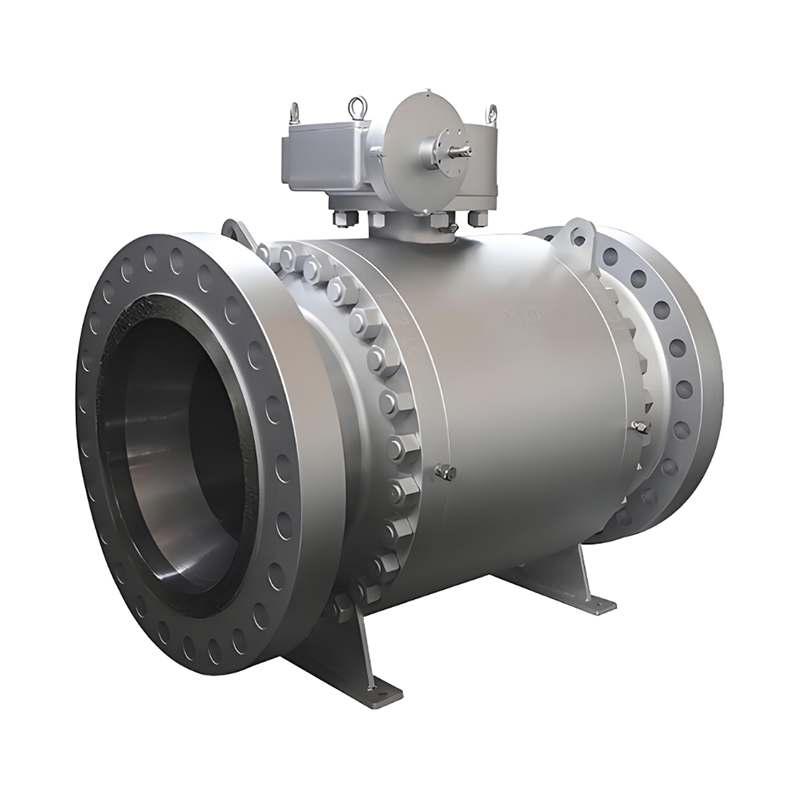
When the bore lines up with the pipe, fluid passes through. A quarter turn of the handle rotates the ball across the pipe and shuts the flow off. That quick action is why ball valves appear in so many plants.
Corrosion resistance means a material can withstand chemical reactions and environmental exposure. Materials respond differently to acids, salts, moisture, and cleaning chemicals, so a material that works in one line may fail in another. The valve has to be chosen for the actual medium, not for its product name.
| Component | Role in Fluid Control |
|---|---|
| Body | Contains the fluid and holds the internal parts |
| Ball | Opens or blocks the passage |
| Seat | Seals around the ball |
| Stem | Carries motion from the handle to the ball |
| Handle or actuator | Lets the operator move the valve |
| Seals | Limit leakage around moving joints |
A corrosion-resistant body does not help much if the seat or stem seal is wrong for the fluid. Each part is a possible weak point, so each one needs checking.
Some metals form a thin protective layer that slows further attack. Stainless steel is a common choice because certain grades handle moisture and a range of corrosive conditions well. It is not immune to everything, and the grade, fluid makeup, temperature, and exposure pattern all change the outcome. Other materials suit specialized duties.
Think about the whole wetted path. Body, ball, stem, seats, and seals do different jobs and meet the fluid in different ways, so their material needs can differ.
| Consideration | Why It Matters |
|---|---|
| Chemical compatibility | Shows whether the material suits the process fluid |
| Moisture exposure | Raises corrosion risk in wet areas |
| Surface condition | Affects cleaning and deterioration |
| Mechanical strength | Supports normal operation under load |
| Seal compatibility | Keeps joints tight over time |
| Maintenance needs | Shapes inspection and replacement plans |
Industrial fluids vary widely. A water treatment line may carry treated water plus cleaning agents. A chemical plant may carry liquids that attack metal or soften rubber. Production equipment may switch between process liquids and flushing fluids within a single day.
Start by listing every substance that touches the valve. That includes the normal medium and any cleaning or flushing fluid. Share that list, along with temperature and cleaning routines, with the supplier so the proposed materials can be reviewed against real conditions. Tolerating one liquid on its own is not enough proof of compatibility.
Corrosion changes surfaces gradually. A rough ball makes the handle harder to turn, and a damaged sealing area raises the chance of leakage. Depending on the damage, the fix may be inspection, repair, or replacement.
Materials matched to the environment reduce these risks when the valve is installed and maintained correctly. Build quality matters as well. Careful machining, suitable surface finishing, and accurate fit between parts give the valve predictable movement.
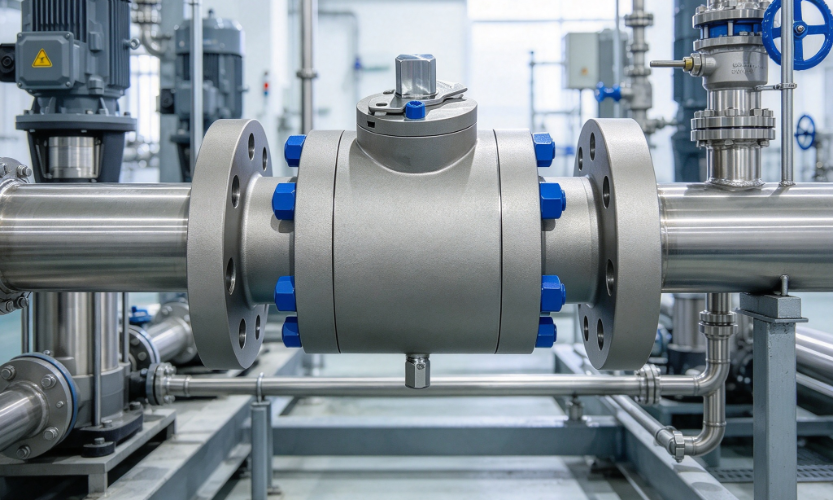
Seals deserve separate attention. Seats press against the ball, and other seals contain the fluid around the stem and connections. These parts face wear, temperature changes, and chemical contact that the body may never see.
A body can resist corrosion while a seal swells, hardens, or wears out. Operators often notice this as a slow drip at the stem or a handle that feels different than before. Judge the complete assembly, not only the body material, and replace seals following the maker's guidance.
Needs differ by industry, so the choice depends on the medium, operating conditions, and pipe layout.
| Industry | Common Consideration |
|---|---|
| Water treatment | Moisture and water chemistry |
| Chemical processing | Compatibility with process fluids |
| Food and beverage | Cleanability and applicable material rules |
| General manufacturing | Resistance to process liquids and cleaners |
| Industrial utilities | Operating conditions and routine upkeep |
A valve that suits one water system may not suit a chemical line with different exposure. Treat each application on its own terms.
Corrosion adds workload when it affects moving parts, sealing surfaces, or connections. A suitable material choice cuts the maintenance caused by deterioration in the intended environment. It does not remove maintenance altogether, because seals wear, deposits form, and repeated operation takes a toll.
A practical routine looks like this:
Planning service around the real process lets operators schedule work with less disruption to production.
Design also shapes how a valve behaves. Many ball valves are intended for full open or full closed use. Holding one partly open for long periods can wear the ball and seats, depending on the design and the process. Decide whether the job is simple isolation, frequent switching, or finer flow control, and pick the valve for that role.
A well-chosen valve can still struggle after poor installation. Misaligned pipework puts stress on the body and connections. A valve mounted where nobody can reach the handle is hard to inspect or service.
Before fitting, confirm that the valve matches the pipe connection and operating conditions. Clear debris from the line, since grit can scratch the ball and damage sealing surfaces. Check the manufacturer's instructions for flow direction where the design calls for it, and support the pipe so the valve carries no extra strain.
Valves from different suppliers often look alike from the outside. Questions help separate them:
Quality depends on more than material choice. Machining, finishing, assembly, and inspection all shape the finished product. The ball should move smoothly, the seats should fit correctly, and the seals should be installed as specified. Inspection can cover surface condition, fit, operation, and sealing, and material documents help confirm that supplied parts match the agreement.
For projects that need a specific fit, buyers can send pipeline drawings, a description of the medium, installation details, and the intended function. The supplier can then judge whether a standard valve works or whether a supported change is needed. In bulk orders, confirm materials, product identification, inspection steps, packaging, and delivery documents ahead of time.
OEM changes may involve materials, connections, operating parts, or product marking. Review each one for its effect on compatibility, operation, and compliance. Packaging should protect valves in storage and transit, and export orders need documents that suit the destination market.
Careful selection, correct installation, and regular inspection keep a valve doing its job in the line. When the fluid, the materials, and the operating role are matched from the start, the system runs with fewer surprises.