русский
 عربى
عربى


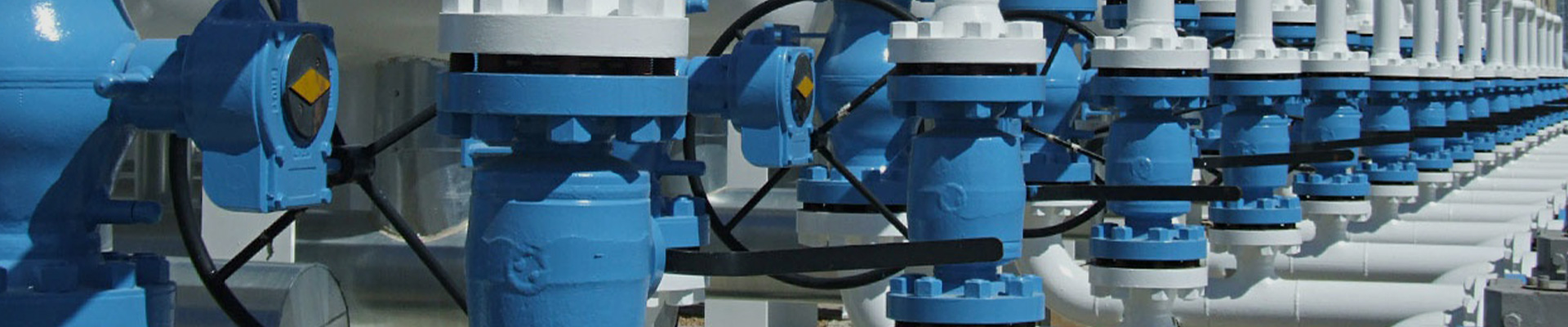
Pipeline systems often stay in service for years, carrying water or other fluids through buildings, production facilities, outdoor installations, and industrial equipment of every kind. Day to day, valves handle repeated opening and closing, shifting flow conditions, and constant contact with whatever fluid moves through the pipe. Once corrosion starts eating into the valve body or its internal components, small problems have a way of snowballing into genuinely larger maintenance headaches.
Rust, leakage, stiff handles, and worn sealing surfaces all interrupt normal use eventually. Replacing a damaged valve in some systems means shutting down part of the pipeline and coordinating around other equipment too, which makes material selection a genuinely important piece of planning any reliable installation from the start.
A corrosion resistant ball valve addresses these concerns when its materials and construction actually suit the operating environment it's placed in. Its real value goes beyond simply resisting visible rust — the body, ball, stem, sealing components, and connections all need working together under whatever conditions they'll actually face. Engineering purchasers and industrial users benefit from understanding these factors clearly, since corrosion resistance ends up shaping maintenance needs, service life, and the long-term cost of running a pipeline system.
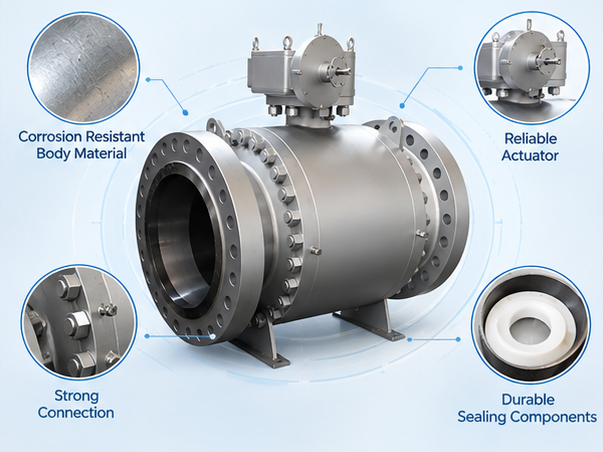
Corrosion happens when a material reacts with whatever surrounds it. In a pipeline system, the fluid, moisture, temperature, and nearby substances all shape how fast that reaction develops, and some materials tolerate a particular environment just fine while others deteriorate quickly under the wrong conditions.
A valve can corrode on its external surface or inside the flow passage itself. External corrosion tends to develop when moisture lingers around the body, mounting points, or connected pipework. Internal corrosion affects surfaces staying in contact with the fluid during normal operation instead.
The effects rarely show up overnight. A valve often keeps functioning while corrosion quietly changes the condition of its surfaces underneath, and over time that damage can disrupt sealing contact, make components harder to move, or weaken areas that genuinely need staying structurally sound.
| Corrosion Concern | Possible Effect on the Valve |
|---|---|
| External surface rust | Deterioration of exposed surfaces |
| Internal surface damage | Changes to the fluid-contact area |
| Corrosion near connections | Greater difficulty maintaining a sound joint |
| Damage to moving parts | Increased resistance during operation |
| Deterioration near seals | Reduced ability to control leakage |
These problems make a strong case for weighing corrosion resistance during product selection rather than waiting until a valve starts failing to think about it. A valve genuinely suited to the fluid and installation environment faces a lower chance of avoidable material damage down the road.
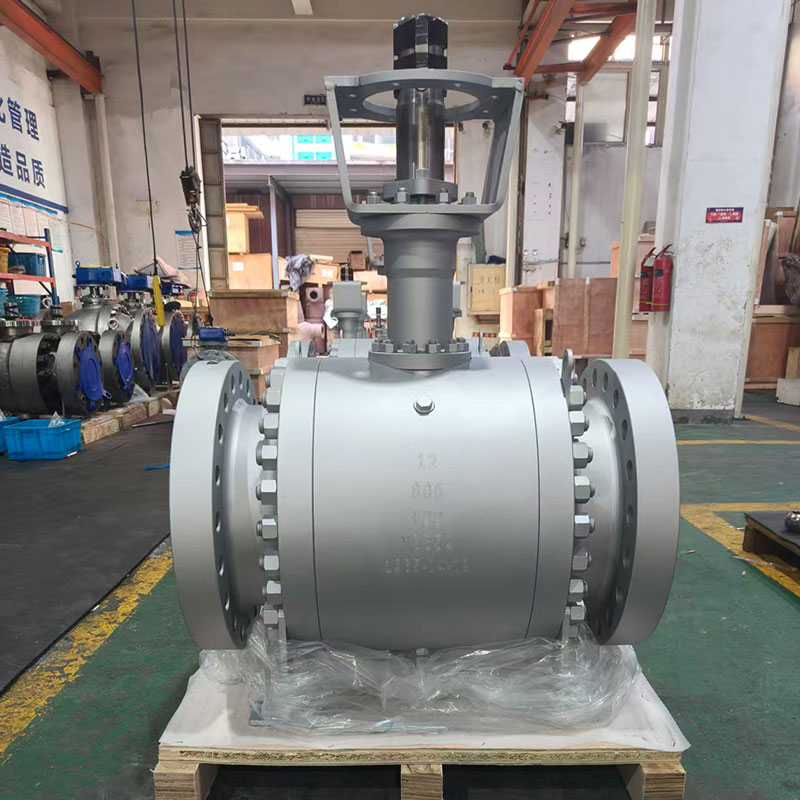
A corrosion resistant ball valve relies on materials or protective features built to withstand the conditions tied to its application. The right choice depends on the fluid, the external environment, and how the valve actually gets used day to day.
Some valve bodies use corrosion-resistant metal alloys, while others lean on suitable nonmetallic materials or protective surface treatments instead. Each approach carries its own limits — a material that performs fine in clean water may fall short with a fluid containing aggressive chemicals or other substances that attack its surface.
Corrosion resistance also hinges on the complete construction, not just one component. A suitable body material can't make up for an unsuitable stem, a damaged coating, or an internal part deteriorating under those same conditions, so buyers do better assessing the product as a full assembled valve rather than fixating on one material label alone.
Protective surface treatments add another layer of defense where they're genuinely appropriate, though the treatment still needs suiting the expected exposure and holding up through normal handling and use over time. For outdoor installations, water collecting around the valve, exposed fasteners, and spots where dirt gets trapped all deserve attention too — suitable material selection paired with thoughtful installation does real work reducing the conditions that invite corrosion in the first place.
Material selection ties closely to the service environment. Different fluids interact with valve materials in genuinely different ways, so picking a material just because it's commonly used in pipeline products misses the point entirely.
Stainless steel shows up in many applications where corrosion resistance matters, though its actual performance depends on the specific grade and the surrounding conditions. Some stainless steel grades still suffer localized corrosion when exposed to unsuitable chemical conditions, deposits, or certain forms of contamination.
Other metal alloys suit particular industrial environments better. Nonmetallic valve bodies work for selected applications too, especially where fluid compatibility and operating conditions support that choice. The decision should weigh required mechanical strength, temperature range, and connection arrangement alongside corrosion resistance, rather than looking at corrosion alone.
| Material Consideration | What Buyers Should Review |
|---|---|
| Valve body | Compatibility with the fluid and external environment |
| Ball and stem | Resistance to wear and corrosion during operation |
| Sealing components | Suitability for the fluid and operating conditions |
| Surface treatment | Intended protection and care requirements |
| Connection parts | Compatibility with nearby pipe materials |
The body, ball, stem, and sealing components don't always share the same material in a given valve. That's exactly why clear product documentation matters for engineering teams needing to confirm whether the whole assembly genuinely fits a particular application.
A durable ball valve handles the conditions tied to its intended use well beyond resisting rust alone. Durability also covers maintaining sound connections, operating as intended, and preserving important internal components throughout normal service.
Once corrosion starts affecting the ball or stem, movement grows less smooth. Deposits or damaged surfaces increase resistance as the valve opens and closes, and if the sealing components deteriorate, leakage can develop even while the handle appears to reach the fully closed position.
A valve genuinely suited to the application cuts down on these avoidable problems. Maintenance teams end up spending less time chasing corrosion-related repairs and unplanned replacements, though actual maintenance needs still trace back to installation quality, operating conditions, and the product's overall condition.
A practical maintenance plan covers regular visual checks, attention to any change in how the valve operates by feel, and inspection for signs of leakage. Unusual resistance, visible damage, or persistent leakage all deserve investigating rather than brushing aside. The goal here isn't assuming a durable valve needs no maintenance at all — it's picking a product that withstands its intended environment and supports a manageable inspection routine across its service life.
Water systems expose valves to a wide range of conditions. Water quality varies site to site, and some installations carry cleaning agents, dissolved substances, or deposits that shift how materials perform. Outdoor pipes and building services add further exposure to moisture and shifting weather on top of that.
A ball valve for water needs selecting around the water type, system requirements, and intended location together. A valve running in a general water supply often has different material needs than one working a process system or a setting where water chemistry demands special consideration.
Corrosion can hit both the inside and outside of the valve at once. Internal damage alters the flow passage or affects sealing surfaces, while external deterioration makes future inspection and maintenance genuinely harder to carry out.
For drinking water applications, buyers also need confirming that materials and product approvals suit contact with potable water specifically. Corrosion resistance alone doesn't establish that a valve belongs in drinking water service. A sound selection weighs fluid compatibility, the surrounding pipework's condition, installation requirements, and the expected maintenance approach together, helping water system operators avoid picking a valve based purely on its general product category.
The sealing structure decides how the valve restricts flow once closed. In a ball valve, sealing components contact the ball directly, helping prevent fluid from slipping through the closed flow path, and their material and condition shape how well that function actually holds up.
Corrosion interferes with sealing once it changes the surface condition of the ball, stem, or nearby components. Particles and deposits add further trouble by entering the sealing area or affecting how the parts move against each other.
A well-matched sealing arrangement suits the fluid and operating environment it's placed in. The seal material needs tolerating expected conditions without swelling, hardening, or otherwise degrading, and the valve body and internal parts need supporting those sealing components exactly as intended.
| Sealing Factor | Why It Matters |
|---|---|
| Seal material | Needs to suit the fluid and operating environment |
| Ball surface | Supports proper contact with the sealing components |
| Fluid cleanliness | Can influence deposits and surface wear |
| Operating frequency | Affects repeated contact between moving parts |
| Installation condition | Helps maintain the intended valve position and connections |
Leakage can stem from several causes, so corrosion shouldn't get treated as the automatic explanation every time. Incorrect installation, worn seals, damaged pipe connections, and unsuitable operating conditions all contribute too. Regular inspection catches changes in sealing performance before they balloon into larger operational problems, and when leakage persists, the valve needs assessing according to the manufacturer's instructions and the site's safety procedures.
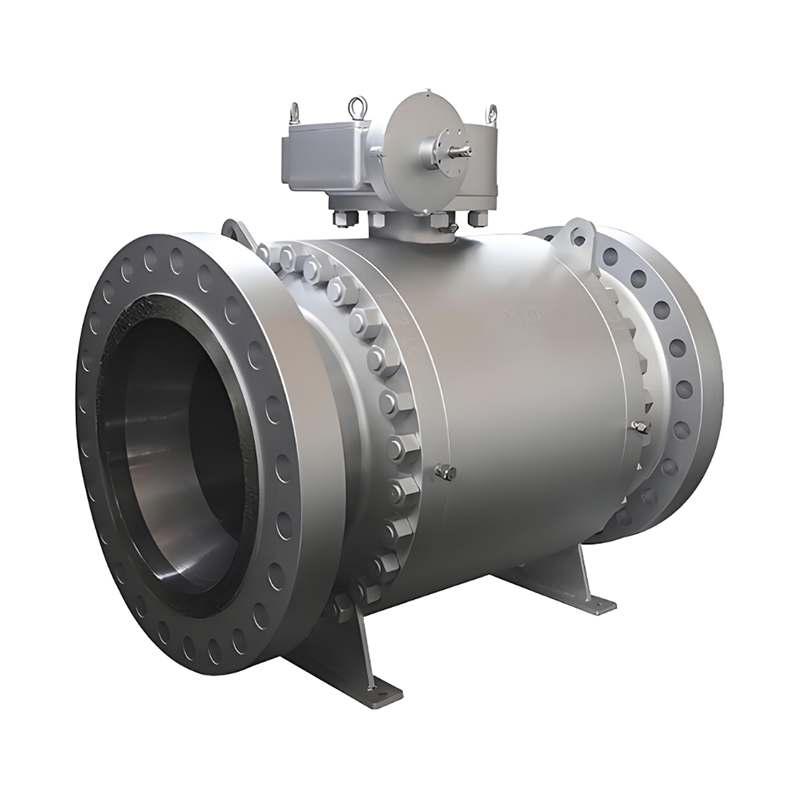
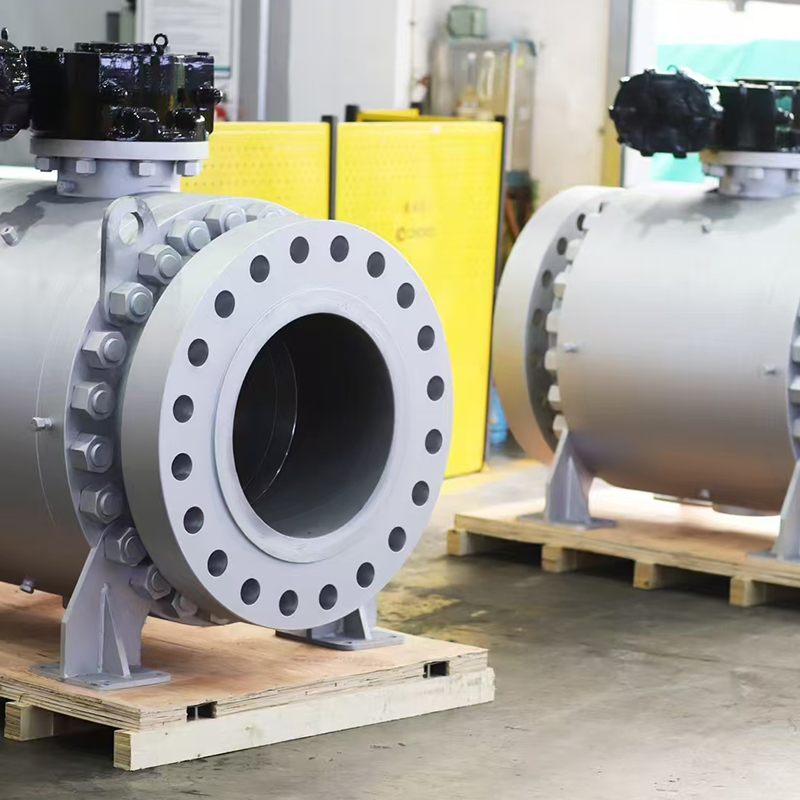
A full-bore ball valve has a flow passage built close to the connected pipe's internal diameter, which cuts restriction through the valve compared with designs running a narrower passage.
Whether that actually helps depends on the pipeline layout and process requirements at hand. Some systems need a genuinely open flow path, while others place more weight on compact dimensions, weight, or a particular control function instead.
Full-bore construction doesn't automatically improve corrosion resistance, though. Material compatibility and internal surface condition still matter regardless of passage size, and if the valve material doesn't suit the fluid, corrosion keeps developing right along the flow path anyway. Buyers do better weighing flow arrangement alongside material and sealing design together, treating full-bore construction as one factor among several rather than a stand-in for corrosion protection.
Where flow access genuinely matters, reviewing the valve passage, connection size, and surrounding pipework together helps engineers land on a product that fits the intended service.
Pressure and temperature shape the demands placed on a valve body, its seals, and its moving components. A product suited to one operating environment may fall short in another, even when both systems carry fairly similar fluids.
Pressure shapes the forces acting on the valve and its connections. Temperature affects material properties, clearances, and sealing behavior in turn, and these factors also shape how corrosion-resistant materials hold up over time depending on the fluid and overall conditions involved.
Buyers do well reviewing the manufacturer's stated operating limits closely and confirming the product genuinely suits the actual service requirements. A corrosion-resistant material doesn't automatically mean the complete valve handles every pressure or temperature condition thrown at it.
This relationship matters a great deal in industrial piping specifically. Shifts in operating conditions place added demands on the valve and its seals, so material selection shouldn't get separated from the wider system design. Engineering teams do well assessing the fluid, operating range, expected changes in service, and installation arrangement before settling on a valve model, which keeps material choice from becoming the only factor weighed in deciding service life.
Installation shapes how a valve responds to its environment just as much as material choice does. Poor alignment, unsuitable pipe support, trapped moisture, and contact between incompatible metals all create conditions contributing to damage or complicating future maintenance.
A valve needs installing according to the manufacturer's instructions from the start. Connected pipework should support the assembly without placing unintended stress on the body or its connections, and the operating handle or actuator needs staying accessible for inspection and normal use alike.
Outdoor installations call for extra attention toward water drainage, exposure, and physical protection. Spots where moisture or debris collects deserve a close look during planning, and where dissimilar metals meet, engineers need weighing whether that combination could invite corrosion under local conditions.
Good installation won't eliminate every corrosion risk out there, but it genuinely cuts avoidable exposure and helps preserve the equipment's condition over time. Maintenance access matters just as practically — a valve shoved into a cramped or obstructed location becomes harder inspecting, letting small leaks or visible deterioration slip past unnoticed. Planning for access upfront supports genuinely more consistent maintenance across the pipeline's whole service life.
Purchasing teams often compare products across different suppliers while keeping project requirements consistent throughout. Price and delivery terms matter, sure, but neither one tells a buyer whether a valve actually suits the fluid or installation environment at hand.
The product description should spell out the relevant body and internal materials, sealing arrangement, connection type, and intended service conditions clearly. Buyers also need checking whether the valve's stated pressure and temperature limits genuinely match the system requirements in front of them.
For water applications, suitability for the intended water type needs confirming directly. For industrial fluids, material compatibility often calls for a more detailed review altogether. Product approvals and supporting documentation deserve checking wherever the application or destination market requires them.
A useful sourcing checklist runs through confirming the fluid and surrounding environmental conditions, reviewing the body, ball, stem, and sealing materials, checking the valve's stated operating limits, confirming connection type and installation requirements, reviewing the expected maintenance and inspection approach, requesting relevant product documentation and conformity information, and inspecting samples or supplied units when the project calls for additional acceptance checks. These steps help purchasing teams compare products against the installation's actual needs, giving everyone a clear basis for communicating requirements to suppliers before placing an order.
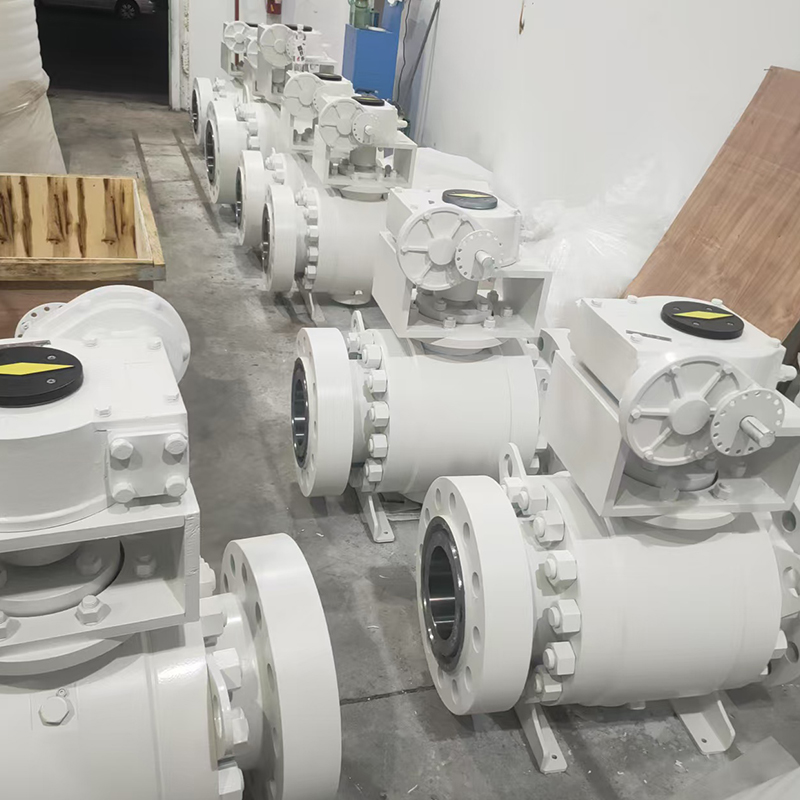
Large pipeline projects often need many valves fitting one shared set of specifications. Differences in materials, connections, or sealing components create real headaches later when replacement parts or additional units become necessary.
Batch acceptance procedures help buyers confirm supplied products match the agreed requirements. Depending on the project, that inspection might cover model identification, material documentation, visual condition, connection details, and other checks spelled out in the purchase agreement.
OEM customization becomes relevant too when a project needs a particular connection arrangement, body material, handle design, marking method, or packaging format. Customization should stay within the limits of the intended application and never substitute for proper design review along the way.
Clear communication matters a great deal when sourcing custom products. Buyers should hand over the expected fluid, operating conditions, installation details, and applicable compliance requirements upfront, letting suppliers assess whether the requested design and materials genuinely fit. For repeat orders, keeping product specifications and acceptance records organized helps maintain consistency over time — particularly useful when valves run across several locations or need replacing as part of a planned maintenance program.
Corrosion-resistant materials cut down on some forms of deterioration, but they don't make a valve immune to damage entirely. The product's condition still shifts because of unsuitable service conditions, physical impact, deposits, seal wear, or installation problems that crop up along the way.
Routine inspection catches visible changes before they interfere with normal operation. Maintenance teams can watch for surface discoloration, leakage around connections, damage to the housing, and any shift in the effort needed to operate the valve.
Inspection should follow the product instructions and site safety procedures closely. Where internal examination becomes necessary, the relevant pipeline section needs isolating and making safe before work starts. Repairs belong with qualified personnel using suitable replacement parts and approved procedures throughout.
Maintenance records help identify repeated issues and guide future purchasing decisions down the line. If corrosion keeps showing up in the same spot across several valves, the cause may trace back to the fluid, nearby materials, environmental exposure, or installation method rather than the valve itself. For a durable ball valve, suitable material selection, sound installation, compatible sealing components, and regular inspection all work together supporting reliable service — an approach that helps engineering teams manage corrosion-related risks while keeping maintenance decisions genuinely connected to the pipeline system's actual conditions.