русский
 عربى
عربى


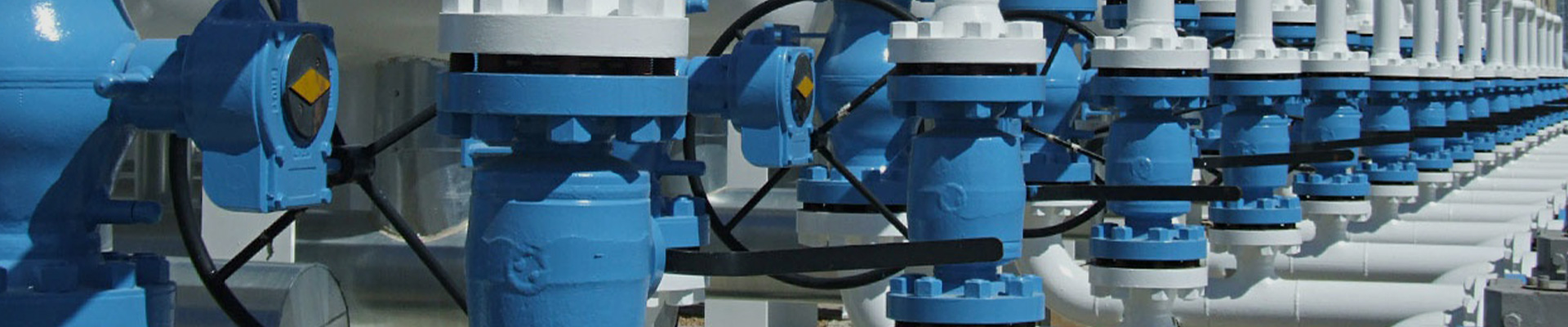
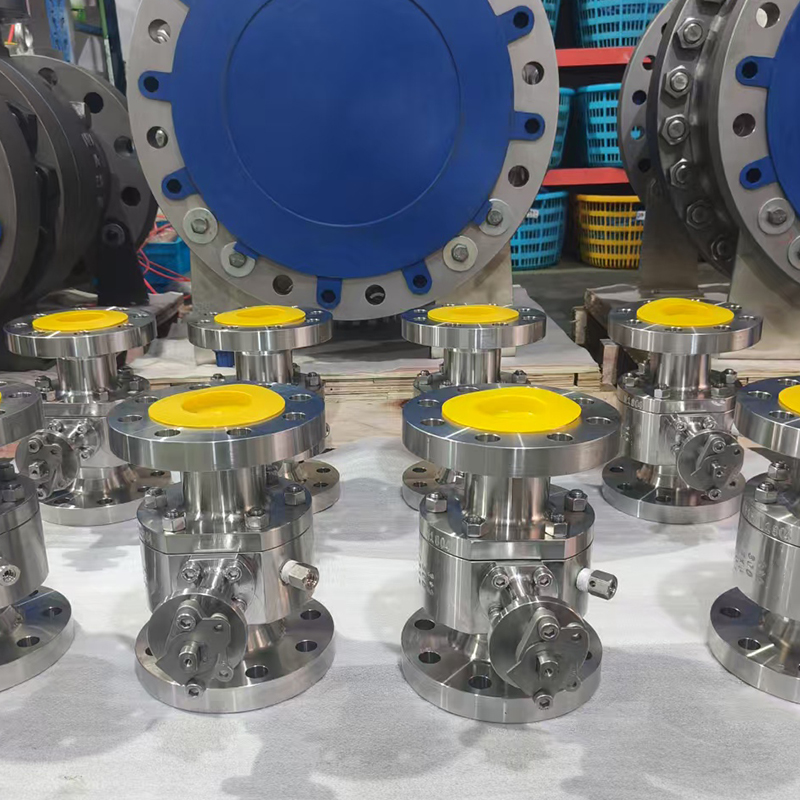
Valves are key components in controlling the flow of liquids and gases in plumbing, heating, and industrial systems. American Standard Valves are widely recognized for their reliability, safety, and performance. They are used in homes, offices, factories, and other facilities to manage water, steam, gas, and other fluids. Understanding their features, applications, and benefits helps users make informed choices for their systems.
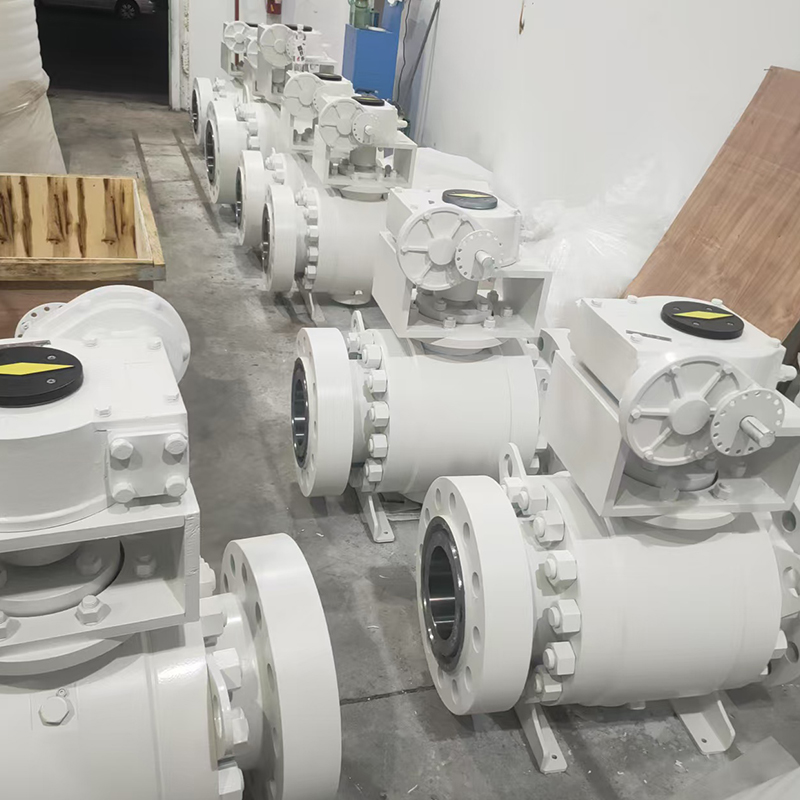
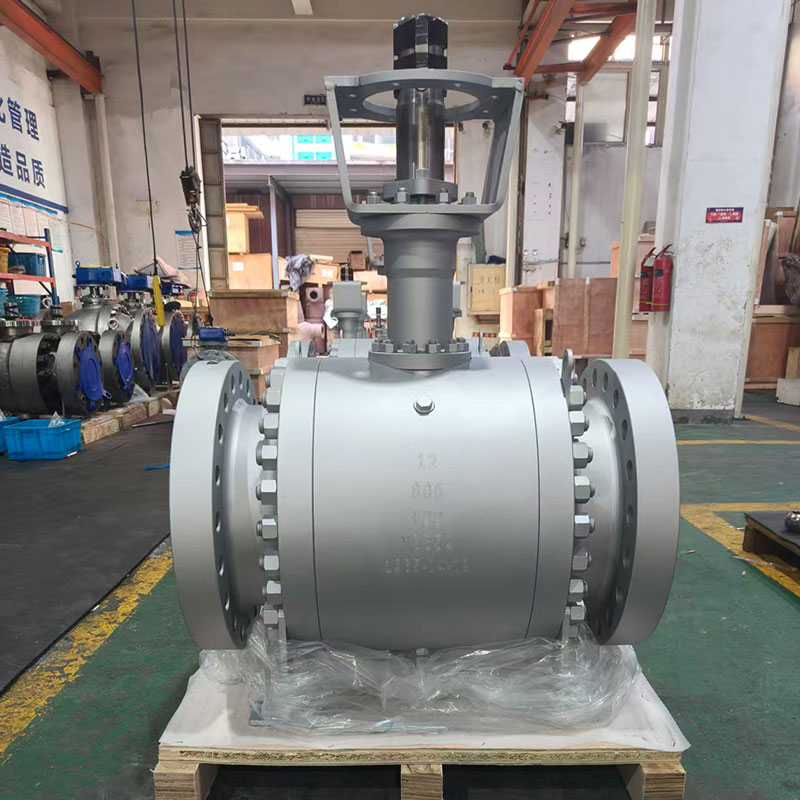
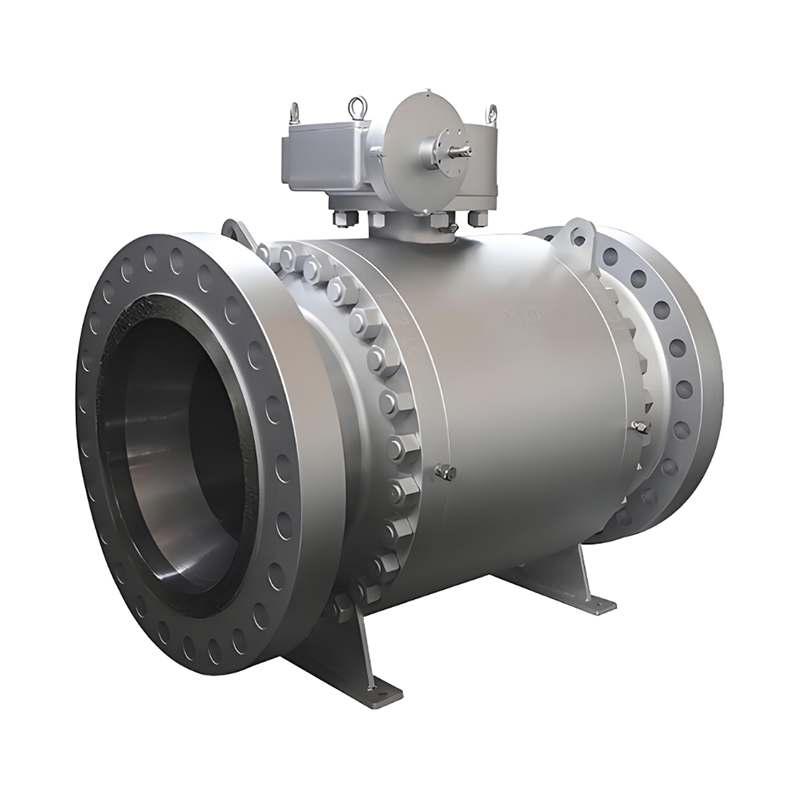
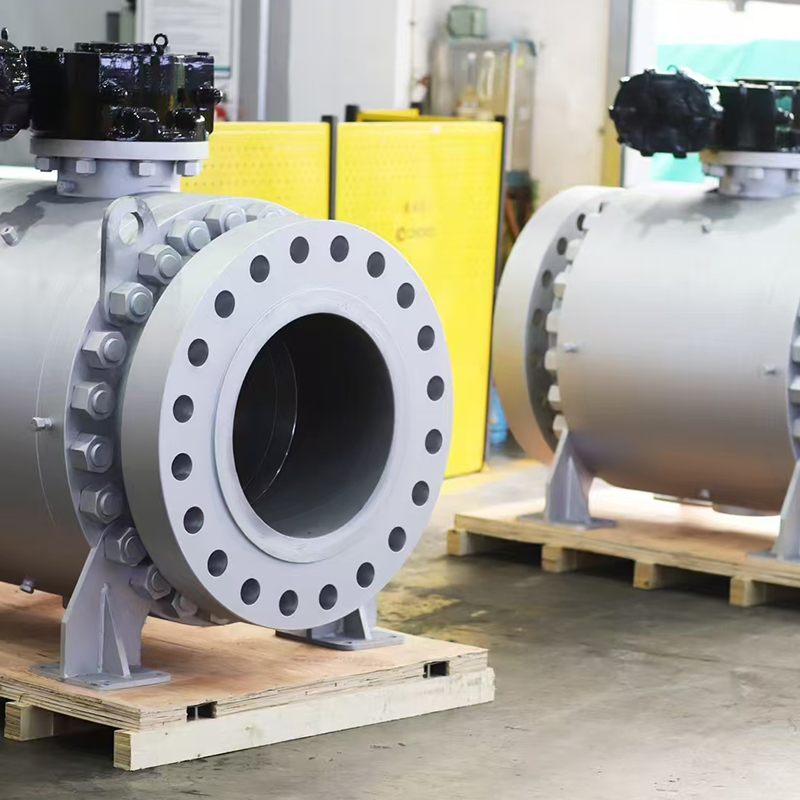
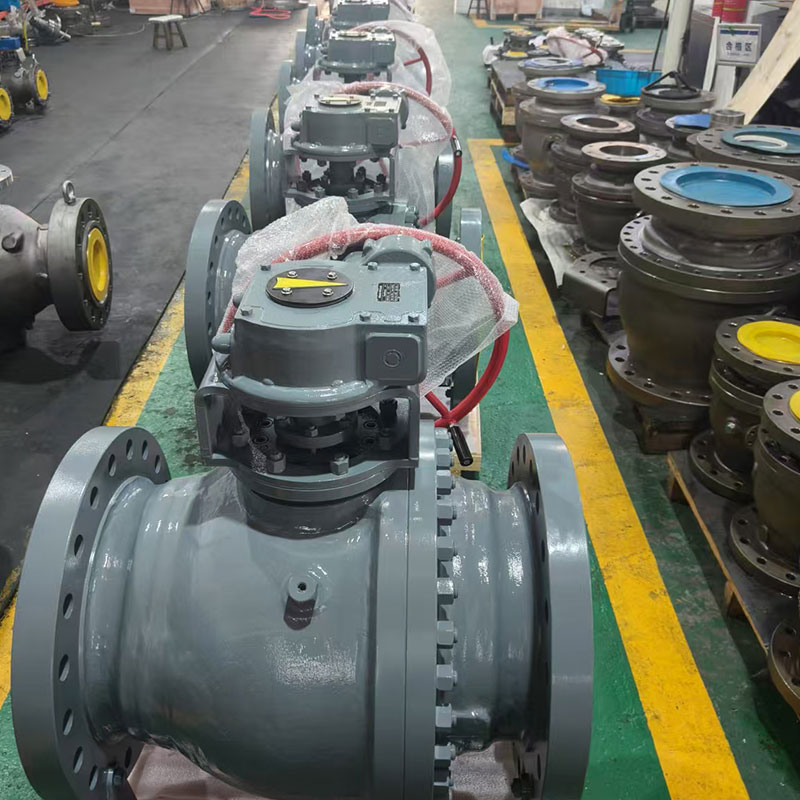
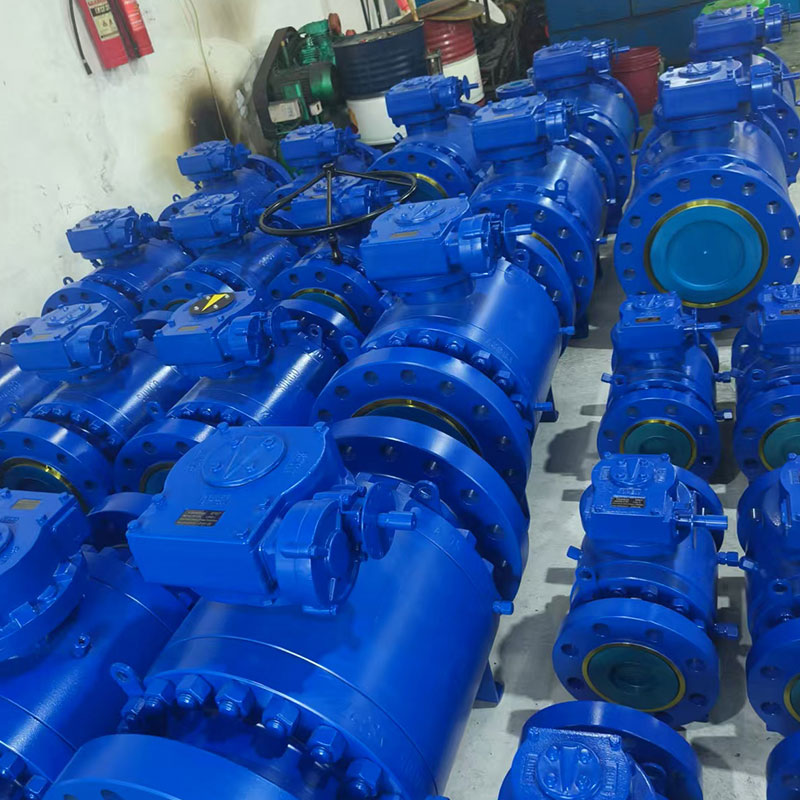
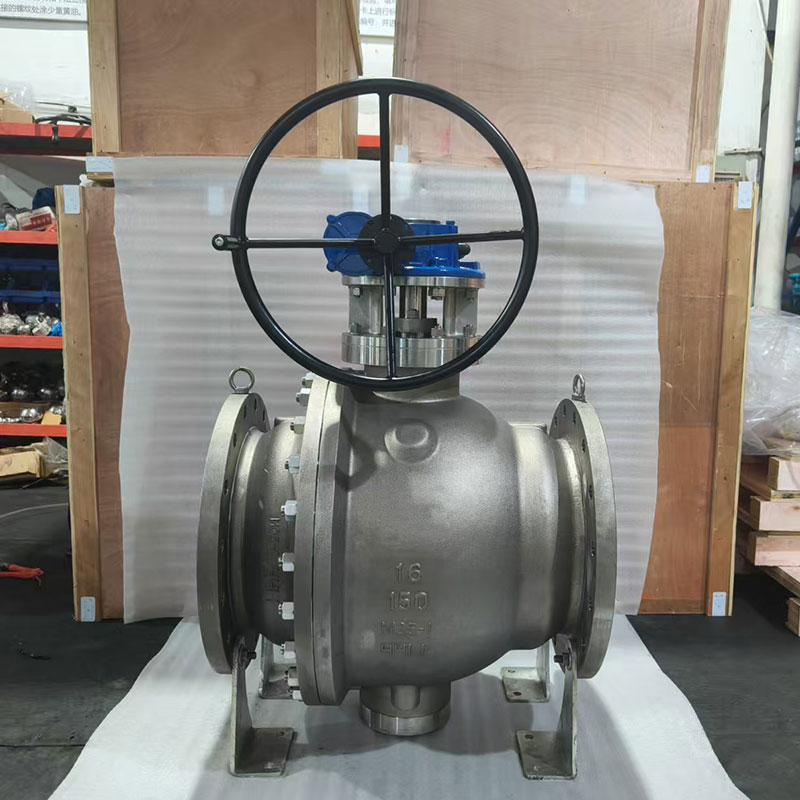
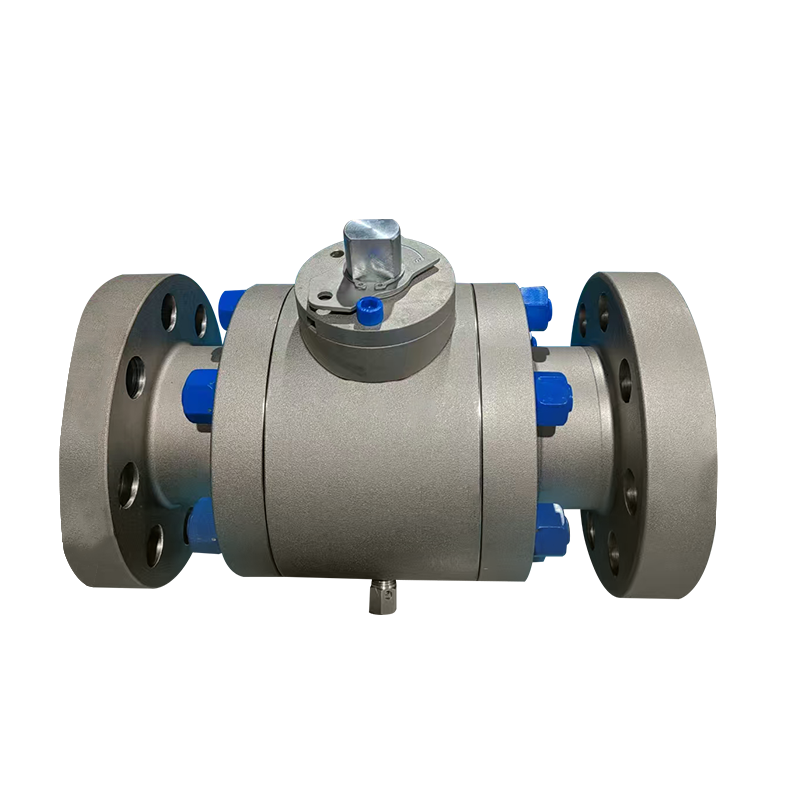
American Standard Valves are devices designed to regulate the flow of liquids or gases. They come in various types, including ball valves, gate valves, globe valves, and check valves, each suited for different needs. These valves are made using durable materials such as brass, stainless steel, or reinforced polymers to ensure long-lasting performance. Their design often meets American plumbing and industrial standards, which helps maintain consistent quality and safety.
a. Reliable Performance
The main advantage of American Standard Valves is their consistent performance under different operating conditions. Whether controlling water pressure in a residential system or regulating steam in an industrial pipeline, these valves are designed to function efficiently and safely.
b. Variety of Designs
A range of valve types is available to meet specific requirements. American Standard Valves include options for full flow, throttling, or pressure regulation, allowing engineers and installers to select the right valve for each application.
c. Durability and Longevity
High-quality materials and precise manufacturing processes help American Standard Valves resist wear, corrosion, and leaks over time. Proper maintenance can extend their service life, making them reliable components in long-term installations.
a. Residential Plumbing
In homes, American Standard Valves control water flow in sinks, showers, toilets, and water heaters. Their reliable sealing and ease of operation ensure that water distribution is safe and consistent.
b. Commercial Buildings
Offices, hotels, and public facilities often require valves for heating, cooling, and water supply systems. American Standard Valves provide control and safety for large-scale plumbing networks, helping prevent leaks and pressure issues.
c. Industrial Systems
Factories, plants, and chemical processing units use valves to manage steam, gas, or other fluids. American Standard Valves are chosen for their ability to handle high pressures, frequent use, and demanding environmental conditions.
a. Type and Function
Selecting the appropriate valve type depends on its intended use. For example, ball valves provide quick shut-off, while globe valves allow for precise flow control.
b. Material Considerations
The choice of material affects corrosion resistance, durability, and compatibility with different fluids. Brass and stainless steel are common choices in residential and industrial applications.
c. Size and Pressure Rating
Valves must match the system's pipe size and pressure requirements. Ensuring correct sizing helps maintain efficiency and prevents damage to both the valve and the system.
American Standard Valves provide dependable performance across residential, commercial, and industrial systems. Their variety of designs, durable materials, and compliance with standards make them suitable for a wide range of applications. By choosing the right type, material, and size, and maintaining the valves properly, users can ensure safe and efficient operation in plumbing, heating, and industrial systems. These valves offer a practical and reliable solution for managing fluids and maintaining system performance over time.