русский
 عربى
عربى


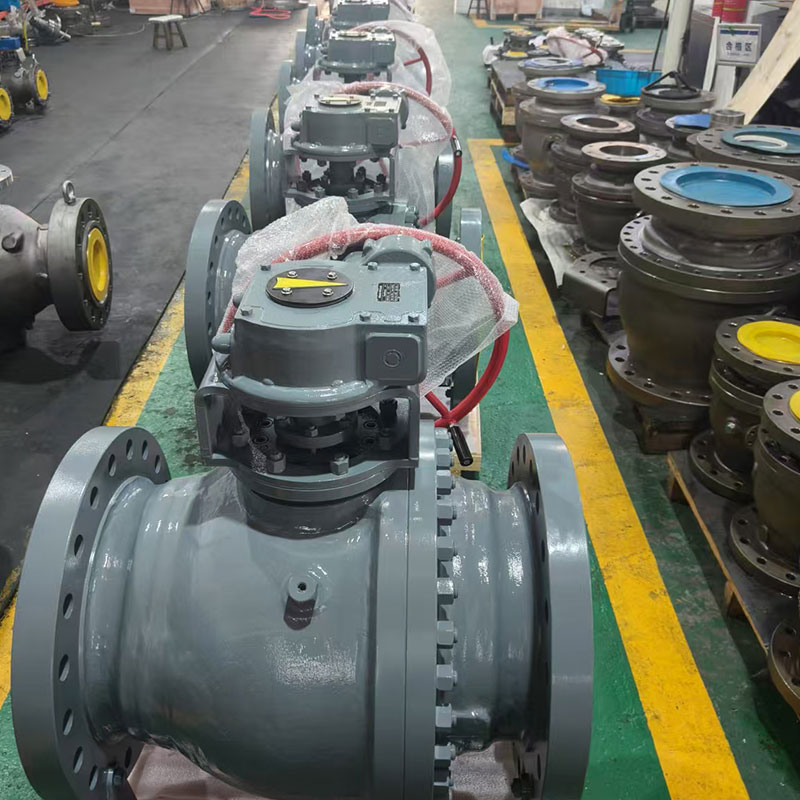
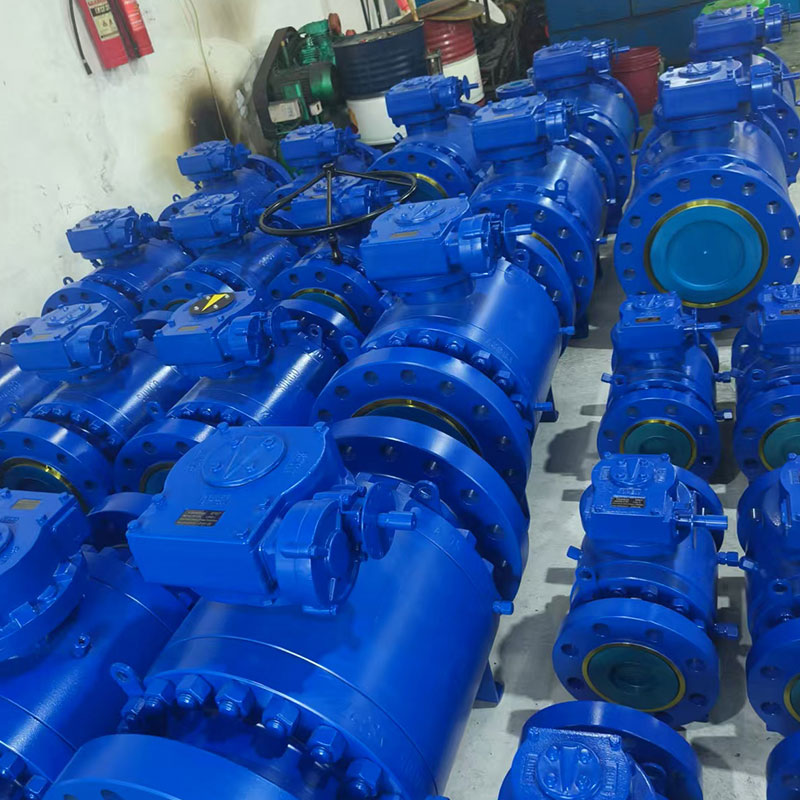
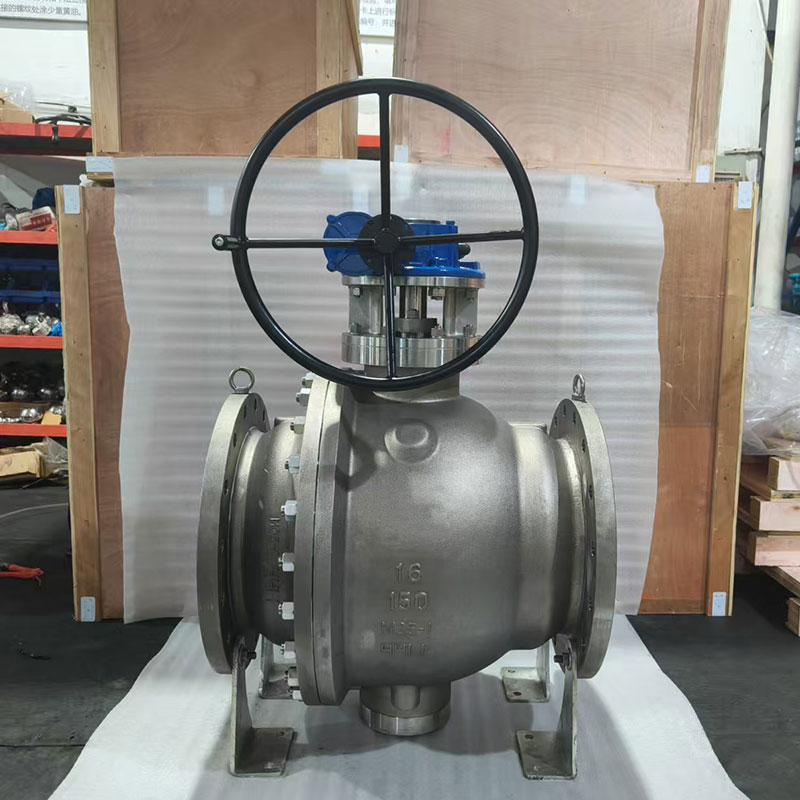
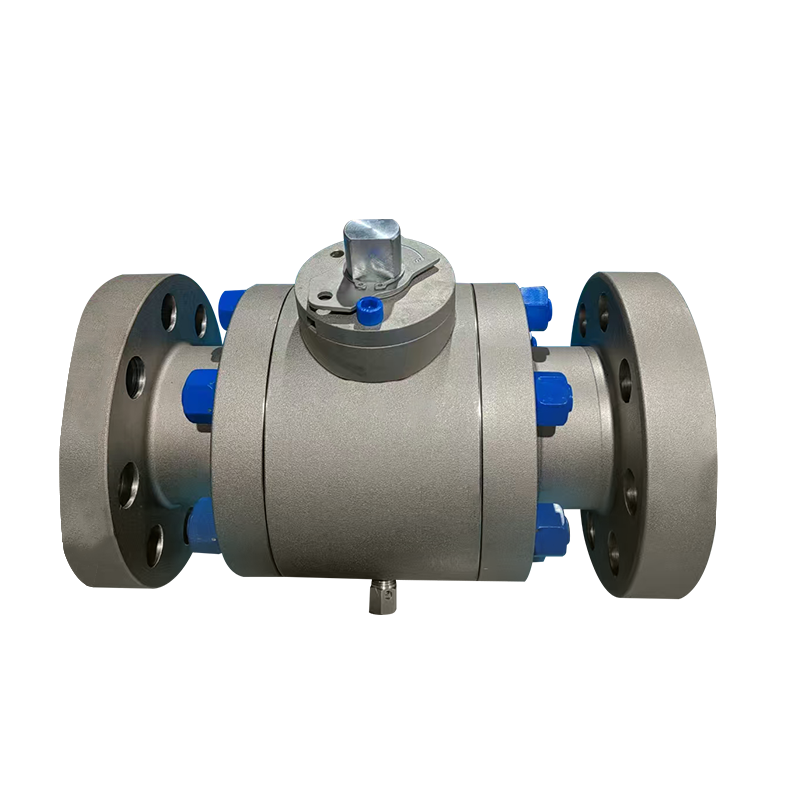
A valve that fails to hold under pressure is not just an inconvenience — it is a process hazard, a maintenance cost, and a safety liability all at once. In industrial pipeline systems, the ability to isolate flow quickly and completely is not optional. It is the baseline. Engineers and procurement teams evaluating flow control components for oil and gas lines, chemical processing loops, or water treatment infrastructure all arrive at the same set of questions: does it seal reliably, does it hold its pressure class, and will it still perform after years of cycling? The ANSI Ball Valve sits at the center of that conversation — a quarter-turn shut-off device built to standardized dimensions and pressure ratings, designed to close tight and stay tight across demanding operating conditions.
ANSI — the American National Standards Institute — does not manufacture valves. It establishes the dimensional and performance frameworks that valve manufacturers must meet to carry ANSI designation. For a ball valve, this translates into several concrete guarantees:
What this means in practice: when a project specification calls for an ANSI-rated valve at a particular pressure class, the engineer knows what they are getting structurally. The pressure rating is not a claim — it is a tested and documented standard.
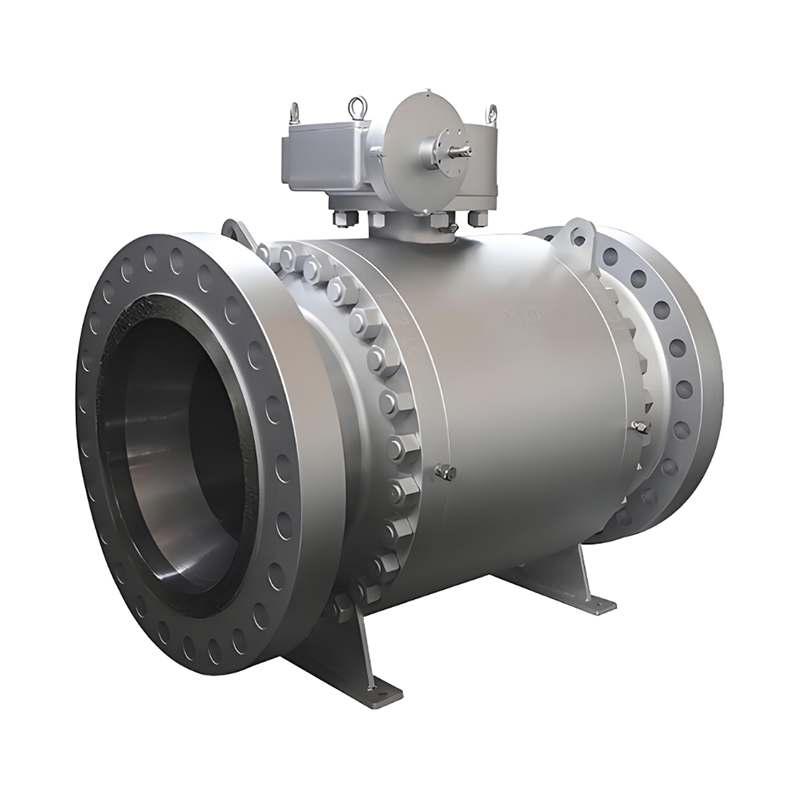
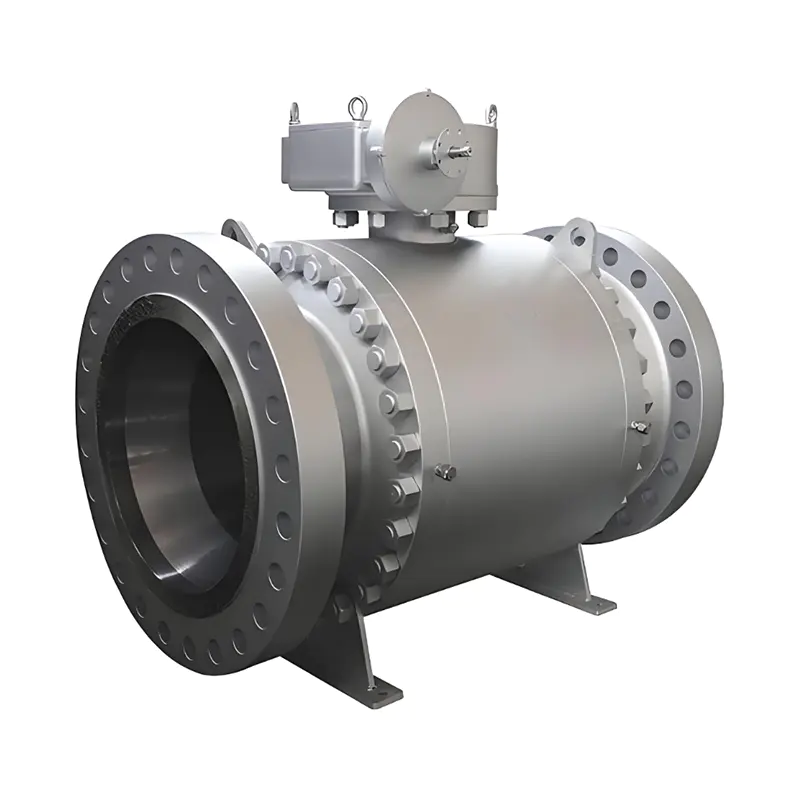
The design is straightforward, which is part of why it works so reliably. A spherical ball with a through-bore sits between two seat rings inside the valve body. When the bore aligns with the pipe axis, flow passes through freely. Rotate the ball ninety degrees — a quarter turn — and the solid face of the sphere blocks the bore entirely. The seat rings press against the ball surface on both sides, creating a seal that isolates the upstream pressure from the downstream side.
No wedging. No multi-turn threading. No gates to seat gradually. The transition from fully open to fully closed happens in a single, fast rotation. That speed matters in emergency isolation scenarios where every second of continued flow has consequences.
The sealing quality depends heavily on the condition of the ball surface and the seat material. A polished ball face and well-fitted seats produce what the industry calls bubble-tight shut-off — no measurable leakage across the closed valve. This is not a claim unique to any one product; it is what properly manufactured and maintained ball valves with appropriate seat materials are capable of delivering.
The seat ring is the contact point between the ball and the valve body — it is where the seal happens, and it is where wear accumulates over time. Seat material selection is one of the more consequential decisions in valve specification.
PTFE (polytetrafluoroethylene) seats are the standard choice for most general industrial applications. PTFE is chemically inert across a wide range of fluids, has a naturally low friction coefficient against metal surfaces, and provides tight sealing under moderate operating pressures. Its limitation is temperature — PTFE softens at elevated temperatures and loses its mechanical properties in cryogenic conditions, though specific grades extend these boundaries somewhat.
Metal seats — typically stainless steel or hardened alloys — are used where PTFE cannot survive. High-temperature steam lines, abrasive slurry service, and applications involving catalysts or erosive particulates call for metal-seated valves. The tradeoff is that metal-to-metal sealing requires very precise surface finishing and higher actuation torque to achieve the same leak-tight performance that soft seats provide more easily.
Reinforced or filled PTFE seats — blended with glass fiber, carbon, or other materials — occupy the middle ground, offering better wear resistance and slightly extended temperature range compared to virgin PTFE while retaining chemical compatibility.
The seat choice shapes not just initial sealing performance but how the valve holds up across thousands of cycles over its service life.
A pressure class is not simply a pressure rating at ambient temperature. It defines the valve body's structural capacity across a range of operating temperatures, reflecting the fact that metal strength changes as temperature rises or falls. A valve rated at Class 300 does not hold the same pressure at operating temperature as it does at room temperature — the rating already accounts for that reduction.
For pipeline engineers, this means the pressure class selection must reflect the actual worst-case operating conditions, not just the nominal line pressure at standard conditions. Elevated temperatures derate the effective pressure capacity. Cycling between high and low temperatures — thermal fatigue — puts additional stress on the body and flange connections over time.
Getting the pressure class right at the specification stage is far less costly than discovering the mismatch during operation.
Even well-specified valves can develop shut-off problems. Understanding the mechanisms helps both with selection and with maintenance planning.
None of these failures are inevitable. They are predictable given the operating context, and they can be managed through appropriate material selection, filtration, maintenance intervals, and actuator sizing.
Choosing a shut-off valve means understanding what each type offers and where each fits. A comparison across the common options clarifies the decision:
| Valve Type | Shut-Off Action | Seal Quality | Cycle Speed | Typical Application |
|---|---|---|---|---|
| Ball valve (ANSI) | Quarter-turn rotation | Tight, bubble-level | Fast | General isolation, emergency shut-off |
| Gate valve | Multi-turn linear | Good when fully closed | Slow | Infrequent isolation, large bore lines |
| Globe valve | Multi-turn linear | Moderate | Moderate | Throttling, flow regulation |
| ANSI Butterfly Valve | Quarter-turn rotation | Moderate to good | Fast | Large diameter, lower pressure systems |
| Plug valve | Quarter-turn rotation | Good | Fast | Slurry, viscous media, corrosive service |
The ANSI Butterfly Valve is worth a specific note. It shares the quarter-turn actuation logic with ball valves and suits large-diameter, lower-pressure pipeline applications where a full-bore ball valve would be heavy and costly. For applications where diameter is large and shut-off does not need to be bubble-tight, butterfly valves are a practical alternative to ball valves at the same pressure class. The two types serve adjacent but distinct needs rather than being direct substitutes.
Ball valves hold an advantage in shut-off tightness and pressure handling across a broad size range. Gate valves remain relevant for large bore, infrequently operated lines where the slower actuation speed is not a concern. Globe valves belong in throttling service rather than isolation. Understanding these distinctions prevents misapplication in either direction.
The industries that depend on tight, reliable pipeline isolation share a common characteristic: the consequence of valve failure is disproportionate to the cost of the valve itself.
Oil and gas — wellhead isolation, pipeline sectioning, and refinery process lines require valves that hold under high pressure and in the presence of hydrocarbons. Material selection for these applications must also account for sour service conditions where hydrogen sulfide is present.
Chemical processing — a wide range of aggressive media, including acids, solvents, and oxidizing agents, demands careful seat and body material matching. Stainless steel bodies with PTFE or reinforced seats are the standard configuration for many chemical lines.
Water and wastewater treatment — municipal and industrial water systems use ball valves extensively for isolation at pump stations, filtration systems, and distribution junctions. Corrosion resistance and long service life between maintenance intervals are the primary concerns.
Power generation — steam and condensate lines, cooling water circuits, and boiler feed systems all involve elevated temperatures and pressures that test the pressure-temperature relationship embedded in the ANSI class rating.
HVAC and industrial utilities — chilled water, heating water, and compressed air systems in large facilities use ANSI-rated ball valves at the lower end of the pressure class range, where reliability over a long service life and ease of maintenance are the deciding factors.
The body material determines how the valve holds up against the fluid it contains, not just mechanically but chemically. A valve body that corrodes or erodes internally undermines both the pressure containment and the ball-to-seat relationship over time.
Common body materials and their primary use contexts:
For procurement teams sourcing from an ANSI ball valve factory, confirming body material and seat compatibility against the actual process fluid is a step that cannot be skipped, regardless of how standard the pressure class looks on paper.
Ball valves are inherently compatible with automated actuation because of their quarter-turn operation. A single ninety-degree rotation translates directly to a pneumatic or electric actuator output without complex linkage.
Actuator sizing must account for the valve's break torque — the force needed to unseat the ball from a closed position — which is typically higher than the running torque. Under-sized actuators fail to open valves fully, which is a shut-off reliability problem in the opposite direction.
Valve procurement for industrial pipeline systems carries more engineering weight than a catalog selection. Pressure class, body and seat material compatibility, end connection type, actuation requirements, and certification documentation all feed into a specification that needs to be right before installation, not discovered to be wrong during commissioning. Zhejiang Yushun Valve Co., Ltd. manufactures ANSI-rated ball valves and related pipeline components for industrial applications across oil and gas, chemical processing, and water treatment sectors. Their product range spans multiple pressure classes, body materials, and end connection configurations, supported by the documentation and certification expected in professional procurement processes. If you are working through a valve specification for a new pipeline project, a system upgrade, or a distribution arrangement, reaching out to discuss the application details is a practical step toward sourcing components that meet the technical requirements from the start.