русский
 عربى
عربى


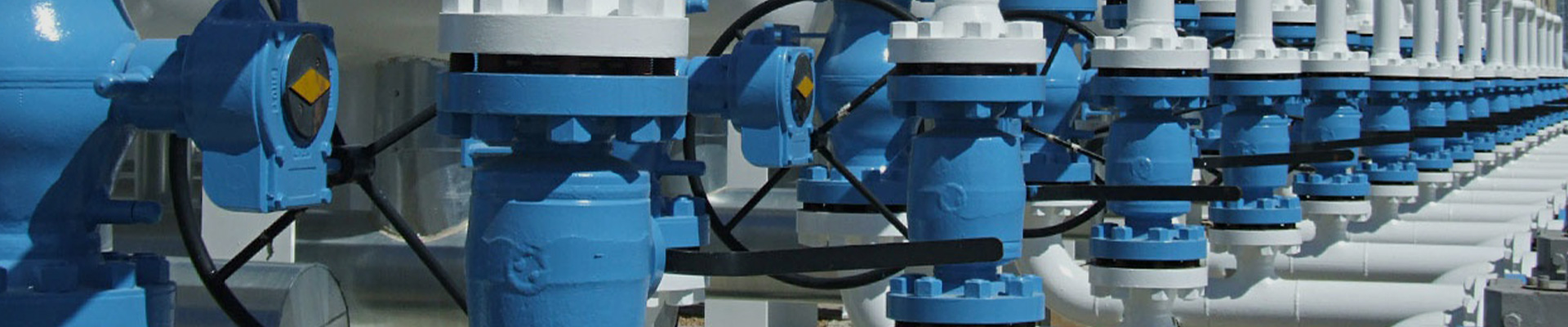
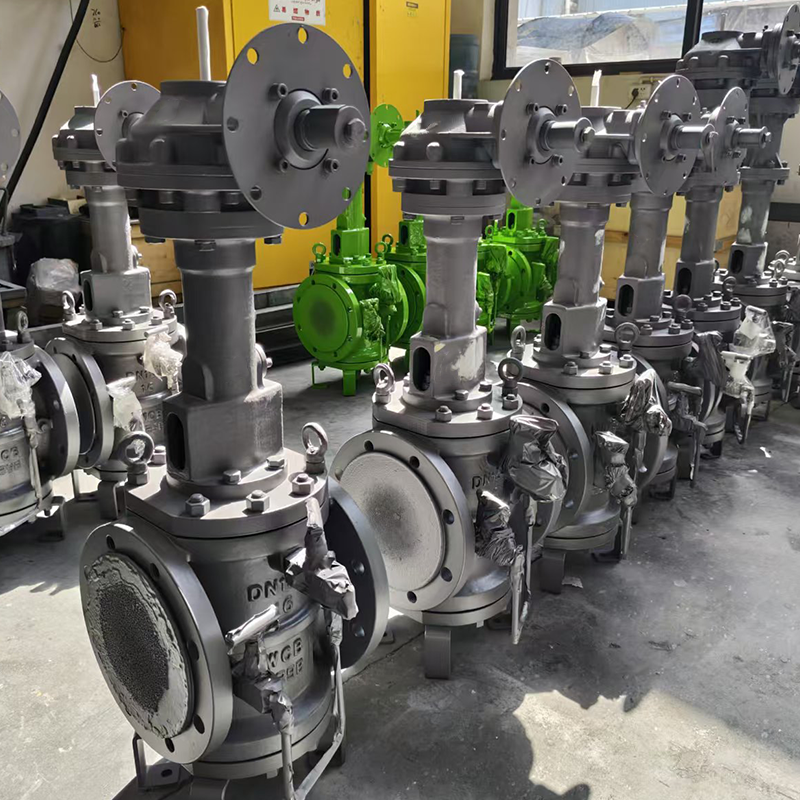
In industrial and commercial piping systems, controlling the flow of liquids and gases efficiently is essential. The floating ball valve is a widely used solution that combines simplicity with reliability. Its design allows for smooth operation, tight sealing, and adaptability to various applications, making it a staple in fluid control across multiple industries.
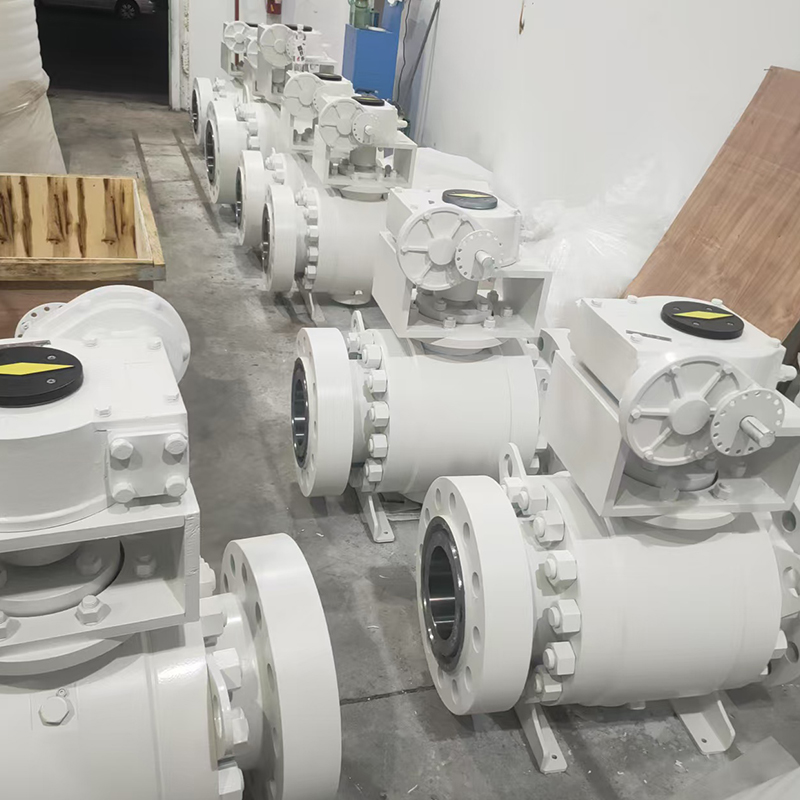
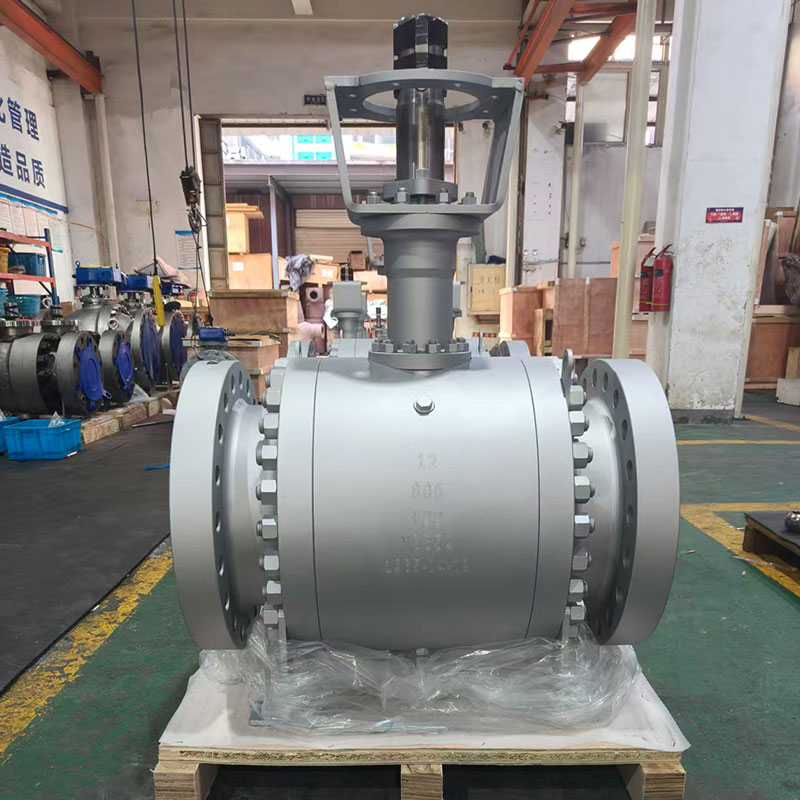
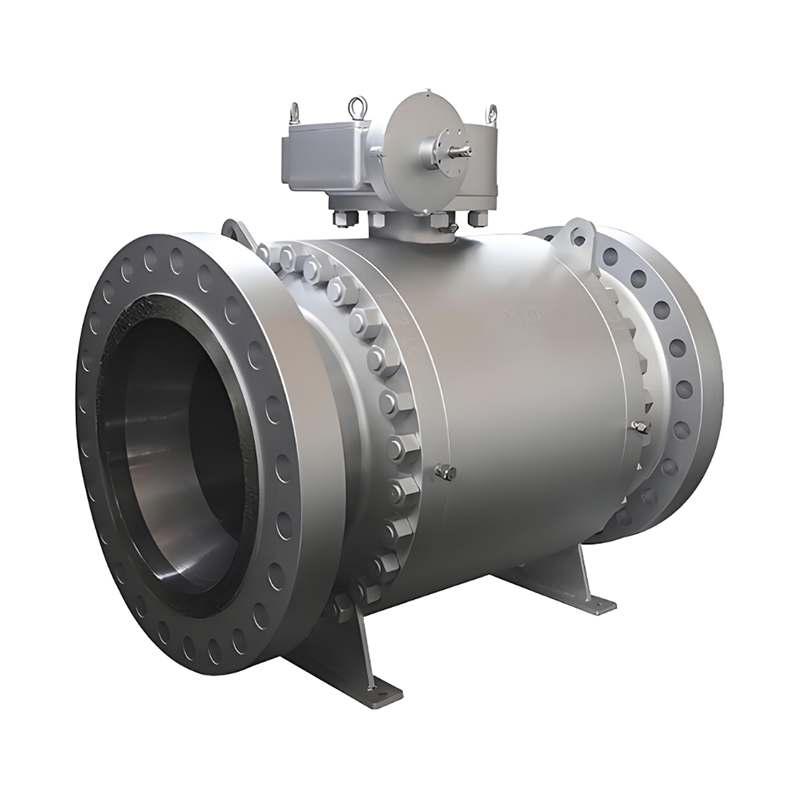
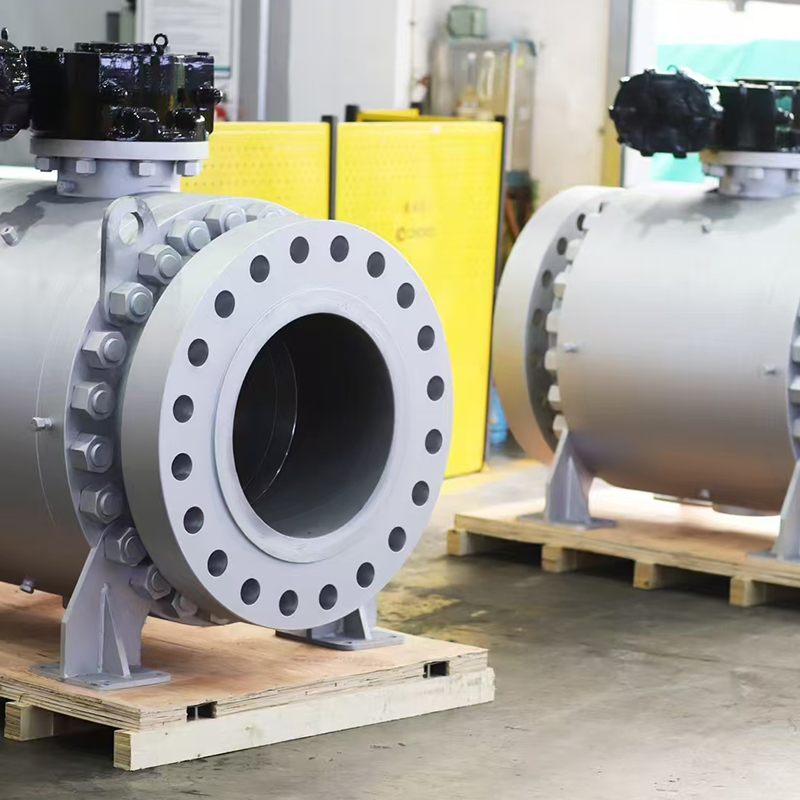
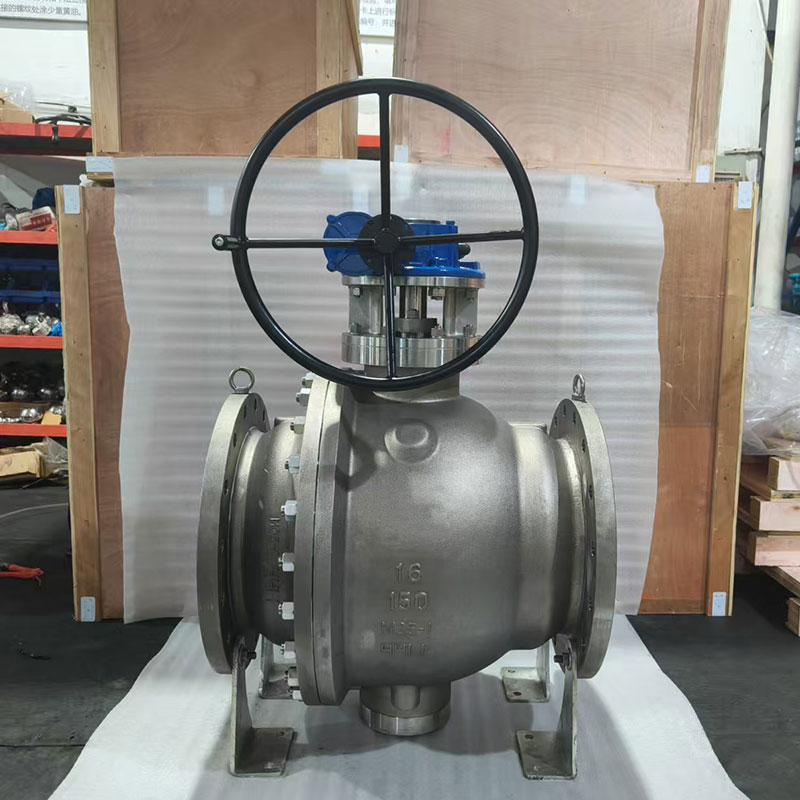
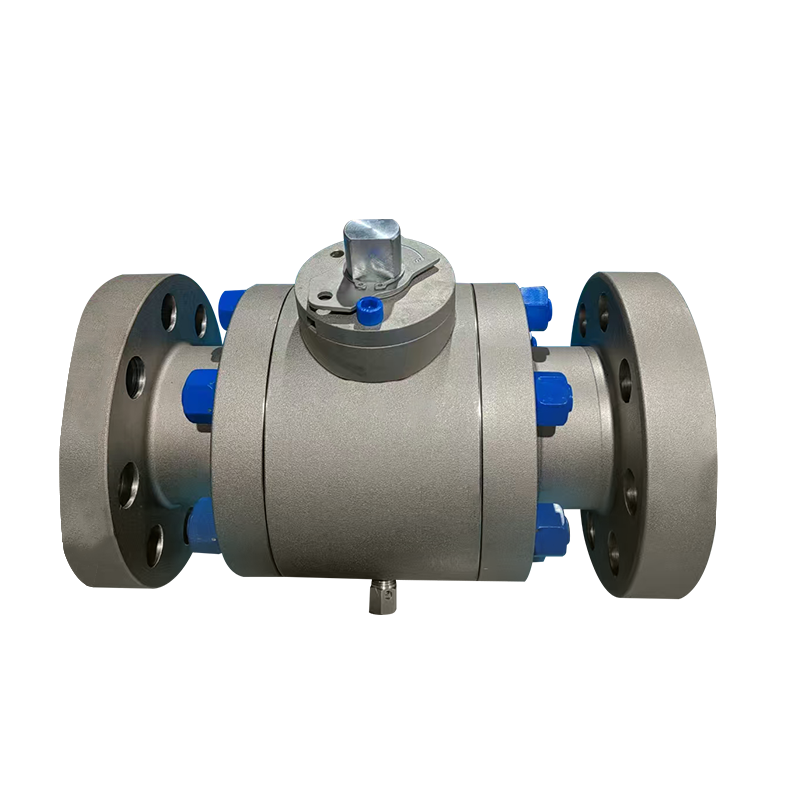
A floating ball valve consists of a spherical ball that sits between two seats and rotates to open or close the flow. Unlike trunnion-mounted ball valves, the ball in a floating design is not anchored at the top or bottom. Instead, it is slightly free to move along the flow direction, pressing against the downstream seat when the valve is closed. This movement ensures a tight seal and reduces leakage risks.
These valves are available in various sizes and materials, including stainless steel, carbon steel, and PVC, making them suitable for water, oil, gas, and chemical applications. Their simplicity also allows for easy maintenance and reduced operational complexity.
The floating ball valve offers several advantages for industrial operators:
For companies managing large piping networks, these benefits translate into lower maintenance costs and smoother operations.
When selecting a floating ball valve, several design factors should be considered:
Understanding these aspects helps businesses make informed purchasing decisions, reducing the risk of operational downtime.
Installing a floating ball valve typically requires aligning it properly with the pipeline and using compatible fittings. Routine inspections focus on seat wear, ball condition, and any signs of leakage. Since the valve is mechanically simple, replacement parts and servicing are straightforward, making it a practical choice for continuous industrial operations.
For bulk procurement, companies often prefer suppliers that offer consistent quality, spare parts availability, and technical support to ensure long-term reliability.
The floating ball valve is suitable for a wide variety of applications:
Its adaptability makes it a practical investment for industrial operators requiring dependable flow control solutions.
By integrating floating ball valves into pipelines, companies can achieve consistent flow control, minimize leaks, and maintain operational efficiency. Whether for medium- or large-scale operations, these valves provide a reliable and cost-effective solution for managing liquids and gases in diverse industrial environments.
A floating ball valve combines simplicity, reliability, and adaptability. Its design allows for secure sealing, straightforward operation, and compatibility with multiple industrial applications, making it an essential component for modern fluid control systems.